
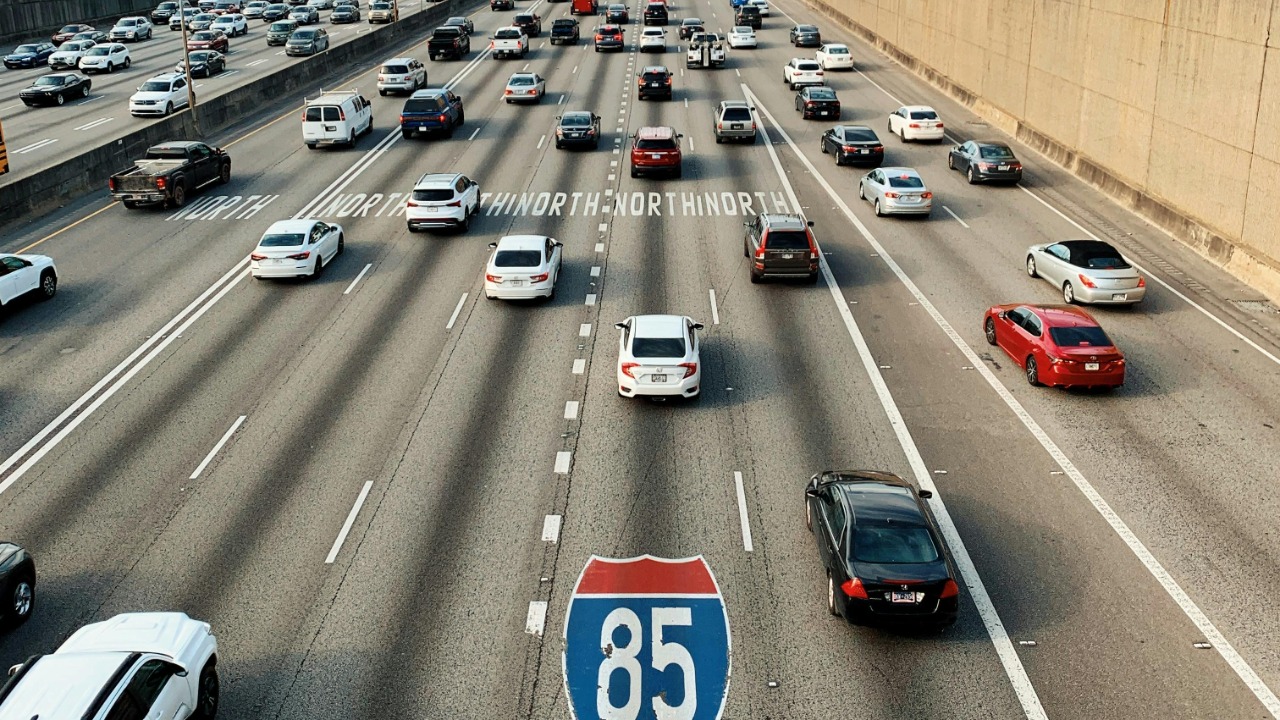
Rush hour looks routine from behind the wheel, yet the most familiar stretches of road often hide the sharpest risks. Commutes compress fatigue, time pressure, and complex traffic into the same narrow windows, turning everyday routes into a network of danger zones that drivers barely notice until something goes wrong.
Those hazards cluster in specific places and moments, from crowded intersections to dim evening highways and shifting work zones. Understanding where those threats concentrate, and why they catch drivers off guard, can turn a daily grind into a more calculated and survivable trip.
Rush hour’s blind spots: when routine turns risky
Daily patterns shape crash risk long before drivers reach any single intersection or merge lane. Evening rush periods combine dense traffic, mental fatigue from work, and a rush to get home, which increases the odds of mistakes and misjudgments. Safety researchers describe how Understanding the commuting risks starts with recognizing that the majority of collisions cluster around those peak hours, when drivers feel most confident and least patient.
Time of day adds another layer of danger that many workers underestimate. Employees on second or third shifts often travel at off hours, when fatigue runs high and visibility drops, yet traffic still moves at highway speeds. Analysts note that Traveling at a dangerous time of day can turn a quiet road into a trap, especially for Employees heading to or from work who misjudge how tired they feel until a split second matters.
Intersections, work zones, and the illusion of control
Intersections sit at the center of many commute crashes because they compress complex decisions into a few seconds. Drivers must track vehicles turning left, right, and moving straight, while also scanning for pedestrians and cyclists who share the same space. Legal experts highlight that Hidden Dangers in Your Commute include intersections that are notorious hotspots for collisions, especially when drivers rush through yellow lights or misjudge gaps while turning left.
Complex traffic patterns magnify those risks even when signals function perfectly. Safety specialists explain that at intersections, traffic often flows in several directions at once, which forces drivers to estimate the speed and distance of oncoming vehicles while also tracking crosswalks and lane changes. Analysts warn that At intersections drivers frequently misjudge those closing speeds, which turns a routine left turn into a high impact side collision when someone assumes the other car will slow down.
Construction corridors and rear-end traps
Work zones create another hidden layer of risk on familiar routes, because lane shifts and sudden slowdowns leave little room for error. Drivers often treat these stretches as minor inconveniences rather than active hazards, even as heavy equipment, narrowed shoulders, and confused lane markings crowd the roadway. Federal guidance on work zones stresses that drivers should reduce speed, obey flaggers, and expect unexpected stops whenever they enter a construction corridor.
Rear-end crashes surge in these areas because traffic stacks up quickly behind lane closures and merge points. Safety officials note that Rear-end crashes are extremely common in work zones, which makes extra following distance and constant scanning essential. Commuters who rely on adaptive cruise control in vehicles like a Toyota RAV4 or Ford F-150 often assume the technology will react in time, yet those systems cannot anticipate a flagger’s stop sign or a driver who cuts in at the last second.
Weather, darkness, and the deceptive calm of “normal” conditions

Weather shifts can turn an ordinary commute into a sliding puzzle of hidden hazards. Rain, in particular, creates slick surfaces and standing water that reduce traction and hide potholes or debris. Analysts who track the Most Dangerous Roadway Conditions point to Rain Covered Roads and Puddles as a leading threat, because Heavy rainfall can leave puddle-covered routes that trigger hydroplaning even at moderate speeds.
Light conditions matter just as much as precipitation, especially during seasonal transitions. As days shorten, evening commuters suddenly face darker streets and more glare from oncoming headlights, while their habits remain tuned to summer brightness. Traffic experts warn in a Nov briefing that drivers need to slow down and adjust for reduced visibility once the evening commute shifts into darkness, rather than trusting muscle memory from brighter months.
Distraction, aggression, and the psychology of the commute
Technology and impatience now shape the emotional climate of rush hour as much as traffic volume. Smartphones, dashboard touchscreens, and constant notifications tempt drivers to split their attention between the road and a digital feed. Federal safety data underline how Sending or reading a text takes your eyes off the road for 5 seconds, and at 55 m that equals the length of an entire football field with no visual contact.
Distraction does not stop with phones, because routine itself can lull drivers into mental autopilot. Psychologists describe a False Sense of Security in which Comfort Zones Masquerading as Safety convince people that familiar routes feel “safe” simply because nothing bad happened yesterday. That mindset encourages risky shortcuts, like rolling through stop signs or glancing at email in slow traffic, because the commute feels like a controlled environment rather than a dynamic risk.
Hidden hot spots: highways, heavy trucks, and subtle design flaws
Not every danger zone looks dramatic from the driver’s seat. Some stretches of highway quietly accumulate crash histories because of subtle design quirks, such as short merge lanes, tight curves, or confusing signage. Analysts who study regional crash patterns ask What Turns a Stretch of Road into a Danger Zone and conclude that it Usually involves a combination of high speeds, heavy traffic, and design features that leave little margin for error when something unexpected happens.
Heavy trucks add another layer of risk to those corridors, especially during peak freight hours that overlap with commuter traffic. Legal guidance on large crashes stresses that it is important to consult official sources like the National Highway Traffic Safety Administration when evaluating risk, because National Highway data from NHTSA provide the most up-to-date and comprehensive statistics on 18 wheeler collisions. Commuters who squeeze between tractor trailers to gain a few car lengths often underestimate how long those vehicles need to stop or change lanes.
When “normal” driving turns aggressive
Stress and congestion can transform ordinary drivers into hazards without any conscious decision to take risks. Tailgating, abrupt lane changes, and speeding through yellow lights often feel like small time savers, yet they fit a broader pattern that safety officials classify as dangerous. The National Highway Traffic Safety Council defines Aggressive driving as a phenomenon that involves operating a motor vehicle in a manner that is likely to endanger persons or property, and the NHTSC warns that this pattern has only got the public more worried.
Commuters often underestimate how quickly those behaviors escalate when others respond in kind. A single hostile gesture can trigger a chain of brake checks, close passes, and retaliatory honks that distract every nearby driver. National campaigns on NHTSA Road Safety emphasize that Child Safety, Teen Driving, and Older Drivers all suffer when aggressive habits spread, because vulnerable road users have the least ability to compensate for sudden, hostile maneuvers.
Institutional blind spots and the cost of complacency
Individual choices matter, but institutional attitudes also shape how safe commutes feel and how risky they actually are. Companies that treat inspections or safety briefings as paperwork often miss patterns that could prevent crashes, such as recurring near misses at a plant exit or a blind curve near a warehouse. Maritime safety experts warn that But hazards behind us, the ones already navigated, can create a false sense of security, while constant low level risks remain unaddressed.
Regulators and safety agencies try to counter that complacency with targeted campaigns and data driven outreach. Federal programs use social media and training materials to remind drivers that distraction and fatigue remain systemic threats, not just personal quirks. One playbook from the FMCSA, the Federal Motor Carrier Safety Administration, outlines strategies to encourage drivers to not drive distracted, especially in commercial fleets where one mistake can affect dozens of commuters.
Rewriting the mental map of a “safe” commute
Safety experts argue that the most powerful change commuters can make involves how they think about familiar roads. Instead of treating the daily route as a background task, drivers can map specific risk points in their minds, such as a blind merge, a busy crosswalk, or a work zone that appears each summer. Legal analysts who catalog Accidents Waiting to Happen on commutes highlight how Distracted Driving Accidents often cluster at the same intersections, because drivers let routine dull their attention exactly where they need it most.
Public agencies support that mental shift with broad campaigns that frame road safety as a shared responsibility rather than a personal gamble. National initiatives from NHTSA and the National Highway Traffic Safety Administration encourage drivers to see themselves as part of a system where every small choice, from checking mirrors to silencing notifications, shapes outcomes for others. When commuters internalize that perspective, the most dangerous parts of the journey become the ones they prepare for most carefully, not the ones they ignore because they feel ordinary.



Leave a Reply