
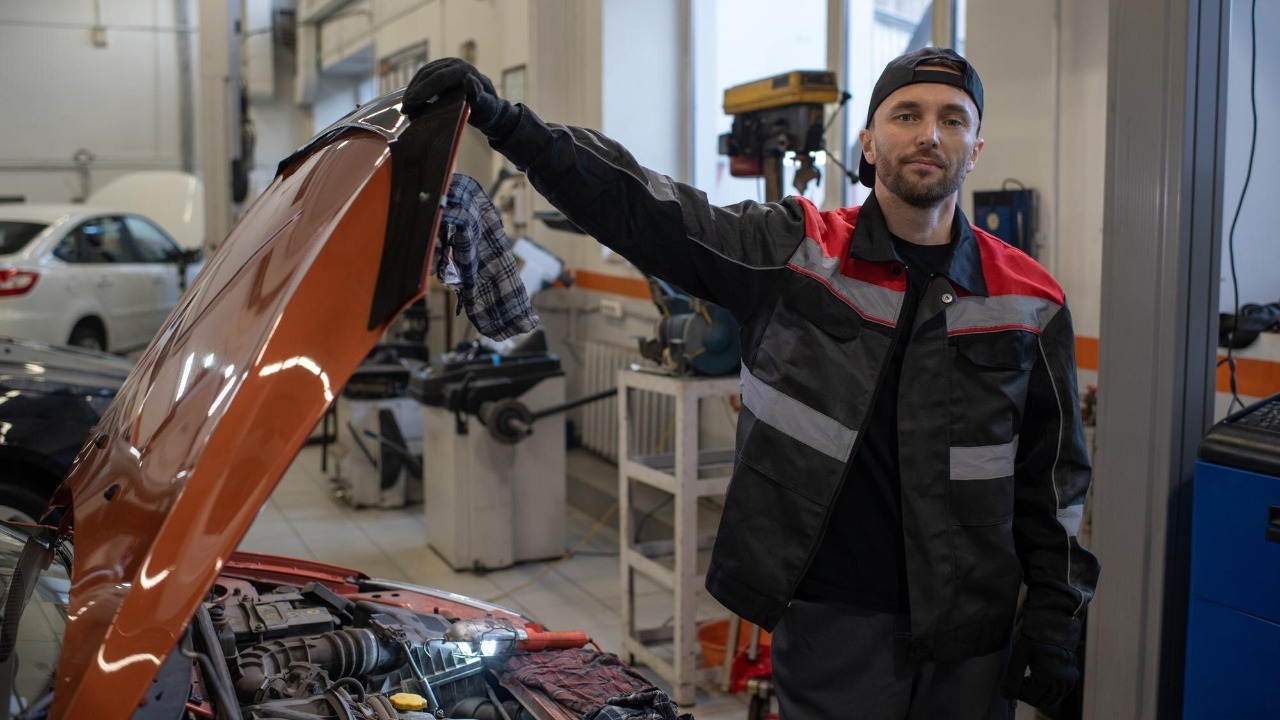
Police vehicles look familiar on the outside, but the people who keep them running work in a different world from the average neighborhood garage. Police mechanics understand not only engines and brakes, but also how law, technology, and officer safety intersect every time a patrol car rolls out of the lot. Their knowledge reveals how much separates a marked cruiser from the family SUV, and how little civilians see of the pressures that shape every repair decision.
That gap matters on the road and in court, where a wiring choice or a software glitch can affect an officer’s split second judgment. It also shapes how civilians interpret traffic stops, search requests, and even casual comments from their own mechanics. Looking at what police technicians and their colleagues know, and what most drivers do not, helps explain why the same car can feel like a lifeline to one person and a threat to another.
The hidden electronics under every light bar
Police mechanics work on vehicles that carry a second nervous system under the hood and behind the dash. They learn to treat the car as a rolling data center, where every extra wire and relay can mean the difference between a clean radio call and a dead screen. In one Los Angeles shop, a mechanic named Jan described how much of the job now revolves around “all the electrical equipment that is hiding” in patrol cars, from the code systems that control sirens to the maze of wiring for lights and radios, and how often they need to trace faults in that hidden network rather than in the engine itself, a reality that Yeah illustrates.
That complexity starts with the factory car and then multiplies. Modern cruisers carry partitions, laptop mounts, radar units, and gun locks, all of which draw power and generate heat. Technical guides describe how Specialized Equipment in Police vehicles includes flashing light bars, radios, laptop computers, partitions, and other electronics that sit on top of the original wiring. Mechanics in these fleets learn to anticipate which alternators will fail under that load, which connectors will corrode first, and how to route cables so they do not interfere with airbags or side curtain sensors. Civilians usually only see the light bar and the decals, not the engineering tradeoffs that keep those systems alive through long idling shifts and sudden pursuits.
How patrol cars change the rules of the road
Police mechanics also understand that a patrol car does not just move differently, it changes how drivers behave around it. Officers train for that psychological effect, and technicians see the wear patterns that follow. Brakes on a marked Ford Explorer or Dodge Charger often show the scars of hard stops that start when a driver panics at the sight of a cruiser in the mirror. Training materials for officers describe how a simple opening line like “Do you know why I pulled you over?” functions as a deliberate tactic rather than small talk, a point that one widely shared video on Sep traffic stop strategies spells out in detail.
That tactic driven environment shapes how mechanics prioritize repairs. They know that a misaligned radar unit or a glitchy dash camera can undermine a citation or a criminal case, even if the engine runs perfectly. Officers who discuss their work in forums often describe how civilians “Monday Morning QB” every decision after the fact, a phrase one user named VirogenicFawn21 used to capture how people second guess split second choices from the safety of hindsight, a sentiment recorded in an Apr discussion. Mechanics absorb that pressure too, because a failed siren or a frozen body camera can turn a routine stop into a contested incident where every missing frame matters.
What mechanics know about rights that drivers forget
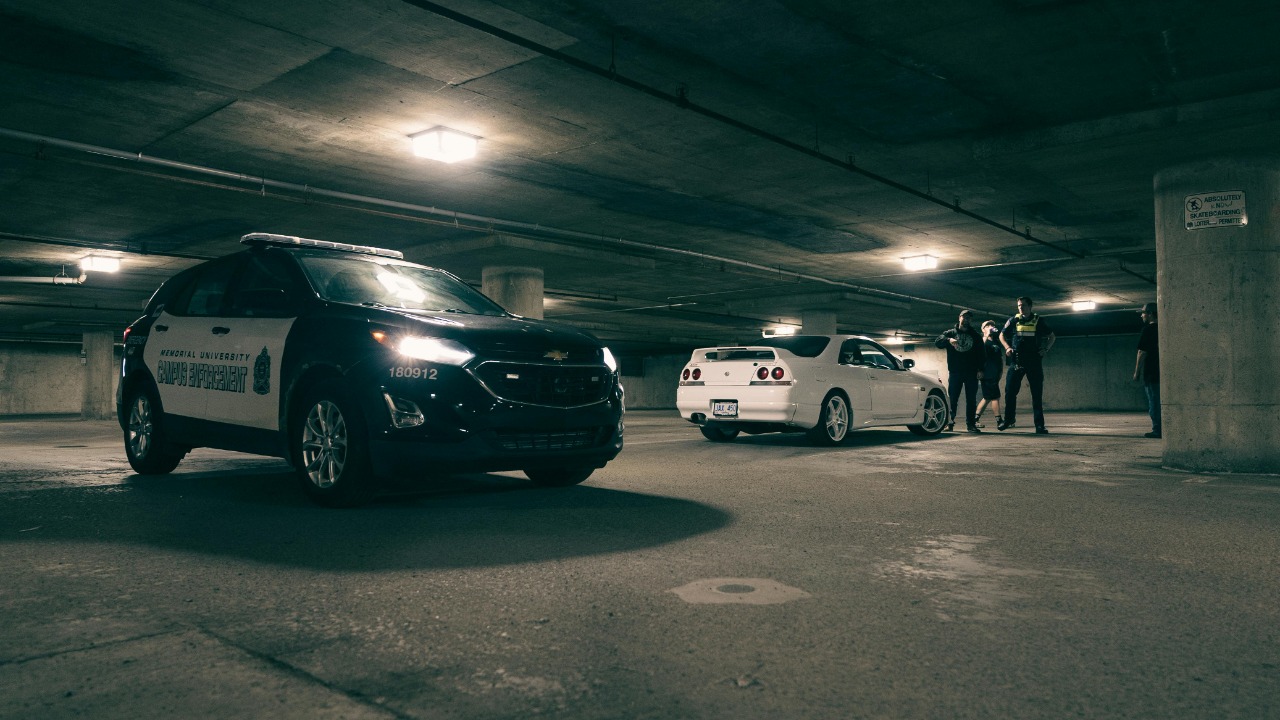
Inside police garages, technicians hear officers talk about more than horsepower. They hear constant reminders about what officers can and cannot do when they search a car or a phone, and how quickly a bad search can unravel a case. Legal guides stress that “Your Phone Is Private” and that officers need a warrant or clear consent before they scroll through a device, a rule that one rights explainer frames with the exact phrase Your Phone Is Private, Unless the owner agrees to a search. Mechanics who ride along or listen in on shop talk absorb those boundaries, even if they never set foot in a courtroom.
That context can clash with what civilians hear from their own garages. In one Nov legal advice thread, a customer described a mechanic who threatened to call police if the driver took a car with a missing catalytic converter, and commenters debated whether that threat made sense or just reflected confusion about liability. Police mechanics live closer to the legal line, because they know that a patrol car with faulty emissions or unsafe tires can expose the department to lawsuits and officers to personal risk. They also know that a civilian driver still keeps core rights during any stop, including the right to decline consent searches, even if the person feels pressure from a uniform or a stern warning from a shop.
The science and stress behind “something seems off”
Police mechanics share shop space with specialists whose job is to read bodies the way technicians read engines. Drug Recognition Experts, often called DREs, train to spot specific signs of intoxication or impairment that go beyond a simple breath test. Legal analysts describe how These officers receive instruction to notice certain symptoms or signs of intoxication or inebriation in civilians, and then use that training to support arrests or further testing. Mechanics who hear those debriefs learn how much weight a shaky walk or a dilated pupil can carry in a report, and how often equipment like dash cameras or in car video must back up those observations.
That environment sits on top of a constant stress load. Research on disaster policing notes that Law enforcement officers face chronic high stress and consistently high demands, including exposure to trauma and unpredictable danger. Mechanics who work inside that culture see how stress affects driving habits, from late night crashes to minor fender benders in crowded lots. They learn to read the scars on a bumper as signs of a job that rarely slows down, and they adjust maintenance schedules to account for the toll that constant urgency takes on vehicles and the people who drive them.
Information networks civilians never see
Police mechanics also operate inside communication webs that most drivers never encounter. When a new scam or safety issue appears, departments can push alerts through internal channels, briefing both officers and support staff. In one More discussion among officers, users debated whether departments have resources to notify all mechanics or auto shops about stolen vehicles or wanted suspects, and the thread drifted into “Meme” posts and jokes like “Sometimes I just forget, you know?” and “What is” even possible with limited staff. That conversation highlighted how formal alerts often stop at the department door, leaving civilian garages out of the loop while in house mechanics stay plugged in.
Training companies now try to bridge that divide by bringing outside expertise into law enforcement spaces. One contractor program describes how Civilian expertise helps because They, meaning Contractors, bring valuable civilian insights that improve training for both professionals and non military trainees. Police mechanics sit at that intersection, translating officer needs into technical language that outside vendors can understand, while also explaining to officers why a certain aftermarket part or wiring shortcut could create new risks. Civilians rarely see those negotiations, but they shape everything from which laptop mounts departments choose to how quickly a new model of SUV joins the fleet.
All of that leaves police mechanics with a layered understanding of cars, law, and human behavior that goes far beyond a typical oil change. They know how a phrase like “Do you know why I pulled you over?” can set the tone for a stop before anyone checks a license. They know that a single loose connector behind a light bar can erase crucial video or silence a siren at the worst moment. Most of all, they know that every patrol car carries not just officers and gear, but also the weight of public expectations that arrive later, in courtrooms and comment threads, long after the engine cools in the bay.

Leave a Reply