
Automakers now treat silence as a core performance metric, not a luxury afterthought. The most obsessive high-mileage drivers increasingly chase engines that combine low noise with the kind of durability that shrugs off six-figure odometer readings.
Those priorities push a specific set of designs to the front of the pack, from hybrid workhorses to refined luxury sedans and even experimental aerospace projects that shaped modern acoustic thinking.
The new benchmark: quiet cabins that still go the distance
Engineers now design powertrains around the cabin experience as much as raw output. High-mileage drivers reward that shift, because a quiet engine reduces fatigue on long commutes and road trips while also signaling tight tolerances and careful balancing. In the premium space, models such as the 2025 Lexus ES appear on shortlists of the quietest cars, with Jan and Here both highlighting how that sedan turns highway noise into a muted backdrop for daily use at Ontario Auto Center.
Silence alone does not impress drivers who pile on thousands of Miles each month. They look for engines that maintain that composure after years of heat cycles, cold starts, and stop‑and‑go traffic. That is why the conversation often shifts from isolated luxury models to powertrains that pair refined sound with proven longevity, a combination that now defines the quiet designs dominating high‑mileage circles.
Hybrid workhorses and the rise of “unkillable” quiet
Hybrids changed expectations for both noise and durability in commuter cars. Electric assistance lets the combustion engine shut off at idle and operate in a smoother band under load, which cuts vibration and softens the soundtrack in city driving. The 2015–2022 Toyota Prius illustrates that shift, with reporting on the model’s Highest Mileage Recorded of 500,000 Miles showing how a modest gasoline unit and electric motor can deliver near whisper‑level operation while still earning a reputation as an unkillable Toyota Prius.
High‑mileage drivers pay attention to that kind of track record because it proves that quiet operation does not require fragile hardware. The Toyota hybrid system keeps revs low and smooth in typical use, which reduces mechanical stress on components that already carry Toyota’s reputation for conservative engineering. The Toyota brand built its following on engines that favor reliability over drama, and the Prius extends that philosophy into a package that feels calm in traffic yet still reaches that 500,000 Miles milestone without turning the cabin into a rattling echo chamber.
Luxury noise control: from active tech to acoustic tuning
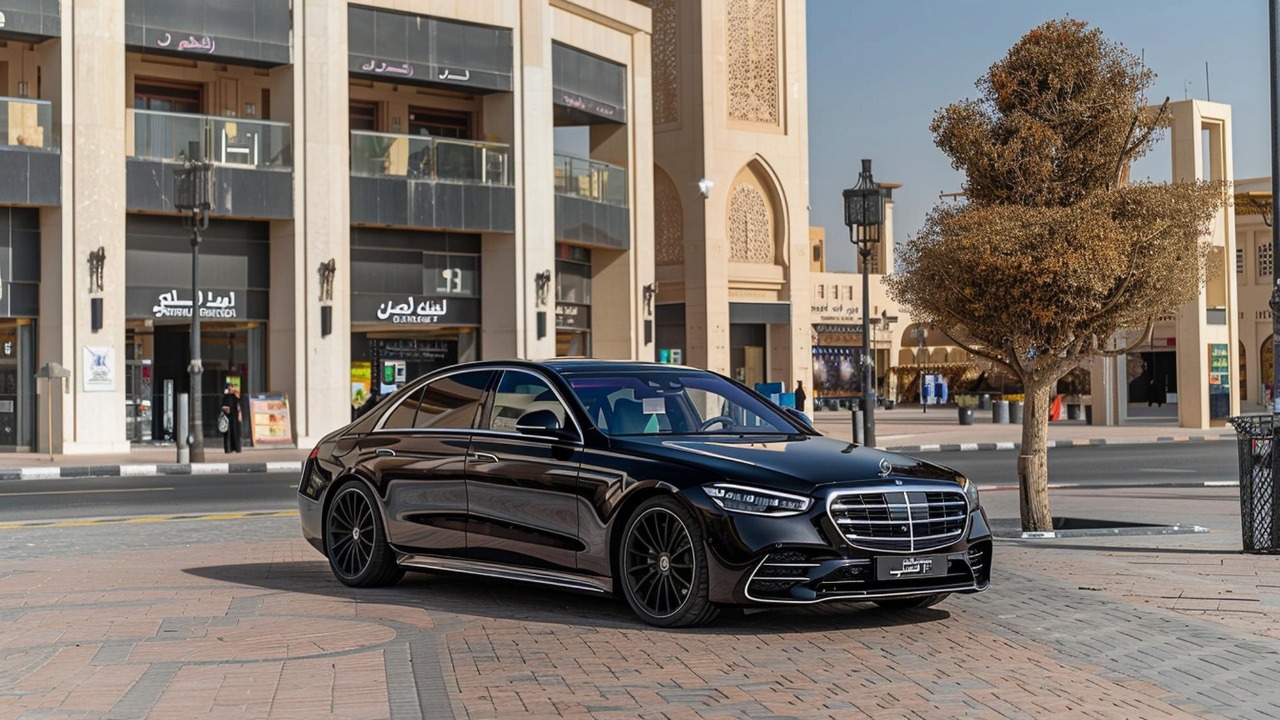
Luxury manufacturers now treat noise management as a full‑system problem rather than a simple muffler exercise. Engineers combine careful engine mounting, optimized combustion timing, and digital sound control to keep cabins hushed at highway speeds. On the high end, models such as the Lexus LS, Lincoln Aviator, and Mercedes‑Maybach S‑Class use active noise canceling systems that listen for low‑frequency engine and road sounds, then generate counter waves through the audio system to neutralize that rumble, a strategy detailed in coverage of how On the high end, luxury cars such as the Lexus LS, Lincoln Aviator, and Mercedes-Maybach S-Class deploy this technology.
That approach matters for high‑mileage owners who spend hours at steady speeds, where low‑frequency droning can cause more fatigue than short bursts of acceleration. By attacking those frequencies at the source and in the cabin, these vehicles let their engines operate in efficient ranges without punishing occupants with constant background hum. The result is a new class of long‑distance cruisers that feel almost detached from their powertrains, yet still rely on combustion engines that must meet the same durability expectations as any high‑mileage workhorse.
NASA’s quiet engine blueprints and their automotive echoes
Long before automakers marketed “whisper quiet” badges, aerospace engineers wrestled with stricter noise rules around airports. NASA studies on QUIET ENGINE DESIGN CONSTRAINTS documented how designers balanced thrust, fuel burn, and acoustic output in experimental turbines, treating noise as a core performance variable rather than a side effect. That work on Quiet Engine Design Constraints forced engineers to consider fan blade geometry, exhaust mixing, and structural damping in a single integrated package.
Those same principles now inform how automotive engineers think about intake paths, turbocharger placement, and engine covers. Another NASA project, known as The Quiet Engine, assembled an experimental powerplant for NASA by the General Electric team that incorporated many low‑noise features, including revised nacelle shapes and internal liners that absorbed specific frequencies. The description of The Quiet Engine shows how engineers treated noise as a design driver, a mindset that now appears in road cars where intake resonators, dual‑mass flywheels, and active mounts all trace their lineage to that kind of systems thinking.
Bulletproof blocks: when reliability lists meet quiet refinement
High‑mileage drivers still revere traditional internal combustion engines that earned reputations for near indestructibility. Enthusiasts often cite units like the Toyota 2JZ‑GE and 2JZ‑GTE inline‑sixes, which feature stout iron blocks, generous oiling, and conservative factory tuning that allow huge power increases without sacrificing basic reliability. Here, analysts group those Toyota engines among the most durable ever built, noting how their architecture supports both stock longevity and heavy modification in a single package at Here Toyota.
Quiet operation might not be the first trait associated with such legends, yet their smooth inline layouts and balanced rotating assemblies help reduce harshness even when owners push them hard. Modern tuning often pairs these older designs with better exhaust systems and improved engine management, which can tame some of the rawness without touching the core mechanical strength. That blend of refinement and robustness keeps them relevant for drivers who want an engine that feels relaxed at 70 mph but still carries a reputation for surviving abuse that would sideline more delicate designs.
Enthusiast icons and the culture of quiet longevity
Enthusiast culture also shapes which engines earn “forever” status in high‑mileage circles. Commentators frequently highlight the GM LS V8 as a king of V8s, describing it as reliable and mod‑friendly, while also pointing to the Honda B‑Series as the engine that solidified Honda’s bulletproof reputation among tuners. A widely shared breakdown of “10 Car Engines That Will Last Forever” singles out those families, framing the GM LS V8 and Honda B‑Series as examples of designs that tolerate power upgrades and daily use without constant repairs, a view captured in coverage of Aug Honda Series.
Those engines do not always rank as the quietest in stock form, yet their smoothness under load and resistance to wear make them favorites for long‑distance builds. Owners often pair them with taller gearing, improved sound insulation, and modern exhaust systems to create highway cruisers that lope along at low rpm with minimal drone. That culture of thoughtful modification shows how high‑mileage drivers now treat quietness as another dimension of reliability, something to engineer into a build rather than accept as a fixed trait.
Why quiet engines now define serious high-mileage choices
Across hybrids, luxury sedans, aerospace‑inspired designs, and enthusiast icons, a pattern emerges. The engines that dominate high‑mileage conversations rarely chase peak output at all costs. Instead they prioritize balanced combustion, robust materials, and acoustic control that keeps cabins calm even as odometers climb into six‑figure territory.
High‑mileage drivers respond to that mix of serenity and staying power. They gravitate toward vehicles like the 2025 Lexus ES, the long‑running Toyota Prius, and proven families such as the Toyota 2JZ‑GE or GM LS V8 because those powertrains show that quiet operation can coexist with serious durability. As more manufacturers adopt lessons from projects like quiet Engine Design Constraints and The Quiet Engine, the next generation of daily drivers will likely treat low noise and long life as inseparable goals rather than competing priorities.




Leave a Reply