
Electric performance no longer lives only in dyno charts and quarter mile slips. The next wave of speed comes from invisible electrical intelligence that shapes how power flows, how batteries breathe, and how cars talk to the grid. The result is a performance era where software, semiconductors, and energy systems matter as much as displacement and exhaust notes.
Drivers now feel this shift every time an electric car launches harder than a supercar or charges faster than a coffee break. The same electrical technologies that power homes, data centers, and factories now define how quickly a car sprints, how consistently it laps, and how confidently it handles.
Instant torque and intelligent control redefine raw speed
Performance fans used to measure greatness by cylinders and rev limits. Electric drivetrains now reset that hierarchy with instant torque and precise control that internal combustion engines cannot match. Electric cars, unlike internal combustion vehicles, deliver a lot of instant torque that knocks riders back in their seats, which turns even heavy luxury models into launch machines when engineers tune the software correctly, as highlighted in analysis of Electric strategy.
That raw shove now pairs with hyper precise traction control and torque vectoring. Cars like the Tesla Model S Plaid and the Porsche Taycan can accelerate from 0 to 60 m in under 2 seconds, delivering performance that rivals or exceeds most supercars, and they do it repeatably thanks to sophisticated power electronics and thermal management that keep motors and inverters in their sweet spot, as detailed in coverage of Cars that push the envelope.
Battery breakthroughs move from lab talk to lap time
Energy storage now sits at the heart of performance engineering. The most anticipated advancement in EV battery technology is a new generation of Solid State Batteries, Smaller, Safer, More Powerful, which promise higher energy density, faster charging, and improved safety by using solid electrolytes to move lithium ions between electrodes, a shift that could let performance cars carry less weight while keeping range and track stamina, according to detailed analysis of Solid technology.
Structural Battery Composites now add another twist by turning body panels into energy storage, where lithium ion batteries are solid structures that need their own space, structural designs instead embed cells into the chassis and body, which can cut weight and free packaging volume for better aerodynamics and cabin space, while also promising significant impact environmentally and economically as highlighted in research on Structural Battery Composites.
Grid scale battery storage now feeds this evolution from the infrastructure side. Grid scale battery storage is rapidly becoming one of the defining pillars of the global energy transition, driven by falling costs and shifting supply chains, and that same ecosystem of suppliers and chemistries now supports trackside fast charging and home energy systems that keep performance EVs topped up, as seen in reporting on Grid expansion.
Semiconductors, AI, and autonomous systems become the new pit crew
Under every blistering launch and stable high speed corner now sits a dense stack of chips and code. From enhancing performance and safety to driving the electric revolution, these tiny electronic components are driving the future of mobility, since modern power modules, sensors, and microcontrollers manage everything from inverter switching to adaptive damping in real time, as detailed in analysis of semiconductors that sit at the core of vehicle brains.
Autonomous systems now move from pilot projects into mainstream platforms. The rise of Autonomous systems, including physical robots and digital agents, is moving from pilots to scaled deployments and placing new demands on global infrastructure, and that same autonomy stack feeds advanced driver assistance, track coaching, and over the air optimization that can trim lap times without a wrench, as outlined in research on Autonomous trends.
AI now sits at the center of this shift. Jun analysis of technology trends notes that New and notable advances in AI drive application specific semiconductors and edge computing, which let cars process sensor data locally, refine torque delivery, and even predict component wear before it robs performance, as detailed in the Jun technology outlook.
Charging, wireless power, and smart grids reshape track logistics
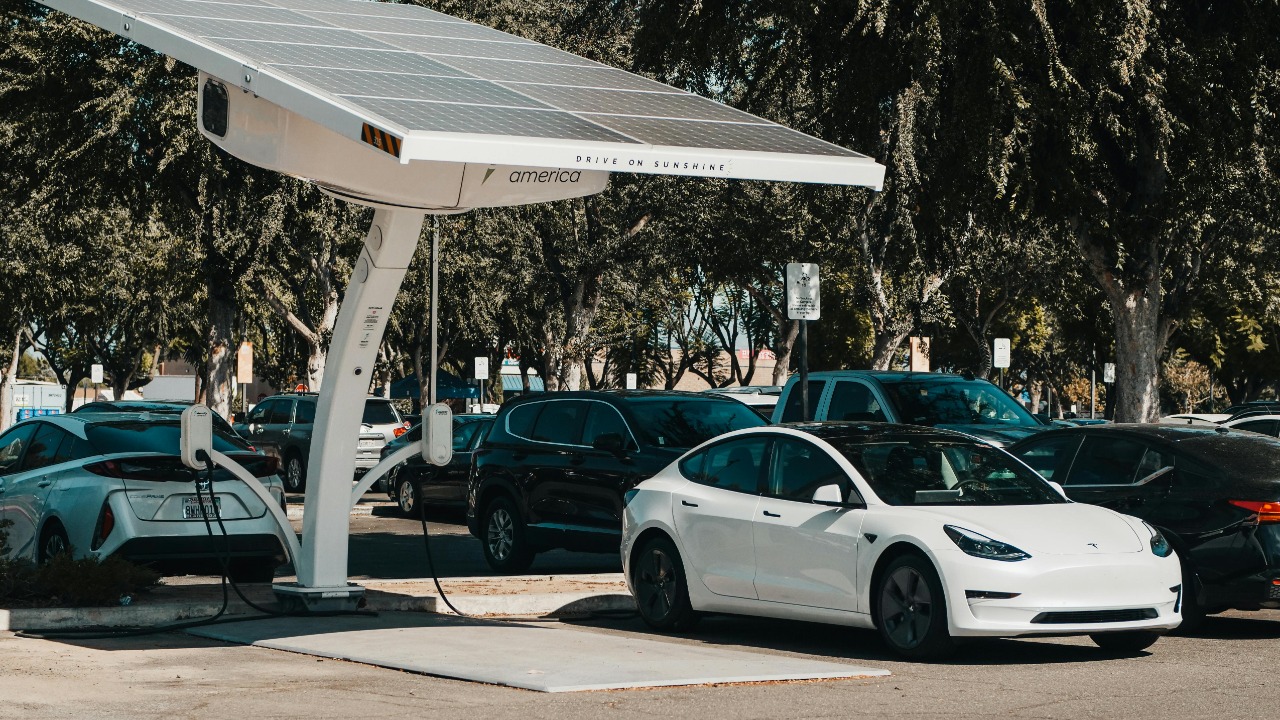
Performance no longer ends at the finish line, it extends into how quickly a car gets ready for the next run. Smart grids represent the next generation of electrical infrastructure, Smart Grids and Energy Management systems balance loads, integrate renewables, and support high power chargers that can feed multiple EVs without tripping breakers, which matters when track days or urban superchargers pull heavy demand, as explained in coverage of Future Trends in Electrical Technology.
Wireless Power Transfer now starts to cut the cord for some devices and hints at future pit lane setups. If you think Wireless Power Transfer only means phone pads, engineers now extend it to wearables, smartwatches, and medical devices, and the same principles could eventually let paddocks or garages top up cars without plugs, as detailed in research on Wireless Power Transfer that Did start in consumer tech.
Cutting the cord already reshapes how businesses think about infrastructure. For example, smart grids, Internet of Things integration, and energy efficient solutions are reshaping how businesses manage power, while Cutting the Cord, The Rise of Wireless Power Transfer Technology, starts to appear in homes, offices, and public spaces, which hints at future charging pads embedded in parking bays or even pit lanes, as described in analysis of Internet of Things and wireless power.
Homes, grids, and data centers quietly set the performance ceiling
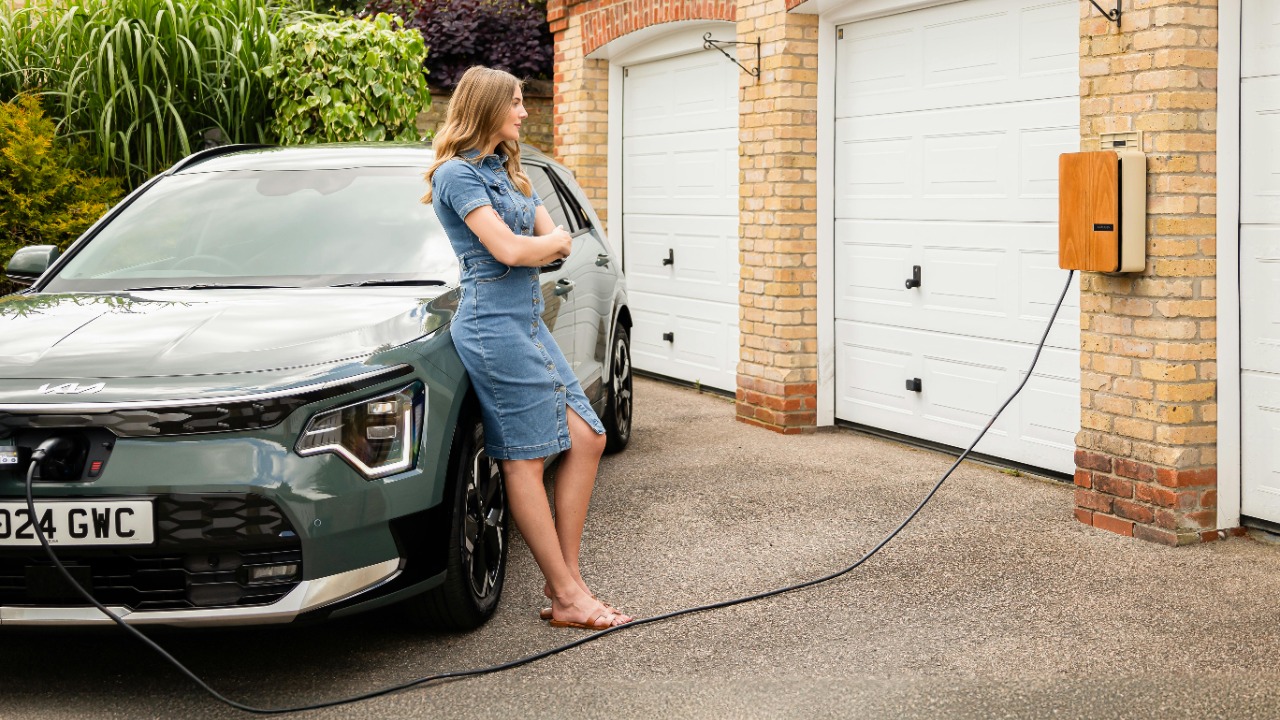
Garage power and neighborhood grids now matter as much as tire compounds. Most in demand home services focus on energy efficiency, automation, and sustainable solutions, and Major trends include smart home integration, renewable energy systems, and enhanced electrical safety features, which together let owners install high power wallboxes without overloading panels, as detailed in reporting on Sep Electrical Trends for 2025.
Engineers now need new skills to keep this ecosystem stable. Emerging Electrical Engineering Innovations for 2025 highlight how Electrical engineering sits at the intersection of today’s most complex systems, and engineers who understand and can apply data analytics, automation, and real time load forecasting will keep performance EVs charged without stressing local networks, as outlined in the Emerging Electrical Engineering Innovations for report.
The broader power industry also feels pressure from AI and electrification. The Future of Work Set to Reshape the Power Industry shows how How Future of Work Technologies Will Solve Six Key Power Industry challenges, including workforce gaps and AI data center expansion, which will influence how grids prioritize capacity between server farms and high power charging corridors, as detailed in analysis of Reshape the Power Industry.
Electricity demand in the US now climbs as AI data centers and EVs grow together. First Solar is a leading domestic solar provider, and FSLR benefits from increasing solar demand, Additionally, the company expects earnings to more than double next quarter, while Nextpower develops software that helps solar projects run more efficiently, which shows how clean generation must scale to keep performance EVs guilt free and grid friendly, as outlined in analysis of First Solar and the coming energy shock.
Battery storage innovation now supports this surge. Beyond LFP, The next storage frontier will shape how storage supports the grid, Looking ahead, chemistry innovation will determine how flexibly grids can absorb renewables and feed fast chargers during peak demand, which directly affects how often drivers can exploit full performance without range anxiety, as described in analysis of Beyond LFP storage markets.
From road to race track, electric tech reshapes the driving experience
Electric sports cars now sit at the sharp end of this transformation. Electric sports cars have revolutionised high performance driving, challenging traditional notions of what makes a vehicle exciting, and they now rival or beat combustion rivals in key metrics like acceleration and responsiveness, which shifts enthusiast expectations for what a fast car should feel like, as highlighted in reviews of Electric performance models.
The broader auto industry now treats electrification as a technology revolution, not just a fuel swap. Mar analysis of a New Era on the Road shows How Electric Vehicles Are Redefining the Auto Industry, with manufacturers focusing on Revolutionizing Automotive Technology that blends software, connectivity, and clean power into new driving experiences that feel smoother, quicker, and more customizable than legacy platforms, as detailed in coverage of the New Era on the Road.
Electrical engineering now sits at the center of this story. In depth discussion of the future of electrical engineering explains how emerging technologies and trends will revolutionize the field, and how innovations in power electronics, control systems, and materials will improve performance and reduce costs for everything from inverters to charging hardware, which ultimately filters down to faster, more efficient cars, as outlined in analysis of the future of electrical engineering.
Future Trends in Electrical Technology now reinforce this direction. Jul research on Electrical Technology notes how Smart Grids and Energy Management, along with Smart devices and automation, will keep vehicles, homes, and cities aligned with the latest advancements in electrical systems, which ensures that the next performance era rests on a stable, intelligent foundation rather than brute force, as detailed in coverage of Electrical Technology.


Leave a Reply