
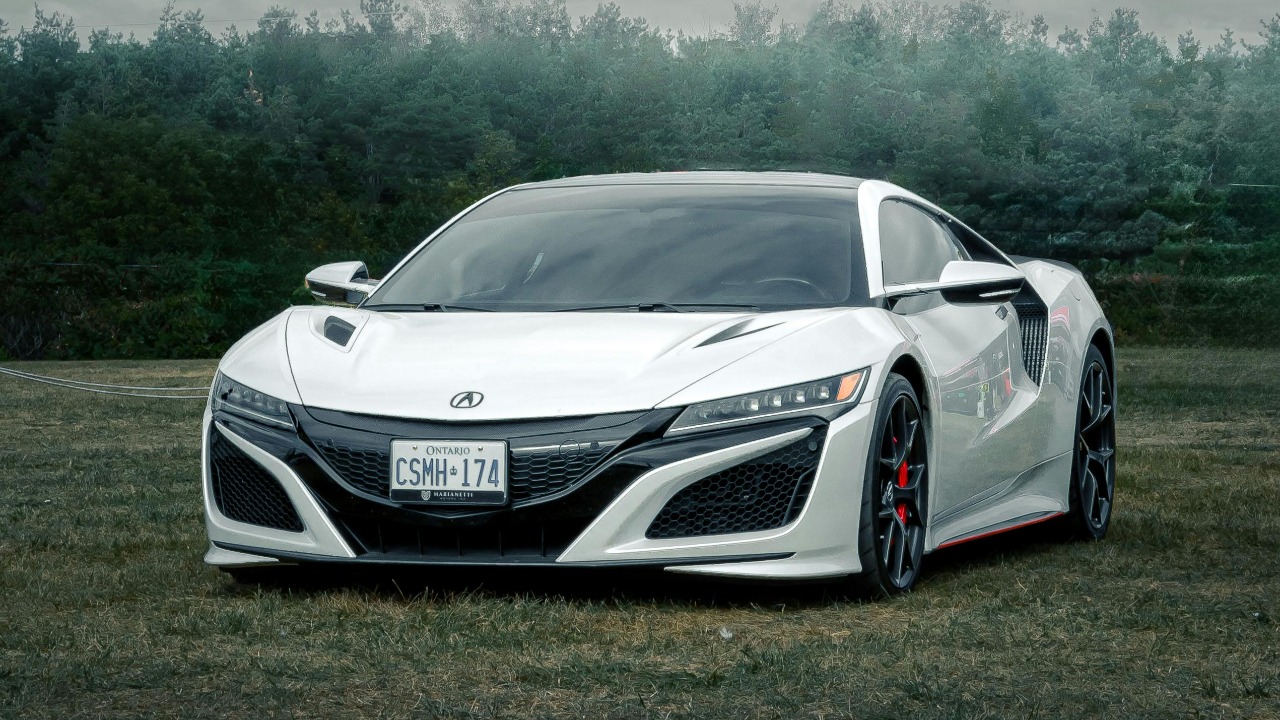
Supercars used to demand sacrifice, trading comfort and reliability for drama and speed. The Acura NSX upended that bargain, proving a car could deliver exotic performance while behaving with the civility of a daily driver. I see its legacy today every time a mid‑engine machine slips quietly through traffic with the manners of a family sedan.
The NSX did not just make supercars more approachable, it rewrote the engineering brief for how they should be built, driven, and lived with. By pairing race-bred hardware with user-friendly ergonomics and durability, it set a template that rivals eventually followed, even as they initially chased more power instead of better manners.
Engineering a supercar that felt human-sized
From the start, the NSX was engineered around the driver rather than the spec sheet, which is why it still feels so intuitive decades later. Instead of chasing headline aerodynamics, the development team prioritized packaging, visibility, and ergonomics so the car would be easy to place on the road and relaxing to operate in traffic, a philosophy reflected in period accounts that note how aerodynamics were not a critical focus of the NSX project compared with ease of use. That decision gave the cockpit an airy feel, with thin pillars and generous glass that made the car feel smaller and friendlier than its mid‑engine layout suggested.
On the move, that human-centered approach translated into a chassis that seemed to shrink around the driver as the pace increased. Contemporary impressions describe how, as you start pushing harder, the NSX tightens its responses and feels shorter than its wheelbase, encouraging you to explore its limits while still delivering what one account calls the best of all worlds between comfort and precision. That blend of approachability and feedback is what made the car feel like a precision tool rather than an intimidating weapon, and it is central to how it redefined supercar behavior.
Aluminum, reliability, and the birth of the “daily” supercar
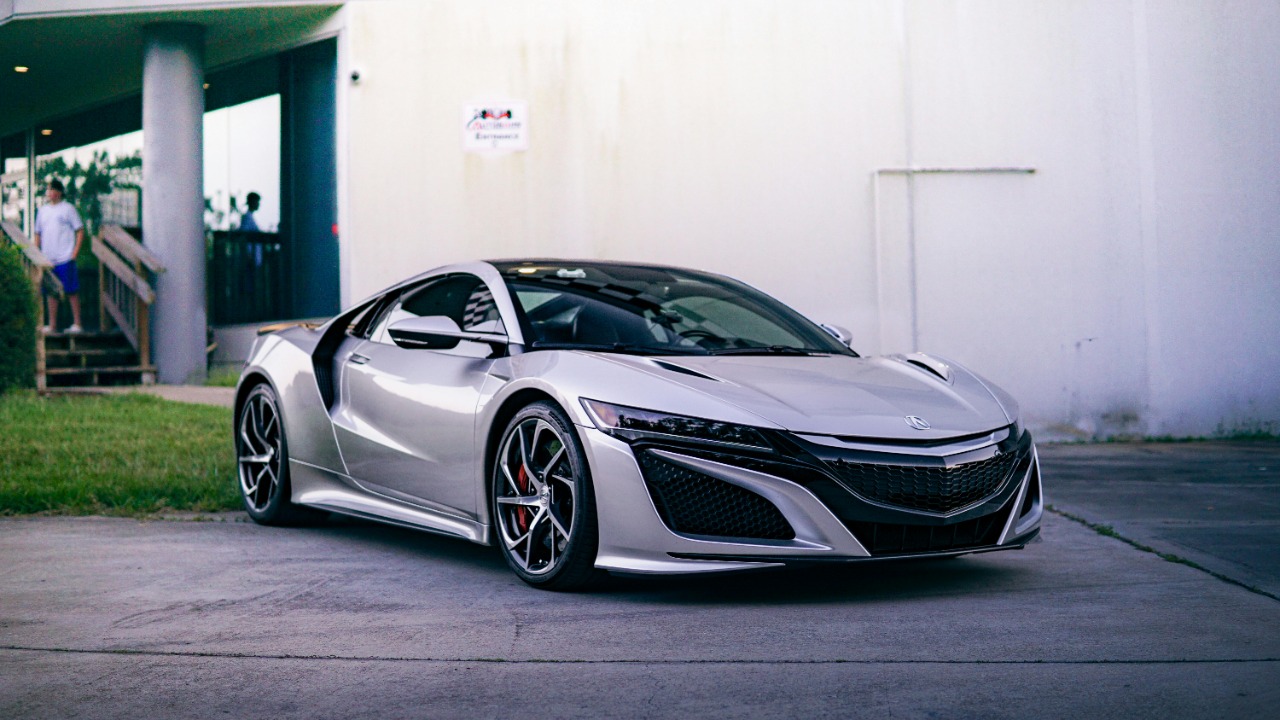
The NSX did not just feel different, it was built differently, starting with its structure. Honda made a radical decision for the time when it chose to give the NSX the world’s first all‑aluminum monocoque body, creating what its own history describes as Thus, NSX became the first mass‑production car with such a construction. That lightweight, corrosion‑resistant structure helped the car feel agile and responsive, but it also signaled a focus on long‑term durability that owners would come to appreciate as the years and miles piled on.
Under the skin, the NSX combined this advanced body with a naturally aspirated V6 and Formula 1 inspired technology that was tuned as much for civility as for speed. Reporting on its development notes that The NSX Had F1 inspired tech under the skin, and that alongside the high‑revving engine, Honda’s engineers ensured the NSX could act as a genuine daily supercar rather than a weekend toy. That combination of exotic materials, race-derived engineering, and everyday reliability is what allowed owners to commute in a car that looked ready for a grid start without suffering the usual supercar headaches.
How the NSX changed rivals’ thinking
The NSX did not just please its own buyers, it forced the rest of the supercar world to rethink its priorities. When Gordon Murray, the chief architect of the McLaren F1, evaluated contemporary sports cars, he found that That the NSX stood head and shoulders above the others, which he considered high praise for Honda. Murray was particularly impressed by the NSX suspension and the way its aluminum structure communicated what the chassis was doing, and he later acknowledged that the inspiration obtained from this NSX suspension system would influence the McLaren F1’s own layout, a point he has reiterated in reflections where he calls the NSX a car dear to his heart.
That kind of endorsement mattered because it showed that a car could be both ruthlessly engineered and genuinely pleasant to use, and that this was not a compromise but an advantage. When Murray praised how the NSX’s aluminum suspension and structure were used to communicate throttle position and grip levels, he was effectively validating Honda’s thesis that a supercar should talk to its driver clearly rather than overwhelm them. In the years that followed, rivals began to adopt similar priorities, dialing in better visibility, more progressive controls, and more robust build quality, even if they did not always credit the quiet influence of Honda and the NSX on their thinking.
The original Acura NSX and the comfort revolution
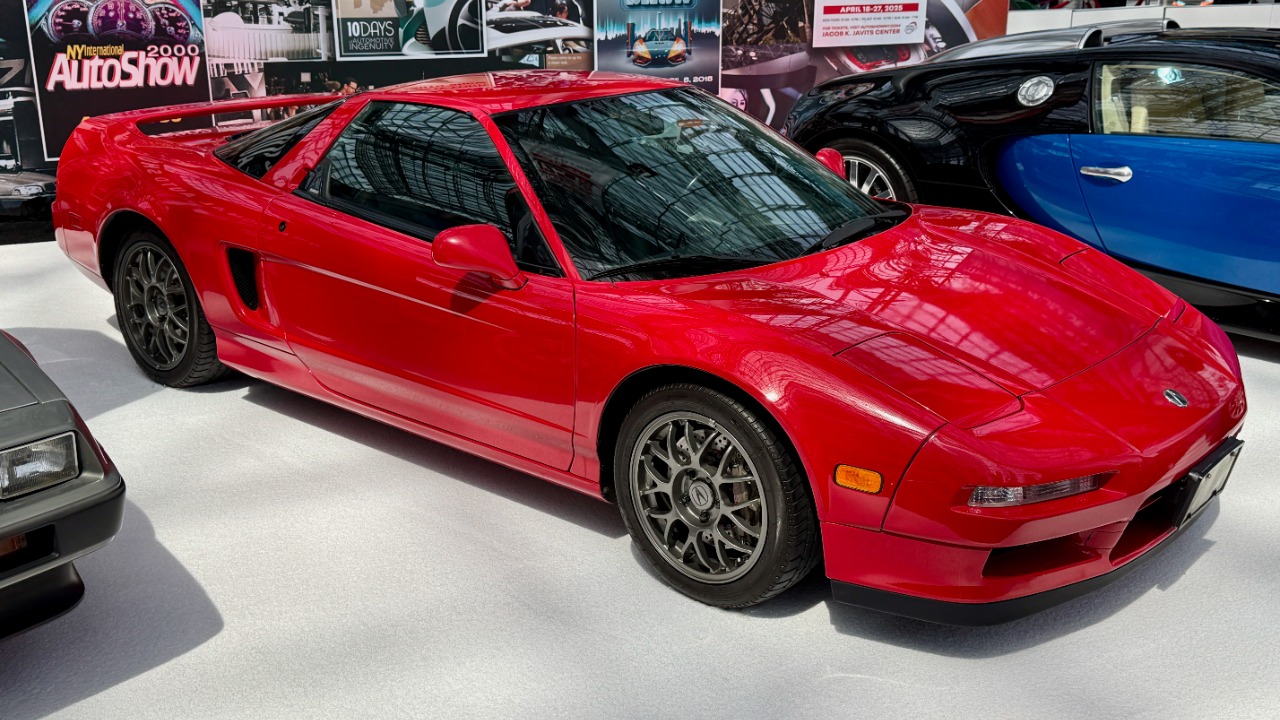
What really set the Acura NSX apart for owners was how it erased the usual discomfort that came with exotic looks. Period reviews of the 1998 Acura NSX noted that the car looked like it belonged on the track, yet the ride and handling were as smooth as that in a luxury sedan, a stark contrast to the way Exotics of the era were meant to be punishing to feel serious. That duality meant drivers could enjoy long highway stretches or rough city streets without feeling like they were paying a physical price for the car’s performance potential.
That comfort was not accidental, it was baked into the design brief. The seats were supportive without being confining, the controls were light but precise, and the cabin ergonomics felt closer to a well-sorted sports sedan than a temperamental thoroughbred. When I compare that to the experience of older classics, I am reminded of a reflection from a technology columnist who admits that, When he sees a polished and obviously nurtured vintage car he admires it, but after owning a couple he realized they are not as comfortable as a modern car. The NSX anticipated that realization decades earlier, delivering modern comfort in a package that still turned heads like a concept car.
A template that carried into the modern era
The NSX’s influence did not end with the first generation, it carried into how later supercars, including its own successor, approached usability. By the time the 2018 Acura NSX arrived, the idea that buying a supercar used to mean making a lot of compromises had become a familiar talking point, and reviewers noted that Buying such a car no longer required owners to accept punishing ride quality or fragile hardware. When the new hybrid Acura NSX came out, it explicitly set out to address two big compromises of traditional exotics, namely low speed drivability and day-to-day refinement, and it did so by leaning on electric assistance and sophisticated traction systems.
That evolution underlined how deeply the original car’s philosophy had seeped into the segment. When the second-generation model arrived, it was framed as a continuation of a lineage in which Alongside the original, Honda had already proven that a mid‑engine machine could be as docile in traffic as it was thrilling on a back road. By the time that new NSX made its bow, the market was full of rivals that had adopted similar strategies, from adaptive suspensions to dual‑clutch gearboxes that made crawling through congestion as painless as a compact hatchback, all following a path the NSX had charted years earlier.



Leave a Reply