
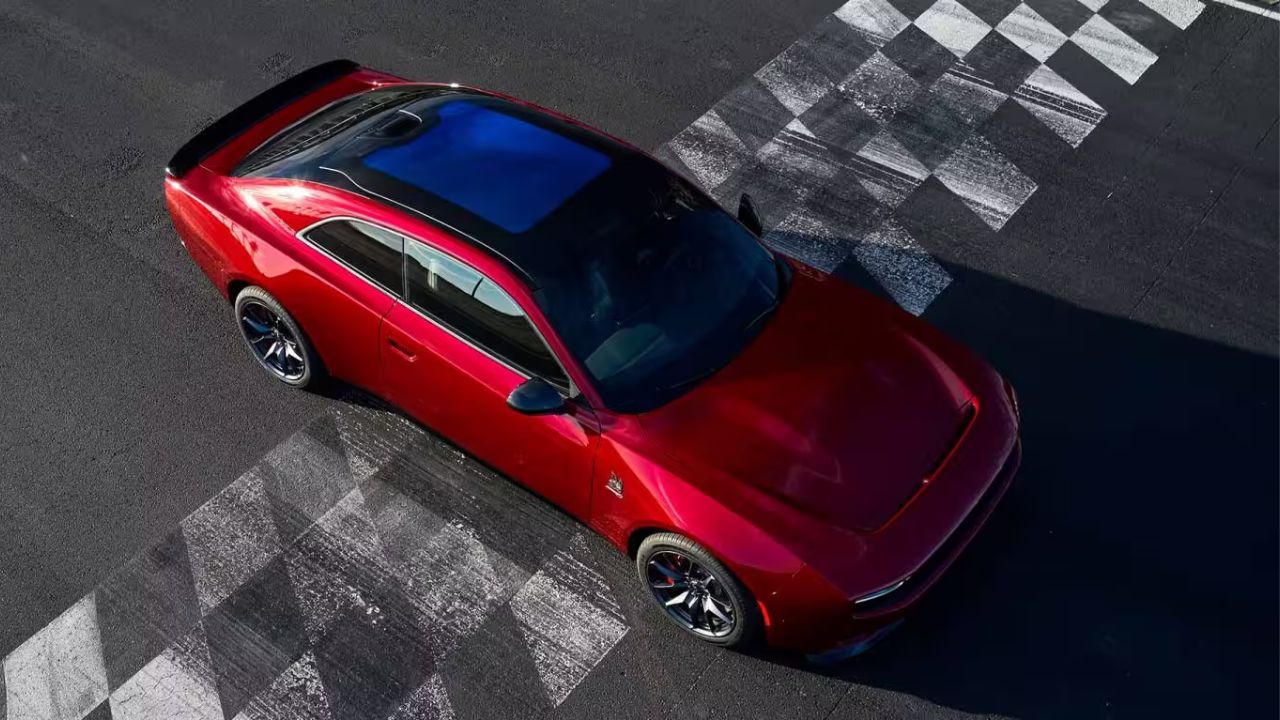
Dodge is finally putting a new Charger within reach of buyers who do not have luxury-car budgets, with a gas-powered model that starts below the $50,000 mark. After leading with an electric reboot, the brand is pivoting back to combustion power and pricing that looks far more familiar to traditional muscle-car fans. The result is a lineup where the entry Charger undercuts the earlier electric versions by a meaningful margin while still promising real performance.
The new gas Charger breaks the $50K barrier
The most important development for shoppers is simple: the new gas-powered 2026 Charger arrives with a starting price under $50,000. That figure instantly changes the conversation around Dodge’s big coupe and sedan, which had initially returned as an electric halo product with pricing that pushed many buyers to the sidelines. By putting the base car below $50,000, Dodge is signaling that the Charger is not just a technology showcase, it is once again a volume muscle machine aimed at people who actually need to sign a finance contract.
That sub-$50,000 positioning is not a vague promise, it is spelled out in previews of the gas lineup that describe how the 2026 Charger starts below $50,000 while still carrying the same aggressive stance and performance-first mission that defined earlier generations. The coverage of the new gas model, framed around the “Attack of the Sixpack” theme and the way the “Gas Powered Charger Roars Out of the Dodge Garage The Charger,” makes clear that this is not a stripped-out penalty box built just to hit a number. Instead, the reporting describes a car that reintroduces combustion power with serious hardware and a price that finally gives buyers a realistic path back into a new Charger.
How it compares with the electric Charger Daytona
To understand why the new pricing matters, it helps to look at where the electric Charger Daytona landed. Early information on the 2025 Dodge Charger Daytona put its Starting MSRP at $61,590, with a Starting Mkt Avg of $54,632. Those figures reflect a car positioned as a high-performance EV with advanced tech and strong acceleration, but they also show how far the electric version sat from the budgets of many traditional Charger buyers. When the conversation starts at $61,590, even a discounted market average of $54,632 still feels like a premium purchase rather than an attainable muscle coupe.
Listings for the 2025 Dodge Charger Daytona reinforce that reality. One example shows a Dodge Charger Daytona R/T with an MSRP of $40,290 M and a listed price of $62,685 at Kendall Dodge Chrysler Jeep Ram in Miami, where the dealer carries a 4.4 rating based on 5,955 reviews and invites shoppers to view the car. The presence of a $40,290 figure alongside a $62,685 asking price highlights how quickly options, trims, and market conditions can push an electric Charger into luxury territory. Against that backdrop, a gas Charger that starts below $50,000, and that is explicitly described as a way to help buyers forget the earlier electric aberration, looks like a deliberate reset of both expectations and pricing.
Sixpack power and the return of combustion muscle
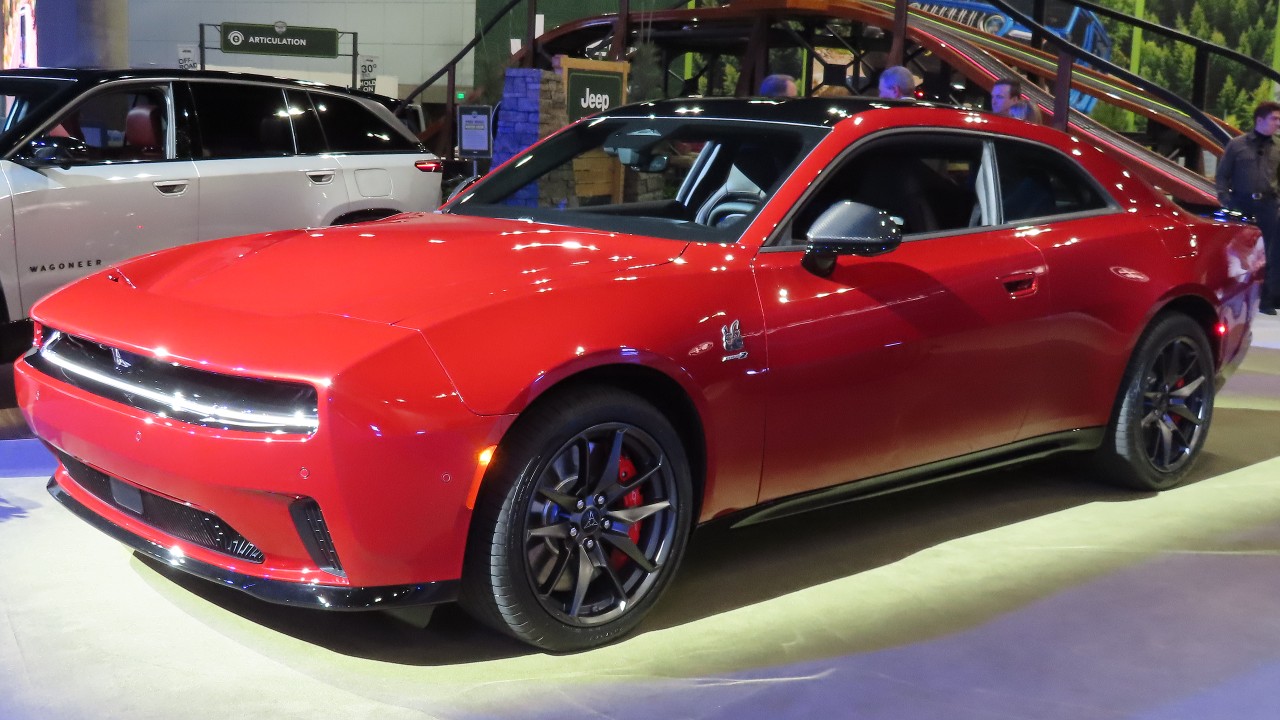
Price alone would not be enough to win back muscle-car loyalists if the new Charger felt watered down, which is why the Sixpack branding matters. The gas-powered 2026 Charger is built around new Sixpack engines that bring back the drama many enthusiasts felt was missing from the EV. Coverage of the “Attack of the Sixpack” launch emphasizes that this is a Gas Powered Charger that roars out of the Dodge garage, not a quiet commuter car with a familiar badge. The focus on sound, response, and traditional performance cues is meant to reconnect the Charger with its combustion heritage while still living in a world of modern emissions and efficiency rules.
Dealer-level breakdowns of the 2026 Dodge Charger trim levels show how that philosophy translates into hardware. One description of the 2026 Dodge Charger R/T notes that “Our 2026 Dodge Charger R/T brings back combustion-powered muscle with the standard-output 3.0L Twin-Turbo Sixpack engine,” and that this setup “offers both daily usability and track-day excitement.” The explicit reference to a Twin Turbo Sixpack engine underscores that Dodge is not simply dropping in an old V8, it is using a modern twin-turbo layout to deliver the kind of torque and flexibility that can satisfy both weekday commuting and weekend runs. For buyers who felt the electric Charger Daytona was impressive but emotionally distant, the Sixpack configuration is designed to feel like a proper return to form.
Why the sub-$50K Charger matters in the current market
Putting a new Charger under $50,000 is not just a headline-friendly milestone, it is a strategic move in a market where performance cars are being squeezed from both ends. On one side, electric models like the Charger Daytona have introduced high-tech speed with price tags that reflect their battery packs and software. On the other, traditional coupes and sedans are being replaced by crossovers, leaving fewer options for buyers who want a big, rear-drive-biased performance car without spending luxury money. By anchoring the gas Charger below $50,000, Dodge is carving out a space where the car can compete with everything from well-equipped family SUVs to rival performance coupes.
Analysts looking at the broader 2025 Dodge Charger landscape have already noted that Dodge reserves its biggest power and thrills for the electric Daytona version, but they also expect the combustion Charger to find plenty of fans who value sound and feel as much as raw numbers. That expectation lines up with the way the gas 2026 Charger is being framed: as a car that delivers real muscle at a price that does not immediately push buyers into the $60,000-plus bracket. When coverage of the gas model points out that it undercuts the earlier electric Charger Daytona R/T by $9,600, and that this gap is central to Dodge’s effort to shift production gears back to Gas and away from the earlier experiment, it becomes clear that the sub-$50,000 starting point is a core part of the strategy rather than a marketing afterthought.
What shoppers should watch as they spec a new Charger
For anyone heading to a configurator or showroom, the headline takeaway is that a new gas Charger can now be speced for less than $50,000, but the details will still matter. The base price gives buyers a foothold, yet options, higher-output Sixpack variants, and body-style choices will quickly move the number upward. The experience of the 2025 Dodge Charger Daytona, where a Dodge Charger Daytona R/T could show an MSRP of $40,290 and still be listed at $62,685, is a reminder that the gap between a theoretical entry price and a real-world transaction can be wide. Shoppers who want to stay close to that sub-$50,000 promise will need to be disciplined about packages and dealer markups.
At the same time, the structure of the new lineup gives buyers more flexibility than the early electric-only approach. The official Dodge Charger pages outline a range of configurations that now include both electric Daytona models and gas-powered Sixpack versions, allowing shoppers to decide whether they prioritize the instant torque and quiet of the EV or the sound and character of the Twin Turbo Sixpack. With the gas Charger starting below $50,000 and the electric Charger Daytona associated with figures like the $61,590 Starting MSRP and $54,632 Starting Mkt Avg, the price ladder is clearer than it was when the Charger returned as an EV-first experiment. For buyers who have been waiting for a way back into a new Dodge Charger without crossing the luxury threshold, the arrival of a combustion model under $50,000 finally delivers that opening.
Source: Dodge


Leave a Reply