
Family cars are no longer content to sit in the slow lane. From super-sedans to hot hatchbacks and wild electric saloons, practical models with four doors and real luggage space are now matching traditional sports cars for straight-line speed and everyday fun. The performance figures that once belonged to exotic coupes are increasingly turning up in cars that can carry children, dogs and a week’s worth of shopping.
That shift is reshaping what “family transport” means. Instead of choosing between a sensible commuter and a weekend toy, buyers can now get both in one package, with acceleration, handling and braking that meet the same benchmarks used to judge dedicated performance machines.
The new definition of high performance
The line between a sensible family car and a serious performance machine has blurred because the definition of “high performance” itself has expanded. It is no longer just about a big engine and a headline top speed, but about how a car accelerates, turns and stops while still being usable every day. As one performance-focused guide puts it, the superiority of a performance car shows not only in engine power, speed and brake power, but in the way it delivers a thrilling driving experience on the track and on the road, with chassis, suspension and steering tuned to work together.
That broader view helps explain why modern family sedans and SUVs feel so capable. Everyday front-wheel drive family sedans have benefited from the same engineering advances that transformed sports cars, from sophisticated suspension layouts to electronic stability systems that keep all that power in check. We also live in a time where car performance and power figures are higher than ever, with outputs that were once reserved for drag and circuit cars now common in factory built performance vehicles. When those technologies migrate into four-door models with usable rear seats, the result is a family car that behaves like a sports car when the road opens up, yet still copes with school runs and supermarket car parks.
Super-sedans that embarrass sports cars
Nowhere is the shift more obvious than in the latest generation of super-sedans. The Cadillac CT5-V Blackwing is a prime example, described as living proof that old-school American muscle still has a place in the modern performance world. It wraps a traditional front-engine, rear-drive layout in a four-door body that can carry a family, yet its acceleration and top speed put it in the same conversation as many purpose-built sports cars. The Alfa Romeo Giulia Quadrifoglio follows a similar recipe, with reports calling it one of the most thrilling sedans ever built and crediting it with exotic-car levels of performance while still being one of the fastest sedans in its class.
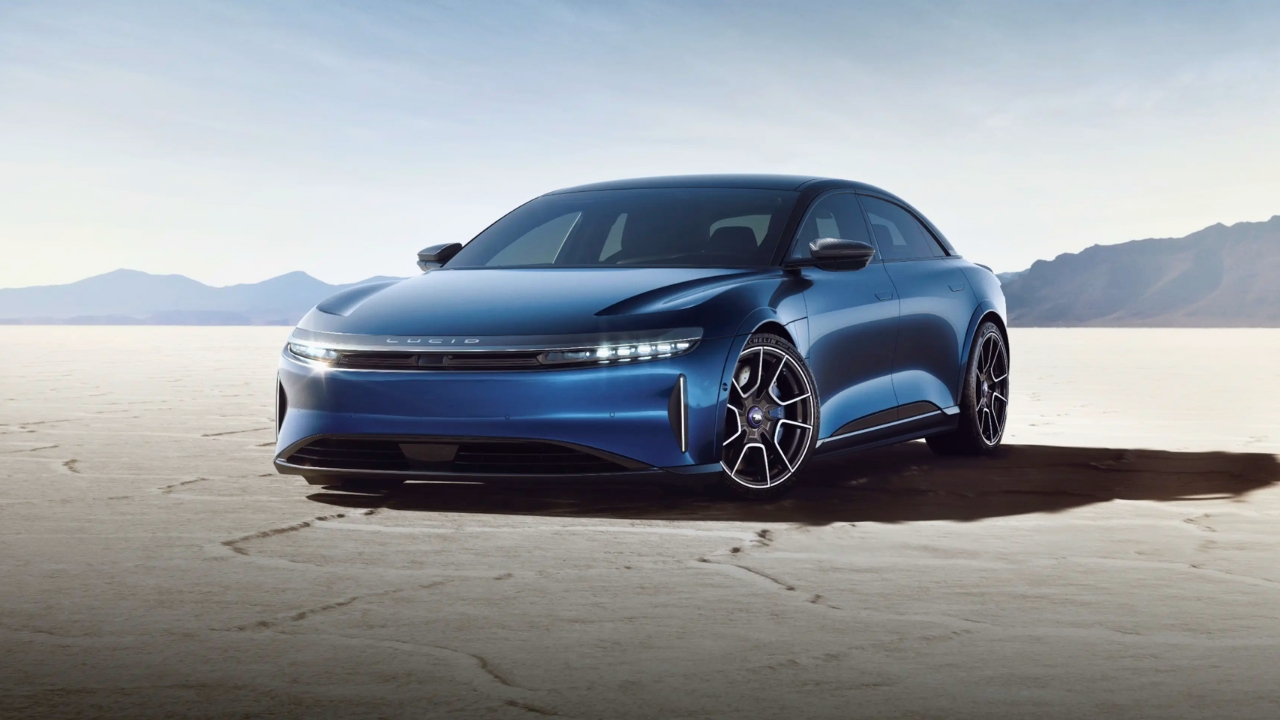
Electric power is pushing the envelope even further. The Air Sapphire, officially the 2024 Lucid Air Sapphire, is described as the quickest production sedan money can buy, with 0 to 60 m performance that reads like a supercar spec sheet on paper and feels even wilder in reality. The broader Lucid Air range underlines how far things have moved: the base Pure RWD model delivers 430 horsepower, while the top-tier Sapphire delivers an astonishing 1,234 horsepower, figures that place it among the quickest production EVs in the world. When a full-size electric saloon with a spacious cabin and big boot can out-accelerate many two-seat exotics, the old hierarchy of “family car versus sports car” starts to look outdated.
Family rockets that outpace Ferraris
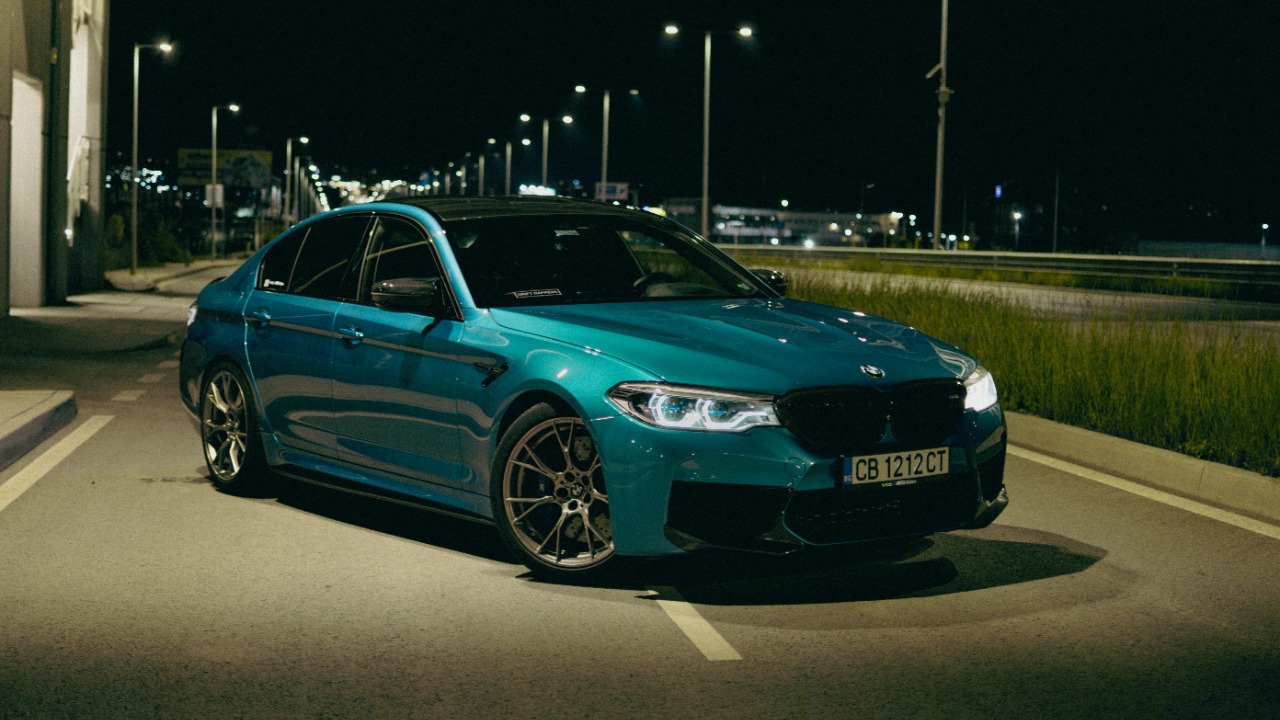
Some of the most striking examples of this trend are cars that are explicitly benchmarked against supercars. The BMW M5 Competition is regularly described as the quintessential sports sedan that merges luxury with blistering speed, with a powerful twin-turbo engine and all-wheel drive traction that allow it to sprint to highway speeds in just over three seconds. That kind of performance has traditionally been associated with Italian exotics, yet here it appears in a roomy four-door with a full suite of comfort features. The same car is also highlighted in markets like the UAE, where the BMW M5 Sedan is known for its lightning-fast action and instant acceleration, with marketing that leans on its ability to conquer both racetrack and open road.
High performance is not limited to low-slung saloons either. SUVs have come a long way in recent times, with performance levels now matching supercars, and models like the Maserati Levante Trofeo illustrate how far the segment has evolved. In rankings of Of The Fastest Non Supercars In The World, Ranked By Top Speed, the Maserati Levante Trofeo is listed with a 188 m top speed, a figure that would have been unthinkable for a tall, family-friendly vehicle a generation ago. When a high-riding SUV from Maserati can keep pace with many sports cars on an autobahn, it shows how the family car brief has expanded to include serious straight-line pace as a matter of course.
Hot hatchbacks and fast family all-rounders
At the more attainable end of the market, hot hatchbacks and fast estates are proving that you do not need a six-figure budget to enjoy sports-car-like thrills in a practical package. The Volkswagen Golf R is often cited as one of the most famous hot hatches you can buy, and in its latest guise it combines a 2.0-litre turbocharged engine with almost a third more power than earlier versions and four-wheel drive. That blend of compact dimensions, strong acceleration and all-weather traction makes it a compelling one-car solution for drivers who want both family usability and weekend fun. The Audi RS5 Sportback takes a similar approach in a slightly larger format, with Audi’s RS5 Sportback described as a proper family car with sportscar-like dynamics and a 2.9-liter twin-turbo V6, Powered to deliver serious pace while still offering four doors and a usable rear bench.
Estate-style performance cars also play a key role in this story. The powerhouse RS6 gets the same front styling as the A7 coupe, so it is arguably the best-looking Audi A6 model, but more importantly it combines that style with huge performance and the ability to carry a family and their luggage. Earlier commentary has even described the RS6, specifically the Audi RS6, as one of the world’s best all-rounders, with Room for 5 passenger and 2 dogs and acceleration that puts it among the greatest family cars of all time. When a wagon can haul pets, kids and kit while still keeping up with serious sports machinery on a fast road, it underlines how far the category has come.
Everyday practicality, track-ready hardware
What makes these cars so compelling is not just raw power, but the way they integrate track-ready hardware into everyday packages. On models like the 2024 Honda Civic Type R, for example, the spec sheet includes a limited-slip differential, an adaptive damper system and Brembo performance brakes. This Honda is still a front-drive hatchback with space for passengers and a boot, yet its chassis components are straight out of the performance playbook, giving it the ability to carry serious speed through corners while remaining composed on a commute. Similar thinking appears in lists of Best Performance Sedans, where models such as the 2026 Dodge Charger are praised for combining Explosive SIXPACK shove with AWD grip and RWD fun, all wrapped in a body that can still handle family duties.
Manufacturers have also realised that buyers want this blend of traits across price points. Nowadays, car manufacturers continue to offer enhanced versions of their everyday family hatchbacks, providing drivers with more power and sharper handling without sacrificing the practicality of their more tame siblings. That trend is visible in everything from compact hot hatches to larger sedans that are secretly muscle cars, with some guides noting that you do not always have to sacrifice speed for the sake of practicality because a select few cars are masquerading as sensible four-doors while still having the power to thrill. It is a response to a market where enthusiasts increasingly expect one car to do it all, rather than maintaining separate machines for weekday and weekend roles.
Electric torque and the future of family speed
Electric powertrains are accelerating this convergence between family car and sports car even further. Instant torque and sophisticated traction control make it relatively straightforward for engineers to deliver crazy-quick 0 to 60 m times and high top speeds, the dynamic duo by which all high-performance cars are judged. When that technology is packaged in a spacious saloon like the Lucid Air Sapphire, the result is a car that can carry four adults in comfort while delivering acceleration that rivals or beats many traditional supercars. The fact that the same platform can also be tuned for a calmer Pure RWD variant with 430 horsepower shows how flexible these architectures have become.
As performance upgrades become more common across the industry, the gap between specialist sports cars and mainstream models is likely to narrow even further. Power figures that were once reserved for drag and circuit cars are now common in factory built performance vehicles, and as those components filter down into family-focused models, the idea of a slow, sensible family car starts to feel outdated. Everyday drivers are already experiencing this shift, with Everyday front-wheel drive family sedans and crossovers now offering levels of grip, braking and acceleration that would have impressed sports car owners not long ago. If anything, the challenge for manufacturers will be to balance this newfound speed with comfort, efficiency and safety, so that the next generation of family cars can continue to match sports cars for excitement without losing sight of their core purpose.


Leave a Reply