
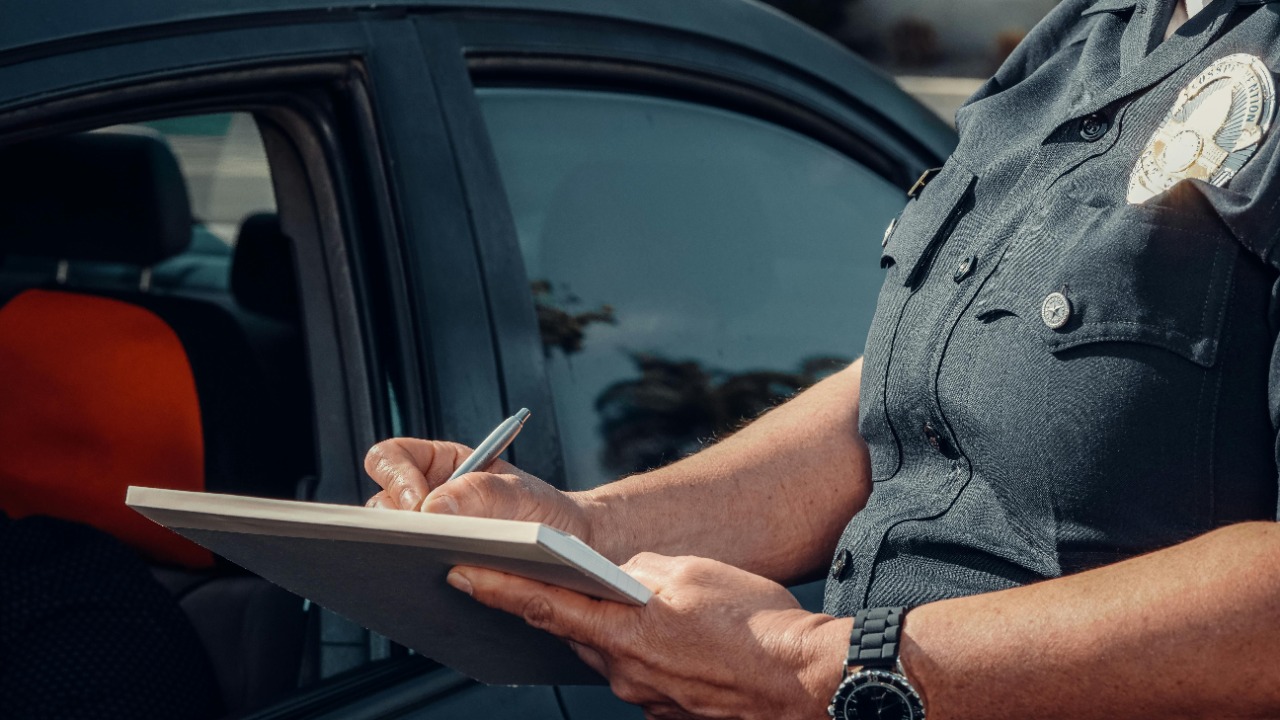
Traffic tickets are not just about speeding and running red lights. Across the United States and the United Kingdom, drivers can be hit with hefty fines, points and even criminal charges for obscure rules that rarely make it into driver’s ed. Many of these laws target everyday behavior, from how you park to what you do in your car after a night out, and ignoring them can quietly drain your wallet.
I want to walk through some of the most surprising rules that still carry real penalties, from “Weird Driving Laws” that sound like punchlines to little-known safety codes that judges and insurers take very seriously. Understanding how these lesser-known regulations work is one of the simplest ways to protect both your license and your bank balance.
Hidden safety rules that carry serious penalties
Some of the most expensive surprises on the road come from safety rules that sound obvious in theory but are easy to overlook in practice. One example is the family of “move over” requirements, which force drivers to slow down and change lanes when they approach stopped emergency vehicles. In Georgia, code 40-6-16, known as The Move Over Law, requires drivers approaching police, ambulances, HERO units and even tow trucks on the shoulder to either change lanes or slow “below the posted speed limit” and be prepared to stop. Violating that rule can bring a fine of up to $1,000, a steep price for what many motorists still treat as a courtesy rather than a legal obligation.
Other safety codes are even more counterintuitive. In some states, it is illegal to drive while using certain prescription or over-the-counter medications if they impair your ability to operate a vehicle, even when you are not over the alcohol limit. Reporting on common mistakes notes that drivers who mix driving with illicit drugs or prescription medications can face the same kind of enforcement as drunk drivers, including license suspension and criminal charges. I see the same pattern with distracted driving: rules that once targeted texting now extend to any handheld phone use, dashboard video watching or even certain types of in-car entertainment systems, and the fines add up quickly when officers treat each instance as a separate violation.
Everyday habits that quietly break the law
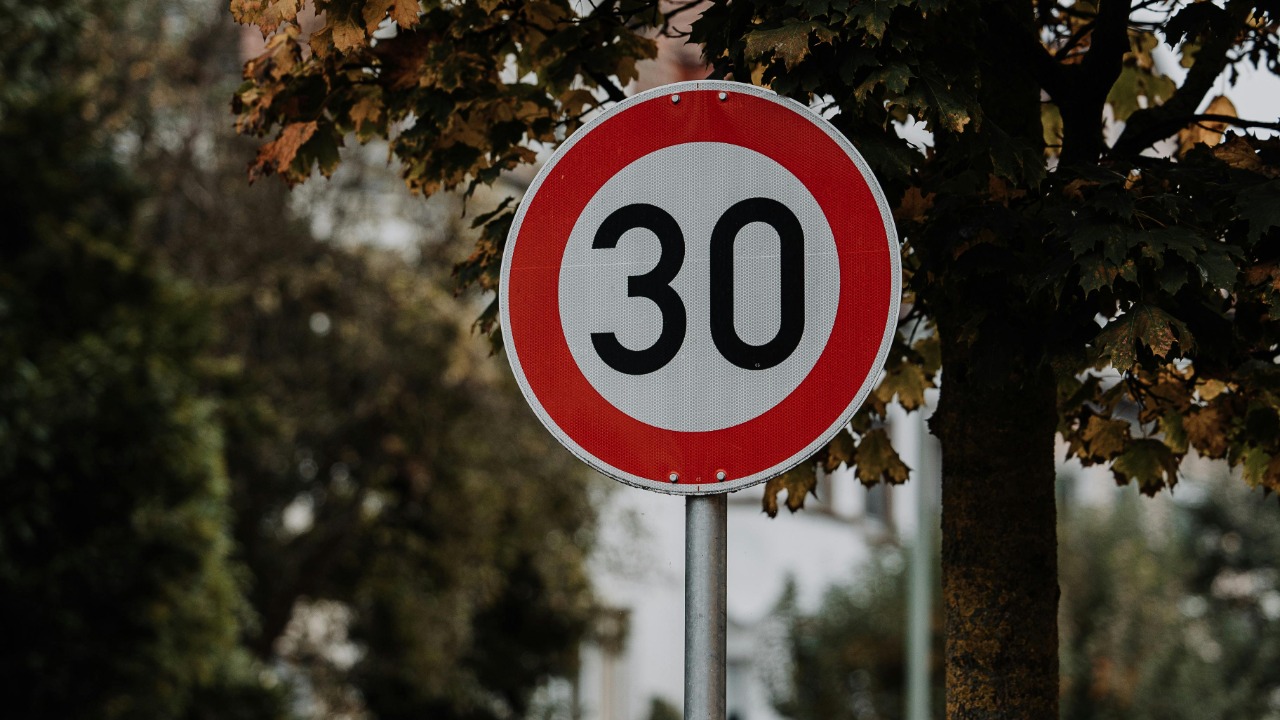
Plenty of drivers assume that if they are not moving, they are not breaking the law, but that is not how many traffic codes are written. In the United Kingdom, for example, guidance on little-known offences highlights that simply resting in your vehicle after drinking can be treated as a crime. One list of SHOCKING rules notes that Sleeping in your car after you have had a few drinks can carry a Penalty of up to 10 points on your license, because the law treats you as “in charge” of the vehicle even with the engine off. That same logic can apply in parts of the United States when someone is found intoxicated behind the wheel with the keys in reach, which is why defense lawyers often warn clients not to “sleep it off” in the driver’s seat.
Even seemingly harmless multitasking can cross the line into illegality. A breakdown of seven surprising rules points out that Drivin while eating, grooming or holding a pet can violate broad distracted driving statutes, depending on the state. The same piece notes that Here are behaviors that feel routine, like scrolling a playlist or glancing at a notification, that might be breaking the law even if your speed is under the limit. In practice, officers often use these catchall rules after a crash, which means a minor fender bender can suddenly come with a citation that spikes your insurance premium for years.
“Weird” local laws that are still enforceable
Then there are the rules that sound like urban legends but remain on the books. In some states, traffic codes still ban behavior that feels ripped from a comedy sketch. One survey of Weird Driving Laws notes that In Alabama, it is illegal to drive while blindfolded, while In Alaska, drivers cannot transport a dog tethered to the roof of a vehicle. A separate rundown of Outrageous Traffic Laws Still Enforced Today singles out Alaska Dog Cargo, explaining that In Anchorage it is a “big no-no” to drive with your dog on the roof. These rules may be rarely enforced, but they give police legal cover to stop a vehicle and can become very real if an animal is injured.
Other states have their own flavor of oddity. A list of Weird Traffic Laws notes that In Denver, it is Illegal to Drive a Black Car on Sunday, a relic of early blue laws that still technically applies. A national roundup of oddities points out that When driving on highways in Utah, birds have the right of way, and that in Hawaii it is against the law for any vehicle to use its hazard lights while moving. Another catalog of state quirks notes that Here is the most bizarre rule in each state, including an ALABAMA provision that makes it illegal for a passenger to interfere with the driver’s view or control of the vehicle.
Parking, positioning and vehicles you might not realize are regulated
Parking rules are another minefield where small mistakes can cost big money. A guide to Strange Traffic Laws in Florida You Never Knew Existed notes that Intersection and curb parking rules can lead to a “hefty fine” if you stop too close to a corner or block visibility. In some cities, simply backing into a space in a municipal lot is prohibited because it hides your license plate from enforcement cameras. Lawyers who track frequently ignored rules note that drivers often forget basic requirements like using turn signals, yielding to pedestrians in crosswalks and obeying lane markings, even though these are exactly the kinds of infractions that appear in crash reports and lawsuits. One New York firm bluntly asks Oct what traffic laws and driving rules are frequently ignored, noting that After a few months behind the wheel, many motorists treat these basics as optional.
Even vehicles that feel more like toys than cars are tightly regulated. Golf carts, for example, are increasingly common in retirement communities and beach towns, but they are not exempt from traffic law. A step-by-step guide to making a cart legal stresses that Uncovering Local Ordinances Never assume state law is the final word, and that Your city or county may require headlights, turn signals, mirrors, seat belts and even specific insurance before you can drive on public roads. In some jurisdictions, carts are banned from roads with speed limits above 35 mph, which means a quick shortcut across a busy arterial can technically count as an illegal operation of a motor vehicle.
How to protect yourself from obscure rules
The common thread in all of these examples is that ignorance is expensive. A British rundown of overlooked offences warns that While most drivers know to avoid major offences like speeding or driving under the influence, lesser-known rules can still lead to fines and penalty points on your licence. In the United States, a separate analysis of quirky regulations notes that Some driving laws that are still on the books are less obvious and less logical, yet remain fully enforceable in various states in the U.S.. Another compilation of oddities underscores that Here are some of the strangest traffic safety laws that remain on the books today and could still technically land you in hot water.
The most reliable defense is to treat driving as a regulated activity, not a casual habit. Auto clubs advise motorists that When in doubt regarding traffic laws in your area, you should consult your state’s motor vehicle bureau or official code, which often link directly to searchable traffic statutes. I would add a practical step: if you are planning a road trip, especially across multiple states, take ten minutes to skim a summary of local rules on issues like phone use, move-over obligations and unusual parking restrictions. That small investment of time is far cheaper than learning about a “little-known” law from the citation tucked under your wiper blade.


Leave a Reply