
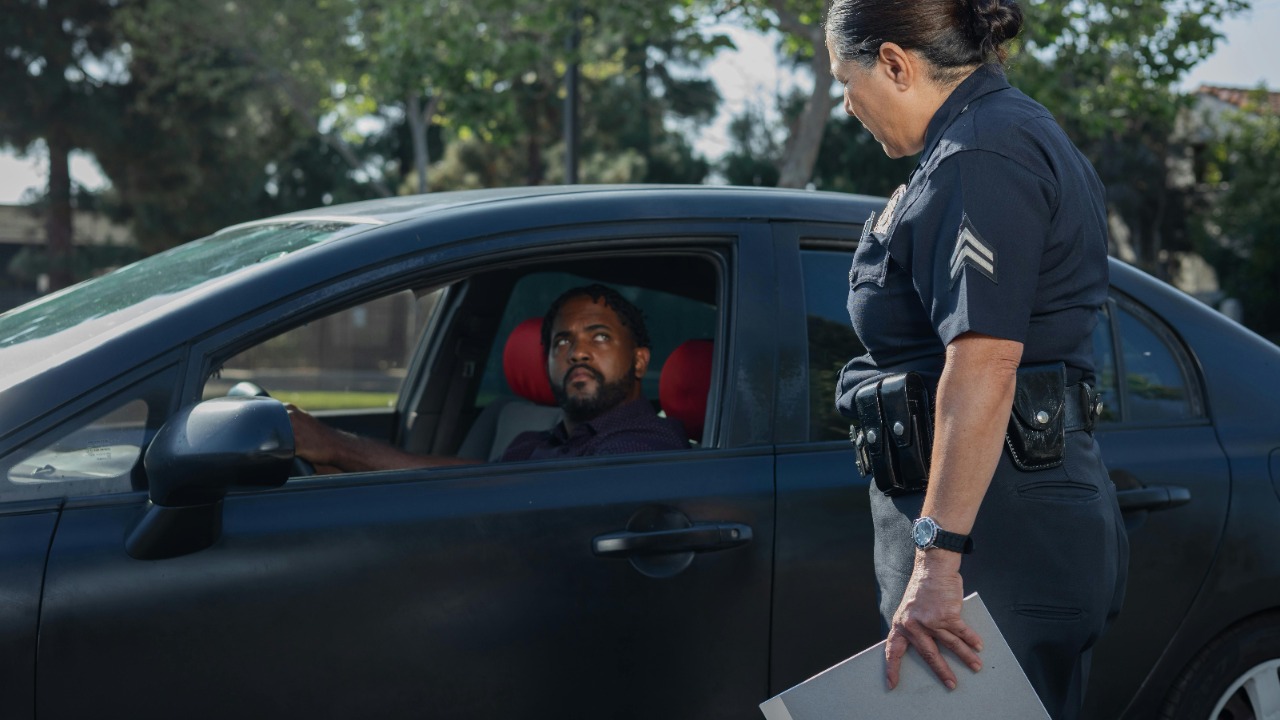
Traffic stops are one of the most common ways people encounter law enforcement, yet they are also among the most legally confusing. What you say, what you refuse to say, and how you say it can shape everything that happens next, from a quick warning to an arrest or search. Knowing in advance which words help you and which ones can hurt you is one of the few things you can actually control once the red and blue lights appear in your rearview mirror.
In practical terms, that means understanding when you must identify yourself, when you can stay silent, and how to clearly refuse a search without escalating the encounter. I approach traffic stops as moments where rights and real life collide, and the smartest drivers are the ones who can calmly use the law’s protections in real time instead of trying to fix a bad conversation later in court.
What you must say: identification and basic information
The first thing that usually happens at a roadside stop is simple: the officer walks up and asks for your license, registration, and proof of insurance. You are legally expected to provide those documents, and refusing to do so can turn a routine stop into a separate offense. Guidance on what to expect makes clear that when an officer asks for these specific items during a traffic stop, you must provide this information even if you intend to challenge the stop later, because the law treats driving as a regulated activity tied to a valid license and vehicle paperwork, not as an open invitation to withhold your identity.
Once you hand over those documents, the line between what is required and what is optional becomes more important. Some legal analyses of traffic stops explain that, assuming a valid traffic stop, drivers generally have to identify themselves but do not have to answer broader questions about their day, their passengers, or where they are headed, even if officers routinely ask them. That distinction is crucial, because it means you can comply with identification rules while still choosing not to discuss anything that might be used against you later, a balance that protects your legal position without turning a minor stop into a confrontation.
What you can refuse to say: your right to remain silent
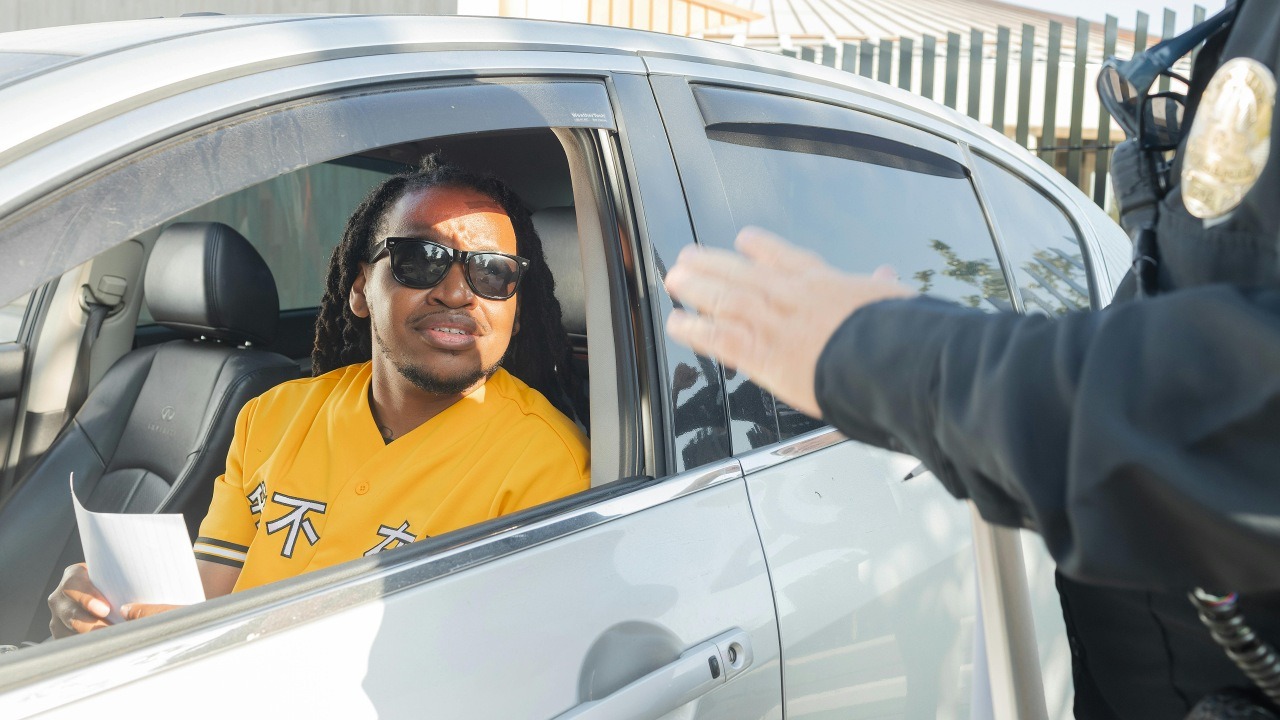
After the basics, most officers move into conversation, asking where you are coming from, whether you know how fast you were going, or if there is anything illegal in the car. Legally, you have the right to remain silent during this questioning, and you do not have to answer any questions about where you are going, where you came from, what you are doing, or whether you are a citizen. Civil liberties guidance on being stopped by police is explicit that you have the right to remain silent, and that officers generally cannot punish you simply for refusing to respond to these kinds of investigative questions.
To make that right meaningful, you usually need to say out loud that you are choosing not to answer. Rights-focused instructions for encounters with police and other agencies emphasize that if YOU want to use YOUR RIGHTS, you should clearly state that you are invoking your right to remain silent and that you want a lawyer if you are being questioned about potential crimes. Criminal defense explanations of the Fifth Amendment Right to Remain Silent note that officers design their questions to gather evidence, not to help you, and that even seemingly harmless answers about where you were driving or who you were with can later be used to build a case. In practice, a calm statement like “I am going to remain silent and would like to speak to a lawyer” is often the safest sentence you can say once basic identification is out of the way.
How to talk to officers without hurting your case
Staying safe in a traffic stop is not only about what you refuse to say, it is also about how you communicate the things you do choose to say. Practical rights education urges drivers to Think carefully about their words, movements, body language, and emotions, and to Keep their hands where officers can see them. I have found that simple habits, like turning off the engine of a 2018 Honda Civic, rolling down the window, placing both hands on the steering wheel, and telling the officer where your documents are before reaching for them, can lower the temperature of the encounter and reduce the risk that a sudden movement is misread as a threat.
At the same time, you can be polite without volunteering information that harms you. Guidance on being stopped by police in public explains that Your rights include the ability to refuse consent to a search and to decline to answer questions beyond basic identification, and that officers should not retaliate against you for refusing to do so. If an officer asks, “Do you know why I pulled you over?” or “How much have you had to drink?”, you can respond with something like, “Officer, I prefer not to answer questions,” while still using a calm tone and respectful language. That approach keeps you from guessing at the officer’s suspicions or admitting to conduct that might not have been obvious until you said it out loud.
Searches, consent, and the power of a clear “no”
One of the most consequential moments in any traffic stop is when an officer asks to search your car. Many drivers do not realize that they can say no, or they worry that refusing will make them look guilty. In reality, rights education on the Fourth Amendment stresses that you can Ask whether you are free to go and clearly state that you do not consent to a search, even if officers have a warrant or claim another legal basis to proceed. If they have independent grounds, they may search anyway, but your refusal can preserve your ability to challenge that search later by making it clear that any search was not voluntary.
Attorneys who dissect police tactics during traffic stops point out that officers often rely on casual conversation to secure consent, using lines like “Mind if I take a quick look?” or “You do not have anything to hide, right?” A legal analysis of these tactics notes that a simple, polite statement like “I do not consent to any searches” is often the most effective response. That sentence is powerful because it is clear, it does not accuse the officer of anything, and it does not invite more questions. If an officer continues to press, you can repeat the same phrase and then return to silence, letting the law, not your words, decide what happens next.
Smart strategies for staying in control of the stop
Knowing your rights is only half the battle; the other half is using them in a way that keeps you physically safe and legally protected. Practical guides on what to Expect During a Traffic Stop recommend planning ahead: keep your license and registration in an easy-to-reach spot, make sure your phone is charged so you can record video with an app like ACLU Mobile Justice or built-in camera tools, and tell passengers, including teenagers, not to argue with officers on your behalf. When everyone in the car understands that only one person should speak for the group and that silence is an option, you reduce the chances that a stray comment from the back seat becomes a new line of questioning.
Legal commentary on traffic stops also underscores that the driver and passengers have distinct roles. One detailed review of Driver and Passenger Rights & Responsibilities explains that, assuming a valid traffic stop, the driver generally must identify themselves and answer limited questions related to licensing and insurance, while passengers usually do not have to provide identification unless there is a specific legal basis. That means you, as the driver, should be prepared to handle the conversation, while passengers can calmly state that they choose not to answer questions if officers turn to them. In my view, the most effective strategy is a combination of preparation, minimal but respectful speech, and a firm grip on the key phrases that protect you: “I am providing my license and registration,” “I do not consent to any searches,” “I am going to remain silent,” and “Am I free to go?”




Leave a Reply