
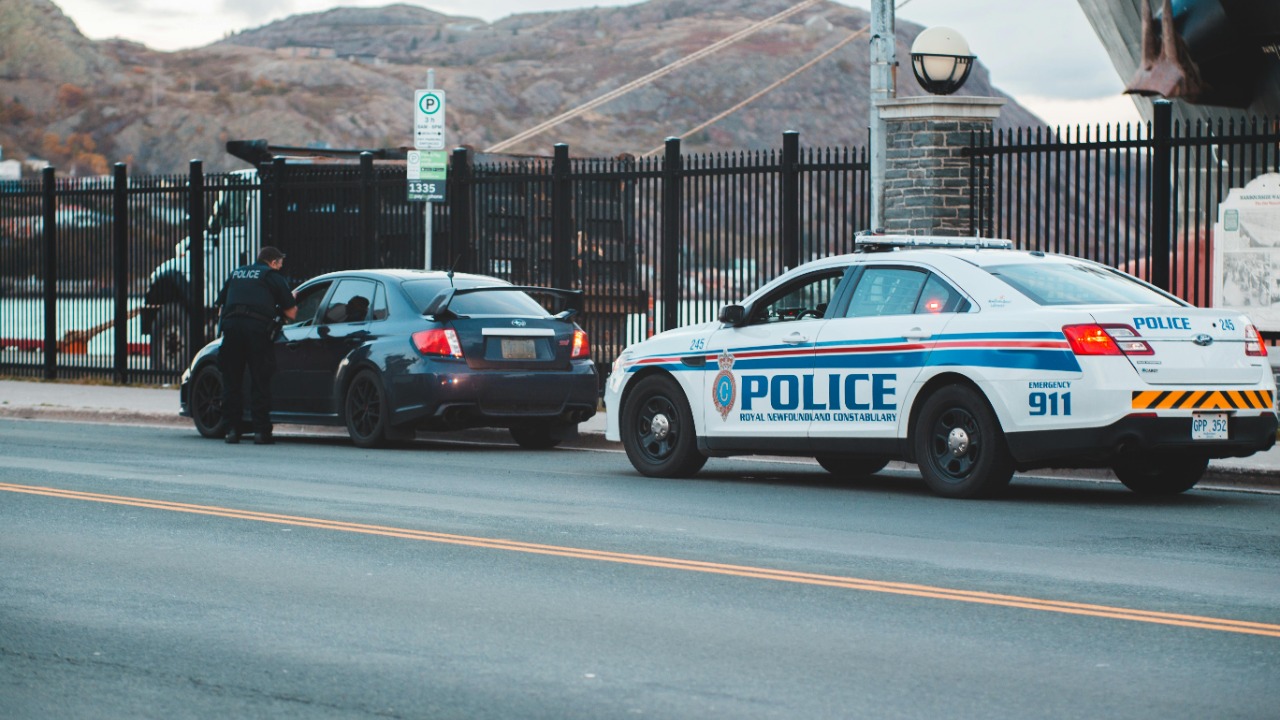
Traffic stops are stressful enough without a patrol car’s spotlight on your rear bumper and an officer asking to see what is in your trunk. The law does not give police a blank check to rummage through your vehicle, but it also does not make your trunk an untouchable safe. The real rules sit in the middle, and understanding them before you see flashing lights can shape what happens at the side of the road.
At the heart of the issue is when you must say yes, when you can say no, and when your answer does not matter because an officer already has legal authority to open that trunk. I want to walk through those lines clearly, using the same constitutional principles officers are trained on, so you know what the law actually expects from you during a stop.
The Fourth Amendment and how it applies to your trunk
Any conversation about trunk searches starts with the same foundation: as an American, you have constitutional rights that limit government intrusion into your privacy. Under the Fourth Amendment, police generally cannot search your car unless they have a warrant, your consent, or a legally recognized exception that makes a warrant unnecessary, and that protection extends to the closed spaces of your vehicle, including the trunk, even when you are only stopped to ensure valid registration or a minor traffic issue. Legal guides that explain how police may search without a warrant stress that these limits are not technicalities, they are the core of how courts balance public safety with individual rights for every American driver under the Fourth Amendment.
Courts treat vehicles differently from homes because cars are mobile and heavily regulated, which is why the so‑called automobile exception allows officers to search a vehicle without a warrant if they have probable cause to believe it contains evidence of a crime. Legal analysis that focuses on Understanding the Fourth Amendment and Vehicle Searches explains that The Fourth Amendment still applies, but the Constitution lets officers act more quickly around cars than houses because evidence can literally drive away. That is the tension you feel during a stop: your trunk is protected by the same United States Constitution that guards your front door, yet the rules for when police can open it are more flexible once you are on the road.
When officers can open your trunk without your consent
Even if you politely refuse a search, there are situations where an officer can still get into your trunk without asking again. If an officer has probable cause that evidence or contraband is in your vehicle, the automobile exception allows a search of any area where that evidence could reasonably be found, which can include the trunk of a Honda Civic or a Ford F‑150 as easily as the glove box. Training materials used for law enforcement, labeled simply as General guidance, explain that during a lawful stop an officer may also “frisk” a suspect if there is a reasonable and articulable suspicion the person is armed and dangerous, and that same safety logic can justify checking parts of a vehicle for weapons if specific facts support the concern.
Courts have also carved out exceptions for searches tied directly to an arrest. If you are arrested at the scene, officers may search areas of the vehicle that are within your reach or that are reasonably believed to hold evidence related to the offense, a concept often described as a search “incident to the arrest.” Practical guides that answer When Can a Police Officer Search My Car explain that this can include closed containers and, in some circumstances, the trunk, especially if officers have specific reasons to think the trunk holds evidence of the crime that led to the arrest. The key is that officers must be able to point to concrete facts, not just a hunch, to justify going beyond the passenger compartment.
Is your trunk treated differently from the rest of the car?

From a driver’s perspective, the trunk feels more private than the back seat, but the law does not draw as sharp a line as you might expect. Legal commentary on Probable Cause and Your Fourth Amendment Rights notes that The Fourth Amendment to the United States Constitution protects you from unreasonable searches and seizures, but a 1925 Supreme Court decision created the automobile exception that lets officers search a car, including the trunk, when they have probable cause. That means if an officer smells marijuana, sees an open container, or spots what looks like burglary tools in plain view, those facts can justify a search that reaches into the trunk because the suspected evidence could logically be stored there.
Where the trunk does get special treatment is in the context of random or purely administrative checks. During a routine traffic stop for something like a broken taillight on a Toyota Camry, an officer cannot simply decide to open your trunk without either your consent or a recognized legal basis such as probable cause or a search incident to arrest. Legal guides that walk through whether your trunk is protected during a random search emphasize that officers must connect the search to a legitimate investigative need, not curiosity, and that the United States Constitution does not allow a fishing expedition just because you were pulled over for a minor violation under The Fourth Amendment framework that governs every roadside encounter.
What it really means to “refuse” a trunk search
Knowing you can say no is one thing, understanding what happens after you refuse is another. In Florida, for example, drivers are explicitly allowed to decline a search of their vehicle, including the trunk, but legal analysis of Police Vehicle Search Requirements makes clear that this denial does not automatically stop a search if officers already have independent grounds, such as probable cause or a valid arrest, to look inside. In practice, that means your refusal preserves your rights and can affect how evidence is treated later in court, but it does not override an officer’s separate legal authority if it already exists.
Attorneys who focus on vehicle searches in Florida explain that drivers are often advised to calmly state that they do not consent to any searches, then avoid interfering with the officer’s duties. One guide that answers whether police can search a car without a warrant in Florida notes that under both Florida and federal law, The Automobile Exception to the Warrant Requirement allows officers to search a vehicle when they have probable cause, even if the driver has clearly refused consent, and it encourages motorists to say something as simple as “I do not consent to any searches” so the record is clear Under the Automobile Exception. I see that advice as a way to assert your rights without escalating the encounter, which can matter as much as the legal theory when you are standing on the shoulder of the highway.
Special rules for Florida drivers and impounded cars
State law can add extra layers on top of the federal baseline, and Florida is a good example of how those details matter. Legal commentary that asks Can Police Search Impounded Cars Without a Warrant in Florida explains that once a vehicle is impounded, officers may conduct an inventory search to document its contents, both to protect the owner’s property and to shield the agency from claims of theft or damage. That inventory can lawfully uncover contraband or evidence, and if officers follow established procedures, courts often treat the resulting discovery as valid even though the driver is nowhere near the car and never consented to the search.
Florida law also interacts with federal standards in more routine roadside encounters. A guide that breaks down what Florida drivers need to know about warrantless car searches explains that Mar and Feb references in legal discussions are less important than the underlying rule: Here, Florida follows the same core principles as federal law, recognizing The Automobile Exception to the Warrant Requirement Under both systems while also allowing state courts to interpret how those principles apply to local policing. For a driver in a 2022 Chevrolet Malibu on I‑95, that means the same basic advice holds: be clear if you do not consent, understand that officers may still search if they have probable cause or an arrest, and remember that how you handle the interaction can shape what a judge later decides about anything found in your trunk.
How to protect your rights during a trunk search request
Knowing the doctrine is useful, but in the moment, what you say and do matters just as much as what the Constitution says on paper. Legal guides that explain when police can search without a warrant warn that reports of arrests at minor traffic stops sometimes reflect officers pushing the limits of their authority, and they encourage drivers to stay calm, keep their hands visible, and avoid sudden movements while still asserting their rights as an American motorist Can Police Search Without a Warrant. In practical terms, that means you can say something like, “Officer, I do not consent to a search of my vehicle,” without raising your voice or stepping out of line, then let the officer decide the next move.
At the same time, legal commentary on The Fourth Amendment and vehicle searches stresses that you should not physically block or interfere with an officer who decides to search anyway, because resisting can lead to separate charges even if the search itself is later ruled improper. I see the most realistic strategy as a two‑step approach: clearly state that you do not consent to any search of your trunk or the rest of the car, then comply with lawful commands and save the legal arguments for a lawyer and a judge. That way, you preserve your Fourth Amendment protections, create a record that you did not voluntarily invite the search, and reduce the risk that a tense roadside conversation turns into something worse.



Leave a Reply