
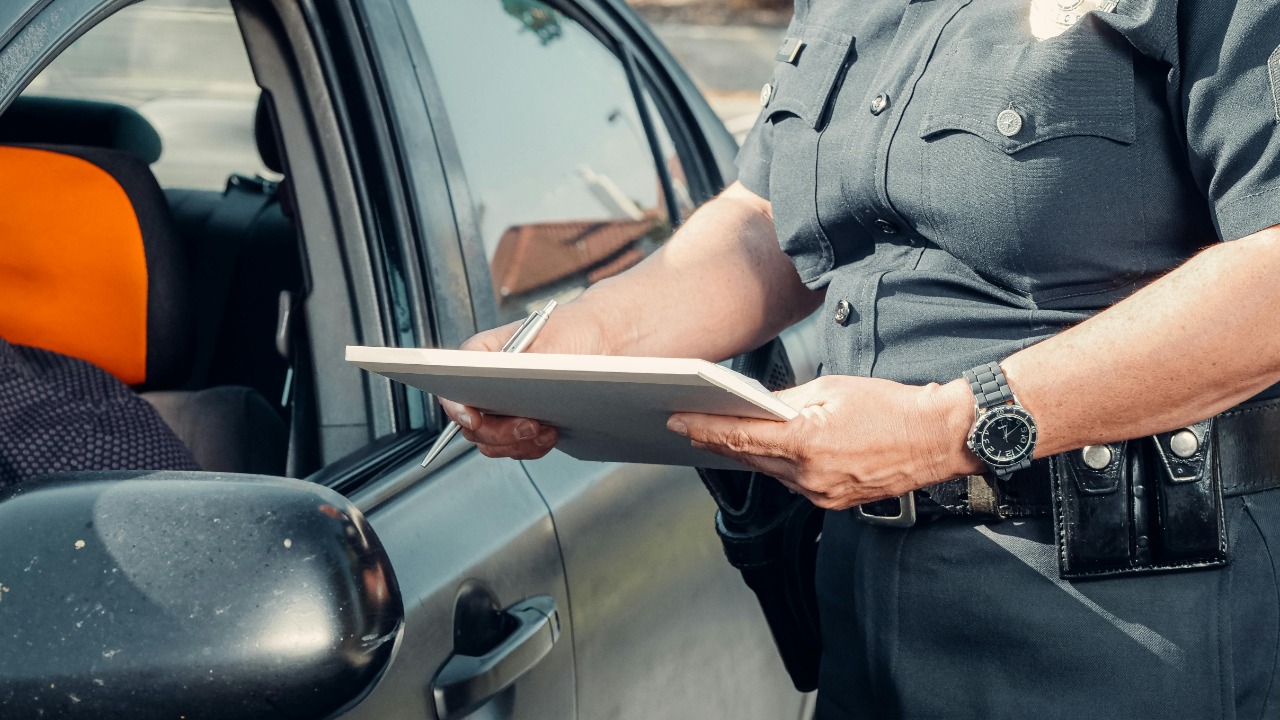
Traffic stops rarely feel random. Officers are trained to look for specific patterns behind the wheel, and certain behaviors all but guarantee their attention. The habits that draw that scrutiny are also the ones most likely to end in a crash, which means avoiding them is as much about staying alive as it is about staying out of the breakdown lane with flashing lights in the mirror.
From creeping a few miles per hour over the limit to juggling a phone at a red light, the small shortcuts drivers take every day are exactly what patrol units are watching for. I am going to walk through the behaviors that most reliably trigger a stop, why they stand out so quickly, and how to replace them with safer routines that keep both you and everyone around you out of harm’s way.
Speeding and aggressive moves that scream “pull me over”
Nothing catches a patrol car’s eye faster than a driver who treats the speed limit as a suggestion. Even modest speeding changes how a vehicle looks in traffic, which is why officers are trained to spot a car that is overtaking others too quickly or darting between lanes. Guidance on common enforcement targets makes it clear that Speeding, Even a Little is one of the first habits officers look for, and that is before a driver starts stacking on other violations like failing to signal or cutting off slower traffic.
Speeding rarely travels alone, which is why aggressive maneuvers are such a red flag. Rapid lane changes without signaling, weaving through gaps, and late, hard braking all suggest a driver who is impatient or impaired. Safety advocates list Tailgating as a classic example of this kind of behavior, because following too closely both intimidates other drivers and leaves almost no time to react if someone ahead has to stop. When an officer sees a car riding bumpers, surging past the flow of traffic, or diving across multiple lanes to make an exit, that cluster of choices looks like a crash in progress, and a stop becomes almost inevitable.
Phone use and distraction that officers can spot from a mile away
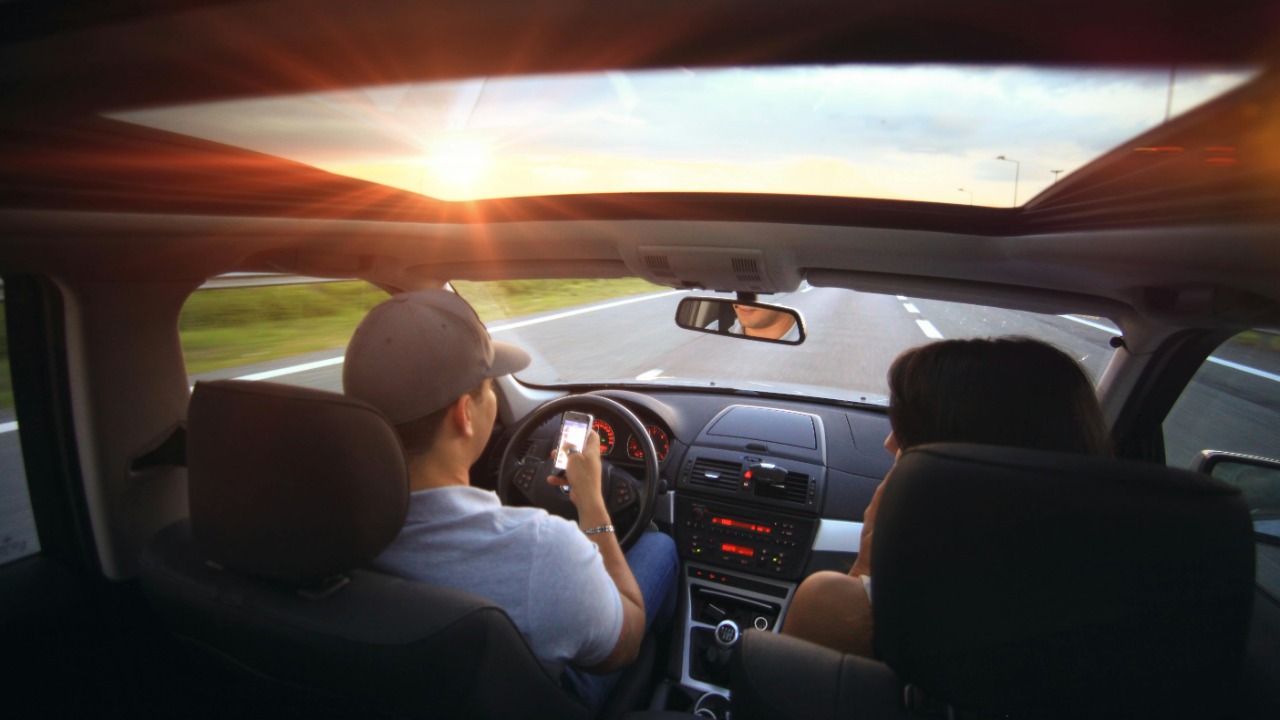
Distracted driving is one of the most reliable ways to invite a traffic stop, because it changes how a car moves long before an officer ever sees a phone. Safety experts consistently rank Bad Driving habits like drifting in the lane, delayed reactions to brake lights, and inconsistent speeds as telltale signs that someone’s attention is not on the road. When I see a vehicle that lags at green lights or brakes late at every intersection, I can almost guarantee there is a screen glowing just out of sight.
Using a phone while driving is not just risky, it is often illegal, and enforcement guidance singles out Using Your Mobile Phone While Driving as a behavior that officers are trained to look for. Even when drivers think they are being subtle by holding a device low in their lap, the clues are obvious from outside the car: heads bobbing down, one hand on the wheel, and a vehicle that cannot hold a steady line. Insurance and safety briefings put Driving distracted at the top of the list of habits that lead to tickets and collisions, and officers know that stopping a texting driver today can prevent a far more serious crash tomorrow.
Impairment, following distance, and other safety red flags
Some behaviors are so tightly linked to deadly outcomes that officers are almost obligated to investigate them. Alcohol and drug impairment sit at the top of that list. Federal safety data show that Every day in the United States, roughly 30 people die from alcohol-related driving accidents according to National Highway Traffic Safety Administration figures, a toll that shapes how aggressively officers respond to any sign of impairment. A car that drifts over lane lines, brakes for no reason, or hesitates through intersections is not just annoying, it fits the pattern of a driver who may be under the influence, and that is exactly the kind of pattern patrol units are trained to stop and check.
Even when alcohol is not involved, poor space management on the road is a magnet for enforcement. Following too closely, cutting into gaps that are too small, and braking late all suggest a driver who is not leaving enough margin for error. Legal and safety analyses of Tailgating point out that this habit is both a leading cause of rear-end crashes and a behavior that other drivers often report because it feels so threatening. When officers see a car glued to another’s bumper or repeatedly forcing its way into tight spaces, they are not just looking at a courtesy issue, they are seeing a clear violation of basic safe following distance rules that justifies a stop.
Signals, lane discipline, and the small mistakes that get big attention
Not every stop starts with dramatic speeding or obvious impairment. Often it is the small, repeated lapses that draw an officer’s eye, especially when traffic is heavy. Failing to signal, drifting between lanes, and rolling through stop signs all fall into this category. Legal guidance on Commonly Forgotten Safe Driving Habits stresses how often drivers either forget to use their indicators or switch them on too late, which leaves everyone around them guessing. When I watch a car change lanes without signaling or tap the brakes at a stop sign without fully pausing, I am seeing the same behaviors officers are trained to treat as probable violations.
Using turn signals properly is one of the simplest ways to avoid that kind of attention, yet it is also one of the most neglected. Safety checklists urge drivers to Use Your Turn Signals Early and to keep them on until the maneuver is complete, because that gives surrounding traffic time to react. When a driver instead makes sudden lane changes, cuts across solid lines, or merges at the last second without any warning, it looks reckless even if the speed is modest. Officers know that these small infractions often accompany bigger issues like distraction or fatigue, so a pattern of sloppy signaling or lane discipline can be enough on its own to justify pulling a car over for a closer look.
How officers read your behavior long before the lights come on
By the time a driver sees red and blue lights in the mirror, the decision to stop that vehicle was usually made several seconds earlier based on a cluster of cues. Training materials and real-world breakdowns of traffic stops show how officers watch for inconsistent speeds, late braking, and wandering within the lane, then confirm their suspicions with radar or a closer look. In one widely shared explainer, a patrol officer walks through a typical encounter that starts with a simple speeding observation and a driver admitting, “my bad, I wasn’t paying attention,” a scenario captured in a video titled How to Never Get Pulled Over Again. The lesson is not that charm gets you out of a ticket, but that the behavior that triggered the stop was obvious long before the conversation at the window.
From my perspective, the most effective way to avoid that situation is to treat safe habits as nonnegotiable rather than optional. Insurance and safety guides on Driving distracted, tailgating, and rolling through signs all emphasize that these are choices, not accidents. When drivers commit to simple rules like keeping phones out of reach, maintaining a generous following distance, and signaling every lane change, they dramatically reduce both their crash risk and their odds of being singled out in traffic. Officers are not looking for perfection, but they are trained to act when they see patterns that match the behaviors most likely to end in a collision, and those patterns are exactly the ones every driver has the power to change.

Leave a Reply