
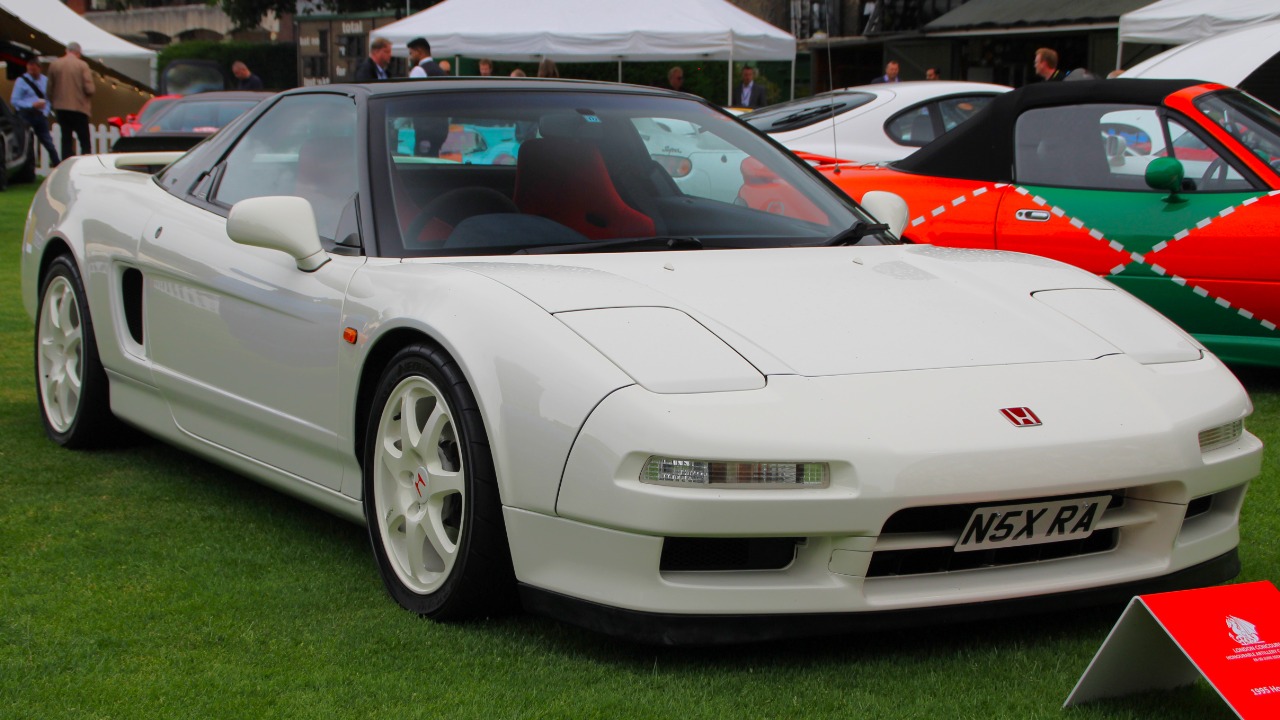
The Honda NSX-R never tried to win the numbers game, yet it repeatedly embarrassed louder, more powerful rivals by turning engineering restraint into a weapon. Instead of chasing headline horsepower, Honda treated the NSX-R as a laboratory for feel, balance, and feedback, proving that in the right hands, precision can rewrite the pecking order. The result is a car that still shapes how I think about performance long after its spec sheet stopped looking impressive on paper.
The origin story: a purist’s NSX with a racing soul
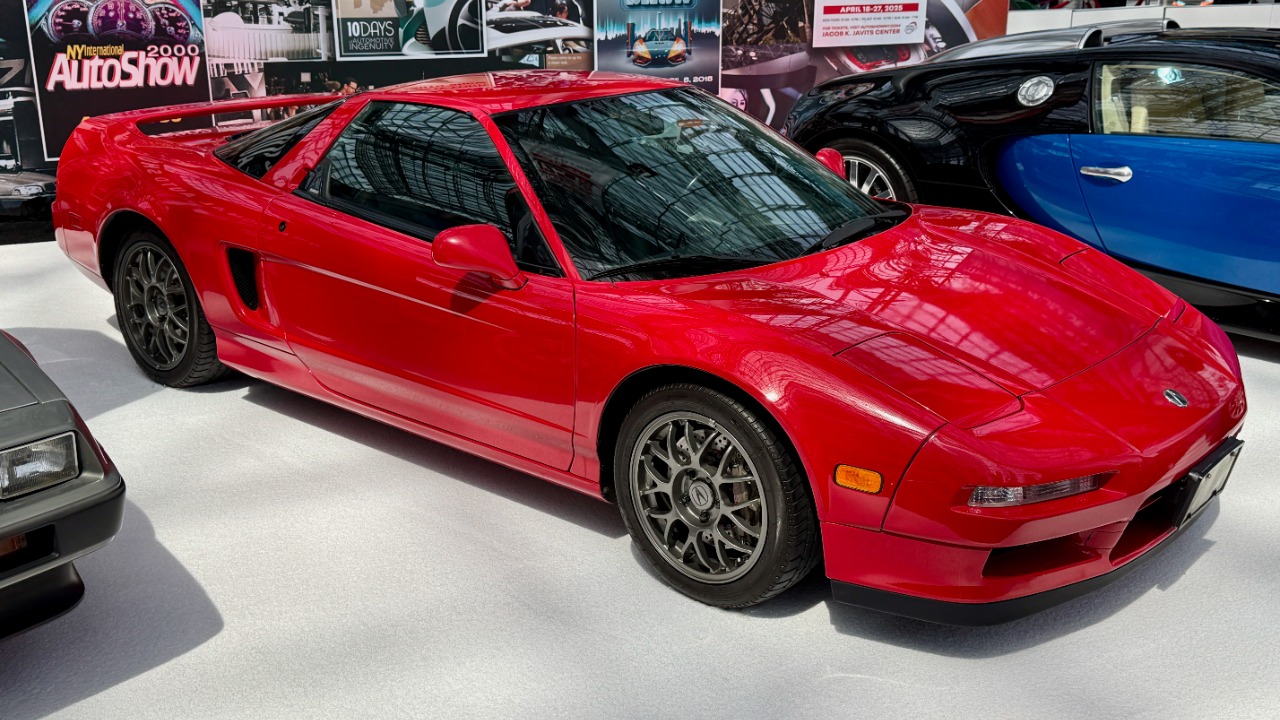
When I look at the first Honda NSX Type R, I see a company that was willing to strip away comfort and ego to chase something more interesting than raw speed. The Model Overview and Production history makes it clear that the Honda NSX Type R, also known as the NSX-R, was a high-performance variant of the NSX that arrived in the early 1990s and was exclusively available in Japan. Honda took the already radical aluminum NSX and recast it as a road-legal track car, cutting weight, sharpening responses, and dialing up the connection between driver and chassis instead of chasing a bigger engine.
That philosophy meant the NSX-R never relied on brute force to make its point. The standard NSX was already quick, with the same powertrain capable of launching from 0 to 60 miles per hour in just 5.2 seconds, yet Honda chose not to chase turbocharged rivals. Instead, the company leaned into the naturally aspirated character of the NSX and focused on how the car communicated at the limit, a decision that would define the NSX-R’s legacy far more than any acceleration figure.
How “Modifications To How The Car Drove” beat more power
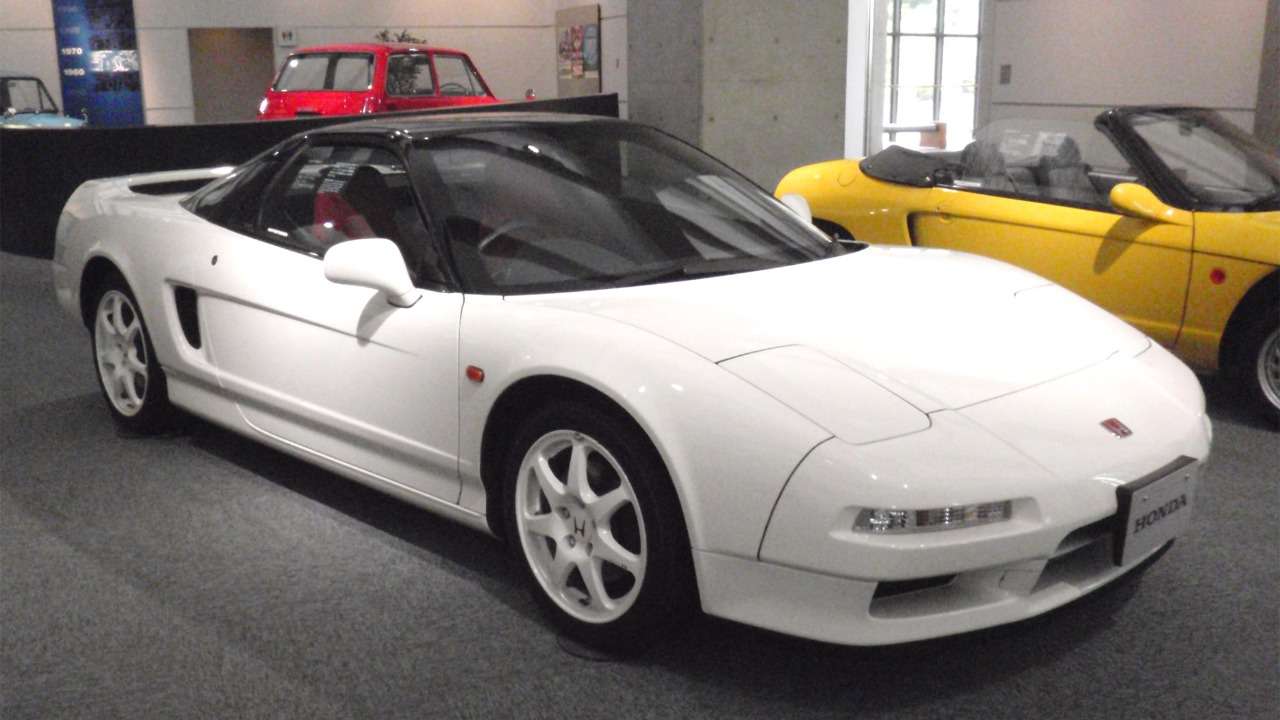
The genius of the original NSX-R lies in how Honda re-engineered the way it behaved on the road and track. Rather than simply removing weight and calling it a day, engineers made deep Modifications To How The Car Drove, tweaking suspension geometry, damping, and alignment to change the car’s balance and response. The reporting makes clear that the changes were not confined to removing components, and that the tuning even altered the oversteer tendency of the car, which shows how far Honda went to reshape its character without touching the core engine design.
What strikes me is how deliberately Honda left the engine “pretty much” alone while pouring effort into steering feel, chassis rigidity, and weight distribution. That choice turned the NSX-R into a car that rewarded commitment rather than casual throttle stabs, a trait that still resonates with drivers who value nuance over noise. When I read that the modifications were aimed at the driving experience with the NSX rather than headline power, it underlines how the NSX-R proved that a carefully honed platform can outshine rivals that rely on bigger numbers but offer less confidence at the limit.
NA2 evolution: when Honda doubled down on precision
By the early 2000s, the performance world had moved on, at least on paper. Porsche had rolled out the water-cooled 996-generation 911 and its GT3, while Ferrari’s 360 Modena raised expectations for mid-engine performance. Instead of walking away, Honda answered with the second-generation NSX-R, internally designated NA2, which arrived in May of 2002 exclusively for the Japanese domestic market. The description of how Honda used the NSX platform, even after roughly 15 years, to take on newer rivals shows how much faith the company had in its original engineering.
What really underlines the NSX-R’s precision-first philosophy is how the NA2 car attacked aerodynamics and weight instead of chasing a bigger engine. The official announcement explains that the new NSX-R represents a pure sports edition, with newly developed aerodynamic devices and specialized tuning for the suspension, steering, and control systems. That focus on airflow and chassis tuning, rather than raw output, is exactly how Honda managed to keep an aging architecture competitive against more powerful, more modern machinery.
Aero, “Downforce” and the art of feeling planted
One of the quiet revolutions behind the NSX-R’s dominance is how Honda used aerodynamics to make the car feel calm at speeds that would rattle less sorted machines. The second-generation car introduced extensive carbon fiber components, including a hood with outlet duct, a finned front under-cover, a rear diffuser, and what was described as the world’s first one-piece hollow-form carbon fiber rear spoiler in a production vehicle. These parts were not cosmetic; they were designed to generate significant negative lift and to balance Downforce front to rear so that straight-line driving at constant speed translated into improved high-speed vehicle handling.
That even distribution of aerodynamic load is exactly the kind of detail that separates a car that feels nervous from one that invites you to lean harder on it. When I picture the NSX-R carving through a fast sweeper, I think about how that straight-line stability gives the driver the confidence to brake later and carry more speed, which is where lap times are really made. The fact that the technology discussion explicitly ties a balanced front-to-rear aero profile to better control at speed shows how Honda treated airflow as another tuning tool, not just a styling exercise.
Suspension, weight, and why “All this in a lightweight package” matters
Underneath the NSX-R’s bodywork, the suspension tells the same story of precision over power. The car’s reputation as the Second-Gen NSX Is Honda Ultimate Supercar Sleeper rests heavily on its precision-tuned suspension, which was designed to make the car feel equally at home on winding roads or attacking a racetrack. Reporting on how the Second-Gen NSX uses its chassis tuning to stay composed under hard use reinforces the idea that Honda saw damping, spring rates, and geometry as the real performance levers, not just the engine bay.
That approach mirrors a broader performance lesson I see echoed even outside the car world. In powersports, for example, one report describes a machine that delivers “All this in a lightweight package with less unsprung weight than competitive designs for a better ride and improved control.” The way that line about All the benefits of reduced unsprung mass translates into better control could just as easily be describing the NSX-R’s obsessive weight-saving and suspension tuning. In both cases, the message is the same: shave mass where it matters, tune the suspension carefully, and the result is a machine that feels more alive and more trustworthy than heavier, more powerful rivals.
Why “Nominating the Honda NSX” still feels obvious today
Decades on, the NSX-R’s reputation has only grown, and I think that has everything to do with how it rewards commitment rather than casual use. One writer put it bluntly by saying that Nominating the Honda NSX for a list of the most significant cars of the last 25 years was the most natural thing in the world, because the car speaks to drivers who are eager for ever more commitment. That sentiment, captured in a reflection on Nominating the Honda NSX, gets to the heart of why the NSX-R still matters: it is a car that gives back exactly what you put in, and it does so with clarity rather than intimidation.
That same reverence comes through when enthusiasts talk about the NSX-R in more personal formats. In an episode of Automobiles of Distinction, host Matthew Ivanho introduces his show by thanking viewers for coming back and then dives into the kind of obsessive detail that only a true believer would bother to share. The way Automobiles of Distinction frames Matthew Ivanho’s appreciation for engineering nuance mirrors how the NSX-R has become a touchstone for people who care about feel, balance, and feedback more than dyno charts. Listening to that kind of conversation, I am reminded that the NSX-R’s real power lies in how it makes enthusiasts talk, think, and drive differently.
The NSX-R’s lasting lesson: precision as a performance philosophy
When I step back from the technical details, what stays with me is how consistently the NSX-R chose the harder path. Instead of chasing ever larger outputs, Honda doubled down on chassis tuning, aerodynamics, and driver connection, even as rivals leaned on forced induction and electronic aids. The story of the NSX, from the early NA1 Honda NSX Type R to the later NA2 evolution, shows a company that believed a well-sorted platform could stay relevant long after its spec sheet stopped grabbing headlines, and the way the NSX remained exclusively available in Japan in its purest forms only adds to that sense of focus.
Even now, when I see modern supercars chasing ever more complex hybrid systems and towering power figures, the NSX-R feels like a quiet counterargument. It reminds me that a car can be transformative without being the fastest in a straight line, that a carefully tuned suspension and balanced aero package can matter more than another 50 horsepower, and that a driver who trusts their machine will always be quicker than one who is fighting it. In that sense, the NSX-R did more than prove that precision can dominate pure power; it laid down a blueprint for how performance can feel when every decision, from newly developed aero to suspension tuning, is made in service of the driver rather than the spec sheet.


Leave a Reply