
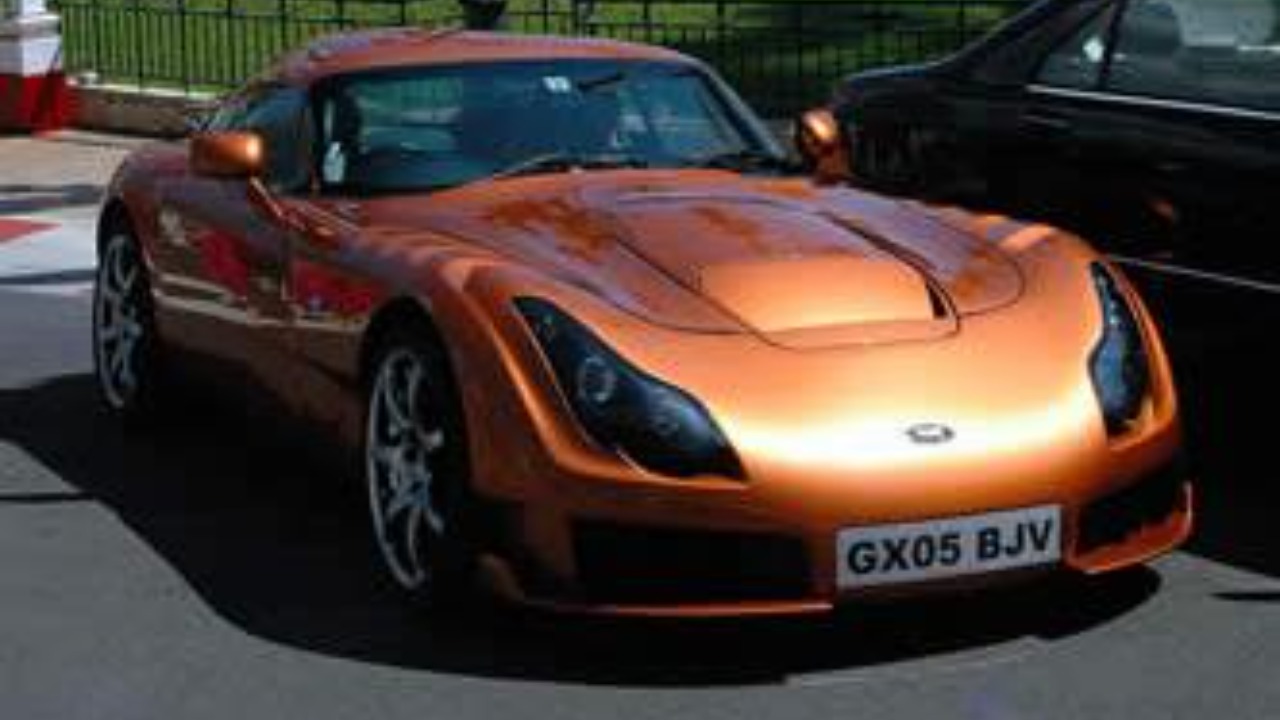
The TVR Sagaris is one of those rare cars that looks like it is mid‑accident even when it is just sitting at a red light. Every crease, vent and vibration hints at a fight between physics and bravado, and that tension is still palpable decades after it first appeared. I want to understand why this particular TVR still radiates menace at idle, long after most supercars have been tamed by software and safety systems.
Part of the answer lies in the way the Sagaris was conceived, part in how it behaves mechanically, and part in the mythology that has grown around it. Put together, those strands explain why the car still feels like a barely domesticated race machine, even when the engine is only ticking over and the wheels are motionless.
The wild brief: a race car for the road, built the old TVR way
When I look back at how the project started, the intent was never subtle. The Sagaris arrived after TVR had already built a reputation for brutal, analogue coupes, and the company leaned into that image rather than away from it. The car made its public bow at the MPH03 Auto Show, then appeared again in Birmingha as a pre‑production tease, and from the outset it was pitched as a track‑inspired machine that just happened to wear number plates. That origin story matters, because it means the Sagaris was never meant to be calm or discreet, even at a standstill.
The design brief was backed up by a very traditional, almost stubborn approach to engineering. TVR was still building cars largely by hand, and owners and enthusiasts now talk about how that Production method made it hard to scale and to modernise. The same culture also shaped the Sagaris itself, from its exposed side‑exit exhausts to its uncompromising cabin layout. It is the product of a small British outfit that prized drama over polish, and that philosophy is written into the way the car looks and feels before you even twist the key.
Styling that shouts “danger” before the engine even fires
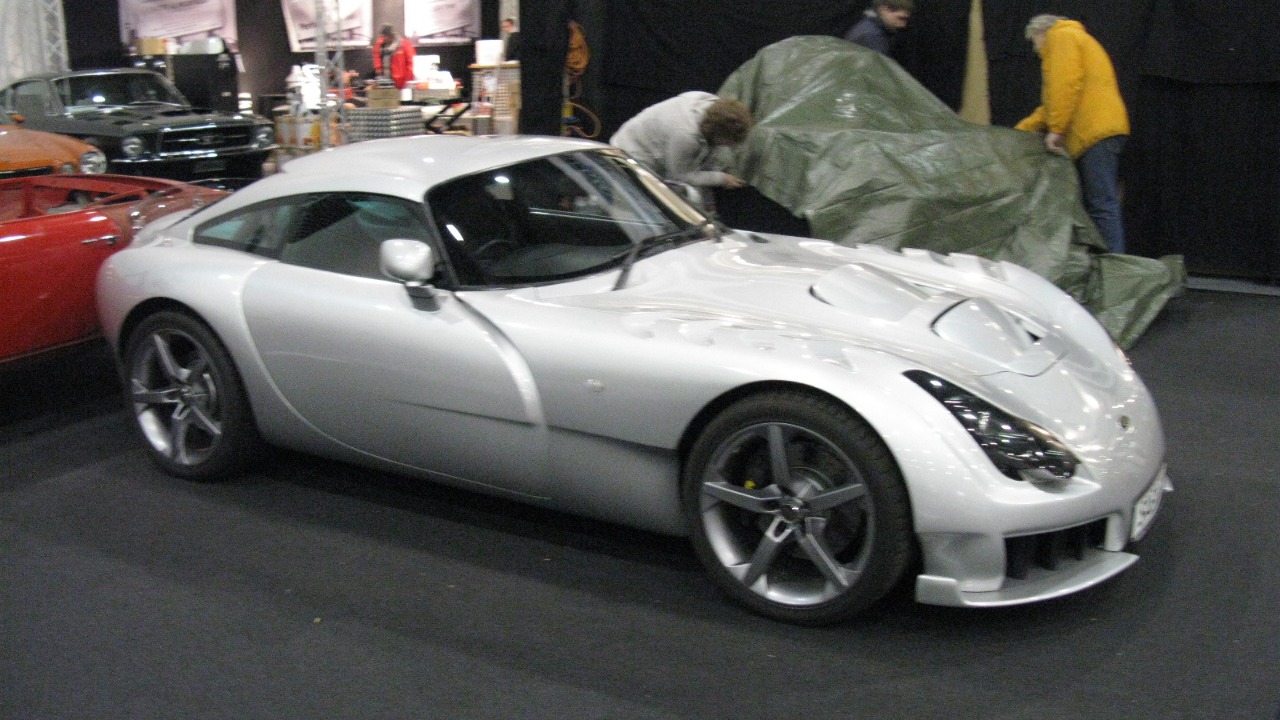
Even parked and silent, the Sagaris looks like it has been weaponised. The bodywork is a riot of vents, slashes and protrusions, a look one reviewer memorably described as if it had been designed by a lunatic and then attacked with an axe, a line that fits the jagged arches and drilled panels you see in videos such as the Nov walkaround. Those details were not just for show, they were meant to manage heat and airflow for endurance racing, which is why the car still reads more like a GT racer than a grand tourer when you catch it in your peripheral vision.
From some angles it barely looks road legal, and that is part of the enduring appeal. Later retrospectives have asked whether Blackpool saved its best for last, with one Jan review even slipping and calling it the Cigaris in the heat of the moment, a slip that underlines how otherworldly the shape can feel. When a car’s silhouette is so aggressive that it trips up seasoned presenters, it is no surprise that it still feels threatening even when it is just idling in a car park.
The idle that growls and shudders instead of purring
The real menace starts when the straight‑six catches and settles into its uneven rhythm. Contemporary road tests made the point bluntly: But make no mistake, the Sagaris (TVR Sagaris) is not for the faint‑hearted, and that warning starts at idle, where the engine is rough and the car fidgets in slow traffic. Instead of the smooth, computer‑managed tickover you get in modern supercars, the Sagaris pulses through its mounts, sending vibrations into the seat and steering wheel that tell you the drivetrain is impatient.
That restless character is not an accident, it is baked into the way the car was tuned. One auction listing describes how as thrilling to drive as it is to look at, this TVR Sagaris is a glorious analogue sports car, and that analogue label is crucial. There is no clever software smoothing out the idle or masking the cammy lumpiness, so the car rocks slightly on its springs and the exhaust note spits and pops in a way that feels more pit lane than high street. Sitting in traffic, you are constantly reminded that the engine wants to be working much harder than the speed limit allows.
No safety net: why the danger feels real, not theatrical
Plenty of modern cars look aggressive, but the Sagaris feels genuinely risky because there is almost nothing between the driver and the consequences of a mistake. One detailed ownership write‑up notes that TVR had a policy of ignoring such safety features as automatic stability systems, and even basic driver aids were treated as optional at best. That philosophy is echoed in video reviews that stress there is no airbag, no ABS and no traction control, all in a car weighing just over a ton with serious performance on tap. When you know there is no electronic guardian angel, the shiver you feel at idle is not just mechanical, it is psychological.
That lack of a safety net has fed into the Sagaris legend. One Nürburgring clip, filmed by Aug, opens with a half‑joking warning that this is one of the known lethal cars, a line that sets the tone before the TVR Sagaris even leaves the pit lane. Broader overviews of dangerous supercars make the same point in more measured language, noting that the British manufacturer British TVR took pride in building cars without driver aids, and that the Sagaris made it easy to get into trouble if you were inexperienced. When you combine that reputation with the way the car twitches and snarls at idle, the sense of danger feels earned rather than staged.
Handling on a knife edge, even when you are barely moving
Once you roll away from a standstill, the chassis character reinforces everything the idle has already hinted at. A retrospective drive of the 4.0‑litre car marvels that, My God, a TVR that has an element of ego‑saving understeer, before quickly adding that the Sagaris has not been tamed. The damping feels planted, but the steering is so direct and the responses so sharp that even small throttle inputs at low speed can make the car feel like it is pivoting around you. That sensation lingers in your mind, so even when you are back at idle, you remember how quickly things can escalate.
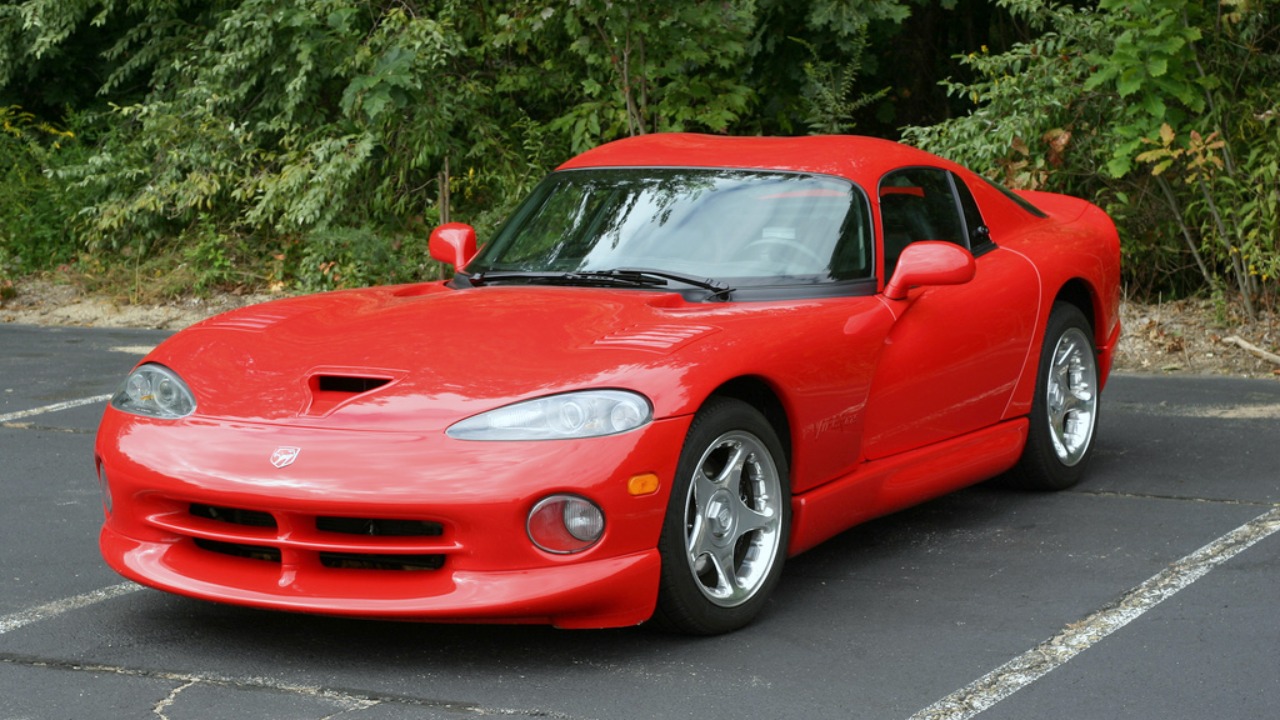
Owners and track‑day regulars echo that sense of a car that demands respect. In one enthusiast thread, a commenter notes that there is Far better balance in TVRs than early vipers, and that the engine is set close to the middle of the car, but They also stress that the lack of nanny aids in most models means you have to stay alert. Another discussion, where someone admits they absolutely adore the car, adds that the Sagaris FWIW appears to corner averagely at best on track days, a reminder that the car’s behaviour can be tricky at the limit. Knowing that, the slight shimmy you feel through the chassis at idle carries an extra edge, because you are aware of how narrow the margin for error can be once you pick up speed.
A cult icon that refuses to mellow with age
Time has only sharpened the Sagaris mystique. A detailed retrospective on its place in the brand’s history argues that Nothing comes for free here and that There is no performance without effort, summing up how This TVR demands commitment from its driver. That attitude has helped the car become a kind of final chapter for the old company, a symbol of what TVR could do when it prioritised sensation over convenience. When I watch modern reviews, I still hear people talk about it as Blackpool’s last great act, and that narrative keeps the car feeling current rather than nostalgic.
The market has responded accordingly. Auction descriptions now lean into the drama, calling the Sagaris a glorious analogue sports car and emphasising how thrilling it is to drive and to look at. Specialist builders have even stepped in to keep the shape alive, with one company announcing that Originally offered by TVR back in 2005, the Sagaris would be recreated as a kit car, even in the States. When a design is compelling enough to justify a second life in kit form, you know its visual and emotional impact has not faded.
Why it still feels dangerous the moment it fires
For me, the enduring sense of threat around the Sagaris comes from the way all these elements stack on top of each other. The car’s history as a track‑leaning project from Overview TVR, its jagged bodywork, the rough idle and the absence of electronic aids all feed into a single impression: this is a machine that will not look after you if you get complacent. Even standing beside one as it warms up, you can feel the heat from the side exhausts and hear the uneven beat of the straight‑six, and that sensory overload tells you that you are dealing with something raw.
That rawness is exactly why the Sagaris still captivates me. In a world where most performance cars are filtered through layers of software, the TVR approach, where TVR took pride in building cars that could be dangerous for inexperienced drivers, feels almost rebellious. The Sagaris looks like trouble even when it is idling, and once you know the story behind that stance, the feeling only intensifies.


Leave a Reply