
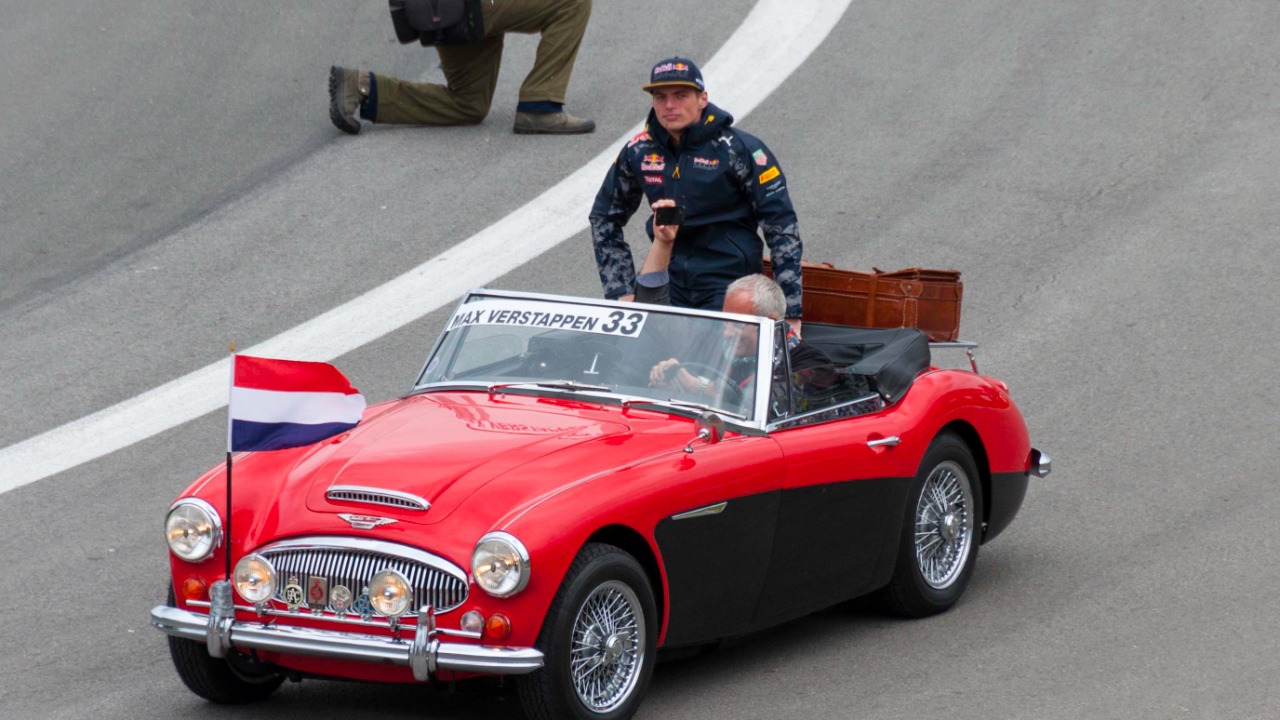
Max Verstappen has not only accumulated championships at a remarkable rate, he has also forced Formula One to redefine what dominance looks like in the hybrid era. His rise from teenage prodigy to the sport’s central reference point has reshaped how teams build cars, how rivals measure themselves and how fans experience a grand prix weekend.
By combining relentless speed with a combative racing style and an unusually direct public persona, Verstappen has turned the modern F1 landscape into a reflection of his strengths and his standards. The result is a championship fight that often feels less like a contest and more like a weekly test of who can get closest to his level.
From karting prodigy to record-breaking champion
Verstappen’s ascent was engineered for speed long before he reached the grid, and the compressed timeline of his early career still shapes how teams scout and promote young drivers. Max Emilian Verstappen, identified in official records as a Belgian-born Dutch racer, moved rapidly from junior categories into the Formula One World Championship, with his Career Statistics already reading like a veteran’s by his mid‑twenties. That acceleration into the elite tier, supported by his background in karting and European single-seaters, set a new benchmark for how quickly a teenager could be trusted with a front-line car.
Once in Formula One, Verstappen turned potential into a sustained run of titles that altered the record books. He is listed as a multiple-time Formula One world drivers’ champion, including the 2024 crown, and his run of victories has produced the Most consecutive wins and a stack of other milestones that previously spanned entire careers. That level of accumulation at such an early stage has made his trajectory the template for what a modern superstar is expected to deliver once given a race-winning car.
The defining seasons that shifted the competitive balance
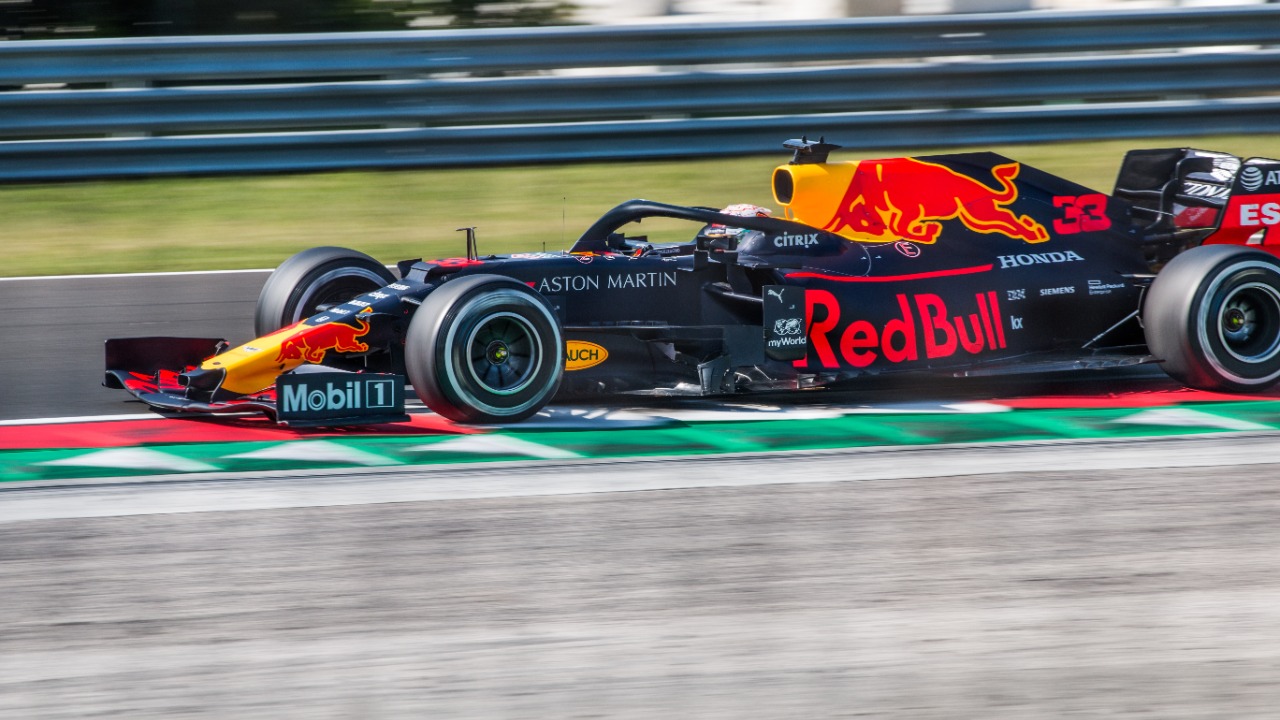
The turning point in Verstappen’s story, and in the balance of power in the paddock, came when he converted raw speed into a sustained title push. Reporting on his journey describes how Max Verstappen and his domination crystallised in the early 2020s, when he fought for and secured his first championship and then turned that breakthrough into a platform for serial success. Those campaigns did not just add trophies, they forced rivals to redesign their entire approach to race strategy, tyre management and qualifying, because anything less than perfection was no longer enough to challenge him.
As the titles accumulated, Verstappen’s performances began to warp the statistical context of the sport. Analysts have noted that Max Verstappen did not just break Formula 1 records, he effectively reshaped the entire statistical landscape of the championship, with win rates and points totals that made previous benchmarks look modest. When a single driver can reset expectations for what a dominant season looks like, the ripple effect reaches everything from how teams allocate development budgets to how broadcasters frame the narrative of a title fight.
Driving style, mentality and the new benchmark for F1 talent
Verstappen’s impact is not only about numbers, it is also about how he drives and how that has redefined the skill set required to thrive at the front. His no-holds-barred attitude in wheel-to-wheel combat, combined with hard defending that sometimes pushes the limits of what rivals consider acceptable, has been highlighted in his official driver profile, which notes that Verstappen has occasionally landed in hot water with peers and paymasters. That aggressive edge, however, is paired with extraordinary car control and racecraft, creating a package that teams now use as the reference when assessing whether a young driver is truly ready for the front of the grid.
Observers who study the modern grid argue that his relentless focus and natural ability have made him the benchmark for contemporary Formula One drivers. That status is not just about raw pace, it is about the mental resilience to deliver under pressure, the capacity to extract performance from changing regulations and the discipline to maintain peak form across long seasons. When teams now talk about recruiting or developing talent, they do so in a landscape where the standard is defined by what it takes to compete with Verstappen over a full campaign.
Revolutionizing fan culture and the “Orange Army” effect
Verstappen’s rise has also transformed the atmosphere around race weekends, particularly through the explosion of Dutch support that has followed him around the world. Official coverage of his home fanbase describes How Max Verstappen captivated and transformed F1 fan culture in the Netherlands, turning grandstands into seas of orange and exporting that energy to circuits from Austria to the Middle East. The “Orange Army” has become a travelling landmark of the championship, influencing how promoters market events and how television coverage captures the spectacle around the racing.
That surge in passion has helped pull new audiences into the sport and has reinforced Verstappen’s status as a cultural figure as well as a sporting one. Analyses of his broader appeal note that Max Verstappen has done more than dominate on track, he has helped reshape fan engagement by winning over millions with his authenticity and racing style, a dynamic explored in detail in coverage of What made him revolutionize F1 and win over millions. The result is a feedback loop in which his success fuels fan fervour, which in turn amplifies the visibility and commercial pull of the series.
Authenticity, dominance and the future direction of Formula One
Part of Verstappen’s influence lies in how little he has tried to conform to the traditional media-trained template of a global star. Biographical profiles describe Max Verstappen as a driver whose career has been shaped by a direct, sometimes blunt approach that resonates with fans who value unfiltered reactions over polished soundbites. That authenticity, combined with his success, has nudged the sport toward a more open, personality-driven era, where drivers are encouraged to show more of themselves on and off the track.
At the same time, Verstappen’s sustained dominance has prompted a re-evaluation of what constitutes greatness in Formula One. Commentators have described Max Verstappen as one of the most dominant and naturally gifted drivers the championship has ever seen, a racer whose raw speed and race intelligence set him apart even in an era of unprecedented data and simulation tools. When such a driver sits at the centre of the grid, the sport inevitably orbits around his strengths, from the types of circuits that generate the most intrigue to the regulatory tweaks designed to keep competition alive.
A meteoric rise that redefined the modern era
Looking back over Verstappen’s journey, the throughline is the sheer velocity of his progress. Detailed breakdowns of his career describe how Formula One has watched a meteoric rise unfold, with Verstappen reaching the front of the field and then staying there with a consistency that few could match. That rapid climb has compressed what used to be a decade-long evolution into a handful of seasons, forcing rivals to adapt or be left behind.
Even within that compressed timeline, the structural elements of his story remain striking. Max Emilian Verstappen, identified as a Belgian-born driver who races under the Dutch flag, has turned his early start and intense upbringing into a sustained run at the top of the Formula One World Championship. Analysts who track the sport’s evolution argue that Verstappen’s meteoric rise in Formula One has been nothing short of extraordinary, and that at just 26 years old he is already rewriting expectations for what a career peak can look like.
As the modern era continues to unfold, Verstappen’s influence is likely to be felt in every corner of the paddock. His no-compromise driving style, his statistical dominance and his ability to mobilise a national fanbase have combined to create a new template for what it means to be the central figure in a global championship. In that sense, the story of Verstappen is not only about one driver’s success, it is about how a single talent can pull an entire sport into a new phase of its history.

Leave a Reply