
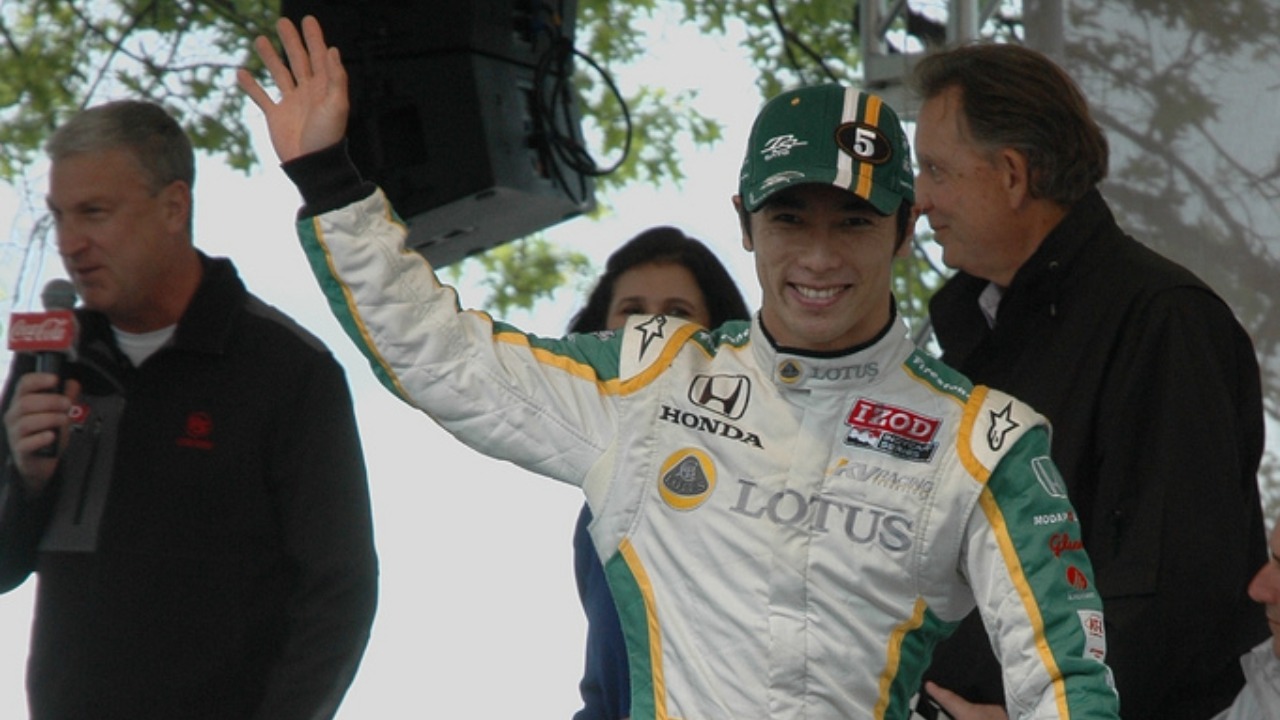
Takuma Sato has built a reputation in IndyCar as the driver most likely to turn a late-race glimpse of daylight into a full-commitment lunge, and that is exactly why his Indianapolis 500 story resonates so strongly. His daring style has produced unforgettable highs and painful lows at the 500, yet the pattern is always the same: if there is a chance to win, Sato will take it, and fans know they are watching someone who would rather risk everything than settle for second.
That attitude has turned Sato into a cult favorite at Indianapolis, the rare veteran whose legend is defined as much by the attempts that went wrong as by the days when the gamble paid off. To understand why supporters lean forward whenever his car appears in the mirrors of a race leader, you have to look at the way he drives, the philosophy behind it, and the way the Indy crowd has slowly, almost grudgingly at first, fallen in love with his brand of chaos.
The move that made Takuma Sato impossible to ignore
Every conversation about Sato’s bravery at Indy eventually circles back to the final lap duel with Dario Franchitti of Chip Ganassi Racing, when Sato threw his car down the inside in a bid to steal the 500 on the last trip into Turn 1. In that moment he was not racing for a safe podium, he was trying to deny Franchitti a shot at another Indy win and claim the race that defines careers. The attempt ended with Sato’s Honda snapping sideways and slamming into the outside wall in Turn 1, while Franchitti went on to take the checkered flag, but the audacity of the move instantly cemented Sato as the driver willing to risk everything for the 500.
That crash could have defined him as reckless, yet it instead became the origin story of his Indy identity. Before he ever climbed the podium at Indianapolis, Sato’s spin while trying to win it in 2012 with the Rahal team was widely remembered as his signature moment, a snapshot of a driver who would not back out even when the odds were stacked against him. The fact that this near-miss with Franchitti came in a car that many did not expect to be in position to win only deepened the respect from fans who saw a racer trying to seize a once-in-a-lifetime opening rather than protect a safe finish.
From heartbreak to hero: how Indy finally came back to him
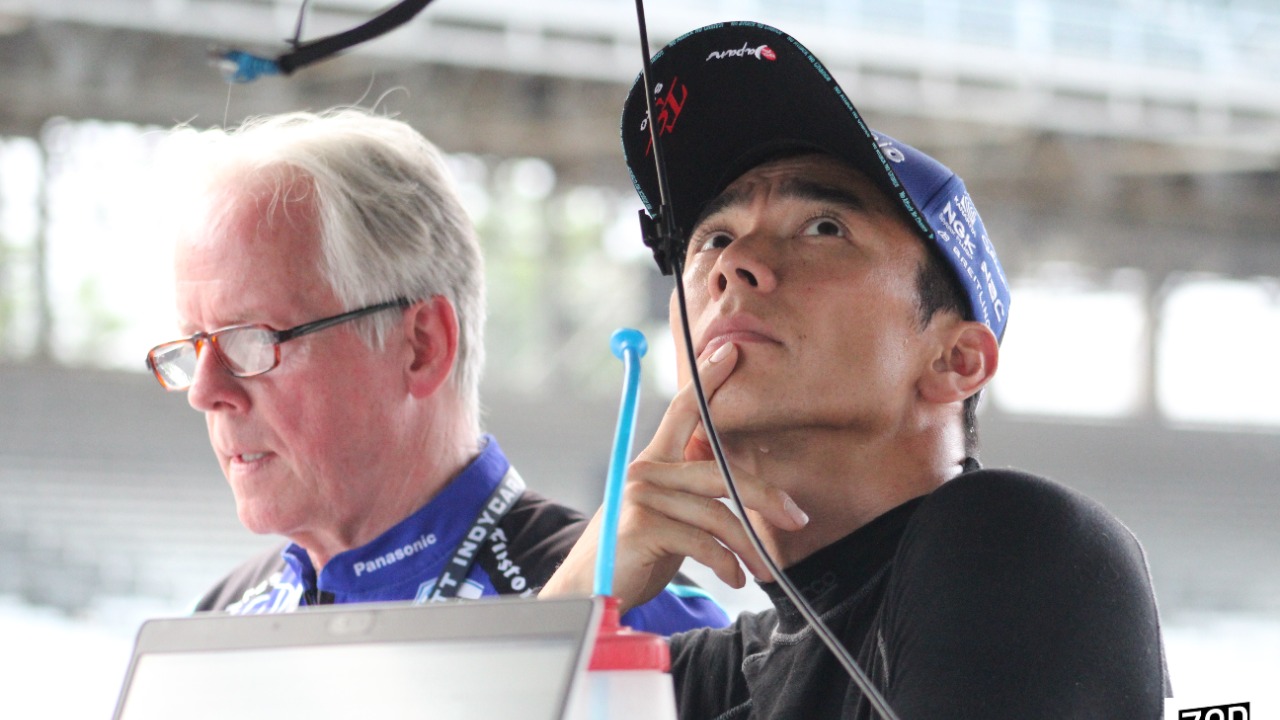
The remarkable twist in Sato’s story is that the same aggression that once left him in the wall eventually carried him to the top step of the Indianapolis podium. Before he finally broke through, the defining image of his Indy career was that failed lunge, the moment when he lost control while trying to win the 500 with Rahal and walked away with nothing. The narrative shifted when he returned to the Brickyard and converted that same attacking mindset into a victory, turning what had been a cautionary tale into proof that relentless belief can eventually be rewarded, as chronicled in the way people now talk about how Before his win, Sato’s spin was his most renowned moment.
That transformation did more than add a line to his résumé, it changed the way the Indy crowd saw him. Instead of being remembered only as the driver who overreached, Sato became one of the select group of two-time winners in the long history of the Indianapolis 500, a status that elevated him from cult curiosity to a central figure in modern Indy lore. By becoming one of twenty two-time winners in the hundred year history of the Indianapolis 500, Sato turned his earlier heartbreak into a kind of redemption arc that scholars have described as a blend of rhetoric and redemptive racing performances, a journey that is explored in detail in work on Indianapolis and Sato’s legacy.
“No attack, no chance” and the mindset behind the madness
What makes Sato’s style so compelling is that it is not random aggression, it is a conscious philosophy he has carried through every stage of his career. His mantra, “No attack, no chance,” is not just a catchy slogan on a helmet sticker, it is the lens through which he evaluates every risk, especially at Indy where track position and timing can decide everything. In a long-form video conversation about his life in racing, Sato explains that this approach is rooted in a belief that if you give up, the story will finish right there, a sentiment he shares in the documentary-style piece No Attack, No Chance that traces his journey from Japan to the top of American open-wheel racing.
That same motto has been recognized as the defining trait of his driving by those who have watched his career unfold. His career has been notable not only for its success but also for a hard-charging style best exemplified by his motto, a mindset that was already visible when he was still in high school and chasing opportunities far from home. The phrase has become so closely associated with him that it now appears in tributes to his achievements, including his place on the motorsports walk of fame in Long Beach, where the inscription highlights how His career has been defined by that relentless attacking spirit.
Why fans have warmed to Sato’s all-or-nothing approach
Over time, Sato’s philosophy has moved from being polarizing to oddly reassuring for fans who know exactly what they are going to get when he straps in. Earlier in his IndyCar tenure, some supporters saw him as too wild, the guy who might throw away a result with one ambitious move too many. Yet as the years have passed and his Indy résumé has grown, a noticeable shift has taken place in the way fans talk about him, with some admitting they have done a total 180 on their opinion of Sato, going from frustration to admiration as they watched him mature without losing that edge, a change of heart captured in one fan’s reflection that they Wouldn’t mind seeing Sato get a third win.
Part of that affection comes from the sense that Sato is always chasing something bigger than a single result. When he talks about his motto in more recent interviews, he frames it as a way of confronting fear and committing fully to the moment, especially when the stakes are highest at Indy. In a televised conversation about his mindset heading into another run at the Brickyard, he is asked directly about how “No attack, no chance” shapes his approach, and he describes it as a reflection of his fearlessness and style, a way of reminding himself that opportunities at the front of the field are rare and must be seized, a perspective he lays out while explaining his approach to the race.
The veteran threat who still treats Indy like a fresh opportunity
Even as a seasoned driver, Sato continues to treat the Indianapolis 500 as a fresh challenge rather than a victory lap for past achievements. He has returned to Rahal Letterman Lanigan Racing with the experience of a two-time Indianapolis 500 champion, yet he still talks about the race as if he is chasing his first shot at glory. Official driver profiles now introduce him with that dual identity, noting that he is a two-time Indianapolis 500 champion and that he rejoins Rahal Letterman Lanigan Racing for another attempt at the 109th running, a reminder that the same organization that once watched him spin while going for the win now welcomes him back as a proven closer, a story captured in the way fans are invited to Get to Know Takuma and his history at Indianapolis.
That ongoing threat status shows up not just in race day heroics but also in qualifying, where Sato has repeatedly put himself near the front of the grid. Supporters have noticed that this is the 3rd time Takuma Sato has qualified in the Top 5 for the 500, a pattern that underlines how his speed at Indy is not a fluke tied to one magical year but a recurring theme. When fans on message boards point out that he has delivered wins for teams where even the sons of the owners could not quite get it done, they are really acknowledging that Sato remains a plug-and-play contender at the Speedway, a point that surfaces in discussions about how this is the 3rd time he has started in that elite group.
The human side of a flat-out racer
For all the focus on his daring passes and high-speed risks, part of what draws fans to Sato is the way he lets them see the human cost of those choices. In deeper conversations about his career, he has talked openly about the mental strain of races that go wrong, describing days when a pit stop issue left him a lap down and he had to fight through frustration just to stay focused. In one segment of the No Attack, No Chance story, he recalls thinking through the disappointment and reminding himself that giving up would mean the story ends there, a moment captured around the time stamp where he reflects on what he was thinking after being lapped, a candid look that appears in the extended clip at what are you thinking during those setbacks.
That vulnerability helps explain why his fan base has grown beyond those who simply enjoy bold overtakes. Academic work on his career has framed Sato’s journey as a servant-led race against expectations, highlighting how his rhetoric about never giving up intertwines with his performances on track to create a narrative of redemptive racing. By becoming one of twenty two-time winners in the hundred year history of the Indianapolis 500, Sato has not only stacked trophies but also crafted a story that speaks to perseverance, risk and the willingness to live with the consequences of an all-or-nothing move, themes that are explored in detail in analyses of Sato and his redemptive racing performances.




Leave a Reply