
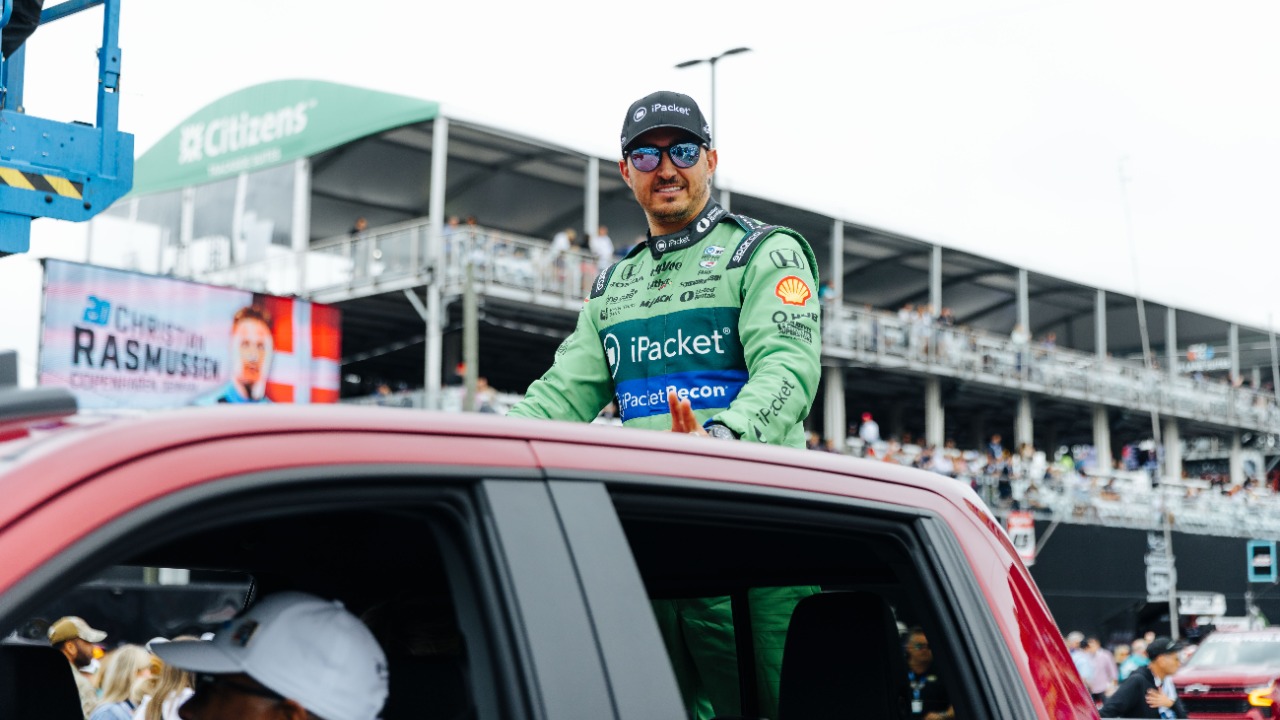
Graham Rahal’s career has unfolded less like a straight-line rocket ride and more like a long, looping road course, full of late dives, strategic lifts and the occasional gravel excursion. The intrigue is not that he burst onto the IndyCar scene as a prodigy, but that he has managed to stay relevant, competitive and commercially powerful long after the novelty wore off. His longevity rests on a mix of early business schooling, calculated career choices and a team culture that treats stability as a competitive weapon.
Across nearly two decades in top-level open-wheel racing, Rahal has turned what could have been a short-term “famous last name” story into a sustained presence in the INDYCAR SERIES. The arc runs from junior formulas to race wins, from rebuilding years to a late-career contract extension, and from being Bobby Rahal’s kid to becoming a driver who can hold off Scott Dixon on a street course and hold court with CEOs in a boardroom.
The prodigy phase: from junior formulas to IndyCar reality check
Every long career starts with a short one that did not end, and Rahal’s early years looked like the usual prodigy script. In 2005 he won the Formula Atlantic class at the SCCA Runoffs and finished fourth in the Star Mazda Series standings, a combination that marked him as one of the sharper young blades in American open-wheel racing and set up his leap toward Champ Car and then IndyCar Racing. Those results were not just résumé padding, they were proof that the raw pace was there long before the big trailers and bigger expectations rolled in.
That promise translated quickly when he moved into top-level machinery. Graham Rahal ran in the Champ Car World Series and then the IndyCar Series, and he announced himself in style by winning in Detroit, holding off Scott Dixon on a street circuit that punishes even minor lapses in concentration Graham Rahal. It was the sort of debut that invites lazy predictions of inevitable titles. Instead, what followed was a more complicated reality, with flashes of speed, some lean years in the points and the dawning realization that talent alone was not going to carry him through the grind of an IndyCar life.
Learning the business: how a racer became a dealmaker
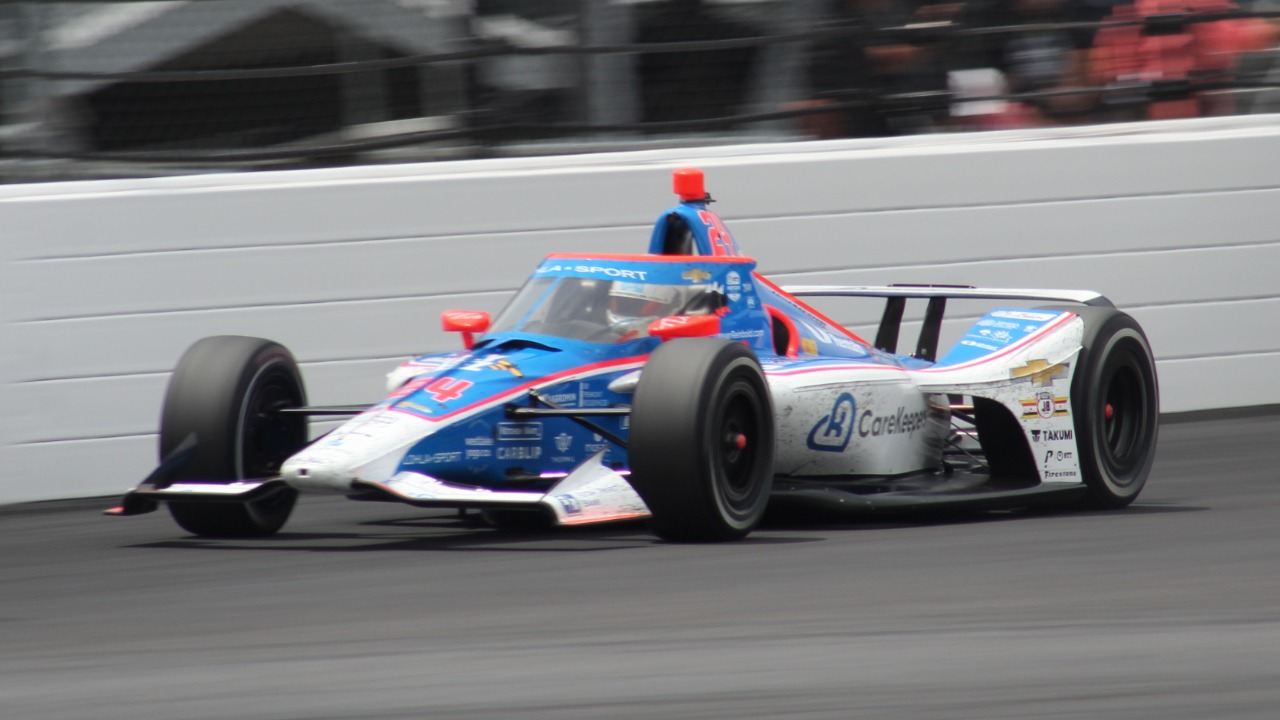
The secret ingredient in Rahal’s staying power is that he did not treat sponsorship as a necessary evil, he treated it as a second discipline. Nearly a decade after he first started working the hospitality tents, Graham had become a case study in turning business relationships into long-term support for his racing, building partnerships that stuck with him through team changes and performance swings Nearly. That kind of commercial durability is not glamorous, but it is the difference between a driver who bounces from one-year deals and one who can plan a career instead of a season.
Now as deeply embedded into the financial side of racing as the driving, Graham has done it without a formal business education, instead learning from his father, sponsors and a lot of CEOs who were happy to explain how the money really moves Now. That curiosity spilled over into ventures away from the cockpit, where he has been involved with car dealerships and Rahal Paint Protection, turning his name into a small ecosystem rather than a single revenue stream Get. In a series where sponsorship can evaporate faster than a set of red tires, Rahal’s willingness to be as serious about the boardroom as the braking zone has been a quiet superpower.
Family team, family atmosphere, and the art of not burning out
Longevity in a contact sport like IndyCar is not just about avoiding walls, it is about avoiding the slow erosion that comes from a bad fit. Rahal has leaned into the advantages and complications of racing for his family’s outfit, Rahal Letterman Lanigan Racing, where the Thanksgiving table and the timing stand are separated by fewer degrees than usual. Today, that little boy who grew up around the paddock has become much more than a 13-year veteran driver for Rahal Letterman Lanigan Racing, he is a central pillar in how the organization presents itself to sponsors, fans and even the U.S. Armed Forces partners that appear on the car Today. That dual role can be exhausting, but it also gives him a sense of ownership that makes the grind feel like investment rather than obligation.
Inside the team, the culture has been engineered to keep people around long enough to build something together. There is no doubt in Rahal’s mind that finding the right people and ensuring they stay long term has been a key to the group’s success, with core crew members joining the squad in 2013 and sticking through the inevitable ups and downs There. That family atmosphere is not just a warm-and-fuzzy talking point, it is a performance strategy: when the same engineers and mechanics are still there five years later, the driver does not have to waste energy re-explaining how he likes the car to rotate into Turn 1.
The Rahal revival: peak years and the grind of staying near the front
Every veteran who is still around has a revival story, and Rahal’s came when the pieces finally clicked at Rahal Letterman Lanigan Racing. He finished inside the top 10 in points in seven successive seasons from 2015 through 2021, a run that turned him from “promising” to “perennially in the conversation” and reminded the paddock that the Rahal name still belonged near the sharp end of the grid Jul. Those years were not title coronations, but they were proof that he could string together full campaigns, not just isolated highlight reels.
Inside the cockpit, that resurgence was not magic, it was method. Driver input became central to how the team approached race weekends, with Rahal’s feedback shaping setups and strategy in a way that made him more co-author than passenger in the engineering meetings DRIVER. The result was a driver who looked less like a streaky sprinter and more like a metronome, capable of banking points even on days when the car was not a world-beater. In a series where championships are often decided by who turns ninth-place cars into sixth-place finishes, that kind of grind-it-out consistency is a career extender.
Veteran status: contracts, comebacks and the 2025 reality
By the time Rahal reached his mid-thirties, he had quietly become one of the series’ elder statesmen, even if he still talks like a guy who thinks he is one setup change away from a win. Graham Rahal, a six-time INDYCAR SERIES race winner, made history as the second-youngest driver to win an INDY race and has since evolved into a driver whose résumé is as much about durability as it is about trophies Know Graham. Hailing from America, Graham Rahal is now described as a veteran driver with a long and distinguished career in the INDYCAR SERIE, a label that sounds suspiciously like “grown-up in the room” even if he still straps in like a kid with something to prove Graham Rahal.
The team has backed that veteran status with ink. Graham Rahal will continue to drive for Rahal Letterman Lanigan Racing as part of a multiyear extension, a deal that signals the organization’s belief that his experience is central to where it can and should be in the competitive order Nov. On the results sheet, the 2025 season has been more grind than glory, with Rahal classified 19th in the INDYCAR SERIES standings, a reminder that longevity sometimes means surviving the lean years as much as savoring the fat ones INDYCAR. Yet the contract and the continued investment in his program suggest that the team sees value beyond a single championship table.
Still hungry: late-career craft and the mindset that keeps him going
What keeps a driver engaged after hundreds of starts is not the same thing that got him into a kart, and Rahal’s recent performances show a shift from raw aggression to veteran craft. Earlier this year he gained seven spots at The Thermal Club, finishing 11th, then started 21st and finished 14th at Barber Motorsports Park, the kind of incremental progress that does not light up highlight reels but does impress engineers who know how hard it is to pass in modern IndyCar traffic The Thermal Club. Those drives look like a veteran squeezing value out of imperfect weekends, a habit that tends to extend careers far more than the occasional miracle win.
Listen to him in long-form conversations and the picture sharpens. In a recent episode of Doug and Drivers, the Mar chat with Graham Rahal sounded less like a farewell tour and more like a man still dissecting lines, setups and the state of the series with the energy of a rookie who just discovered onboard data Mar. Hailing from America, Graham Rahal talks about the INDYCAR SERIE as something he still wants to shape, not just inhabit, and that mindset is often what separates the drivers who fade quietly from those who hang around long enough to surprise everyone with one more big afternoon Hailing.
Strip it down and his longevity comes from a simple, unglamorous formula. Graham Robert Rahal, an American race car driver who has been in the IndyCar Series long enough to see aero kits come and go, has combined early success in junior categories, a willingness to learn the business side, a family team that values continuity and a late-career shift toward craft over chaos Graham Robert Rahal. It is not the most cinematic story in the paddock, but it is one of the most instructive: in a series that chews up talent at frightening speed, Graham Rahal has figured out how to keep answering the bell, season after season, with just enough speed and a lot of staying power.




Leave a Reply