
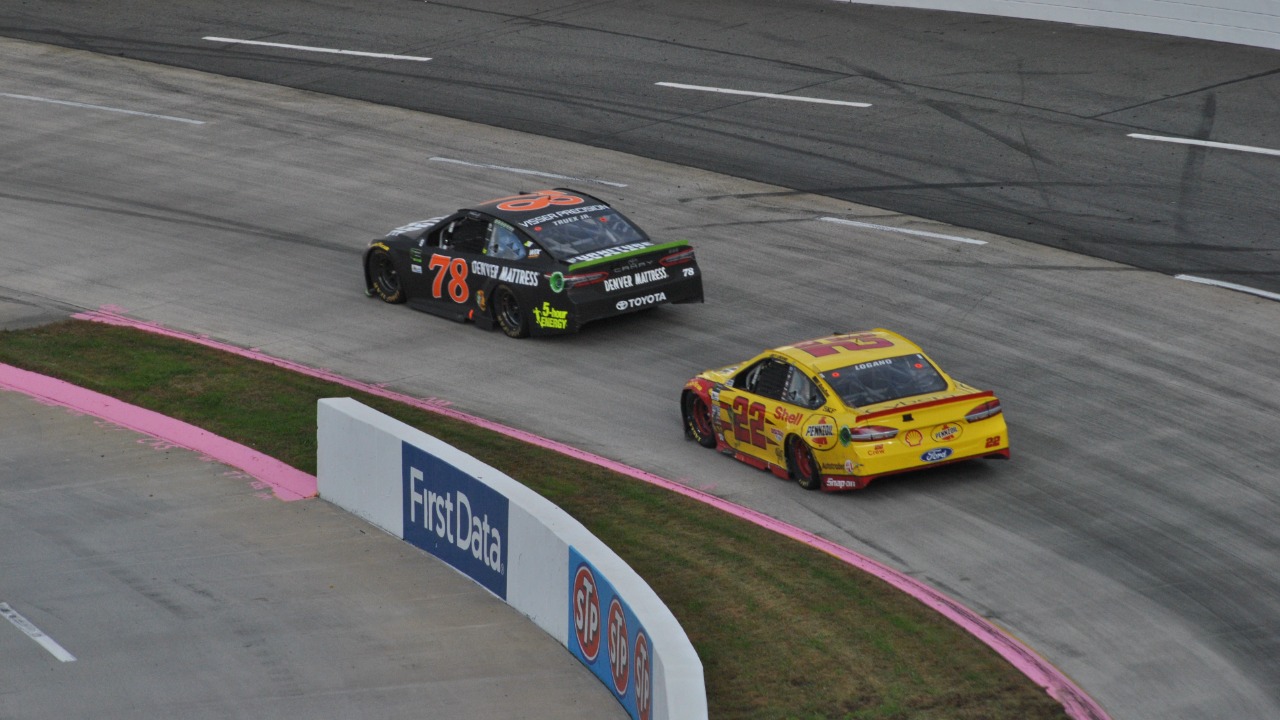
The late-race clash between Martin Truex Jr. and Joey Logano at Martinsville did more than decide a single checkered flag. It reset the balance of power in a championship run, turning one short-track bump into a season-defining fault line between two very different philosophies of racing. In the tight confines of that Virginia paperclip, a calculated shove, a furious vow, and a title run were all forged in the same few hundred yards of asphalt.
I watched that sequence not as an isolated highlight, but as the moment when a playoff format built on “win and advance” finally showed its sharpest edge. The contact that sent Truex sideways and Logano forward did not just crown a race winner, it exposed how far a driver is willing to go when a Cup title hangs on a single corner and a single decision.
The Martinsville move that lit the fuse
From the moment the field rolled into Martinsville, the stakes were clear: a win meant a guaranteed place in the Championship 4, and every lap around that tight half-mile raised the temperature. Joey Logano put himself in position by restarting second on lap 377, then controlled the race until teammate Brad Keselowski grabbed the lead with 90 laps remaining. That shuffle set up the late-race chaos, because it forced Logano to fight his way back past heavy traffic and, eventually, into a head-to-head duel with Martin Truex Jr. for the win and the golden ticket to Homestead.
Once they were locked together at the front, the race stopped being about lap times and became a test of nerve. They raced side-by-side, door-to-door, round-and-round that tight Virginia layout, each leaning on the other in the corners while the crowd sensed something was about to snap. When Truex finally nosed ahead off Turn 4, it looked like the cleaner line was going to win out, until Logano drove into the final corner with a calculated shove that moved the 78 car up the track and opened the door for his own Ford to sprint to the line. In that instant, the Martinsville short track became the stage for a playoff-altering hit that would echo all the way to Miami.
Truex’s fury and a vow that raised the stakes
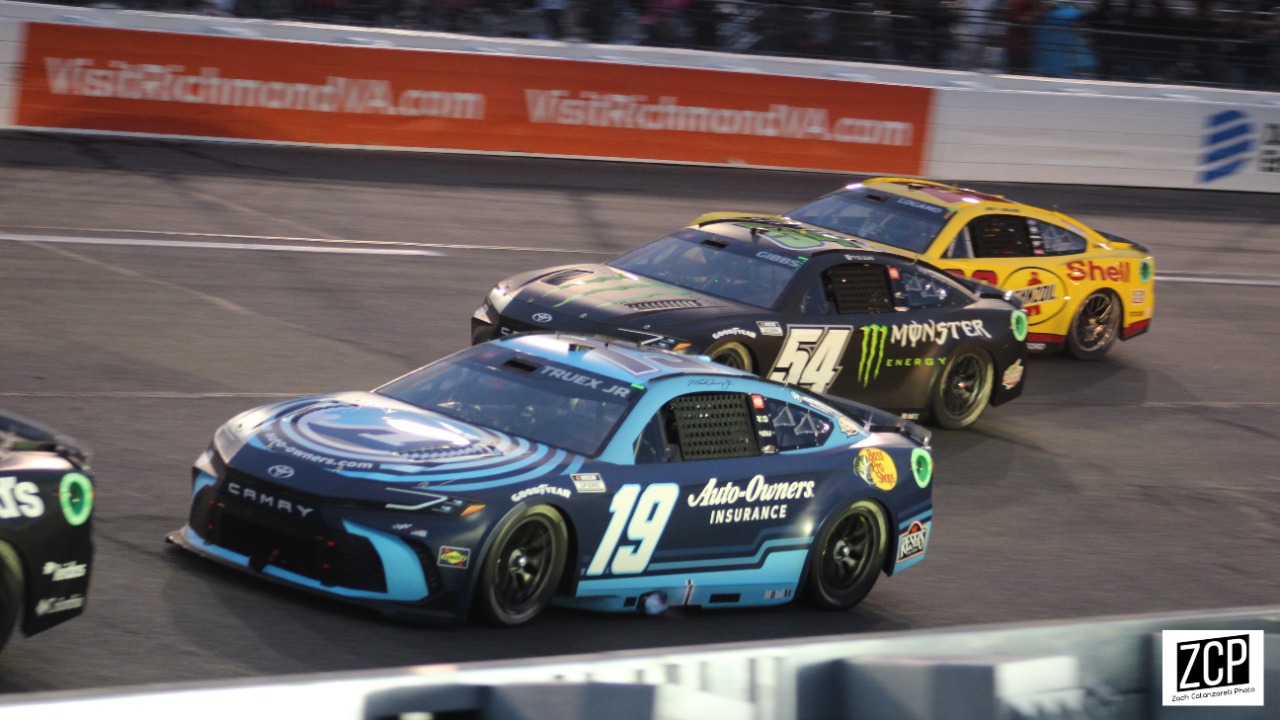
What happened after the checkered flag mattered almost as much as the contact itself, because it revealed how deeply the move cut into Martin Truex Jr.’s sense of fairness. He climbed from the car convinced that he had raced Logano clean and that the favor had not been returned, and his words carried the sting of a driver who felt a championship shot had been stolen. In a raw moment, Truex declared that Logano “won the battle” but “is not going to win the damn war,” a pointed warning that he was “just not going to let him win” the Cup title after their Martinsville clash.
That vow did more than vent frustration, it reframed the entire playoff narrative as a personal showdown. When a driver of Truex’s stature says publicly that he will not let a rival win the championship, every lap they share becomes charged with extra meaning. The tension followed them into the media center and then into the next round of the postseason, where the question was not just whether Logano could capitalize on his Martinsville win, but whether Truex would make good on his promise to stand in the way. The war of words turned a single bump-and-run into a running storyline that colored how fans and competitors viewed every move between the two.
Logano’s calculated aggression and a changing driver code
On the other side of the feud, Joey Logano treated the Martinsville contact as a hard but necessary choice in a playoff system that rewards aggression. From his perspective, the bump was part of short-track racing, especially with a championship berth on the line and only a few hundred feet left to decide it. That mindset fit neatly with the way he had attacked the race from the moment he took control at the front, and it explained why he was willing to risk contact rather than settle for second when the title picture was at stake. The move was not reckless in his eyes, it was the kind of assertive decision that turns a strong run into a guaranteed shot at the Cup.
Martin Truex Jr., by contrast, made it clear he was not going to let that moment change who he is behind the wheel. Speaking later from PLANO, Texas, he said he would not change his style “just to win,” insisting that his own driver code still mattered more than a single trophy. That stance drew a sharp contrast between two philosophies: Logano’s willingness to lean on a rival when the stakes demand it, and Truex’s determination to keep racing by a personal standard even after being moved out of the way. The clash at Martinsville did not just pit two cars against each other, it exposed a deeper debate inside the garage about what kind of racing the playoff era rewards.
From Martinsville to Miami: how the clash reshaped the title fight
Once the dust settled, the practical impact of the Martinsville move was undeniable. By muscling past Truex to the finish line, Joey Logano secured a place in the Championship 4 and locked himself into the title race before the rest of the field. That early ticket allowed his team to shift immediately into Homestead mode, fine-tuning their car and strategy while others still had to survive the elimination cut. For Truex, the loss of that automatic berth meant grinding through the remaining playoff races with the memory of Martinsville still fresh, a mental burden layered on top of the physical challenge of advancing.
The animosity did not cool as the series rolled toward South Florida. In the lead-up to the finale at Miami, Martin Truex Jr. doubled down on his earlier vow, repeating that he was “just not going to let him win it” when asked about facing Logano again on the championship stage. That kind of public promise raised the emotional temperature of the finale, turning every restart and every side-by-side moment between the two into a referendum on whether payback would arrive. The Martinsville clash had started as a short-track skirmish, but by the time the haulers parked at Homestead, it had become the central storyline of the title race.
A legacy moment in a new-era playoff system
Looking back now, it is clear that Martinsville was not just a flashpoint, it was a hinge in Joey Logano’s larger Cup legacy. In a playoff format built around “win and you are in,” the 2018 season demanded that drivers like Kevin Harvick and Kyle Busch stack playoff points and seize elimination-race opportunities. Logano did exactly that, using the Martinsville victory to punch his ticket and then capitalizing at Homestead to beat all of them, becoming the 2018 champion. The shove that infuriated Truex turned out to be the exact kind of decisive move this system is designed to reward, and it now sits at the center of any honest conversation about how Logano built his reputation as a big-moment closer.
For Truex, the episode became a different kind of marker. His vow that Logano would not win the “war,” his insistence that he would not abandon his own code, and his simmering frustration in the weeks that followed all fed into the image of a driver who believes there is still a line that should not be crossed, even with a championship on the line. The clash at Martinsville did not just rewrite one championship run, it sharpened the contrast between two stars, one willing to use the bumper when it counts and one determined to win without it. In a sport that often blurs the line between hard racing and dirty driving, that single late-race hit remains a touchstone for how far is too far when the Cup is within reach.



Leave a Reply