
Red Bull once had the most dominant car in Formula 1 and a driver line-up that looked bulletproof, right up until three little syllables turned the garage into a soap opera: “Multi 21.” The coded team order that Sebastian Vettel ignored in Malaysia did not just win him a race, it detonated the fragile truce with Mark Webber and exposed every crack in the team’s carefully managed hierarchy. What followed was a slow, awkward unravelling that showed how one radio message can do more damage than a rival’s wind tunnel.
I watched that saga unfold in real time, and it still feels like the moment when Red Bull stopped being a happy energy-drink juggernaut and started looking like a very fast family arguing over the will. The Vettel vs Webber feud did not begin in Sepang, but “Multi 21” turned a simmering rivalry into a full-blown civil war that the team never truly patched up.
The code that lit the fuse
At the 2013 Malaysian Grand Prix, Red Bull had the dream scenario: both cars leading, fuel and tyres on a knife edge, and a comfortable gap to the rest of the field. That is exactly when the pit wall reached for its favourite corporate tranquilliser, team orders, and told Vettel and Webber to hold station using the coded instruction “Multi-Map 21,” a call that meant the car running second should stay behind the car in front so both could turn down their engines and protect their tyres for a safe one-two finish for Red Bull. In theory, it was the sort of dull, sensible decision that wins championships and bores fans.
In practice, Vettel treated “Multi 21” like a software update he had not agreed to in the terms and conditions. Instead of sitting behind Webber, he attacked, wheel to wheel, and snatched the win from his team-mate in a move that made “Multi 21” the most infamous three-word phrase in the paddock since “Fernando is faster.” The shorthand itself, “Multi 21,” quickly became part of F1 folklore, with the phrase “Multi 21, Seb. Yeah… Multi 21” in an indignant Australian accent turning into an instant catchphrase that captured how Webber felt about Vettel’s refusal to comply, and how Vettel had apparently no intention of doing so.
Years in the making, seconds in the breaking
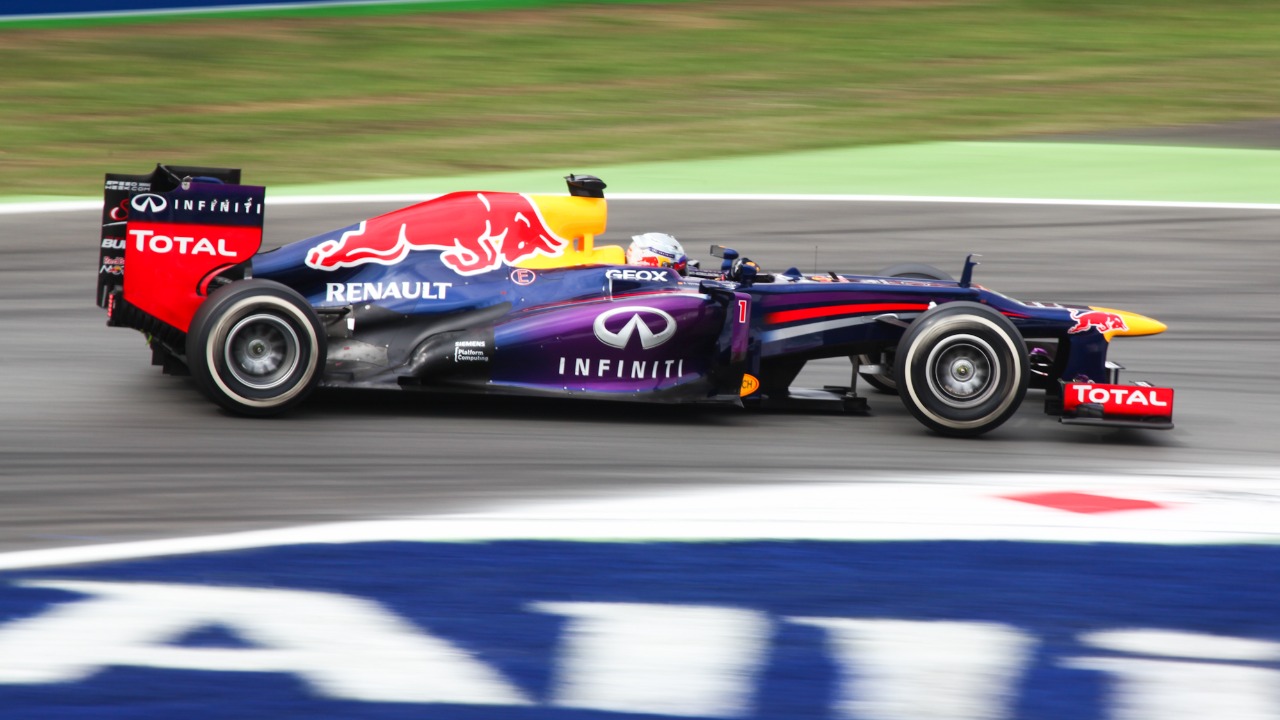
The explosion in Malaysia only made sense if you had been watching the slow burn. Sebastian Vettel and Mark Webber had already spent years as Red Bull team-mates, trading wins and near-misses while the team tried to insist that both drivers were equal. Underneath the PR, there was a clear sense that the operation increasingly bent around Vettel, even as Webber’s speed remained, in the polite corporate phrasing, “sometimes inconvenient,” a tension that had been brewing since at least the title fight in Interlagos the year before and that framed Multi 21 as the moment the façade cracked.
Christian Horner later admitted that the rivalry between Sebastian Vettel and Mark Webber had been getting “tougher and tougher,” and that the “Multi 21” flashpoint was the product of long-standing friction rather than a single hot-headed decision in the cockpit, a view that underlined how the situation had been deteriorating inside Red Bull. By the time Vettel ignored the call, he was not just overtaking a team-mate, he was driving straight through years of carefully negotiated peace treaties.
“Multi 21, Seb” and the angriest podium in town
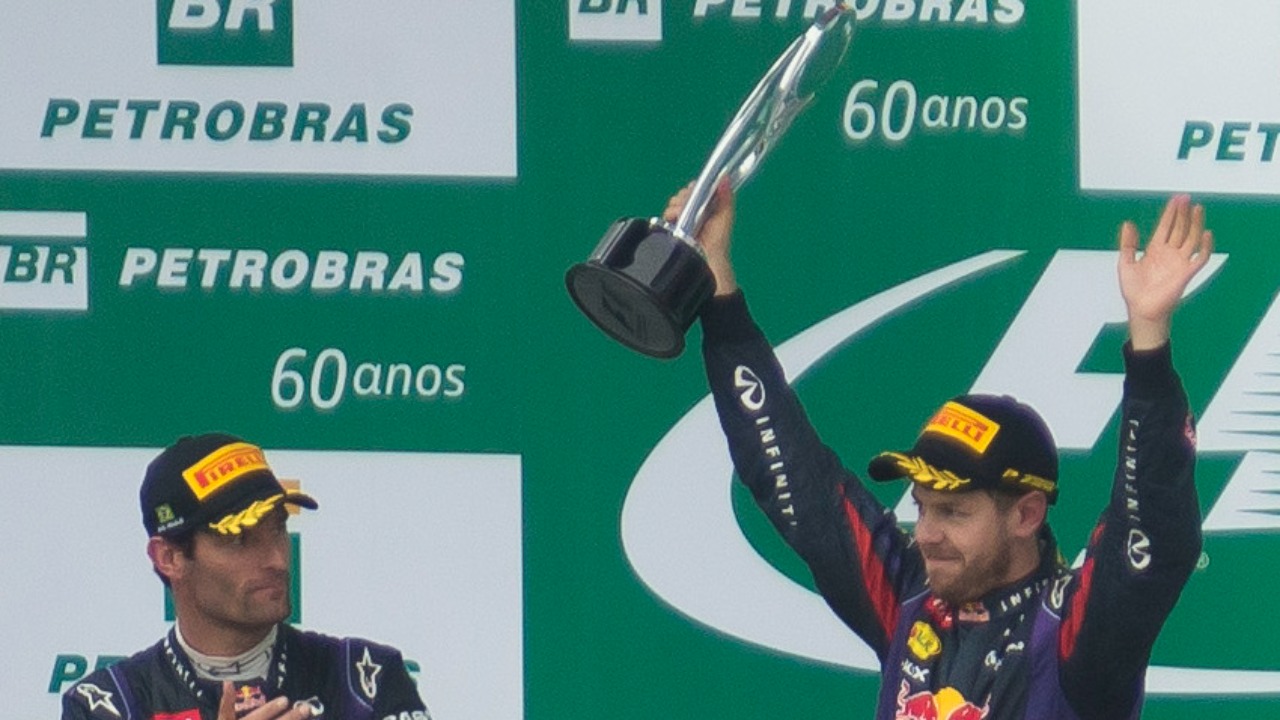
If the radio messages were tense, the podium was pure theatre. Webber’s face looked like someone had just told him his dog had signed for another team, while Vettel wore the expression of a man who knew he had done something wrong but also had a shiny winner’s trophy to hold. On the cool-down lap and in parc fermé, Webber made it clear that “Multi 21, Seb” was not a friendly reminder but a pointed accusation that Vettel had ignored the agreed order, a moment that was dissected frame by frame in what became an awkward podium for the ages.
On the rostrum itself, What Sebastian Vettel did on the podium to Mark Webber after the infamous Multi-21 incident only deepened the frost, with Sebastian Vettel and Mark Webber’s body language telling its own story as Webber confronted Vettel over the decision to take the victory anyway, turning the champagne celebration into a visibly tense moment. Watching it, I remember thinking this was less a team celebration and more a very public HR meeting with trophies.
From team orders to legal orders
Inside the garage, the fallout was even messier. Mark Webber later wrote that When Ann Neal, Webber’s partner, pressed Red Bull boss Christian Horner about why the team had not backed Webber more strongly, she learned that Sebastian Vettel had involved lawyers in the “Multi 21” affair, a detail that showed just how far the relationship had soured following Vettel’s win and how quickly a radio code had escalated into legal tension. Once you are lawyering up over who should have turned their engine down, the concept of “team-mate” starts to look very theoretical.
From Webber’s side, “Multi 21” was not an isolated betrayal but one of several catalysts that pushed him toward the exit. Accounts of that period describe how he no longer wanted to sit back and watch team decisions take away what he saw as the perfect team result, a pattern that made it clear things had to change and that the incident was part of a broader feeling that the balance inside Red Bull had tipped too far in one direction, helping to force his decision to walk away from Formula 1.
How the drivers see it now
With the benefit of distance and a few more grey hairs, Vettel has offered a more reflective view of that day. He has said that both he and Webber were equally to blame for how the “Multi 21” situation spiralled, and that he and Mark Webber could have handled the incident in Malaysia differently, an honest assessment that suggests even he now sees the radio rebellion as part of a larger breakdown in communication rather than a heroic act of pure racing instinct, a point he has made while discussing his assessment of that weekend.
Fans, naturally, have spent years arguing over who was right. Some point out that the difference between Malaysia and other flashpoints, such as the British GP, was that both drivers had agreed to the orders in Sepang, which made Vettel’s decision to ignore them feel like a more direct breach of trust than earlier disputes where they had not, a nuance that has been chewed over in fan debates. I have lost count of how many times I have heard “racer’s instinct” used as a defence, usually by people who would absolutely obey a team order to let someone else pay for dinner.
The legacy: from Red Bull to everyone else
More than a decade on, “Multi 21” still echoes around the paddock every time a team tries to choreograph its drivers. The phrase itself has become shorthand for a coded instruction that one car, usually number 2, should stay ahead of car number 1 so both can turn down their engines and cruise to the flag, a concept that fans now instantly recognise whenever someone explains that, basically, Webber was meant to stay in front of Vettel so they could limit risk and secure maximum points for the team. It is the rare strategy call that has outlived the car that inspired it.
The shadow of that day even stretches into other teams’ dramas. When McLaren found itself juggling Oscar Piastri and Lando Norris in a race where pit-stop timing flipped their order, the situation drew instant comparisons to Red Bull’s old headache, with the race team effectively choosing to prioritise one driver’s strategy over the other’s and creating a modern echo of a moment when a team tried to switch off the competition and instead switched on a civil war, a parallel that has been drawn in analysis of how Piastri, Norris and the pit wall handled their own Multi-21 moment. Whenever a strategist reaches for a coded message now, you can almost hear the collective intake of breath from anyone who remembers Sepang.
The partnership that could not be patched
By the time Webber reached his final season with Red Bull, he had already decided he was quitting F1 at the end of the year, a choice that came despite Webber’s sometimes inconvenient speed and the fact that, on pure pace, he still belonged at the sharp end of the grid, a reality that made his departure feel less like a gentle retirement and more like the end of a partnership that had become impossible to manage inside the team. When a driver that quick decides he has had enough, you know the internal politics have gone from “tricky” to “no thanks.”
Even the meaning of the code itself has become part of the lore. Fans now casually explain that “Multi 21” meant car number 2, Webber, should stay ahead of car number 1, Vettel, so they could both turn down their engines and live to fight another day, a simple instruction that, in theory, should have been as routine as a tyre change but instead became the defining symbol of a relationship that could not be patched up, a dynamic that is still unpacked whenever people describe how Multi 21 worked in practice. Looking back, it feels like the moment when Red Bull’s greatest strength, two top-tier drivers in the same garage, finally tore itself apart from the inside.






Leave a Reply