
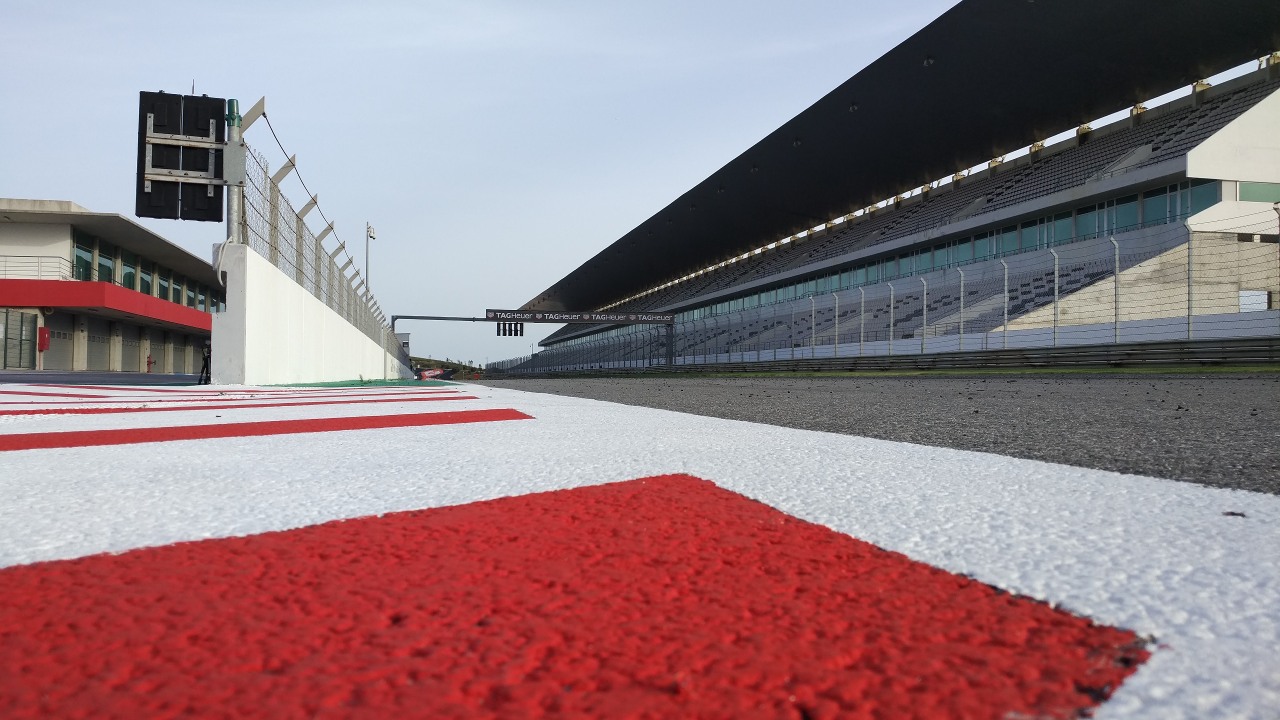
Formula 1 has confirmed that the Portuguese Grand Prix at Portimão will return to the world championship in 2027 and 2028, securing a two-year contract that restores the Algarve venue to the sport’s long-term plans. The deal hands the undulating circuit a rare promotion from stand-in host to fixed calendar slot, reshaping the European leg of the season and underlining how competitive the race to stage a Grand Prix has become.
The agreement is a surprise in one sense, given how crowded the schedule already is, but it also reflects how highly teams and drivers rate Portimão’s layout and facilities. By locking in a multi‑year commitment, Formula 1 has signalled that the Portuguese round is no longer a temporary solution but a strategic pillar of its late‑decade calendar.
How Portimão landed a two-year Formula 1 deal
The new contract elevates Portimão from a pandemic-era stopgap to a fully fledged long-term venue, with Formula 1 confirming that Portugal will host races in 2027 and 2028 under a two-year agreement. The championship has framed the return as part of a broader effort to balance traditional European circuits with newer destinations, and the Algarve track has been judged strong enough on both sporting and commercial grounds to earn a guaranteed slot. Official communication on the deal makes clear that the commitment covers two consecutive seasons and that the event will count as the Portuguese Grand Prix on the world championship calendar, with the arrangement described as a formal two‑year agreement.
National backing has been central to getting the race over the line. Manuel Castro Almeida, Minister of the Presidency of the Portuguese Government, has been cited as a key political supporter of the project, with the government positioning the Grand Prix as part of a wider strategy to promote tourism and international investment in Portugal. In official remarks, the minister has linked the race to a long-term vision for the country’s global profile, underscoring that the state is prepared to underwrite the event’s financial and logistical demands at least through the start of the agreement, a stance reflected in the formal confirmation that the Portuguese Government is directly involved.
Replacing Zandvoort and reshaping the European calendar
The most immediate consequence of Portimão’s comeback is the loss of the Dutch Grand Prix at Zandvoort, which will drop off the schedule once its current deal expires. Formula 1 has confirmed that the Portuguese round will effectively take over that slot, with the Algarve race replacing the Dutch event on the calendar from 2027. Reporting on the agreement is explicit that the Portuguese GP at Portimão will serve as the successor to the Dutch GP at Zandvoort, which has already been confirmed as departing the schedule, with the new race framed as a direct replacement for the Dutch GP.
That switch lands in the middle of a broader reshuffle of European venues, where several circuits are fighting to retain their place. The Spanish Grand Prix at the Circuit de Barcelona‑Catalunya, for instance, is heading into the final year of its current contract, with its future beyond that point not yet secured. Coverage of the Portimão deal has highlighted how the Spanish race is approaching the end of its agreement at the Circuit de Barcelona‑Catalunya, while other promoters lobby for limited calendar space. The Portuguese return therefore does not happen in isolation, it is part of a zero‑sum contest in which one European race’s gain is another’s loss.
Why Formula 1 wanted Portimão back
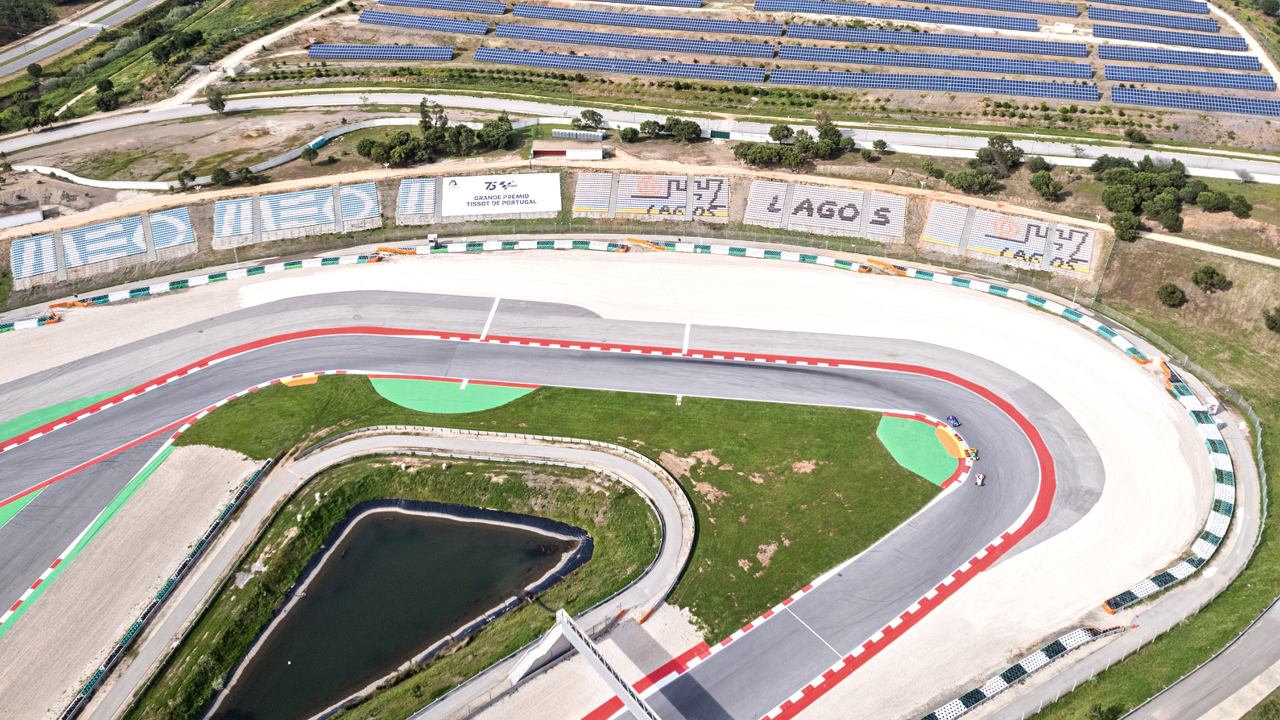
From a sporting perspective, Portimão offers something that is increasingly rare on the modern calendar, a fast, flowing circuit with dramatic elevation changes that challenge drivers and engineers in equal measure. The track’s layout, with its blind crests, off‑camber entries and a long final corner that feeds into a lengthy pit straight, has been singled out as a reason why the venue was attractive for a permanent return. Official descriptions of the deal emphasise that the races will be held at the Algarve International Circuit, known for its sweeping final corner and pit straight, and refer to Portimão as a circuit with recent F1 history that has already proven its suitability.
There is also a strategic logic to the choice. Formula 1’s leadership has been open about the pressure on race slots, with more promoters seeking a place on the calendar than the championship is willing to accommodate. The return of Portugal is being presented as a way to maintain a strong European core while still leaving room for long‑haul events in the Middle East, the Americas and Asia. Reporting on the agreement notes that the world championship is under increasing pressure on race slots, and that the decision to bring back Portimão reflects a deliberate choice about which markets and circuits best fit the series’ long‑term vision.
The political and economic stakes for Portugal
For Portugal, securing a Grand Prix is about far more than a weekend of racing, it is a statement of economic and political ambition. The government has framed the event as a tool to attract visitors, showcase the Algarve region and reinforce the country’s image as a modern, outward‑looking economy. Official comments from Manuel Castro Almeida, in his role as Minister of the Presidency, tie the race to a broader national strategy, with the state committing support from the beginning of the agreement and presenting the Grand Prix as part of a long‑term project for the Portuguese Government.
That political commitment is necessary because the financial bar to host a race has never been higher. Organisers across the world are competing for a limited number of slots, and hosting fees, infrastructure requirements and promotional costs have all escalated. Coverage of the Portimão deal has underlined that there are multiple circuits organisers fighting for a place on the calendar, which means Portugal had to present a compelling economic case as well as a strong sporting one. By committing public backing and leveraging the Algarve’s tourism appeal, the country has positioned the race as a long‑term investment rather than a short‑term spectacle.
What Portimão’s return signals about Formula 1’s future
Portimão’s comeback is also a window into how Formula 1 is trying to balance heritage, spectacle and commercial growth as it plans the late‑2020s calendar. The championship has been expanding into new markets, but the decision to give a relatively young European circuit a multi‑year deal suggests that traditional-style layouts still have a place alongside street races and destination events. Analysis of the agreement has framed Portimão’s return as part of a set of broader schedule changes, with the Algarve track presented as a “historic return” that fits the sport’s push to keep racing variety while managing an intense travel load.
At the same time, the deal underlines how unforgiving the environment has become for race promoters. With the calendar close to its practical limit, every new contract forces a hard choice elsewhere, as Zandvoort has discovered. The confirmation that Portugal will be back on the schedule in 2027 and 2028, as part of a formal return to Portugal, signals that circuits which combine strong local support, government backing and a distinctive driving challenge are best placed to survive the coming decade’s calendar battles. For Portimão, that combination has turned a one‑time opportunity into a long‑term foothold at the top of global motorsport.


Leave a Reply