
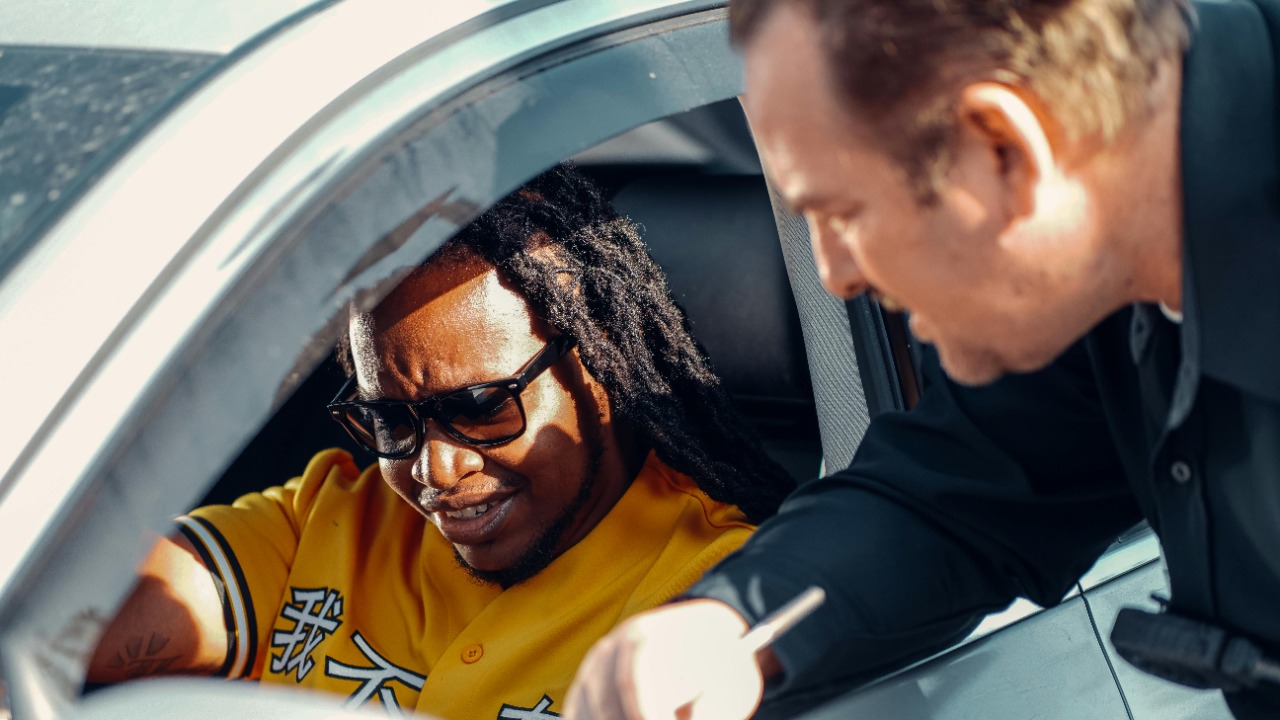
By the time you see flashing lights in your rearview mirror, the most important decisions about your traffic stop have usually already been made. Long before you pull onto the shoulder, an officer has assessed your car, your driving, and sometimes even your license plate history, then slotted the encounter into a mental script that will shape everything that follows. Understanding how that script works is one of the few ways I can meaningfully prepare myself for a moment that is stressful, unequal, and, for some drivers, dangerous.
What feels like a simple roadside delay is, in reality, a tightly structured legal event with rules, thresholds, and tactics that are rarely explained to the person behind the wheel. The more I study those rules, the clearer it becomes that the outcome of a stop is often set in motion well before the officer reaches my window, and sometimes before I even realize I am being watched.
How the law frames a “simple” traffic stop
Legally, a traffic stop is not just an awkward chat on the shoulder, it is a seizure under the Fourth Amendment that must be justified from the moment the officer decides to hit the lights. Courts have said that police officers need “reasonable suspicion” that a law has been broken, such as speeding or not coming to a complete stop, before they can detain a driver, a standard that defense lawyer Kevin R. Collins, Esq explains in detail in What Police Don, Tell You About Their Tactics and Your Rights During, Traffic Stop, By Kevin, Collins, Esq. That threshold is lower than “probable cause,” which is required for an arrest or a search warrant, but it still has to be grounded in specific observations, not just a hunch.
Once the lights go on, the stop is supposed to be a temporary detention tied to that suspected violation, not an open-ended fishing expedition. One criminal defense guide notes that Traffic stops are considered temporary investigative encounters that must be anchored to a violation of the law, even if it is a minor one like a broken taillight. In practice, that minor violation often becomes the legal doorway to a much broader inquiry, which is why the decision to stop a car at all is so consequential.
Discretion, bias, and the decision to flip on the lights
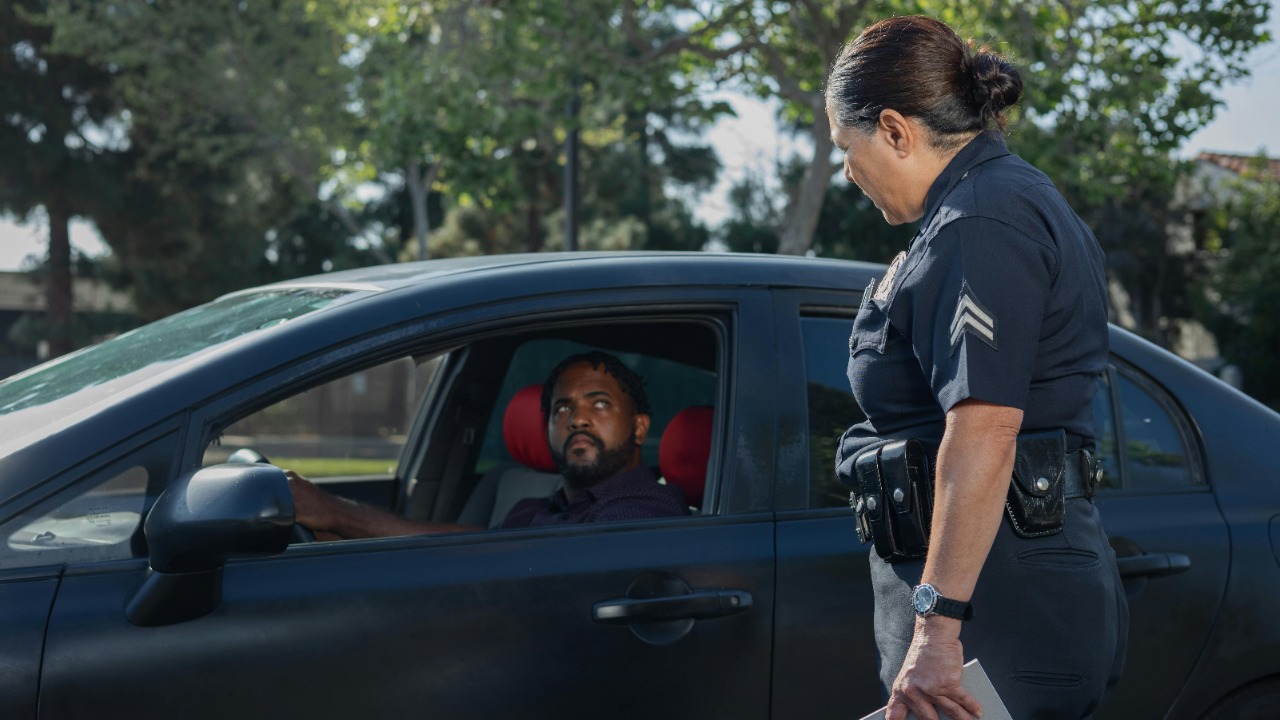
On paper, the rules sound clear. On the road, they collide with enormous officer discretion. Research on However traffic stops in the United States highlights that officers have wide latitude in deciding which drivers to pull over, how aggressively to conduct the stop, and whether to escalate to a search or arrest. That flexibility can be used to promote safety, but it also opens the door to inconsistent enforcement and racial disparities that are now well documented.
Behind the scenes, the legal standard that governs this first decision is “reasonable suspicion,” a concept that has been shaped by a long line of Supreme Court cases. Training materials on Reasonable Suspicion and the Investigative Traffic Stop explain that The United St Supreme Court has allowed officers to rely on the “totality of the circumstances,” a flexible phrase that bundles together driving behavior, time of day, neighborhood, and the officer’s experience. That totality can be interpreted in very different ways from one officer to another, which is why two drivers making the same rolling stop may not face the same flashing lights.
What actually counts as a “valid” reason to stop you
For drivers, the most practical question is what, exactly, gives an officer the legal green light to pull a car over. State and local law enforcement organizations conduct traffic stops in order to enforce traffic laws, investigate suspected crimes, and identify vehicles or owners with outstanding warrants, a scope laid out in research on However traffic stops in the United States. That means the trigger can be anything from a clear moving violation to a database hit on your license plate.
Lawyers who challenge stops in court tend to sort those triggers into a few buckets. One firm that litigates these cases explains that When an officer has probable cause that a traffic law has been broken, such as running a red light, they can stop the car even if they have no suspicion of any other crime. Department policies echo that logic, with one metropolitan manual stating that All traffic stops must be based on a clear justification, such as a moving violation, equipment problem, or specific investigative lead, before the officer initiates the stop.
The quiet role of databases, plates, and paperwork
Long before an officer sees your face, they may already know a lot about your car. Modern patrol vehicles are wired into state databases that can instantly flag expired registrations, suspended licenses, or outstanding warrants tied to a plate. Legal guidance on Driver, Identity notes that when a police officer becomes aware that a vehicle being operated is registered to an owner with a suspended license, that information alone can justify a stop to confirm who is actually driving. In other words, the decision to pull you over can be made based on paperwork, not your driving.
That back-end screening is one reason drivers are sometimes surprised to be stopped when they believe they have done nothing wrong on the road. From the officer’s perspective, the violation is invisible to the driver but crystal clear on the laptop. Some departments also use automated license plate readers that scan passing cars for stolen vehicles or wanted owners, effectively outsourcing the first step of the stop to software. By the time the lights come on, the officer’s mental script is already shaped by what the database has whispered into the patrol car.
Everyday violations that open the door
Of course, most stops still begin with something visible. Lawyers who defend motorists list a familiar roster of reasons you may be pulled over by law enforcement, including Reasons You May Be, Lawfully, Pulled Over, Law Enforcement, Speeding, Tinted windows, failure to signal, or a missing license plate. Each of those small infractions can supply the reasonable suspicion needed to justify a stop, even if the officer’s real interest lies elsewhere.
Other guides spell out the same pattern in plainer language. One overview of when a When Can, Police Officer Stop Your Vehicle explains that a police officer can stop a vehicle whenever they observe a traffic violation or have grounds for lawful traffic stops based on specific facts. Another defense firm notes that Speeding or traffic violations such as failing to signal a lane change or not fully stopping at a stop sign remain among the leading reasons drivers are pulled over. The law does not require that the violation be serious, only that it be real.
From minor infraction to investigative stop
Once the car is on the shoulder, the legal script can shift. What began as a stop for a rolling right turn can evolve into an investigation of impaired driving, drugs, or weapons if the officer notices new clues. One summary of Jul traffic enforcement notes that, generally speaking, traffic stops usually occur because there has been a small violation of the law, but that initial reason can quickly become the springboard for broader questioning and searches.
Sometimes the trigger is as stark as driving the wrong way down a one-way street. A guide to rules and penalties for driving against the flow explains that the violation can be detected directly by an officer or through the use of electronic devices, and that the chances of successfully contesting the ticket depend heavily on the available evidence. In both subtle and obvious cases, the key point is the same: once a valid violation is on the table, the officer has legal cover to expand the encounter if new suspicions arise.
How training shapes what officers look for
What officers notice in those first few seconds is not random. It is shaped by training that teaches them to read the road, the car, and the driver for signs of risk or criminal activity. One economic study of how police use race in traffic stops and searches describes how The overall decision structure and information flow in an encounter are designed to mimic the real-time choices officers make about whether or not to stop the vehicle and whether to search it. That structure includes not just the observed violation, but also the officer’s perception of the driver’s demeanor, the vehicle’s condition, and the surrounding environment.
For suspected impaired driving, the checklist is even more explicit. Training materials on Law enforcement training explain that officers are taught to look for tell-tale signs that a driver is likely under the influence, such as weaving within a lane, delayed reactions to traffic signals, or the smell of alcohol once the window is down. In Illinois, one overview of DUI enforcement notes that a DUI case in Illinois begins with a traffic stop based on reasonable suspicion, then escalates if the officer observes signs like the odor of alcohol, bloodshot eyes, or slurred speech. By the time the officer asks you to step out of the car, the decision to treat the encounter as a criminal investigation has usually already been made.
Why minor violations carry major stakes
All of this discretion and training sits on top of a legal rule that gives officers enormous leverage: courts have held that a traffic stop is permitted whenever an officer has probable cause of a traffic violation, even if the officer’s real motive is to investigate something else. Civil liberties advocates point out that Courts have ruled that a traffic stop can be used as a pretext to investigate a driver without any suspicion of a crime beyond the traffic infraction itself. That means the cracked windshield or late signal that seems trivial to a driver can be the legal key that unlocks a search of the car, a pat-down, or a barrage of questions unrelated to the original reason for the stop.
For me, that reality changes how I think about every small choice behind the wheel. It is not about perfection, which no driver can achieve, but about understanding that the law gives officers wide authority to act on even the smallest misstep. The decision to pull you over is rarely spontaneous. It is the product of legal standards, department policies, database checks, and human judgment that all unfold before your tires touch the white line on the shoulder. Knowing that does not erase the power imbalance at the side of the road, but it does make the script a little less mysterious, and that knowledge is one of the few forms of control a driver can carry into the glare of those flashing lights.

Leave a Reply