
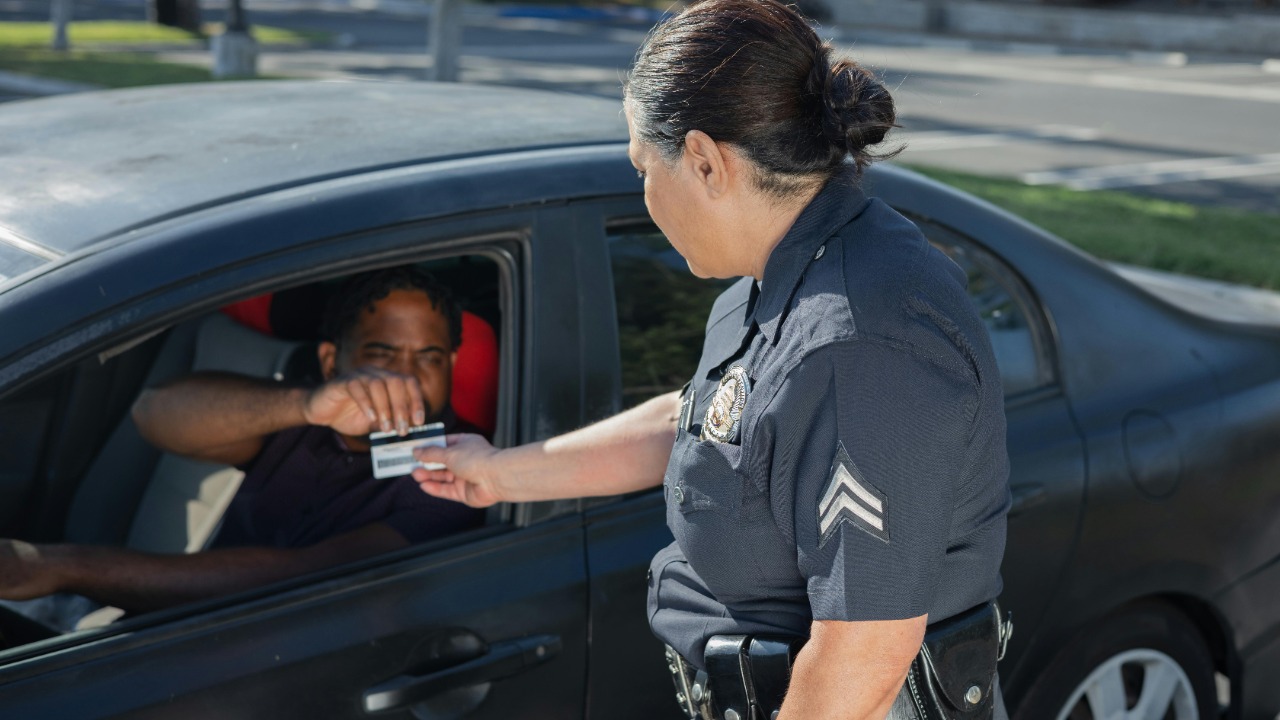
When a patrol car slides in behind you, the officer inside is already building a mental snapshot of your vehicle long before the lights come on. In a matter of seconds, training and technology combine to turn a blur of metal and glass into a set of specific details that can justify a stop, flag a safety risk, or clear you from suspicion altogether. I want to unpack what that rapid scan actually looks like from the driver’s seat of a police car, and how much of it now happens with the help of software you never see.
Understanding that split-second assessment is not just a curiosity for true-crime fans. It shapes who gets pulled over, how safely those encounters unfold, and what kind of data about your movements ends up stored in law enforcement systems long after you have driven away.
What officers are trained to notice before they ever hit the lights
Long before an officer steps up to a window, policy tells them to slow down and take stock. In training materials for traffic enforcement, officers are instructed to start by fixing their own position, noting the exact location of the stop and communicating it to dispatch so there is a record of where the encounter begins and who is involved. That same guidance walks them through the first visual sweep of a car, from the condition of the vehicle to the behavior of the occupants, as part of a structured approach to traffic stops.
In those first seconds behind you, the officer is also weighing context. Time of night, traffic conditions, and driving behavior all feed into a quick risk calculation that shapes how they approach. Officers who answer questions online often describe how the same lane change at 3 p.m. reads very differently at 3 a.m., when impaired driving is more common and they are, as one put it, primarily “checking for DUIs.” That perspective, shared in a discussion where one commenter noted that nearly every time they were pulled over it was within a couple of hours after midnight, reflects how They lean on patterns and probability as much as on any single suspicious maneuver, and how Nearly every late-night stop starts with that mental math.
The plate, the database, and the rise of Automatic readers
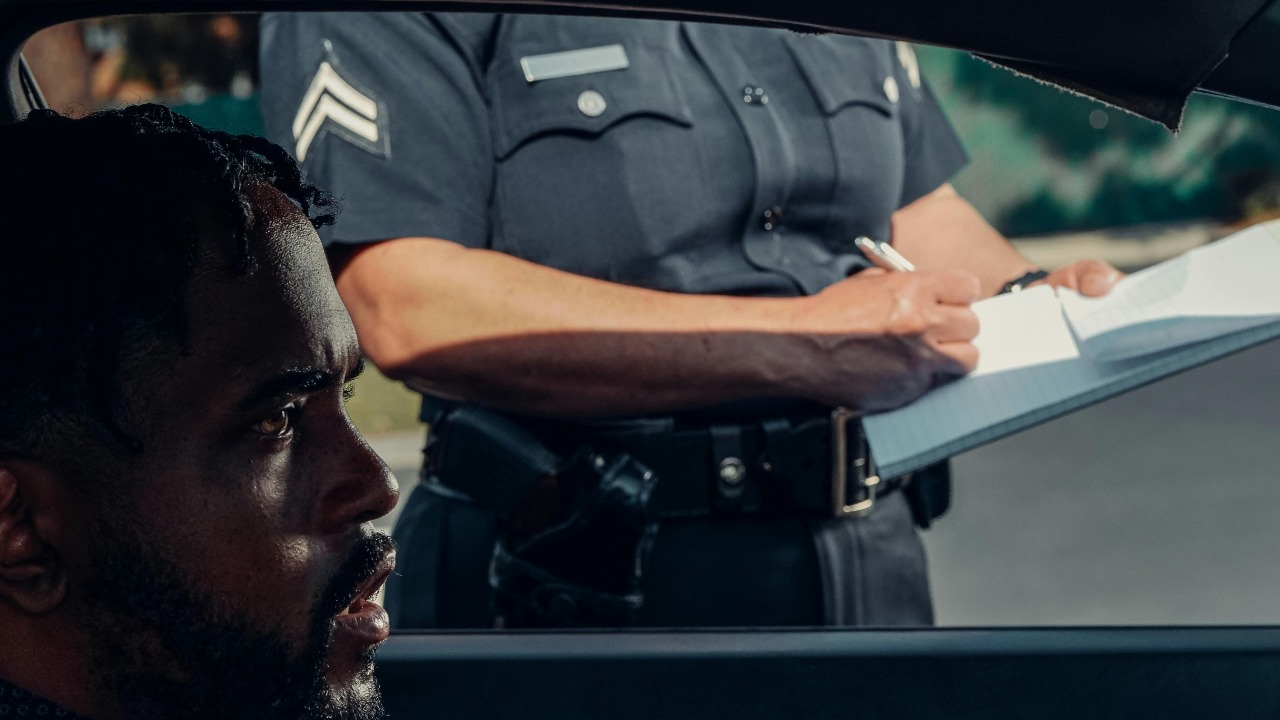
For all the attention on tinted windows or dented bumpers, the most important detail on your car is still the license plate. In many departments, the first thing an officer does after spotting a potential issue is run that plate through a state database to check registration, insurance status, and whether the vehicle is flagged as stolen or linked to a wanted person. Increasingly, that check is not even manual. Automatic license plate readers, often shortened to Automatic in policy debates, use high-speed cameras mounted on patrol cars or fixed objects to capture and process thousands of plates per minute, turning a routine drive through town into a rolling scan of every car in view.
Inside the cruiser, that automation is even more explicit. Automated systems known as ALPR are described as high-speed, computer-operated camera setups attached directly to police vehicles, with software that automatically compares each scanned plate against databases of stolen cars, expired registrations, or outstanding warrants. One industry description of these Automated tools notes that ALPR can read plates at highway speeds and immediately flag a hit on the in-car screen, giving officers a near-instant cue to look more closely at a specific vehicle. That kind of ALPR integration means the “detail” an officer spots in seconds may actually be a quiet alert from the computer riding beside them.
From AMPR hits to real-time alerts in the patrol car
That automation is not limited to still cameras. In one widely shared demonstration, officers walk viewers through how AMPR, another term used for automated plate recognition, works from the front seat of a patrol car. As the vehicle moves through traffic, the system continuously scans plates and cross-checks them against insurance and wanted-vehicle databases, surfacing hits on uninsured or flagged cars without the officer having to type in a single number. The video makes clear that AMPR is designed to operate in the background, turning what used to be a manual, selective process into an always-on filter for risk.
Once a vehicle of interest is identified, the automation does not stop at a simple ping. In one city’s system, the moment a plate matches a watch list, an alert is sent to patrol officers within seconds, complete with a photo of the car, its last known location, and its direction of travel. That means an officer can be several blocks away and still receive a detailed briefing on a suspect vehicle before they ever see it with their own eyes. The description of how Once a match occurs underscores how much of the “spotting” now happens in the network, not just in the officer’s peripheral vision.
Old-school observation: body language, equipment, and unmarked cars
Even with all that software, the human eye still matters. Officers are trained to read how drivers and passengers react the moment they notice a patrol car, whether shoulders stiffen, heads duck, or hands disappear from view. They also pay attention to the details of the vehicle itself: mismatched plates and registration stickers, broken lights, or heavy damage that suggests a recent collision. In some departments, guidance on traffic stops emphasizes that officers should watch for furtive movements and unusual behavior inside the car as they approach, using those cues to decide whether to call for backup or adjust their positioning around the vehicle.
Those same observational skills cut both ways when the police car is the one trying not to be noticed. Unmarked police cars are designed to blend into traffic, but they still need the same gear as any other cruiser, from radios to emergency lighting. That creates telltale signs for anyone who knows where to look. Reports on these vehicles point out that Unmarked units often carry dark-tinted windows, hidden light bars, and antennas that do not match a typical family sedan, and that one accessory officers “cannot resist” is the external spotlight mounted near the driver’s mirror. Those details, highlighted in coverage of how Unmarked cars are built, show that even in an age of databases, some of the most useful clues are still physical hardware bolted to the bodywork.
Inside the cruiser: laptops, GPS, and the quiet flow of data
From the outside, a patrol car looks like any other SUV with a light bar. Inside, it is closer to a rolling office. Each modern police vehicle is typically equipped with a laptop computer that lets officers receive calls for service, write reports, and pull up addresses or prior incidents without returning to the station. Departments that describe their field operations emphasize that these laptops are tied into the latest digital in-car cameras, turning every stop into a documented event that can be reviewed later. One city notes that Each patrol unit carries this setup, which means the moment an officer keys in your plate or steps out of the car, the system is already logging what happens next.
Behind that front-line hardware sits another layer of tracking. Fleet management platforms now give departments a live map of every unit, using GPS to monitor location, speed, and status in real time. One such system, marketed specifically for law enforcement, promises advanced GPS tracking that helps agencies monitor every unit and asset, improve dispatch decisions, and boost officer safety in the field. The description of how Track Star uses GPS underlines that when an officer “spots” your car and calls it in, supervisors can see exactly where that interaction is unfolding and how long it lasts, even if you never notice the antennas that make that connection possible.
Double-checking the tech and the limits on intrusion
For all the sophistication of plate readers and GPS, officers are still expected to verify what the machines tell them. In one account of how new technology helps find stolen cars and fraudulent plates, an officer explains that when the system flags a suspicious plate on the computer’s screen, they can double-check the hit by manually typing the number into their own terminal. That extra step is meant to catch misreads and reduce false stops, a reminder that even the best software is not infallible. The description of how Jun technology is used in practice shows that the final decision to stop a car still rests with a human being who has to reconcile what they see with what the system claims.
There are also legal limits on how far an officer can go once they are at your door. Guidance on search and seizure makes clear that an officer generally needs a specific justification, such as probable cause or a safety concern, before opening your car door without your consent. If they open it without that justification, any evidence they find might not be admissible in court, a standard that applies regardless of how suspicious the vehicle looked from the outside. One legal explainer on whether an officer can open your car door spells out that if the officer opens your car door without this justification any evidence they find might not be admissible in court, underscoring that the quick visual scan from the street does not give them unlimited access to the interior. That boundary is central to the analysis in a video titled Jan, which walks viewers through the scenarios where the law allows more intrusive steps.
Beyond policing: AI “vehicle MRIs” and the future of roadside scans
The same impulse that drives police to automate plate checks is now reshaping how vehicles are inspected for safety and maintenance. In one pilot program, engineers have built what they describe as a “vehicle MRI,” a drive-through system that uses sensors and artificial intelligence to check tires for wear, spot small oil leaks, and flag other mechanical issues in seconds before a person ever looks under the hood. The technology is pitched as a way to catch problems early and keep dangerous cars off the road, with one expert quoted as saying it can detect the smallest of oil leaks and identify safety issues with a high degree of confidence. The description of how Jul vehicle MRI systems work hints at a future where the most important “inspection” of your car happens in a tunnel of sensors rather than at a roadside stop.
As these tools spread, the line between safety inspection and surveillance will only get blurrier. Automatic plate readers already raise questions about how long location data is stored and who can access it, since they log not just hits but every plate they see. Civil liberties advocates warn that Automatic systems, which can capture thousands of plates per minute, create detailed travel histories that can be mined long after the original enforcement purpose has passed. The same concerns will follow any technology that can scan a car’s condition or contents at a distance. When I look at the way Automatic readers have already transformed a simple drive past a patrol car into a data point in a vast archive, it is clear that the “details” officers spot in seconds are increasingly part of a much longer story about how our vehicles are watched, recorded, and remembered.


Leave a Reply