
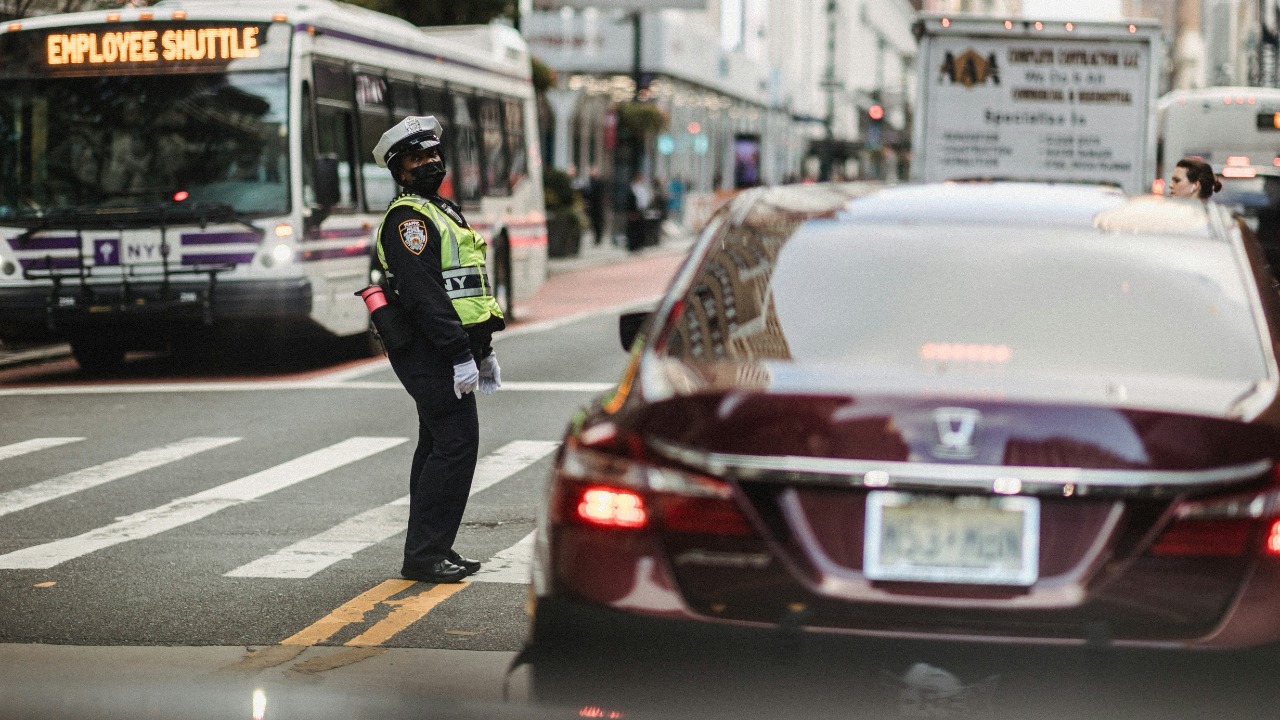
On any given commute, some drivers seem to glide past patrol cars while others find themselves on the shoulder, answering questions under flashing lights. That gap is not random. It grows out of traffic laws, officer training, department priorities, and the messy human judgments that shape who actually gets stopped.
As I look at how those forces interact, a pattern emerges: the same streets and the same rules can feel very different depending on what you drive, how you move through traffic, and even who you are. Understanding that mix will not guarantee you are never pulled over, but it can explain why one driver is waved on while another is suddenly facing a badge at the window.
What officers need before they hit the lights
Before an officer can pull a car over, they are supposed to have a specific legal foothold, not just a hunch. In most situations, that starts with “reasonable suspicion” that a law has been broken, a standard that, as attorney Kevin R. Collins explains in What Police Don’t Tell, is often built on small, observable cues like speeding or rolling through a stop sign. That threshold is lower than “probable cause,” which is the stronger showing needed to search a car or make an arrest, but it still requires more than a vague feeling that something is off.
Once that bar is cleared, the universe of legitimate triggers is wide. Lawyers who defend drivers point to Common Reasons for a Lawful Traffic Stop, from classic traffic violations like failing to signal or making improper lane changes to equipment issues such as a broken taillight. Another breakdown of When Can a Police Officer Pull You Over emphasizes that even a single “Moving Violations” incident, like running a red light, can justify a stop. On paper, then, the difference between the driver who gets questioned and the one who does not can be as simple as who, in that moment, gives an officer a legally recognizable reason to act.
The everyday behaviors that quietly attract attention
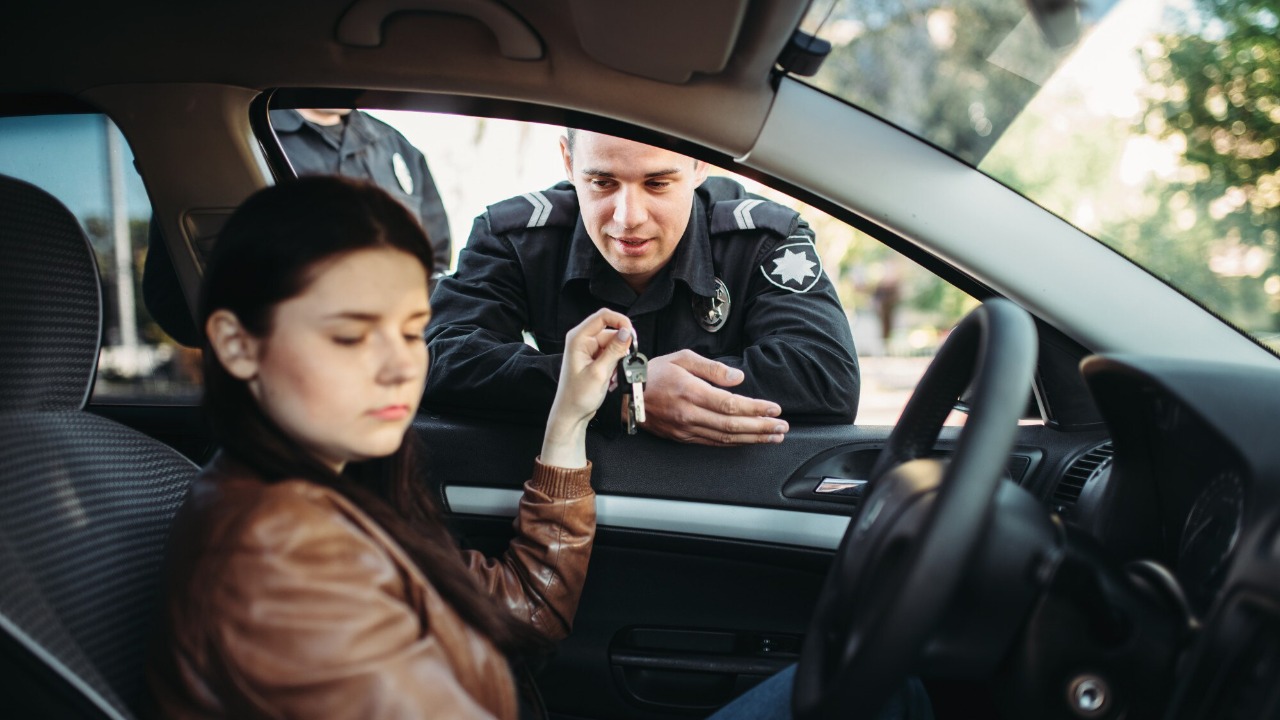
From the driver’s seat, it can feel like enforcement is arbitrary, but officers often describe a mental checklist of behaviors that draw their eyes. In Collins’s guide to What Police Don, he notes that “Common” legitimate reasons include “Observed” traffic violations and “Vehicle” equipment problems, along with erratic driving that suggests impairment, all of which can turn a passing glance into a stop. A separate list of the Speeding offenses that most often lead to tickets underscores how often simple excess speed, drifting between lanes, or tailgating put one car under the microscope while others blend into the flow.
Officers themselves sometimes explain this in blunt terms. In one widely read discussion, a law enforcement commenter on Reddit told a frustrated driver that “Ive” seen people driving poorly without consequences while others are stopped because “Sometimes” maintaining a lane, signaling early, and avoiding sudden braking keeps a car from standing out in the first place, even if everyone is technically over the limit, a point captured in Ive. Safety analysts go further, flagging patterns like hard braking, frequent lane changes, and close following distance as “The Red Flag Violations” that correlate with crashes, a label used in a trucking report that notes “Some” violations are especially harmful or adverse and therefore more likely to draw enforcement attention, as detailed in The Red Flag Violations. In other words, the driver who looks calm and predictable often slides by, while the one who seems rushed or distracted becomes the car an officer chooses to follow.
Discretion, bias, and who gets stopped more often
Even with clear laws on the books, officers still make judgment calls about which cars to stop and which to let go. A study of decision making in Savannah found that, “Based” on observations and debriefings, officers relied on a mix of training, experience, and quick impressions when deciding whether to focus on an individual or vehicle, a pattern described in Based. A criminal justice text on discretion notes that “Officers” make these choices all day and that “They” are influenced by “Many other traits and circumstances,” including neighborhood, time of day, and even officer beliefs or education level, as outlined in Officers. That means two drivers committing the same minor infraction can face very different outcomes depending on who is watching and what else is happening around them.
Those discretionary choices do not fall evenly across communities. Researchers who examined millions of stops found that “They” saw Black drivers making up a smaller share of those stopped at night, when it is harder to see who is behind the wheel, compared with daylight stops, a pattern that suggests race plays a role in who gets pulled over, as reported in . Civil rights advocates warn that traffic codes, which give “Police” more than “500” different reasons to stop drivers, create room for those biases to operate under the cover of neutral enforcement, especially when the stated focus is road safety, drunk driving, and speeding, as described in Police. For the driver who is stopped again and again while others seem invisible, the explanation often lies not just in how they drive, but in how they are seen.
Department priorities and why some places feel “hands off”
Beyond individual officers, department policy shapes how aggressively traffic laws are enforced. In some cities, leaders have pulled back from low-level stops, arguing that limited resources should go to serious crime. In Denver, for example, “DPD” shifted away from minor traffic enforcement, and its chief, Ron Thomas, described “What” success looks like after traffic stops dropped nearly 50 percent since May, a change detailed in DPD. When a department makes that kind of pivot, the same rolling stop that might have drawn blue lights a year earlier can suddenly pass without comment, which is why drivers in one city may feel constantly monitored while those in another rarely see anyone pulled over.
Rank and file officers sometimes describe the flip side of that shift in candid online conversations. In a thread titled “Why don’t police pull people over in my state?”, one commenter explained that “Jun” staffing shortages mean “There” are fewer patrol units on the road, that “Most” departments are stretched thin, and that “Due” to those constraints, officers frequently prioritize calls for service over discretionary traffic stops, as captured in Jun. Local public safety agencies also acknowledge that “Most of the” time there is a concrete reason for a stop, whether it is a moving violation or suspicion of another crime, as the Newark Department of Public Safety notes in its guidance on being Most of the time officers act on observed behavior. Put together, those choices mean that in some jurisdictions, drivers can go months without seeing a traffic stop, while in others, enforcement remains a daily presence.
Pretext, rights, and how a simple stop can escalate
Not every stop is only about the traffic code. In “pretextual stops,” an officer uses a minor violation, like tinted windows or expired registration, as the legal hook to investigate a hunch about more serious crime, a practice described in a Report on Pretextual Stops. That means two drivers with the same cracked windshield can have very different experiences: one gets a warning and drives away, while the other is questioned at length because the officer suspects unrelated criminal activity. For drivers, that gray area is often where a routine interaction starts to feel like something more.
Once the car is on the shoulder, the legal standard shifts again. To move from a basic stop to a search or arrest, officers typically need “probable cause,” which can be built on sensory clues like “Open” container of alcohol in the cupholder, visible drug paraphernalia, slurred speech, confusion, red eyes, a flushed face, or a strong smell of alcohol, all of which can justify a breath test, as outlined in Open. DUI defense lawyers note that “A police officer with probable cause might” start with a red light violation, then build a case based on what they observe at the window, although in some DUI cases that evidence may not hold up, as described in That is why a driver who smells of alcohol or seems disoriented is far more likely to face a prolonged stop than the one who simply forgot to signal.
Knowing where those lines are can change how a stop unfolds. Civil rights attorneys stress that “Your Fourth Amendment Right” protects you from unreasonable searches and that “The Fourth Amendment” requires officers to have specific facts suggesting you committed a crime or infraction before they dig deeper, a point explained in Your Fourth Amendment Right. One legal explainer on video walks through “Feb” scenarios where probable cause is and is not present, breaking down what gives officers the right to stop you in the first place, as discussed in Feb. Another North Carolina focused clip titled “Nov” offers five traffic stop tips to “outsmart cops,” emphasizing calm communication and clear boundaries, as seen in Nov. The more a driver understands those rules, the less likely a routine question about a lane change is to spiral into something more serious.
Who gets tickets, who gets warnings, and how drivers can respond
Even after a stop, there is still a gap between being questioned and being cited. Data on “The Likelihood of Getting” a “Traffic Ticket” by “Age and Gender” shows that police pull over more than “32 m” drivers in the United States each year and that age and gender can play an important role in who ends up with a citation, as reported in The Likelihood of Getting. Safety educators note that younger drivers, especially men in their teens and twenties, are more likely to speed or take risks, which in turn raises their odds of being both stopped and ticketed. That helps explain why one car leaves with a warning while another, driven the same way but by a different person, leaves with a fine.
For drivers who want to stay off the shoulder altogether, the advice from lawyers and safety experts is surprisingly consistent. They urge people to avoid the behaviors that most often lead to crashes, like the failure to yield that can cause a T-bone collision when a driver with the right-of-way moves through an intersection while another who should stop does not, a scenario described in A common scenario. They also point out that a single lapse, like running a red light, can be the opening for a deeper investigation that uncovers other alleged offenses. Legal guides on “Jun” traffic stops remind drivers that “Common Reasons for” being pulled over are often simple to avoid with a bit more patience, as discussed in Common Reasons for. None of that erases the role of discretion or bias, but it does give drivers a clearer sense of why some are questioned while others roll on, and what they can control the next time they see a patrol car in the rearview mirror.

Leave a Reply