
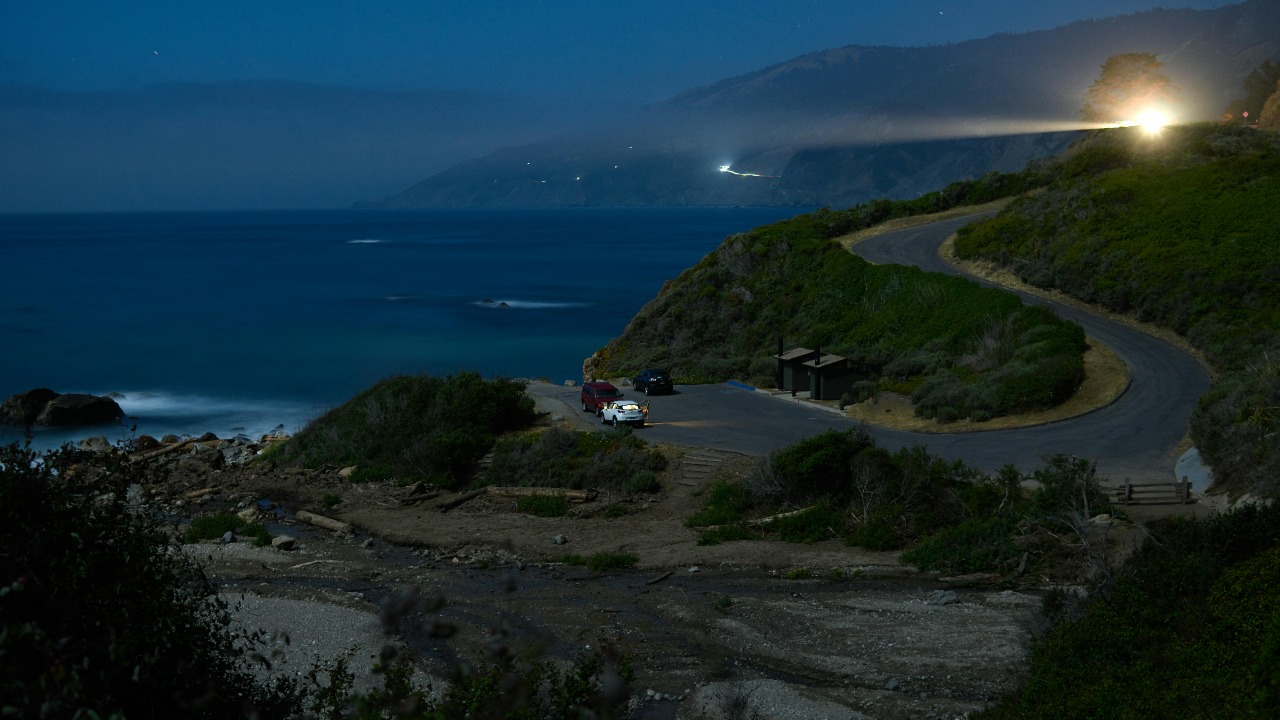
Why night driving turns risky roads into something worse
When I talk with long haul drivers, a pattern comes up quickly: they treat darkness as a multiplier on every existing hazard. A curve that feels tight at noon becomes a blind gamble at midnight, and a narrow shoulder that looks manageable in daylight can vanish completely in the glare of oncoming beams. Veteran drivers describe a simple rule of thumb, if a road feels unforgiving in daylight, it can turn hostile after dark, a point that lines up with accounts of US routes even seasoned truckers avoid. Every extra variable, from surprise wildlife to sudden crosswinds, lands harder when your only warning is a split second of reflection in the high beams.
The data backs up what those drivers feel in their gut. Safety analysts point out that, statistically, the most dangerous trips you take are the ones that happen after the sun goes down, a pattern tied to reduced visibility, fatigue, and a higher share of impaired drivers on the road. Guidance for nervous motorists stresses that night driving demands sharper focus, cleaner windshields, and headlights that actually give you a clear view of the road ahead, because statistically speaking, the most dangerous trips are the ones where you are relying on those beams alone. I have heard more than one driver compare it to flying on instruments, except your “cockpit” is a 2015 Honda Civic with streaky wipers and a cracked headlight lens.
Cliffside corridors and mountain passes that haunt professionals
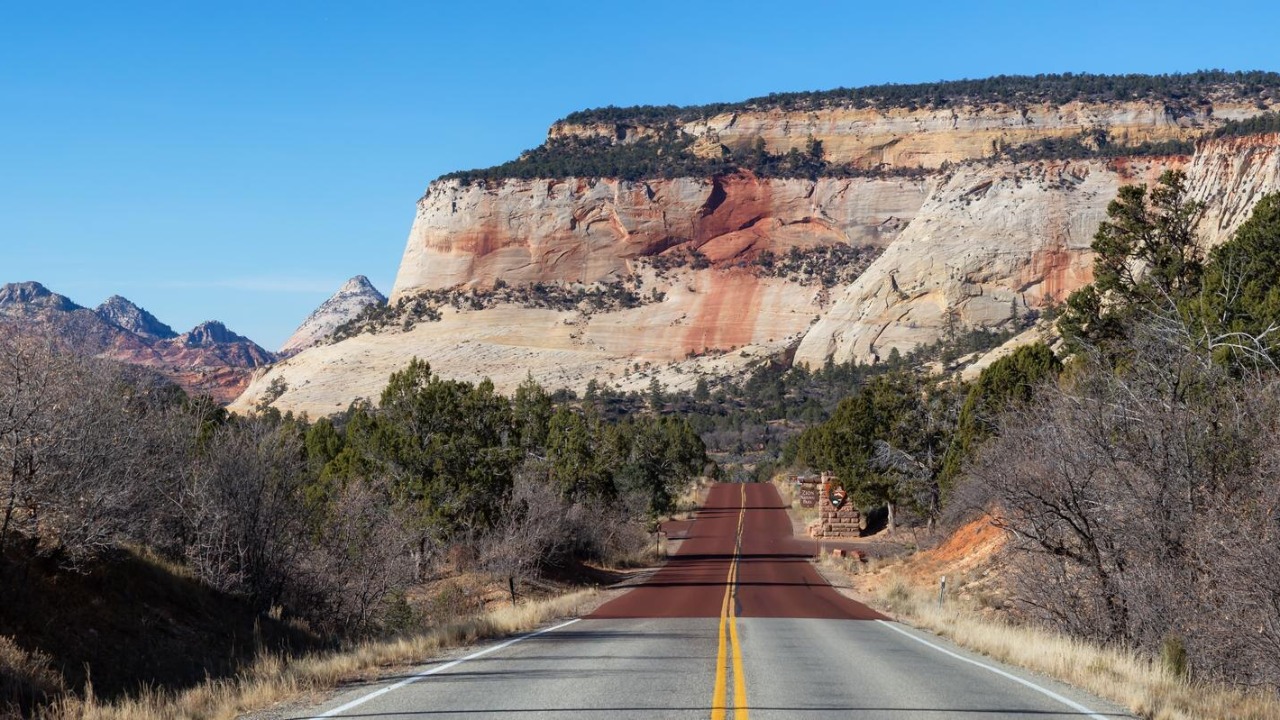
Some roads earn their reputation simply by where they are carved. In the Rockies, the Million Dollar Highway, part of US‑550 in Colorado, threads along sheer drops with minimal guardrails and a string of tight curves that demand constant attention. I have driven enough high country to know that even in perfect weather, that combination of altitude, exposure, and hairpin turns can leave your palms damp, and veteran truckers say they will plan their schedules to avoid tackling those kinds of passes after dark if they can help it. Travel writers describe this stretch as one of the most Dangerous Road Trips Across the US for Brave Travelers, and the “brave” part feels less like marketing and more like a quiet warning once you picture a fully loaded rig meeting black ice on a curve with nothing but air on the other side.
That same mix of beauty and risk shows up on the Pacific coast, where drivers swap stories about Big Sur and the Moccasin grade as if they are characters in a ghost tale. One road tripper recalled that Big Sur and the Moccasin grade, especially the steep section they called “Esp the” part that always gave nightmares, combined rapid elevation changes with curves that never quite let you relax. Accounts from professional drivers echo that feeling, describing mountain passes and cliffside corridors where the glare of oncoming headlights hides the edge of the pavement and the margin for error shrinks to inches, a pattern highlighted in reporting on mountain passes and cliffside corridors that even veterans dread. On those nights, the road is not just a route, it is a test of how long you can hold your nerve without a single lapse.
Remote highways where help feels very far away
Not every feared road hangs off a cliff. Some of the most unnerving stretches are the ones where you can drive for an hour without seeing another set of taillights. In the interior West and across parts of the South, long, straight highways lull drivers into a false sense of security, then punish any mistake with a long wait for help. Veteran truckers talk about certain US corridors where they will top off the tank early, check their spare, and send a last text before losing cell service, because they know that if something goes wrong at 2 a.m., the nearest tow truck might be a county away. Lists of 7 US highways truckers refuse to drive at night often start with Interstate routes like Interstate 95, which combine heavy traffic with long rural gaps where a breakdown can quickly turn from an inconvenience into a real safety problem.
On those roads, the danger is as much psychological as physical. When the horizon is nothing but darkness and the radio starts to fade, fatigue creeps in faster, and with it the temptation to glance at a phone or fiddle with a navigation app. Safety researchers warn that Distracted driving has quietly become just as corrosive as speeding or drunk driving, especially on high speed corridors where even small lapses of attention can have outsized consequences. Studies that analyze phone metadata and telematics from vehicles show how often drivers are looking away from the road, and on a lonely stretch of Interstate, that momentary distraction can be the difference between spotting a stalled car in time and plowing into it at full highway speed.
Urban corridors where the danger never sleeps
City drivers sometimes assume that the scariest roads are all in the mountains or the desert, but the numbers tell a different story. In places like Texas, major arterials double as neighborhood streets, and the mix of pedestrians, buses, and high speed traffic can be brutal after dark. Local crash data shows that Culebra Road ranks among San Antonio’s most dangerous traffic corridors, a label that reflects a steady pattern of serious collisions rather than a single headline grabbing crash. When I talk with local drivers, they describe a road that feels like a gauntlet at night, with sudden lane changes, limited lighting, and side streets feeding in at odd angles.
What makes these urban stretches so unforgiving is the density of decisions you have to make in a very short distance. Unlike a rural highway, where you might go miles without touching the brakes, a corridor like Culebra Road forces you to juggle crosswalks, turning traffic, and impatient drivers who treat yellow lights as suggestions. Veteran delivery drivers tell me they will adjust their routes to avoid certain intersections after dark, even if it adds time, because they have seen too many close calls. When I overlay those stories with the crash maps, the pattern is hard to ignore, the roads that feel chaotic at night are often the same ones that show up as most dangerous traffic corridors in official data.
Island crossings and inland shortcuts that locals respect
Some of the roads that spook even confident drivers are not long interstates at all, but short, intense crossings that cut through rugged terrain. On Hawaii’s Big Island, Hawaii Route 200, also known as Saddle Road, slices between volcanoes on the Big Island and has long carried a reputation for unpredictable weather and limited services. Locals know that once you commit to that Route, you are in it for the duration, and that fog, rain, or sudden crosswinds can roll in without much warning. When I hear residents talk about Saddle Road, there is a mix of pride and caution, a sense that it is both a vital shortcut and a place where you do not take chances, especially at night.
Even on the mainland, there are pockets where geography and design combine into something that feels more like a mountain pass than a state highway. Some of these stretches show up in travel features that spotlight Dangerous Road Trips Across the US for Brave Travelers, complete with images by photographers like Carol Highsmith that capture both the beauty and the risk. Others are cataloged in guides to America’s most feared roads, where routes like Saddle Road sit alongside mainland highways that share the same DNA, narrow lanes, limited lighting, and few places to pull off if something goes wrong. When I stitch those accounts together, what emerges is not a list of “do not enter” zones, but a map of places where respect for the road is non negotiable.
How veteran drivers actually stay alive out there
Listening to people who make their living behind the wheel, I am struck by how practical their fear is. They are not swapping ghost stories, they are trading survival tactics. Long haul drivers talk about planning their days so that the worst stretches, whether it is a cliffside section of US‑550 or a congested run on Interstate 95, fall in daylight whenever possible. They share mental notes about which truck stops feel safe, which exits have decent lighting, and which shortcuts are not worth the risk after dark, a kind of informal atlas that mirrors more formal lists of roads even seasoned truckers avoid. I have watched drivers in yard lots walk around their rigs with a flashlight before a night departure, checking tires and lights with a focus that borders on ritual.
For everyday drivers, the lessons are surprisingly similar. The pros I speak with urge people to slow down on unfamiliar roads, keep their headlights clean and properly aimed, and resist the urge to push through fatigue just to shave a few minutes off the ETA on Google Maps. They also stress the value of local knowledge, whether that is a dispatcher warning about black ice on a pass or a neighbor explaining why a particular intersection on Culebra Road feels like a trap after 9 p.m. When I look at maps of high risk corridors and compare them with the routes that truckers quietly blacklist, the overlap is hard to miss. The roads that scare the people who know them best are not just legends, they are early warning signs for the rest of us, reminders that the line between a routine drive and a life changing crash can be as thin as a faded white stripe in the dark.



Leave a Reply