
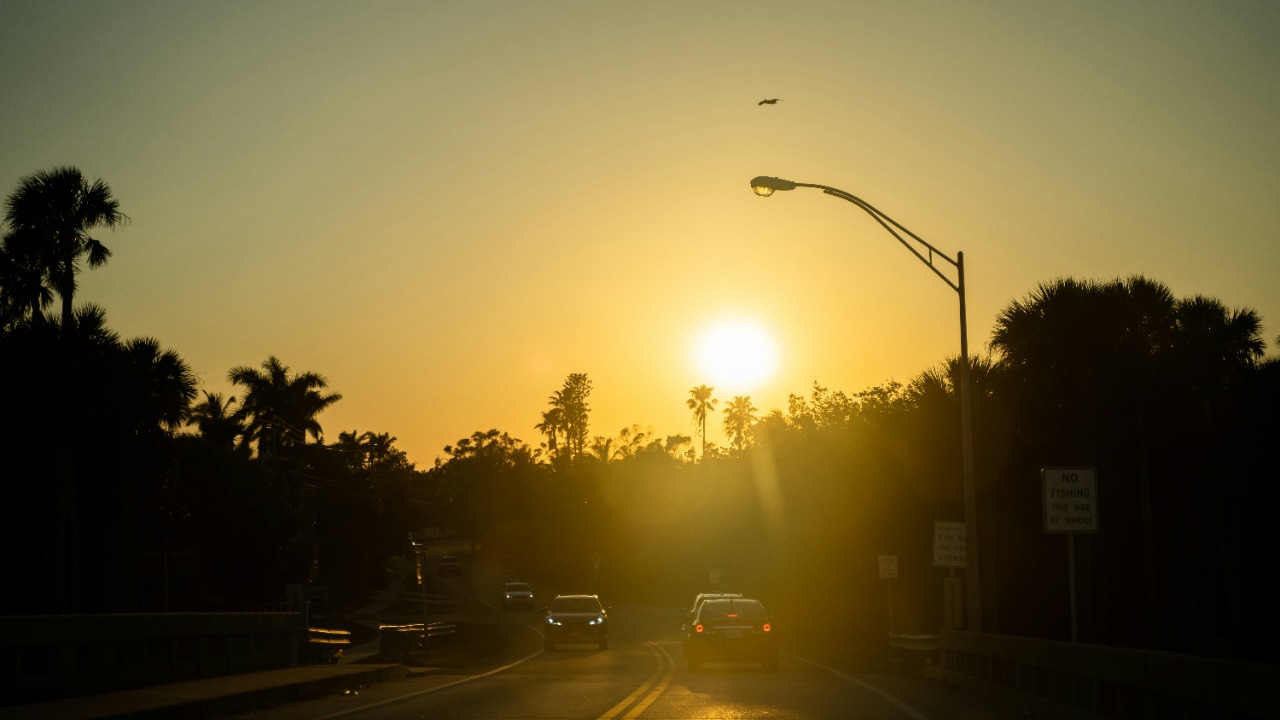
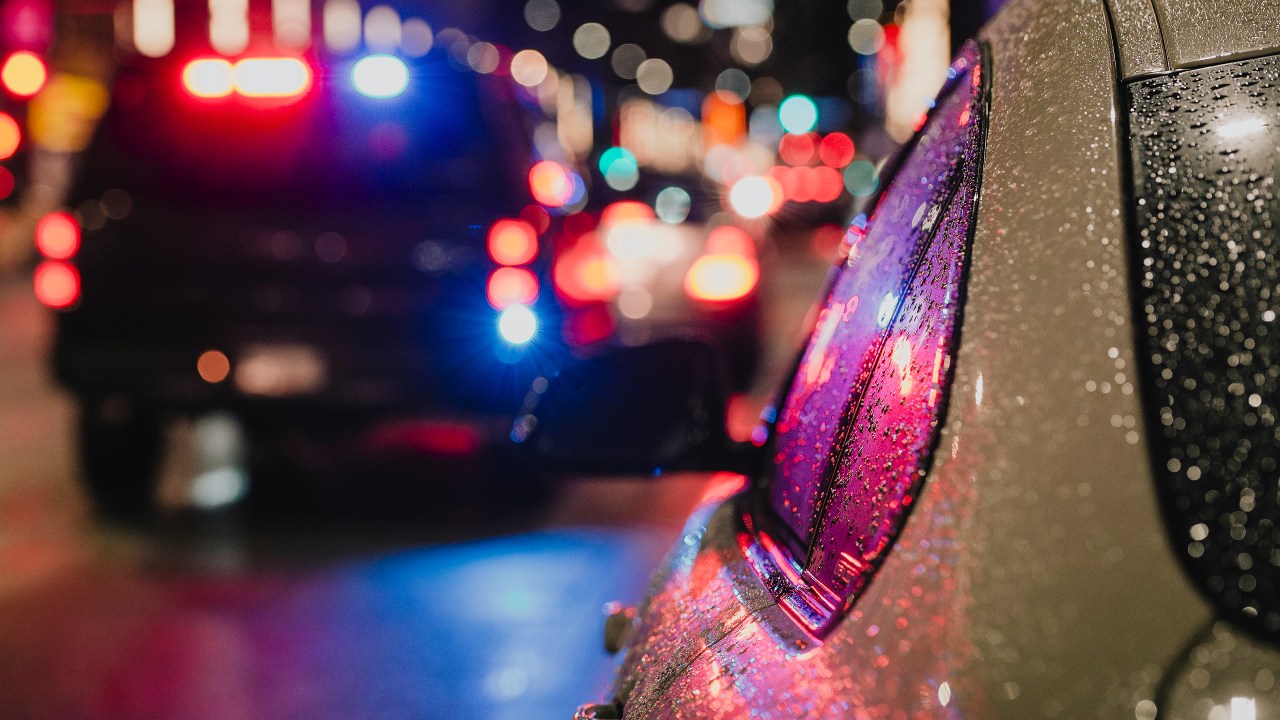
Seasoned drivers in the United States rarely talk about it in so many words, but most of us have a quiet threshold when the sun dips and the road ahead starts to feel less like a commute and more like a calculation. The line is not just about age, eyesight, or fear, it is about how much risk we are willing to carry home with us after dark. I have spent years listening to motorists describe that moment when they simply decide the trip can wait until morning, and their stories reveal a surprisingly consistent set of limits.
When the golden hour turns against you
For many experienced motorists, the first line they draw is not at night at all, it is in that tricky window as the workday ends and the sun hovers low on the horizon. The same light that makes a landscape look cinematic can turn a windshield into a blinding mirror, and I have heard countless drivers describe how they time their departures to avoid staring straight into that glare. One legal guide notes that as people leave work in the evening, Most are happy to be heading home, yet they suddenly find it hard to see where they are going when the sun lines up with their lane.
That moment is where a lot of veteran drivers quietly change their habits. I have spoken with commuters who will linger at the office or a coffee shop for half an hour so they are not driving straight west into the sun, and others who reroute onto tree lined side streets just to break up the glare. They know from experience that once their eyes are straining, their reaction time drops, and they are more likely to miss a cyclist in the shadows or a brake light ahead. The choice to wait out the worst of the low sun is not about being timid, it is a practical boundary that recognizes how quickly visibility can collapse as the day tilts toward night.
The quiet self regulation of older drivers
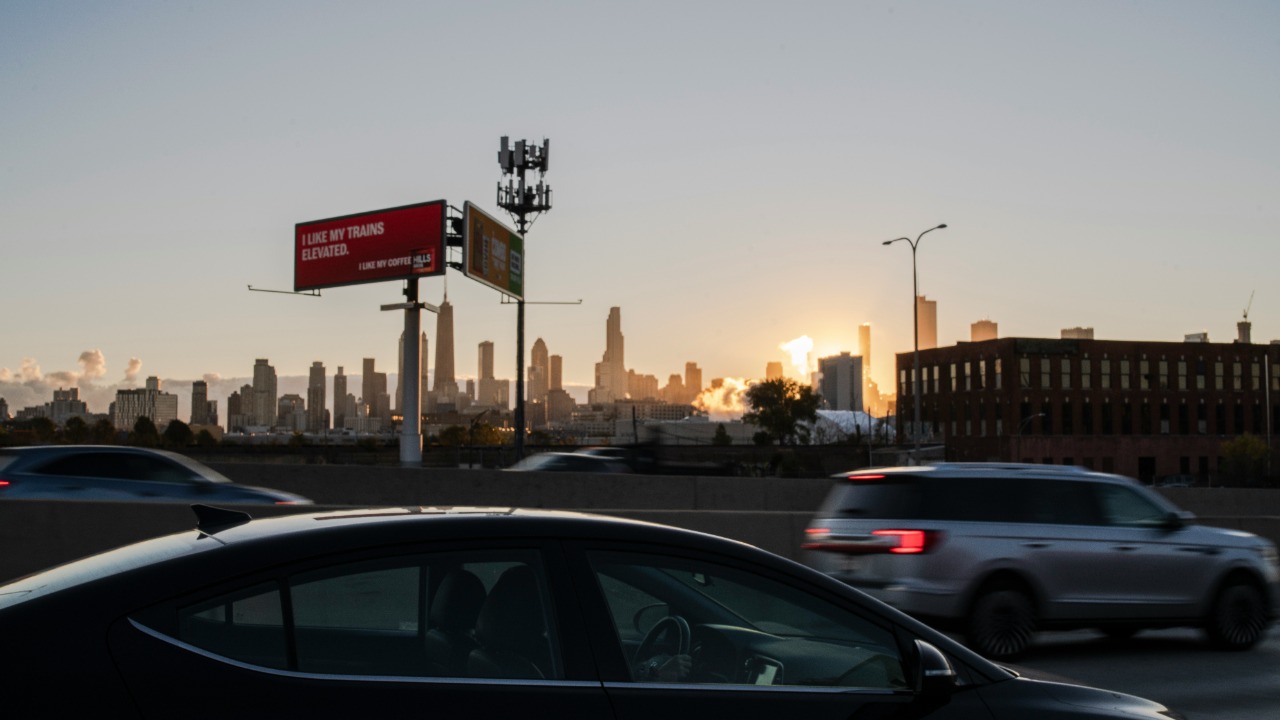
As daylight fades entirely, another group of seasoned motorists starts making different calculations. Older drivers, in particular, often describe a moment when they realized that the road they had driven for decades suddenly felt unfamiliar after dark, even though nothing had changed but the light. One analysis of licensing data notes that in 2020 there were some 48 m licensed drivers over 65 in the United States, and many of them already limit their own driving at night rather than waiting for a doctor or a family member to intervene.
When I talk with older motorists, they rarely frame this as giving up the keys. Instead, they describe a series of small, deliberate choices: no more long highway trips after dinner, no more unfamiliar rural roads once the sun is down, and a hard stop on social events that would have them driving home at midnight. They have learned that headlights can create halos, that depth perception changes, and that fatigue hits harder in the evening. The most common adjustment they mention is simple but profound, they decide that the safest trip is the one they do not take after dark, and they reorganize their lives so that errands, medical appointments, and visits happen while the sun is still up.
When the road becomes a destination instead of a route
Not every driver who pulls off the road at dusk is doing it out of caution, some are chasing beauty. Along scenic routes like California’s coastal Highway 1, it is common to see cars lined up on the shoulder as the sky turns orange and the ocean reflects the last light of the day. One travel account notes that In the evenings, drivers routinely pull off the side of the highway to catch the sunset, turning what could be a risky low light drive into a shared pause.
I have always been struck by how this kind of stop blends pleasure with prudence. The motorists who ease onto a turnout to watch the sky are also giving their eyes a break from the constant adjustment between bright western light and the dark interior of their car. They are letting the traffic thin out, checking their phones for the next stretch of directions, and sometimes waiting until the sun has fully dropped so they can drive with a consistent level of darkness instead of a shifting mix of glare and shadow. In that sense, the decision to treat the road as a destination for a few minutes is another way seasoned drivers manage the transition from day to night on their own terms.
Fatigue, freight, and the hard stop for professional drivers
For truckers and other professional drivers, the line after sunset is often drawn by a different force, the collision of fatigue and schedule pressure. I have heard long haul drivers describe how dispatchers and delivery windows tempt them to keep rolling through the night, even when their bodies are begging for rest. One health focused guide on commercial driving warns that to gain on travel deadlines, drivers may choose to drive all hours, yet But for safety reasons they should not drive a truck when they are sleepy, especially in nighttime conditions that already make the road more dangerous.
Seasoned truckers will tell you that the bravado of pushing through the night wears off quickly once you have had a near miss on a dark interstate. Many of them eventually adopt strict personal rules that go beyond what regulations require, such as never starting a new leg of a trip after a certain hour, or always stopping for a real sleep break instead of a quick nap when their eyelids start to droop. They know that the combination of heavy equipment, high speeds, and limited visibility leaves almost no margin for error. The line they draw is not just about their own safety, it is about the families in minivans and compact cars sharing the road with them, and it is enforced by the memory of every close call they have had in the small hours of the night.
Motorcyclists and the razor thin margin after dark
If drivers in cars feel the road tighten after sunset, riders on two wheels feel it even more sharply. I have listened to motorcyclists describe how the same stretch of highway that feels exhilarating at noon can turn unnerving at 9 p.m., when headlights from oncoming traffic wash out the edges of the lane and every patch of darkness might hide gravel or a pothole. In one online discussion, a rider responding to a nervous beginner urged them to be Extra, extra careful, stressing that Tires are important, Really, and that You will eventually say you wish you had invested 200 dollars more in good rubber.
Veteran riders often set even stricter personal curfews than drivers in cars. Many refuse to ride on unlit rural roads after dark, knowing that deer, loose gravel, or a sudden curve can appear with almost no warning. Others will only ride at night in urban areas where streetlights and slower speeds give them a bit more room to react. They upgrade their headlights, add reflective tape to their jackets, and choose routes with better pavement, but the most important decision they make is often the simplest, they leave the bike parked when conditions fall below the standard they know they need to stay upright.
Dark skies, bright stars, and the limits of visibility
There is a different kind of night driving line that shows up in communities that prize darkness itself. In parts of the American West, local leaders have worked to keep the sky free of glare so residents and visitors can see the Milky Way, a goal that has ripple effects on how people drive after sunset. One report describes how Southwest towns such as TAOS, New Mexico, have acted to preserve starry nights by limiting certain kinds of lighting, which means the roads around them can feel much darker than what urban drivers are used to.
Motorists who live in or visit these dark sky regions quickly learn that their usual assumptions about visibility no longer apply. They rely more heavily on their own headlights, slow down on unfamiliar curves, and sometimes avoid long nighttime drives altogether, especially on two lane roads without shoulders. The tradeoff is intentional, residents accept that driving may require more caution after dark in order to keep the sky above them free of the orange haze that blankets so many cities. For seasoned drivers, the line they draw here is not just personal, it is part of a community decision to value the stars enough to live with a little more darkness on the ground.
Community ties and the social side of calling it a night
There is also a social dimension to how experienced motorists decide when to stop driving after sunset. In small towns and tight knit neighborhoods, people often coordinate rides, event times, and even meeting locations around the comfort levels of older or more cautious drivers. A local column about community events, for example, invites readers to Contact David at a number that begins with 705 for more information on curling bonspiels and ticketed events, a reminder that in many places, the people organizing gatherings are also thinking about how and when their neighbors will get home.
In conversations with longtime drivers, I often hear about informal carpools that form specifically to avoid solo night driving, especially in winter when darkness falls early. Friends will agree that one person who is more comfortable after dark will handle the wheel, while others contribute gas money or snacks. Churches, clubs, and senior centers shift their schedules so that meetings end before the streets are fully black. These small accommodations add up to a culture where drawing a line after sunset is not seen as a weakness, but as a normal part of looking out for one another.
Where I draw the line, and why it matters
After years of listening to these stories, I have my own boundaries that mirror what so many seasoned motorists describe. I avoid heading straight into the low western sun when I can, I think twice before committing to a long highway run after a full day of work, and I pay attention to that subtle moment when my eyes start to feel dry and my focus slips. I have learned from older drivers who quietly reorganized their routines, from truckers who chose sleep over schedule, from riders who will not roll their bikes out of the garage after a certain hour, and from communities that dim their lights so the stars can shine.
In the end, the line experienced U.S. motorists draw after sunset is less about fear and more about respect, for physics, for biology, and for the people sharing the lane. Each decision to wait for daylight, to pull into a turnout and watch the sky, or to hand the keys to someone fresher behind the wheel is a small act of judgment that keeps the road a little safer for everyone. I see those choices not as limits, but as the quiet, everyday wisdom of people who have spent enough nights on the highway to know when it is time to head home and when it is better to simply stay put.


Leave a Reply