
Classic cars were supposed to be the one indulgence that always held up, the rolling 401(k) you could polish on weekends. Instead, hard data now shows values slipping faster than many owners or dealers were prepared to admit, and the shift is reshaping who buys, what sells, and how long cars sit unsold. The romance around chrome and carburetors has not vanished, but the market is behaving less like a safe haven and more like any other discretionary luxury that can fall out of favor.
As I look across recent sales figures, model-specific corrections, and the changing tastes of younger enthusiasts, a clear pattern emerges: demand is thinning at the top just as supply floods in from aging collectors who are ready to cash out. The result is a market where sellers are chasing yesterday’s prices, buyers are suddenly choosy, and some once untouchable nameplates are quietly being repriced in real time.
Muscle car prices hit the brakes
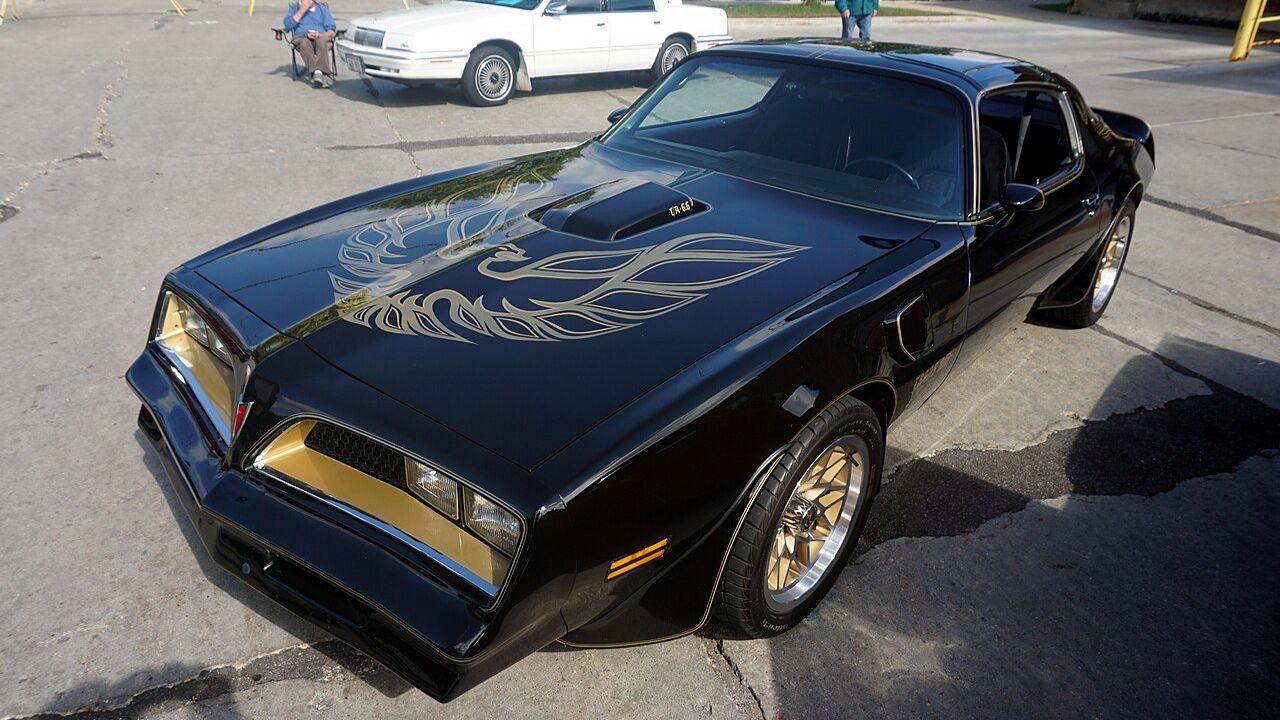
The sharpest reality check is landing on old-school American muscle, the very segment many people assumed would always command a premium. What some owners still describe as a temporary lull is, in the numbers, a sustained slide that shows old muscle cars losing value faster than anyone expected. One detailed analysis notes that economic pressure is squeezing discretionary buyers so hard that they can afford to be choosy, which is a polite way of saying that the days of paying any price for a big-block badge are over.
In that same reporting, the data-driven verdict is blunt: what feels like a soft patch to some owners is, in the spreadsheets, a clear downward trend. I read accounts of sellers who still anchor their expectations to peak auction results, only to watch their cars sit while better documented or more original examples move at reduced prices. The story even highlights how the numbers are so stark that they are described with phrases like Hard numbers show values dropping faster than expected, and that gap between sentiment and reality is exactly where many muscle car owners now find themselves.
Is this a crash or a reset?
Whenever prices fall, the word “crash” starts flying around, but the picture in collector circles is more nuanced than a simple boom and bust. Market watchers who track thousands of transactions point out that some segments are down while others are flat or even slightly up, which is why one detailed breakdown frames the current landscape as “down 11 percent or up 4 percent” depending on which slice of the market you examine. In that analysis, the author asks Are the numbers signaling a bottom or just a pause before further declines, and the answer is that it depends heavily on what you own.
Video commentators are wrestling with the same question from a more seat-of-the-pants perspective, weighing whether this is a classic car market collapse or the best time to buy. One widely shared clip from Aug walks through what is hot and what is not, and the host of that Aug market deep dive argues that while some headline-grabbing models have clearly come off their highs, the broader scene looks more like a normalization after a speculative surge. I find that framing persuasive: if you bought at the top, it feels like a crash, but if you are a patient buyer with cash, it looks like overdue sanity returning to asking prices.
Generational taste is reshaping demand
Underneath the price charts, there is a quieter but more powerful force at work: the people who grew up idolizing certain cars are aging out of the market, and the next wave of buyers simply does not share the same nostalgia. One detailed look at eight specific models that are losing steam leans on a blunt saying, noting that Pop Culture Trends, You can’t sell an old man’s car to a young man, and then shows how that plays out in real auction results. The cars in question are not bad machines, they are simply out of sync with what younger enthusiasts want to drive, photograph, and share.
That same analysis notes that Buyers in their thirties and forties are gravitating toward vehicles that match their own formative memories, which increasingly means analog cars from the 1980s, 1990s, and early 2000s rather than stately sedans from the 1950s. The report even suggests that some of the hottest models of the last cycle may have been a trendy bubble, inflated by short-term fashion rather than deep emotional attachment. As I see it, that is the real long-term risk for any classic: once the generation that loved it stops writing checks, values can drift for years before finding a new level.
Icons under pressure: Ferrari 308 and 328 as a case study
Nothing captures the mood shift quite like watching once aspirational exotics get marked down. The Ferrari 308 and 328, which spent years as shorthand for 1980s glamour and television fame, are now textbook examples of a market correction. A detailed buyer’s guide notes that The Ferrari 308 and 328 have moved from unobtainable dream cars to realistic options for shoppers who once would have settled for something far more ordinary, precisely because asking prices have softened.
In that same report, the author spells out how Collectors who bought at peak valuations are now facing “massive price drops” as more examples come to market and buyers scrutinize maintenance histories with fresh skepticism. The figures 308 and 328 are not just model numbers in this context, they are shorthand for a broader reality: even blue-chip badges are not immune when supply rises, running costs stay high, and younger shoppers weigh them against newer, more usable performance cars. From my vantage point, that is a warning sign for any segment that has been coasting on brand mystique rather than real, lived-in enthusiasm.
Where the opportunity lies for patient enthusiasts
For all the anxiety, there is a silver lining for people who love driving more than speculating. As prices ease, cars that were once locked away in collections are becoming attainable for enthusiasts who plan to put miles on them, not just park them under soft covers. The same market watchers who tally the declines also point out that some categories are only down modestly or even slightly up, which is why that “down 11 percent or up 4 percent” framing matters: it reminds me that the collector car world is not a single monolith but a patchwork of micro markets that move at different speeds. In the United States, a market segment can be down double digits while another is up over the same period in 2024, and that spread is exactly where savvy buyers can find value.
When I talk to enthusiasts who are still active in this space, the happiest ones are those who treat their cars as experiences rather than investments. They are the people who see a softening market not as a personal loss but as an invitation to finally buy the car they have always wanted, whether that is a driver-grade muscle coupe, a slightly scruffy 1990s Japanese sports car, or a once-unobtainable European icon that has drifted back into reach. The current reset is painful for anyone who counted on perpetual appreciation, but for those of us who value the drive more than the chart, a cooler market might be the most exciting development in years.



Leave a Reply