
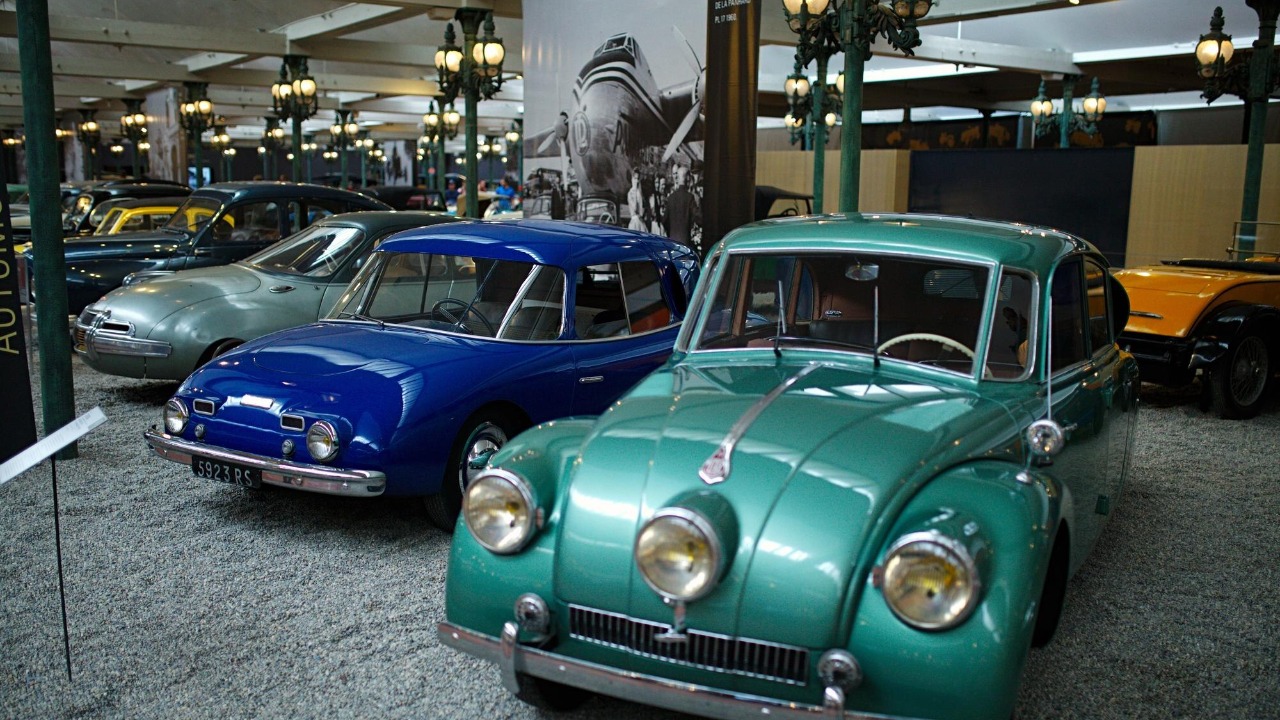
Across the collector world, some of the most coveted “dream cars” are quietly being pushed to the back of the garage, then rolled across the auction block with surprisingly soft results. Values that once felt bulletproof are slipping, and the models taking the biggest hit are often the ones that looked safest just a few years ago. The shift is not a sudden crash so much as a reordering of taste, cost and performance, and it is reshaping which classics serious buyers are willing to hold.
As I have watched this market reset, a pattern has emerged: the cars falling out of favor tend to be expensive to maintain, underwhelming to drive by modern standards, or hopelessly out of step with what younger enthusiasts actually want. Collectors are not abandoning the hobby, but they are becoming far more selective about which keys they keep.
From unstoppable asset to fragile luxury
For more than a decade, classic cars were treated as a kind of rolling blue-chip investment, with the Knight Frank Luxury Investment Index turning them into a line item alongside art and wine. According to the Knight Frank Luxury Investment Index, that long run of outperformance has cooled, and the broader market for collectible cars is no longer marching straight upward. That shift has exposed which models were being propped up by hype rather than deep, durable demand, and it is those once-hyped “can’t lose” cars that owners are now quietly unloading.
The adjustment is especially visible in the United States, where a long stretch of uninterrupted appreciation had conditioned buyers to expect every auction to set a new record. In the US, a market where prices for collector cars had not declined in years has now seen two consecutive years of falling values, even as some segments still manage modest gains. That split personality explains why some owners feel like the sky is falling while others see opportunity, and it sets the stage for the quiet dumping of specific models that no longer justify their price tags.
The “dream cars” losing their shine
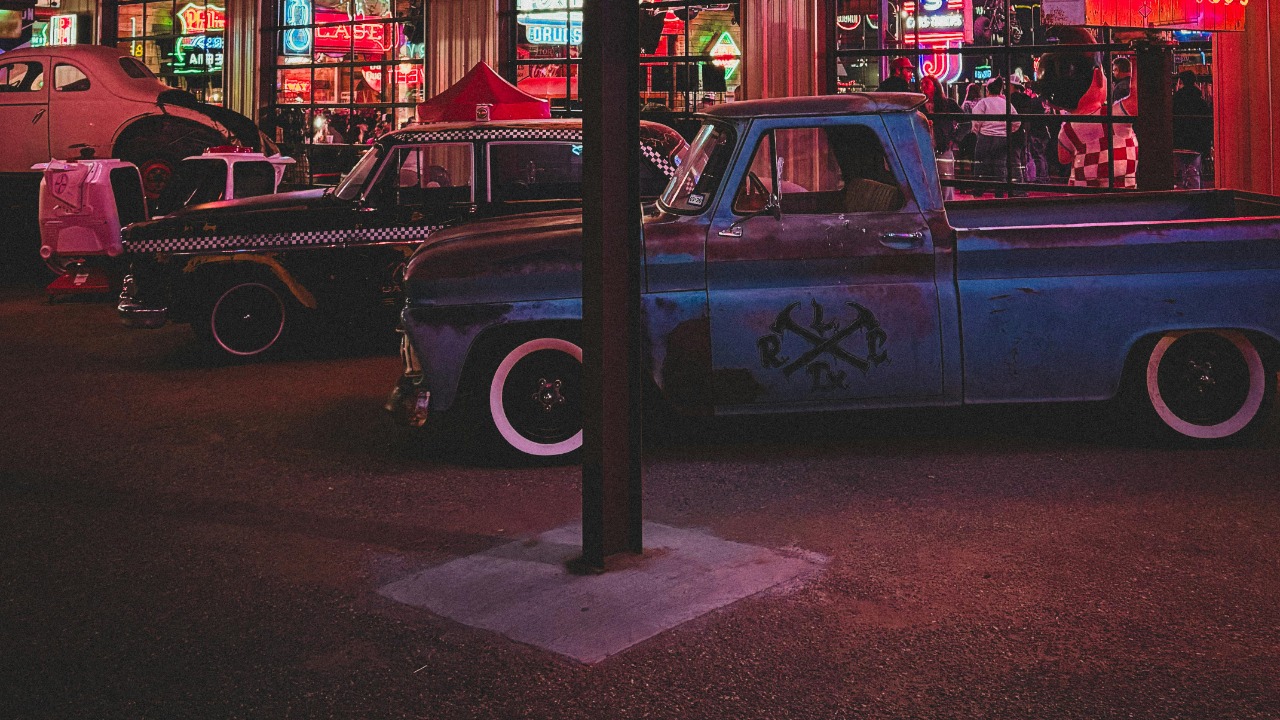
When I talk to long-time enthusiasts, the same uncomfortable truth keeps surfacing: a lot of the poster cars that once defined success are now more burden than fantasy. A detailed rundown of the 10 “dream cars” that collectors are quietly moving on from shows how quickly sentiment can turn once maintenance bills, reliability issues and changing tastes collide. In that list, everything from high-strung European exotics to once-desirable American grand tourers appear as a cautionary tale, with owners deciding that the romance no longer outweighs the hassle.
The warning signs are not limited to a handful of halo models. A broader survey of 20 classics that seasoned buyers now advise others to avoid paints a similar picture, with “dream” machines turning into money pits once the restoration invoices start stacking up. Those cars may look perfect in photos, but the combination of fragile components, scarce parts and specialist labor can turn ownership into a full-time job, as Classic collectors quietly concede. Faced with that reality, many are choosing to sell while there is still a willing next buyer, rather than wait for the market to fully price in the pain.
Why younger buyers are walking away
The generational handoff that was supposed to keep values rising has turned out to be far more selective than optimistic forecasts suggested. Younger enthusiasts are not automatically in love with the same cars their parents lusted after, and they are far more likely to compare a classic’s performance and upkeep to what a modern sports car can deliver. In one detailed breakdown of models losing ground, the host notes that younger buyers look at certain high-priced classics and simply cannot justify the cost once they factor in modest performance and heavy maintenance, a point that Jul drives home.
That shift in taste is colliding with a broader reassessment of the market’s direction. Some analysts argue that the classic car world is not in free fall but is instead sorting itself into winners and losers, with modern classics and usable performance cars attracting fresh money while fragile showpieces stagnate. A closer look at the data shows that while headline indices may be flat, individual segments are diverging sharply, a nuance that Oct emphasizes when pushing back on talk of an outright crash. For owners of aging “dream cars” that no longer resonate with new buyers, that divergence feels very real, and it is prompting quiet exits before the next generation fully turns the page.
Is this a crash or a reset?
Spend any time around auctions or online forums and you will hear two competing stories about what is happening right now. One camp insists that the classic car market is collapsing, pointing to softer results, unsold lots and price guides that finally show red arrows instead of green. Another camp argues that what we are seeing is a healthy correction after years of speculative excess, with the frothiest segments coming back to earth while genuinely rare and usable cars hold their own. A detailed video breakdown of current conditions frames the debate in exactly those terms, asking whether the market is crashing or offering the best buying window in years, a question Aug raises while walking through what is hot and what is not.
That same tension runs through other recent analyses that ask whether the classic car market is dead or simply catching its breath. One commentator describes seeing a lot of online chatter about doom and gloom, then counters that the apparent calm might be the pause before a new phase, with selective strength returning once the excess inventory clears. The idea that this could be a “calm before the storm” rather than a permanent slump is central to the argument laid out by Oct, who notes that sentiment often swings more violently than the underlying fundamentals. For owners deciding whether to hold or sell, the distinction matters: a crash invites panic, while a reset rewards patience and careful stock picking.
How collectors are quietly repositioning
Behind the public debate, the most sophisticated collectors are already acting as if the reset is real. They are trimming positions in cars that depend on nostalgia alone, especially models with complex electronics, scarce parts or reputations for fragile drivetrains. Many of the “avoid” lists circulating among seasoned enthusiasts highlight exactly these traits, warning that some glamorous coupes and convertibles are more likely to wreck a budget than deliver carefree weekends, a point echoed by Collectors who have learned the hard way. Quietly selling into a still-liquid market, rather than waiting for a glut of similar cars to appear, has become the preferred strategy.
At the same time, there is a growing sense that this is a moment to upgrade rather than exit. Some buyers are using the softer prices on yesterday’s heroes to trade into better examples, rarer specifications or more usable models that they actually want to drive. Others are pivoting toward segments that still show resilience in the data, aligning their garages with the parts of the market that the KFLII and other indices suggest are holding value. In that sense, the quiet dumping of certain vintage cars is less a sign of collectors giving up and more a sign of them getting smarter about where they park both their money and their passion.



Leave a Reply