
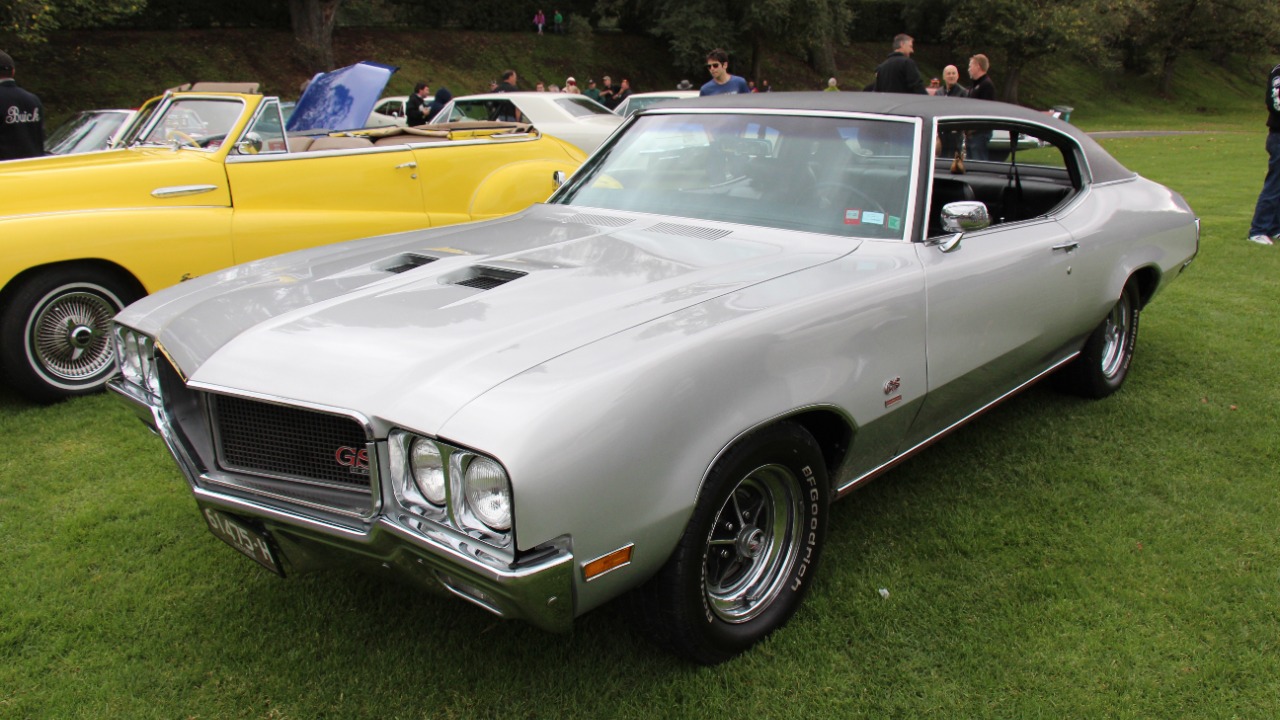
In the middle of the muscle-car horsepower wars, the 1970 Buick GS Stage 1 quietly rewrote the rulebook by proving that raw twist at low rpm could embarrass flashier rivals. Instead of chasing sky-high redlines, Buick leaned into torque, and the result was a car that hit harder in the real world than many better-publicized legends. The GS Stage 1 showed that when you build an engine around shove rather than shriek, the quarter mile and the street both start to look very different.
How Buick turned a luxury coupe into a torque monster
When Buick dropped the GS 455 Stage 1 into showrooms, it was supposed to be the gentleman’s alternative to the rowdier big blocks from Chevrolet and Pontiac, not the car that would steal their thunder. Yet the combination of a massive 455 cubic inch V8 and a carefully tuned Stage 1 package gave it the highest torque rating of any mainstream muscle car of its era, all while keeping the brand’s trademark luxury and civility baked in. The key was that Buick did not just stuff in a big engine, it engineered the package so that the surge of torque arrived early and stayed flat, which made the car feel brutally quick in everyday driving as well as at the drag strip, a point underscored by period coverage that highlighted how When Buick prioritized usable power.
Under the hood, the Stage 1 version of the 455 was more than a badge, it was a carefully curated set of internal upgrades that turned a big, smooth engine into a torque benchmark. Enthusiasts who have dug into the factory data point out that the combination of large displacement, relatively modest cam timing, and cylinder heads designed for strong low and midrange flow is what let the 1970 Buick 455 make so much torque without needing to spin itself silly. In fact, one technical breakdown marvels that What really stands out is that Max horsepower is @ 4600 rpm, a figure that sounds almost lazy compared with some rivals but perfectly captures Buick’s philosophy of building an engine that hit like a hammer from low revs instead of chasing bragging rights at the top of the tach.
Why torque, not peak horsepower, decided real-world races
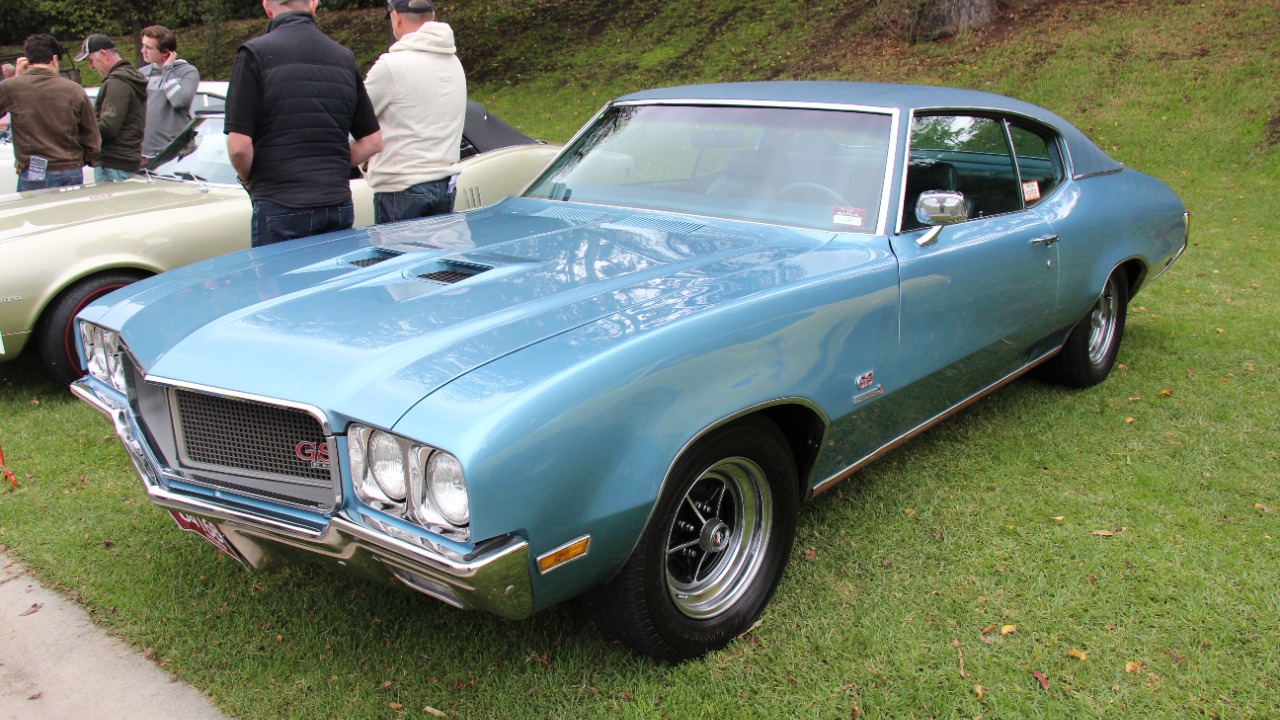
On paper, the early 1970s muscle market was obsessed with horsepower numbers, but on the street and at the strip, torque was what actually won races. The 70 G S 455 was a perfect case study in that disconnect, because its official horsepower rating looked conservative next to some big-block Chevrolets, yet its torque output and the way it delivered that twist made it feel stronger in the situations that mattered. Contemporary and modern comparisons have repeatedly pointed out that the base version of the GS 455 had more torque than a Chevelle SS with a similar displacement, and that advantage only grew with the Stage 1 package, which is why enthusiasts still argue that the 70 G S 455 could outmuscle a Chevelle SS in real-world conditions even if the spec sheets suggested a closer fight.
That torque advantage translated directly into the kind of performance numbers that cut through marketing spin. Period testing of the 1970 Buick GS 455 Stage 1 recorded quarter-mile runs that left little doubt about its capability, with one well-documented road test noting that the car ran the quarter in 13.38 seconds at 105.50 miles an hour, figures that put it squarely in the top tier of factory muscle. Those numbers matter because they capture how a heavy, well-equipped Buick could leap off the line and pull hard through the traps thanks to its torque-rich powerband, rather than relying on a peaky horsepower curve that only came alive at the top of second or third gear, and they show why the Stage 1’s 13.38 second pass at 105.50 miles was such a wake-up call to anyone who had dismissed Buick as a soft brand.
The Stage 1 that Made Far More Power Than Claimed
Part of what makes the 1970 GS Stage 1 so fascinating is that Buick itself seemed almost shy about how strong the car really was. Official ratings kept the engine’s output within a politically acceptable window inside General Motors, but later analysis and owner experience have made it clear that the Stage 1 package Made Far More Power Than Claimed. Reporting on the car’s development notes that in 1970, Buick introduced the GS 455 as a replacement for its earlier performance models, then quietly let the Stage 1 option turn that already stout engine into something far more serious, a move that has led many to argue that The Buick GS 455 Stage 1 was intentionally underrated so it would not overshadow other GM halo cars.
That corporate caution only adds to the car’s legend, because it means the Stage 1’s reputation was built less on advertising and more on what owners and racers experienced at the track. Stories from the era describe GS Stage 1s pulling away from supposedly stronger rivals, and the combination of a broad torque curve and understated factory numbers helped the car develop a kind of sleeper mystique. When people realized that the Stage package did not just add stripes but actually transformed the 455 into an engine that delivered far more power in real life than the brochure suggested, it reinforced the idea that Buick had quietly built one of the most formidable torque cars of its generation, even if the Stage 1 numbers on paper did not fully tell the story.
From GS to GSX: torque dressed in high-impact paint
While the GS Stage 1 proved its point with understated styling, Buick also understood that some buyers wanted their performance with a bit more theater, which is where the Buick GSX came in. Built off the same basic Gran Sport platform, the GSX took the torque-rich 455 and wrapped it in bold graphics, spoilers, and limited color schemes that made it impossible to miss in a dealership or on the street. Official heritage records describe the 1970 Buick GSX 2 Door Hardtop as a showcase for The Buick Gran Sport name, noting that the GSX 2 Door Hardtop package was offered with only two available color schemes, a decision that turned the car into an instant visual icon and cemented the link between Buick’s luxury image and its newfound performance credibility, as documented in the Buick GSX heritage collection.
What made the GSX particularly compelling was that it did not dilute the mechanical formula that had made the GS Stage 1 so potent. Buyers could still opt for the Stage 1 engine, meaning the same tidal wave of torque that defined the more discreet GS was now available in a car that shouted its intentions from a block away. In practice, that meant the GSX 2 Door Hardtop could deliver the same kind of low-rpm shove and quarter-mile performance as its subtler sibling, but with a visual attitude that matched its capability, and it helped ensure that The Buick Gran Sport name would be remembered not just for comfort but for the kind of torque-heavy performance that could stand toe to toe with anything else in the showroom.
How the GS Stage 1 still shapes the way I think about muscle
Watching a well-preserved GS 455 Stage 1 in motion today, it is impossible not to feel how far ahead of its time Buick’s torque-first philosophy really was. In a ride-along video that follows a 1970 Buick GS convertible, Jonathan Klinger from Hagerty talks through the car’s character while the big-block burble fills the cabin, and what stands out is how relaxed the engine sounds even as the car surges forward with authority. The footage captures the way a Buick GS can loaf along at low rpm and then, with a gentle squeeze of the throttle, lean on its torque to pull hard without drama, a trait that makes the Buick GS feel more like a modern grand tourer than a frantic, high-strung muscle car.
For me, that blend of composure and brute force is exactly why the 1970 GS Stage 1 still matters in conversations about performance. It proved that you did not need a screaming redline or an outrageous horsepower number to build a car that could dominate the quarter mile and feel effortless on the highway, you just needed an engine tuned to deliver its best work where drivers actually use it. When I look at modern performance cars that emphasize broad torque curves and real-world drivability, I see the same logic that guided Buick’s engineers in 1970, and I keep coming back to the GS 455 Stage 1 as the moment when torque quietly stepped out of horsepower’s shadow and showed that, in the right hands, it could be the more powerful story.

Leave a Reply