
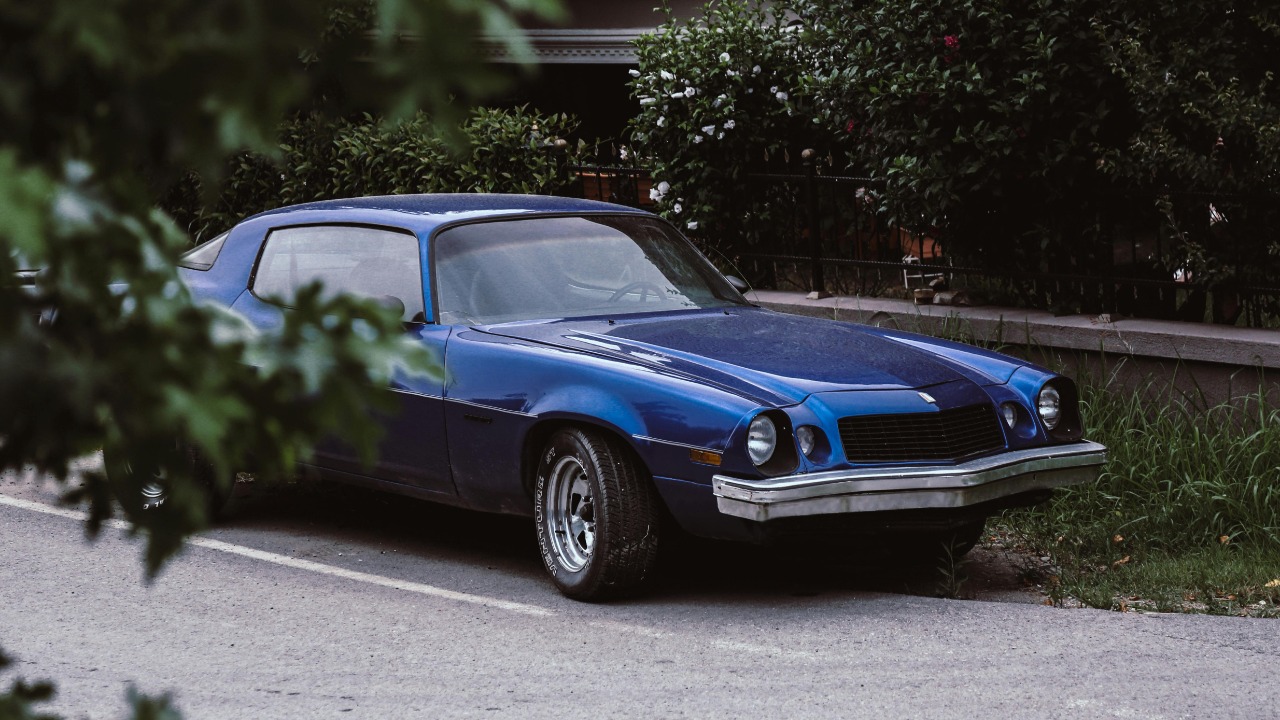
The 1971 Chevrolet Camaro Z/28 arrived just as the classic muscle era was running into a wall of regulation, insurance pressure, and changing tastes, yet it refused to fade quietly into nostalgia. Instead of chasing ever bigger numbers, it sharpened its chassis, refined its styling, and proved that American performance could evolve without losing its edge. I see that car as a hinge point, a machine that carried the spirit of muscle into a future where handling, balance, and everyday usability mattered as much as raw horsepower.
The pressure cooker that reshaped muscle
By the time the 1971 model year rolled around, Detroit performance cars were no longer operating in a vacuum of cheap fuel and lax rules. Federal regulators had mandated tougher emission controls on new vehicles, and those requirements applied whether a buyer wanted a bare-bones economy sedan or a high-compression V8 coupe. One detailed period account notes that these rules hit every American brand, forcing engineers to rethink compression ratios, cam profiles, and carburetion just to keep cars legal on the street while still delivering some excitement for enthusiasts who expected more than basic transportation from their weekend toys, a shift that framed the environment the Z/28 had to survive in as government emission controls tightened.
At the same time, the insurance industry had started to treat big horsepower numbers like a red flag, and premiums on the wildest street machines climbed fast enough to scare off younger buyers. The result was a squeeze from both sides: regulators trimming the top end of performance and insurers punishing the cars that still tried to push the envelope. In that climate, the 1971 Chevrolet Camaro Z/28 could not simply be a louder, thirstier rerun of late‑sixties muscle; it had to show that a performance car could be more sophisticated, with a chassis and interior that made sense for daily use while still honoring the expectations that came with the Z/28 badge.
From first‑gen bruiser to second‑gen athlete
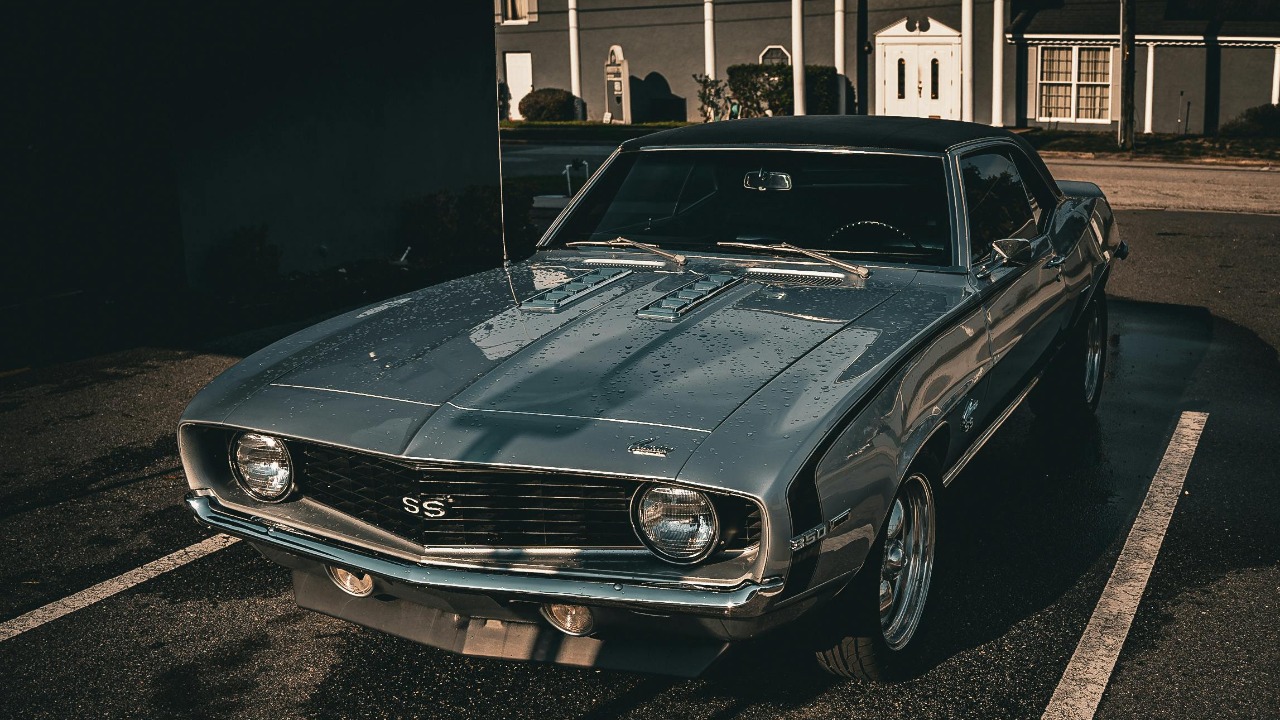
The original Z/28 had built its reputation on raw competition intent, a homologation special that felt as if it had been driven straight off a Trans‑Am grid and onto suburban streets. By contrast, the second‑generation Camaro that arrived for 1970 was lower, wider, and more European in its proportions, and the 1971 version refined that formula rather than reinventing it. Contemporary analysis of the platform notes that the 1971 Camaro received only modest exterior tweaks from its 1970 counterpart, but the cabin gained new high‑back Strato bucket seats Inside, a small but telling sign that Chevrolet wanted this car to feel more like a proper sports coupe than a stripped‑out drag special.
That evolution mattered because it showed how the Z/28 could mature without losing its core identity. The second‑generation Camaro platform was praised for its balance and road manners, and the Z/28 package layered in a more focused suspension, specific wheels and tires, and a powertrain tuned for high‑rpm work rather than boulevard cruising. When I look at that combination, I see a deliberate pivot from brute force to agility, a car that still spoke the language of muscle but with an accent that sounded closer to a European grand tourer than a stoplight brawler.
Why the 1971 Z/28 still feels alive on the road
What keeps the 1971 Chevrolet Camaro Z/28 relevant today is not just its spec sheet, but the way those numbers translate into motion. Modern footage of a well‑kept example, filmed from the driver’s seat as the car works through traffic and open stretches, captures the way the chassis settles into a rhythm, the steering loading up predictably as the driver feeds in more lock and throttle. In one such drive, the host from Skyway Classics leans on the car’s torque and comments on how composed it feels at speed, a reminder that this Z/28 was engineered to be more than a straight‑line hero.
That road‑going poise is not an accident. The Z/28 package built on the already capable second‑generation Camaro underpinnings with firmer springs, upgraded shocks, and performance‑oriented gearing, all tuned to keep the car planted when the driver committed to a corner. A detailed sale listing for a restored example points out that the styling of second‑generation Camaros is prized in part because it matches that dynamic character, with the long hood and short deck visually underscoring the car’s rear‑drive balance and driver‑centric stance.
Design details that turned a Camaro into a statement
Beyond the mechanicals, the 1971 Z/28’s visual presence helped it stand apart in a crowded field of performance coupes. Enthusiasts still debate the merits of the split bumper front end, a feature that appeared as part of the Rally Sport package and gave the nose a distinctive, almost exotic look compared with the full‑width bumper cars. One detailed community discussion explains that the split bumper option, sometimes called bumperettes or half bumpers, was tied to the Rally Sport configuration and could be combined with different engine and suspension choices, which is why not every 1971 Z/28 wears that now‑iconic face.
Inside, the move to high‑back seats and a more cohesive dashboard layout gave the car a sense of occasion that earlier muscle machines often lacked. Instead of feeling like a basic economy interior with a big engine bolted in front, the 1971 Camaro Z/28 wrapped the driver in a cockpit that matched its performance aspirations. That alignment between what the driver saw, touched, and heard and what the car could actually do on the road helped cement the Z/28 as more than just a trim code; it became a complete statement about how American performance could look and feel in a new decade.
How enthusiasts keep the 1971 Z/28’s legend moving
The staying power of the 1971 Z/28 is written not only in factory brochures and spec charts, but in the way owners and fans still talk about and drive these cars. In one enthusiast‑shot video, a host named Sep walks around a 1971 Camaro Z28 owned by Richard and points out how this particular example represents what he calls a proper Gen 2 performance build, lingering on the stance, the wheel and tire setup, and the sound of the engine as it fires to life. That clip, which treats the car as a living, breathing object rather than a museum piece, shows how a single Camaro Gen 2 can still light up a crowd decades after it left the assembly line.
The debates that swirl around the Z/28 nameplate also keep the 1971 model in the spotlight. Another widely watched breakdown, hosted by Aug, asks whether the 1970 Camaro Z28 might be the greatest version ever built, walking through the changes in compression, output, and character that separated that first second‑generation year from what followed. By laying out those differences, the video implicitly highlights how the 1971 car adapted to new constraints while trying to preserve as much of the original formula as possible, a comparison that gives the later model its own distinct identity within the broader Camaro debate.
A bridge between eras, not a farewell
When I look at the 1971 Chevrolet Camaro Z/28 in context, I do not see a car marking the end of something; I see a bridge between the unfiltered muscle of the late sixties and the more nuanced performance cars that would follow. It arrived in a moment when regulators, insurers, and shifting consumer expectations were all pushing Detroit away from the formula that had defined the previous decade, yet it managed to hold on to the essential drama of a high‑revving small‑block and rear‑drive chassis while adding comfort, style, and everyday usability. That balance is why the car still resonates with drivers who want their classics to feel alive on a back road rather than just loud at a stoplight.
The fact that owners continue to drive, modify, and celebrate these cars, from detailed restorations to lightly updated street builds, proves that the 1971 Z/28 did more than survive a difficult transition; it helped redefine what American performance could be under pressure. In an era when regulations were supposed to tame the muscle car, this particular Camaro showed that evolution did not have to mean surrender, and that a well‑sorted chassis, thoughtful design, and a willing engine could carry the spirit of muscle forward into whatever came next.

Leave a Reply