
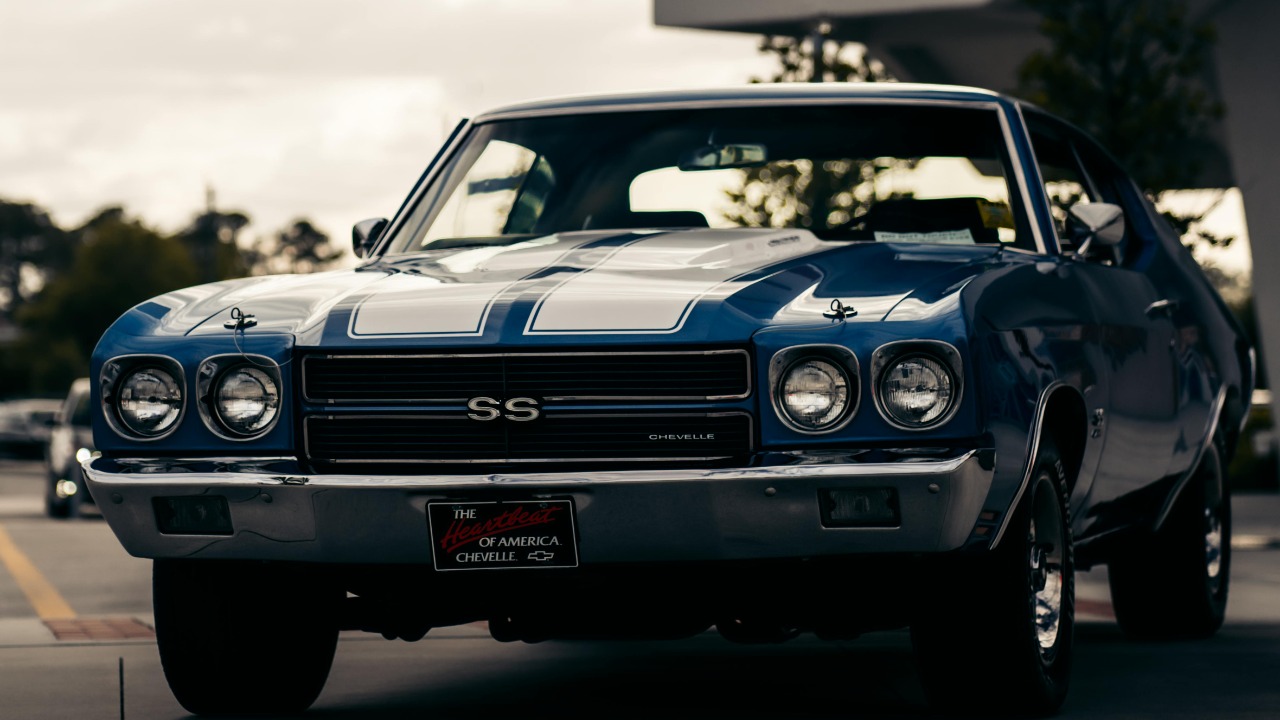
The 1972 Chevelle SS arrived at a moment when muscle cars were being forced to grow up. Insurance costs, emissions rules, and new fuel realities were reshaping what performance looked like, and the Chevelle had to find a way to stay desirable without pretending the world had not changed. In that tension between nostalgia and necessity, the 1972 SS quietly pivoted from raw street brawler to a more rounded, market‑savvy performance car.
Instead of chasing ever bigger horsepower numbers, the car leaned on smart packaging, familiar styling, and a broad menu of drivetrains that let buyers dial in as much performance as their budget and local regulations would allow. That strategy did not just keep the Chevelle SS alive for another year, it showed how a classic American muscle nameplate could adapt when the rules of the game were rewritten.
The carryover body that hid a changing Chevelle
By 1972, the Chevelle was no longer the fresh face it had been earlier in the muscle era, and that was by design. Following a significant redesign for the 1971 model year, the basic shape, proportions, and overall look remained largely unchanged, which meant shoppers saw a familiar mid‑size coupe and hardtop even as the market around it shifted. That continuity helped the SS feel like a known quantity for buyers who had watched the model evolve and now faced a more complicated performance landscape, a point underscored in guides that note how the 1972 Chevrolet Chevelle carried over its core styling and layout from the prior year for potential 1972 Chevelle customers, as highlighted in Following.
On the surface, the SS package itself was also more subtle than the wildest late‑sixties muscle machines, which fit the times. Enthusiast breakdowns of the 1968–1972 run point out that few exterior changes are noticed for 1972 models other than new signal indicator lights and a 2‑bar front grille, and that The SS continued to be defined more by its mechanical options than by radical sheetmetal, a balance captured in The SS. That restrained approach let Chevrolet keep the car recognizable and relatively affordable to insure, while still signaling to those in the know that this was the performance‑oriented Chevelle.
From brute force to flexible powertrains
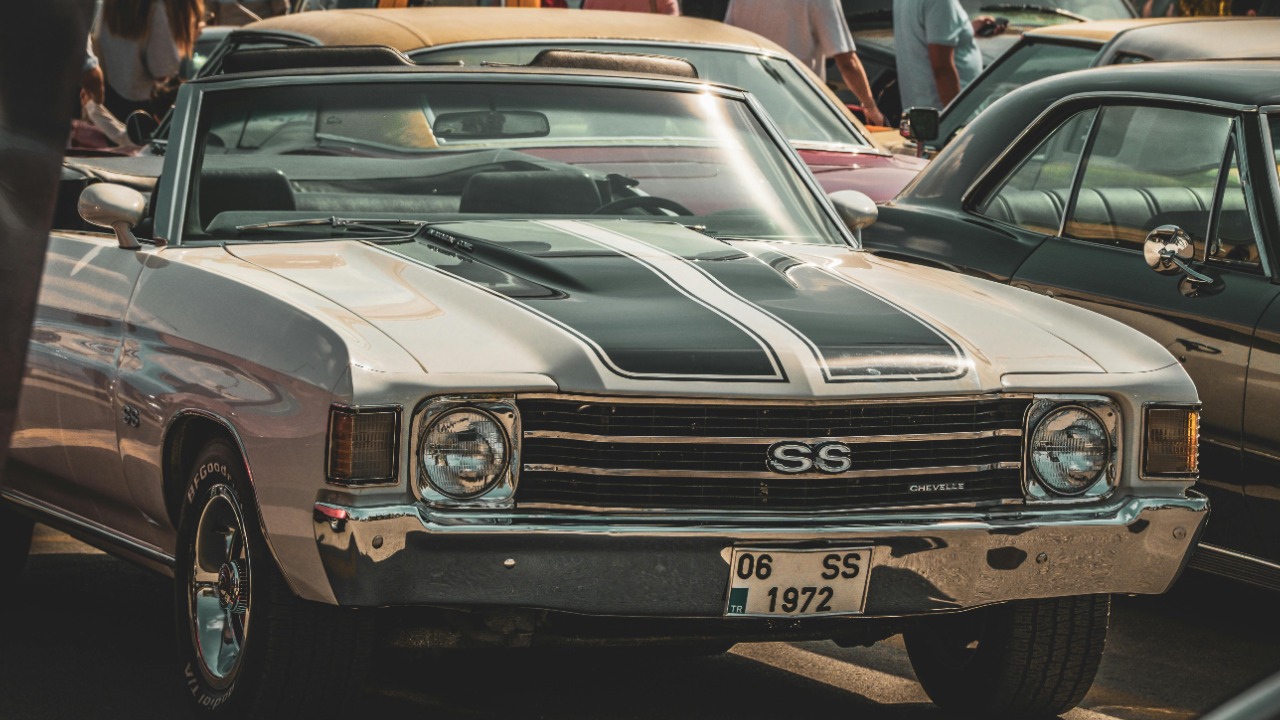
Under the skin, the 1972 Chevelle SS leaned heavily on variety rather than a single headline engine. Under the hood, several drivetrain combinations were available for a 1972 Chevelle customer, giving buyers a spectrum that ran from modest small‑blocks to serious big‑block V‑8s, a range laid out in detail in Under the. That flexibility was the point: instead of forcing shoppers into a single high‑compression monster that might be hard to live with, the SS badge became a gateway to a menu of power levels that could match local fuel quality, insurance realities, and personal taste.
Within that menu, the big‑block story illustrates how the car adapted to new constraints without abandoning its roots. Fact sheets for the 1972 lineup note that All other engines on the SS roster were unchanged from 1971, though the 402 CID V‑8’s HP also dropped from 260 to 240 HP, and that California buyers faced an even more limited selection because of emissions rules, details spelled out around the 402, 260, 240 figures and the way that engine was offered in that State in All. Those numbers show how Chevrolet trimmed output on paper while still giving SS customers access to the torque and character they expected from a big‑block Chevelle.
Horsepower on paper versus performance in practice
One of the biggest shifts facing the 1972 Chevelle SS was not mechanical at all, it was how power was measured and advertised. Earlier in the muscle era, manufacturers quoted gross horsepower, a figure calculated from a bare engine on a test stand with no accessories, free‑flowing exhaust headers, and optimal conditions. By the early seventies, new SAE standards J245 and J1995 pushed the industry toward net ratings that reflected real‑world installations, a change explained in detail in Jul. On paper, that made engines look weaker overnight, even when the hardware had barely changed.
The broader General Motors lineup shows how dramatic that shift could appear. The legendary LT1 power plant that had been introduced in 1970 in the Camaro and Corvette was rated at 370 horsepower in its earlier gross form, yet by 1972 the same basic engine carried a much lower net figure, a contrast laid out in GM’s own heritage notes on the Camaro and Corvette. The Chevelle SS lived in that same world, where spec sheets suddenly looked softer even as the cars still delivered the kind of mid‑range punch and drivability that had made them popular, and where buyers had to learn to read between the lines of the new net ratings.
Positioning the SS for a tougher market
Faced with rising insurance premiums and a public mood that was cooling on overtly wild muscle cars, Chevrolet leaned into smart positioning rather than sheer excess. Chevrolet’s advantage came from smart positioning, which meant that You could get a decent SS 396 for reasonable money, or you could go further up the ladder for more displacement and exclusivity, a strategy described around the 396 figure in Chevrolet. That tiered approach carried into the 1972 model year, where the SS badge signaled a performance‑oriented Chevelle but did not lock every buyer into the most extreme engine or suspension combination.
In practice, that meant the SS could be tailored to very different kinds of owners. Some gravitated to the more affordable small‑block setups that still benefited from the SS chassis and appearance cues, while others sought out the big‑block options that kept the car in the conversation with the era’s quickest street machines. Enthusiast breakdowns of the 1968–1972 run emphasize how the SS package could be paired with engines like the L65, L48, LS3, and LS5, reinforcing that it functioned as a flexible performance umbrella rather than a single fixed spec, a point illustrated in coverage of those engine codes in Feb. That adaptability is a big part of why the 1972 SS still resonates with collectors who value both drivability and heritage.
How collectors now read the 1972 SS
Looking back from today, the 1972 Chevelle SS sits at a crossroads between the wildest muscle years and the more restrained performance cars that followed. Valuation guides treat it as part of a broader 1972 Chevrolet Chevelle family, where body style, engine choice, and condition all play a role in how the market judges each car, a perspective reflected in current pricing data for the 1972 Chevelle. Collectors who understand the context behind the lower net horsepower ratings and the subtle styling updates tend to see the 1972 SS not as a step down, but as a savvy response to a tougher environment.
From my vantage point, that is what makes the 1972 SS so compelling. It is a car that kept its core identity intact while quietly adjusting to new rules about emissions, fuel, and insurance, a balance that modern buyers still have to navigate when they weigh originality, drivability, and long‑term value. When I look at a well‑kept 1972 Chevelle SS, I see more than a late‑era muscle car, I see a case study in how a performance icon can bend without breaking, adapting just enough to survive while still delivering the sound, stance, and spirit that drew people to it in the first place, a story that continues to shape how potential 1972 Chevelle customers and enthusiasts evaluate these cars in resources like Chevrolet Chevelle and detailed engine rundowns such as Chevelle.




Leave a Reply