
The Oldsmobile 442 entered the mid 1970s just as the muscle car era was collapsing under the weight of emissions rules, insurance crackdowns, and a new obsession with fuel economy. Yet the 1975 version managed to hang on, reshaped into something more subtle but still recognizable to anyone who knew what those three numbers once meant. I want to trace how that car threaded the needle between nostalgia and necessity, and why its survival says as much about General Motors’ instincts as it does about the end of big-block bravado.
The long shadow of peak muscle
To understand why the 1975 Oldsmobile 442 looks the way it does, I start with the moment when Olds power was at full roar. By 1971, the brand’s big V8 had swelled to 455 cubic inches, a figure that signaled how far the arms race had gone just before regulators and insurance companies slammed on the brakes. That displacement number was not just a spec sheet brag, it was a promise that a mid-size Olds could run with the quickest cars on the street. When the rules changed, that promise suddenly became a liability, and the engineers who had built their reputations on torque had to pivot toward catalytic converters and lower compression.
By the time the 1975 model year rolled around, the 442 name was carrying history it could no longer back up with raw numbers. The original meaning of 442 had been tied to a specific formula of four-barrel carburetor, four-speed transmission, and dual exhaust, a simple code that enthusiasts could decode at a glance. In the mid 1970s, that clarity blurred as Oldsmobile leaned on the badge more than the hardware, a shift that some fans still wrestle with when they hear people talk about “442 m” and other later interpretations of the name. The 1975 car sat right in the middle of that transition, still visually tied to the glory days but already compromised by the realities under the hood.
From street terror to appearance package
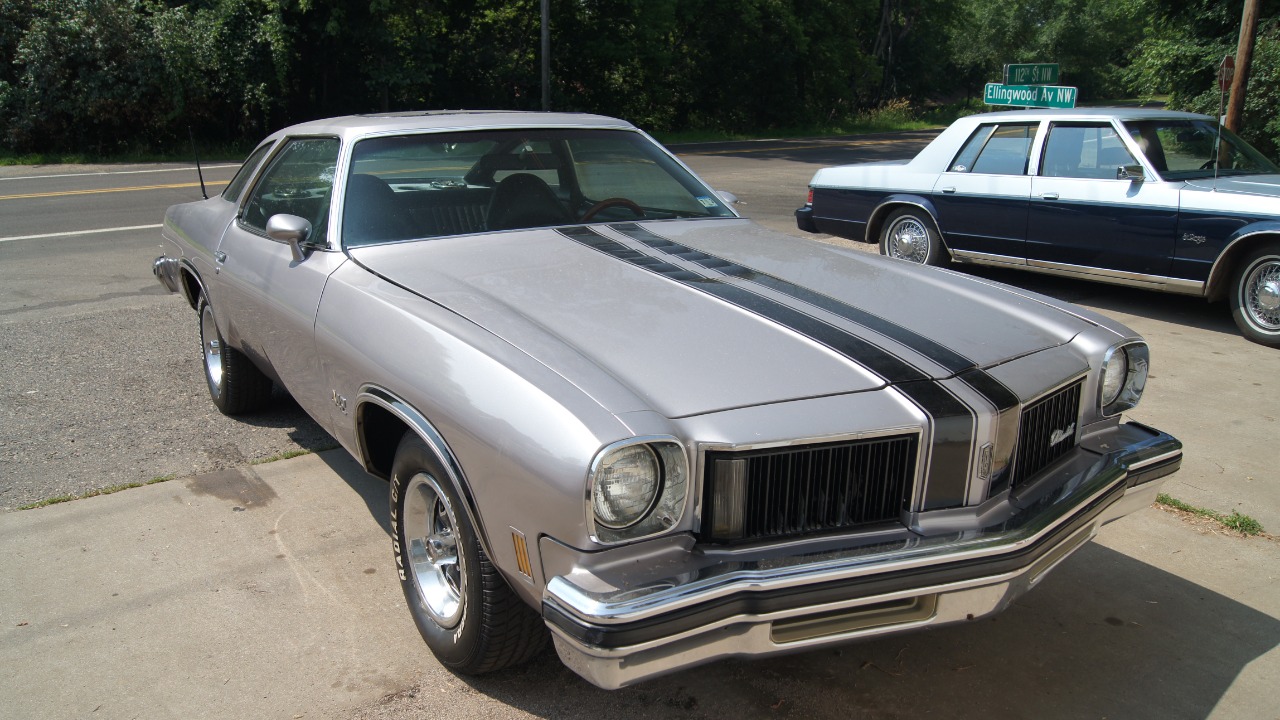
What kept the 1975 Oldsmobile 442 alive was not brute force, it was marketing agility. Within General Motors, there was a clear understanding that performance was ebbing, yet the company also knew that the 442 name still drew buyers who remembered what it once stood for. One later observer, looking back at a 1978 version, framed the question bluntly, asking if a 4-4-2 even existed during this ebb of automotive performance before answering that of course it did, because GM wanted to make a dollar and would happily bolt the badge onto a Cutlass or even an Olds Delta 88 police package. That logic was already in play in 1975, when the 442 became less a distinct mechanical recipe and more a way to dress up a Colonnade-era Cutlass with stripes, wheels, and attitude.
I see that shift most clearly in how Oldsmobile handled its special editions. The Cutlass-based Hurst Olds that returned in 1975 leaned heavily on removable T-tops and what one account called various tacky cosmetic details, a sign that visual drama was now doing the work that displacement and compression once did. The 442 sat just below that, borrowing the same basic Colonnade shell and much of the same suspension hardware, but relying on stripes and badges to signal its intent. In that environment, survival meant accepting that the car was now an appearance and handling package wrapped around emissions-era engines, not a pure muscle machine.
Colonnade compromises and quiet strengths
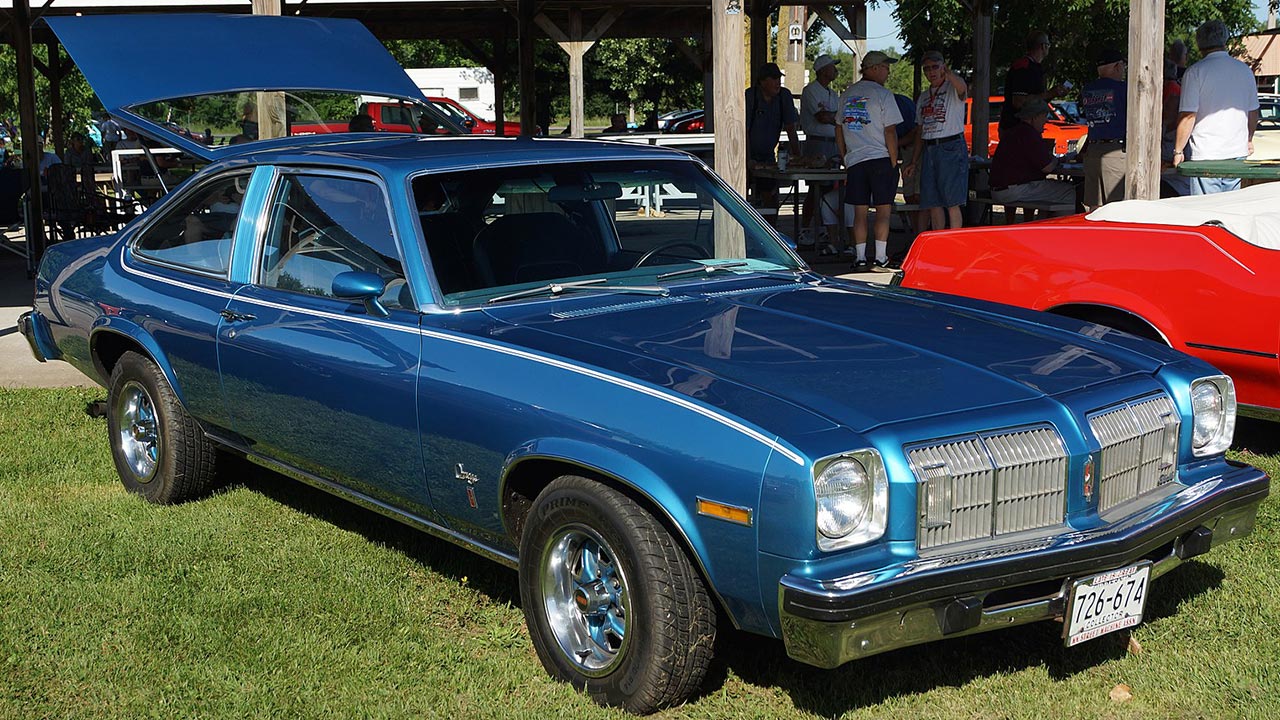
The Colonnade body that underpinned the 1975 Oldsmobile 442 is easy to dismiss today as bloated, yet it also gave Olds a flexible platform to keep performance flavors alive. The same basic architecture supported everything from compact-feeling coupes to full-size cruisers, and it showed up across the lineup in ways that still surprise me. At one end of the spectrum, a small sporty model like the 1975 Oldsmobile Starfire carried the family look into a different segment, and later observers noted how the downsized C and H bodies that followed were better received at Olds than at Cadillac for the 85 and 86 model years, even as the Toronado struggled to find the same favor. That family resemblance helped normalize the 442 as part of a broader Oldsmobile story rather than a relic from a vanished era.
On the other end of the scale, the same corporate mindset produced land yachts like the 1975 Oldsmobile Ninety Eight Regency, a car that enthusiasts now imagine upgrading with a modern crate motor while keeping the TH 400 automatic because, as one fan put it, that combination would make a fine sled. That comment, tucked into a thread that also includes a New list object, a casual Reply, and a note marked Posted March, hints at how owners now see these cars as comfortable canvases for modern power. The 442 benefited from that same underlying robustness, even if its stock output had been tamed, because the chassis and driveline could still handle more than the factory was allowed to give it.
Hurst flair and the culture that kept the flame lit
What really fascinates me about the 1975 Oldsmobile 442 is how it lived in the shadow of its flashier cousin. The Cutlass-based The Cutlass Hurst Olds grabbed attention with its T-tops and graphics, yet it was built on the same basic bones and subject to the same emissions constraints. That car’s story includes moments when Oldsmobile could not even spare any cars for Hurst, a reminder that corporate priorities were shifting toward volume models and away from niche performance. In that context, the 442’s quieter presence on the order sheet looks less like a compromise and more like a strategic way to keep a performance identity alive without demanding extra resources.
The culture around these cars also mattered. In one recollection, a narrator describes being in Callispel Montana when an Oldsmobile pulled up, prompting an instant reaction that captured how these shapes and badges still turned heads. That story, told by someone identified simply as Jun, is not about quarter-mile times or dyno sheets, it is about recognition and memory. The 1975 442 survived the horsepower collapse because enough people still felt that jolt when they saw the familiar lines, even if the numbers on paper no longer scared anyone at the drag strip.
Why the 1975 442 still matters
Looking back now, I see the 1975 Oldsmobile 442 as a bridge between two automotive worlds. On one side is the high-compression era that peaked with engines like the 455, on the other is the downsized, efficiency-focused landscape that produced the later Cutlass 4-4-2s someone would eventually describe with a mix of affection and exasperation, starting a sentence with Did and then answering their own skepticism. The 1975 car sits right in that hinge point, wearing the old name while adapting to new expectations about emissions, safety, and comfort. It did not win many stoplight races, but it kept the lineage intact long enough for later enthusiasts to rediscover and reinterpret it.
That is why, when I think about how the 1975 442 endured, I focus less on its quarter-mile times and more on its role as a survivor. It shared showroom space with everything from the compact Starfire to the plush Ninety Eight Regency, it ceded the spotlight to the flashy Hurst Olds, and it navigated a market that was rapidly losing patience for thirsty V8s. Yet the badge stayed on the fenders, the styling still hinted at speed, and the underlying hardware remained stout enough that modern owners can imagine waking it up again. In a decade defined by compromise, that quiet persistence might be the most impressive performance of all.


Leave a Reply