
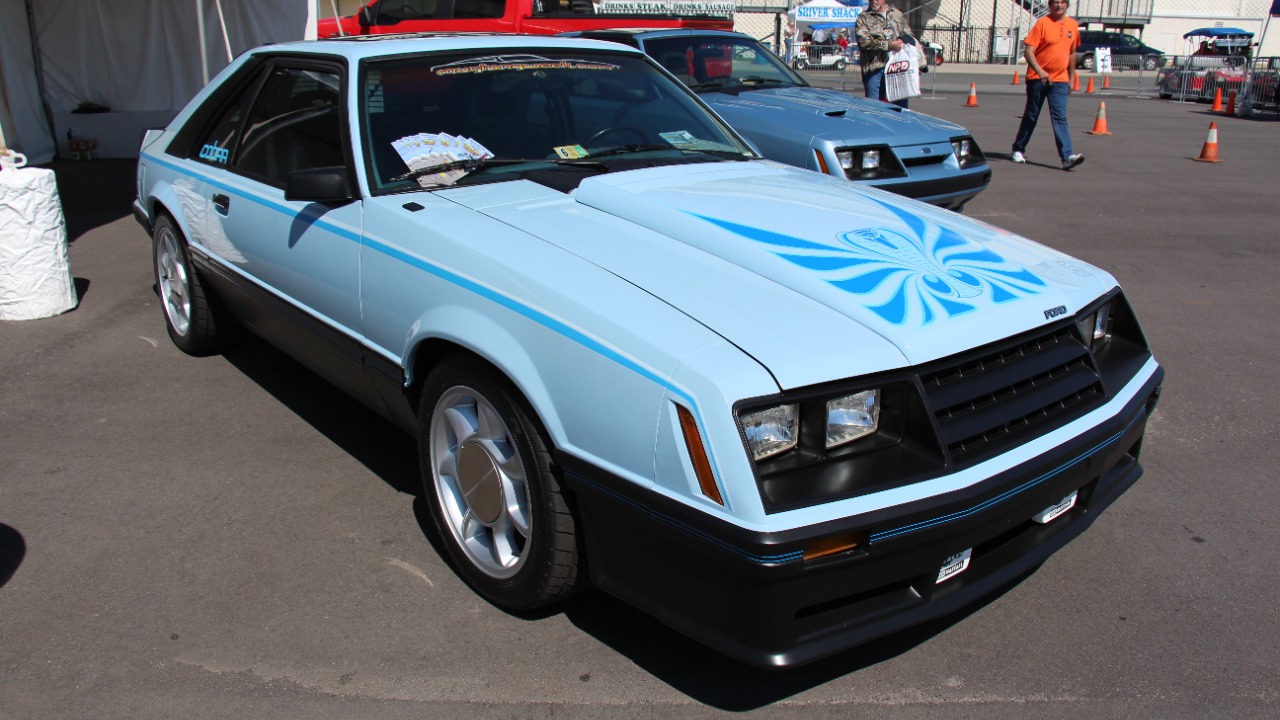
The 1979 Mustang Cobra arrived at a moment when American performance cars were being forced to grow up fast, trading brute force for efficiency and restraint. Yet tucked inside that compromise was a quiet signal that Ford was not ready to walk away from the Mustang’s performance legacy, even if the path forward looked very different from the late‑1960s heyday. I see that car as a pivot point, a slightly tentative but unmistakable hint that the pony car could evolve rather than fade.
From golden age to “Whole New Breed”
To understand why the 1979 Mustang Cobra matters, I start with the shadow it was born under. The late‑1960s really were the golden age of the muscle car from Detroit, and the Mustang was one of its brightest stars before emissions rules, insurance costs, and fuel crises cut that party short. By the time the Mustang II gave way to a new platform, enthusiasts were wary, and I think Ford knew it had to promise something more than another downsized survivor.
That is why the launch messaging around the 1979 Ford Mustang was so striking. Ford called the new Ford Mustang “a Whole New Breed,” positioning the Fox‑body as a clean break from the compromised Mustang II without pretending the early muscle era could simply be recreated. I read that as an admission that the rules of the game had changed, but also as a promise that the Mustang name still meant something more than basic transportation.
A clean break and a cautious Cobra
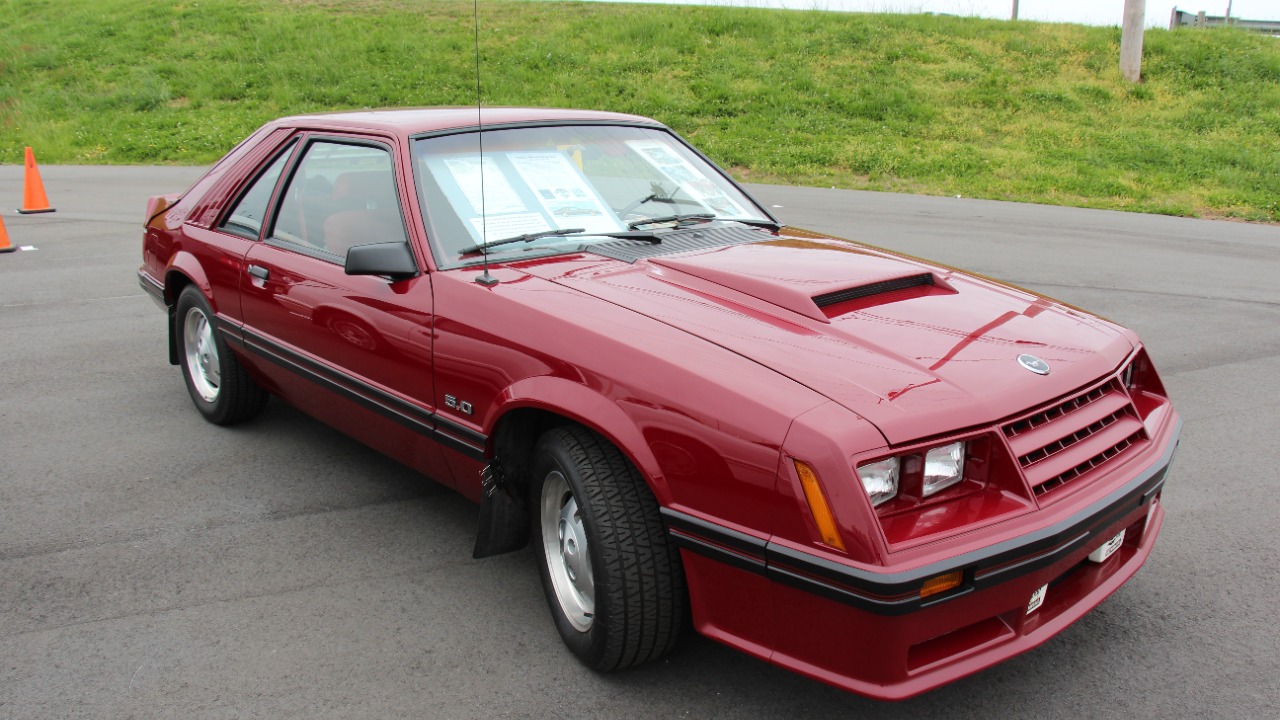
On the street, that “new breed” felt like a reset. Commentators later described the 1979 Ford Mustang as “a new hope,” a car that finally stepped out from the long shadow of the much‑maligned Mustang II. I share that view, because the Fox platform’s longer wheelbase, sharper lines, and more modern proportions made the car look ready for the 1980s in a way its predecessor never quite managed, even before you got to the performance‑oriented trims.
At the same time, the early Fox years were not without setbacks. Analysts looking back on the 1979 to 1982 period have noted that the 79 M Mustang opened a new book but quickly ran into obstacles, including weak engines and shifting regulations that made a clean break hard to sustain, as one Mustang retrospective put it. Within that context, the Cobra package was less a full‑throated return to the late‑1960s and more a cautious experiment in how far Ford could push performance without running afoul of the era’s constraints.
Styling that whispered “performance”
Visually, the 1979 Cobra did something clever that still resonates with me: it used design to suggest speed even when the spec sheet could not fully deliver. The 1979 Cobra (17,579 produced) featured a black grille, trim, and moldings, with body‑color sail panels and black lower body paint that visually lowered the car. That combination gave the Fox‑body a more purposeful stance, a subtle nod to the aggressive look of the late‑1960s cars without resorting to cartoonish add‑ons.
The effect is even clearer when you see a well‑preserved example. One nearly perfect Mustang Cobra that surfaced as a “car of the week” still wears its graphics and spoilers with surprising restraint, despite having almost 45 years behind it and only 34,000 miles on the clock. I find that kind of survivor proof that the design team struck a balance between period‑correct flash and timeless proportions, which helped keep the Cobra relevant long after its factory horsepower numbers stopped impressing anyone.
Engines caught between crisis and comeback
Under the hood, the 1979 Cobra sat right at the crossroads between fuel‑crisis caution and the performance revival that would define later Fox‑body years. The broader third‑generation Mustang story shows how volatile that moment was, with the 5.0‑liter V8 dropped in favor of a smaller 4.2-liter V8 as Ford chased better fuel economy. I see that decision as a reminder that the Cobra’s mission was constrained from the start, forced to work with engines that were being detuned even as the styling hinted at more.
Ford’s answer, at least in part, was to lean on technology rather than displacement. The turbocharged version of the four‑cylinder, standard on the Cobra, offered a bump to 132 horsepower, a meaningful increase over the naturally aspirated four‑banger. That figure will not raise eyebrows today, but I read it as an early sign that Ford was willing to experiment with forced induction and smaller engines to keep the Mustang’s performance credentials alive in a tougher regulatory climate.
The weakest V8 and the seeds of a legend
Of course, not every Cobra configuration lived up to the promise of its snake badges. Some enthusiasts still point to the period’s V8 cars as the low point, with one Fox‑body example, lovingly dubbed White Snake, remembered as one of the weakest V8 Mustangs ever sold. I understand that frustration, because the badge and the styling set expectations that the factory tune simply could not match, especially compared with the late‑1960s cars that still dominated enthusiast memory.
Yet even those underpowered V8s helped keep the idea of a performance Mustang alive long enough for the engineering to catch up. The same third‑generation platform that hosted those early compromises would later support far stronger 5.0‑liter cars, and the continuity matters. When I look at the 1979 Cobra, I see a car that kept the performance conversation going through a difficult chapter, rather than letting the Mustang name drift into purely economy‑car territory.
Production numbers, rarity, and value
Numbers tell their own story about how the 1979 Cobra fit into the Mustang universe. In that model year there were 369,937 Mustangs built, and 120,536 of them were hatchbacks, yet only a fraction carried the Mustang Cobra package. With just 17,579 Cobra units produced, the car was never common, which helps explain why clean survivors feel so special today.
The market has started to recognize that mix of historical importance and relative scarcity. Typically, you can expect to pay around $16,000 for a 1979 Ford Mustang Cobra in good condition with average specification, a figure that reflects both nostalgia and the car’s role as the opening chapter of the Fox‑body era. I see that valuation as a kind of delayed respect, a recognition that the Cobra’s significance lies less in raw performance and more in what it signaled about where the Mustang was headed.
How enthusiasts keep the turbo dream alive
What really convinces me that the 1979 Cobra hinted at a comeback is how much energy still surrounds its most experimental hardware. The turbocharged four‑cylinder that once seemed like a compromise has become a canvas for modern tuning, helped by the fact that the Lima engine family still enjoys strong aftermarket support. In one Comments Section discussion about a recently acquired 1979 Ford Mustang Cobra Turbo, an owner notes that the old Lima motor has plenty of support, and I read that as proof that the platform Ford chose for its early turbo experiment was more robust than its modest stock output suggested.
That ongoing enthusiasm closes the loop that began when Ford pitched the 1979 Mustang II successor as a new hope and a Whole New Breed. The early Fox‑body years, as writers like Randy C. have Posted March in their retrospectives, were messy and compromised, but they also planted the seeds for the performance resurgence that would define the Mustang through the 1980s and beyond. When I look back at the 1979 Mustang Cobra now, I see less of a missed opportunity and more of a quiet turning point, a car that kept the flame alive just long enough for the comeback everyone was waiting for.



Leave a Reply