
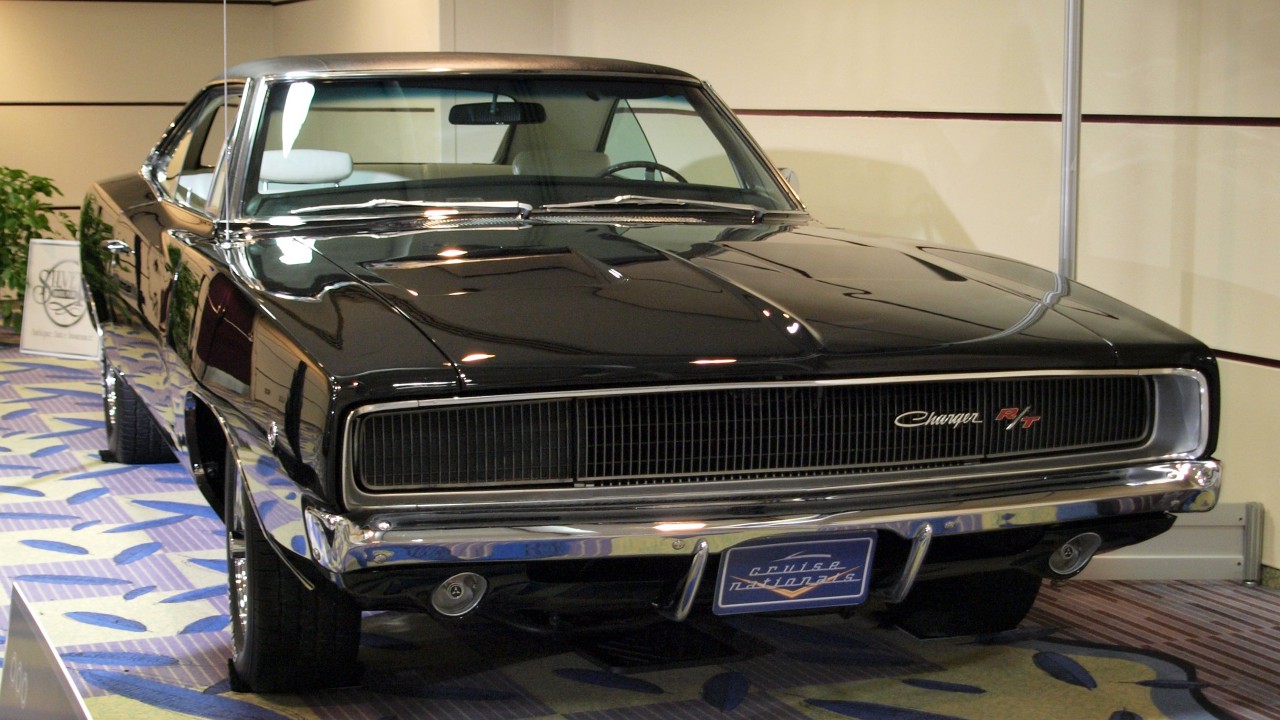
The 1970 Dodge Charger R/T did not just participate in the muscle car wars, it escalated them with unapologetic power and presence. In an era crowded with fast Detroit iron, this Charger turned brute force into a factory option, pairing big-block engines with a body that looked as aggressive as it drove. I see it as the moment Dodge proved that its R/T badge meant raw performance first and everything else second.
R/T as Dodge’s no-nonsense performance promise
To understand why the 1970 Charger R/T feels so elemental, I start with the badge on its tail. R/T was Dodge’s way of telling buyers that this was not just a trim package but a performance-focused configuration, the car you ordered when quarter-mile times mattered more than creature comforts. In the same way Chevrolet used the Super Sport label to signal a step up in speed and handling, Dodge leaned on R/T to mark cars that were built for harder use, with stronger components and more serious engines baked into the package rather than added piecemeal.
That R/T script carried real weight inside the broader Chrysler lineup. It was not a marketing flourish tacked onto every model, it was reserved for cars that met a specific performance standard, including uprated suspensions and, crucially, more powerful engines. The Charger R/T sat at the center of that strategy, translating the corporate performance marker into a street car that felt one step removed from the drag strip. By the time the 1970 model arrived, the meaning of those two letters was clear enough that buyers knew they were getting a car engineered for speed, not just styled to look quick, a distinction that put Dodge’s approach in direct conversation with Chevrolet’s established Super Sport formula as described in the history of R/T.
Why the 1970 Charger R/T felt like weaponized styling
When I picture brute-force muscle, the 1970 Charger R/T’s shape comes to mind before its spec sheet. The long hood, short deck proportions were exaggerated into something almost predatory, with a wide stance that made the car look planted even at a standstill. The hidden headlamps and full-width grille gave the front end a single, menacing face, while the Coke-bottle profile and muscular rear haunches suggested the kind of straight-line violence the car could deliver. It was not subtle, and that was the point: the styling telegraphed that this Charger was built to dominate the boulevard and the drag strip alike.
That visual aggression mattered because it matched the R/T mission. Dodge was selling a performance identity as much as a car, and the Charger’s sheet metal had to live up to the promise of the badge. The R/T designation already signaled a more serious chassis and stronger engines inside the Dodge and Chrysler families, and the 1970 Charger wrapped that hardware in a body that looked like it had been designed around the engine bay first. In the context of the R/T program’s emphasis on uprated components and more powerful engines, documented in the background on R/T, the Charger’s styling reads less like decoration and more like armor for the mechanicals underneath.
Big-block power and the meaning of “more powerful engines”
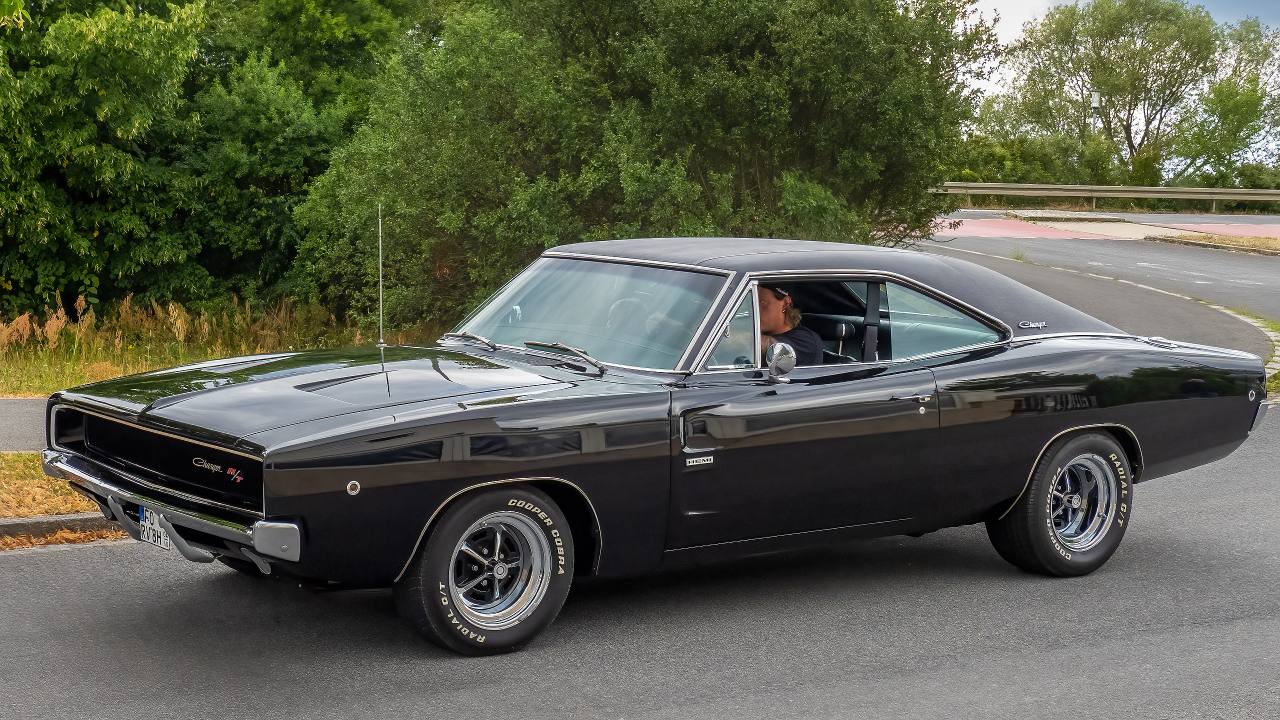
What truly defined the Charger R/T’s brute character was the way its engine options embodied the R/T philosophy of “more powerful engines” as a baseline. Ordering the R/T package meant stepping into big-block territory, where displacement and torque were treated as non-negotiable. The car’s identity was built around that expectation: if it wore the R/T badge, it had to deliver serious straight-line performance, not just a louder exhaust or cosmetic add-ons. That alignment between nameplate and mechanical reality is what set the Charger R/T apart from lesser trims and from competitors that sometimes blurred the line between appearance and performance packages.
Within Dodge’s performance hierarchy, the Charger R/T became one of the clearest expressions of how the company used the R/T label to guarantee stronger engines and more robust drivetrains. The broader description of R/T as a marker for upgraded suspensions and more powerful engines across Dodge and Chrysler models underscores how deliberate that strategy was, and the 1970 Charger sat near the top of that pyramid. When I look at that model year, I see a car that distilled the R/T concept into a simple equation: big-block power, heavy-duty hardware, and a body designed to put that output to the pavement, all consistent with the way R/T is defined as a performance-focused designation.
How R/T positioned Dodge in the muscle car arms race
The 1970 Charger R/T also mattered because of where it placed Dodge in the late-stage muscle car arms race. By clearly labeling its top performance models with the R/T badge, Dodge gave buyers a straightforward way to find the most capable versions of its cars, much like Chevrolet did with its Super Sport offerings. In that competitive environment, the Charger R/T served as Dodge’s answer to rival big-block coupes, signaling that the brand was not content to sit on the sidelines while others chased quarter-mile glory. The car’s presence in showrooms told enthusiasts that Dodge had a coherent performance strategy, not just a handful of fast one-offs.
That clarity helped the Charger R/T become a touchstone for Dodge’s performance image. The R/T label, already established across Dodge and Chrysler as a sign of uprated suspensions and more powerful engines, gave the Charger a built-in credibility that resonated with buyers who cared about real speed. When I compare that approach with Chevrolet’s use of the Super Sport badge, the Charger R/T stands out as a case where the marketing language and the mechanical reality were tightly aligned. The historical description of R/T as Dodge’s performance marker, similar in role to Chevrolet’s Super Sport, reinforces how deliberately the company used the Charger R/T to stake its claim in the muscle car hierarchy, as reflected in the overview of R/T.
Why the 1970 Charger R/T still defines raw American muscle
Looking back from today, I see the 1970 Charger R/T as a benchmark for what people mean when they talk about classic American muscle in its most unfiltered form. It combined a visually intimidating body, a clear performance identity, and the kind of big-engine focus that left no doubt about its priorities. There were faster, rarer, and more sophisticated cars of the era, but few matched the Charger R/T’s blend of mass-market availability and unapologetic aggression. It was a car that made its intentions obvious from the moment you saw the R/T script and the broad, low stance in the same frame.
That lasting reputation is rooted in how Dodge defined R/T across its lineup. By using the badge only on models with uprated suspensions and more powerful engines, the company created a shorthand for serious performance that enthusiasts still recognize. The 1970 Charger R/T became the most iconic expression of that idea, the car that turned a two-letter code into a cultural reference point for brute-force muscle. The way R/T is described as Dodge’s performance marker, parallel in concept to Chevrolet’s Super Sport, helps explain why this particular Charger continues to stand out: it was not just a fast car, it was the clearest statement of what R/T was meant to be, as captured in the historical context of R/T.



Leave a Reply