
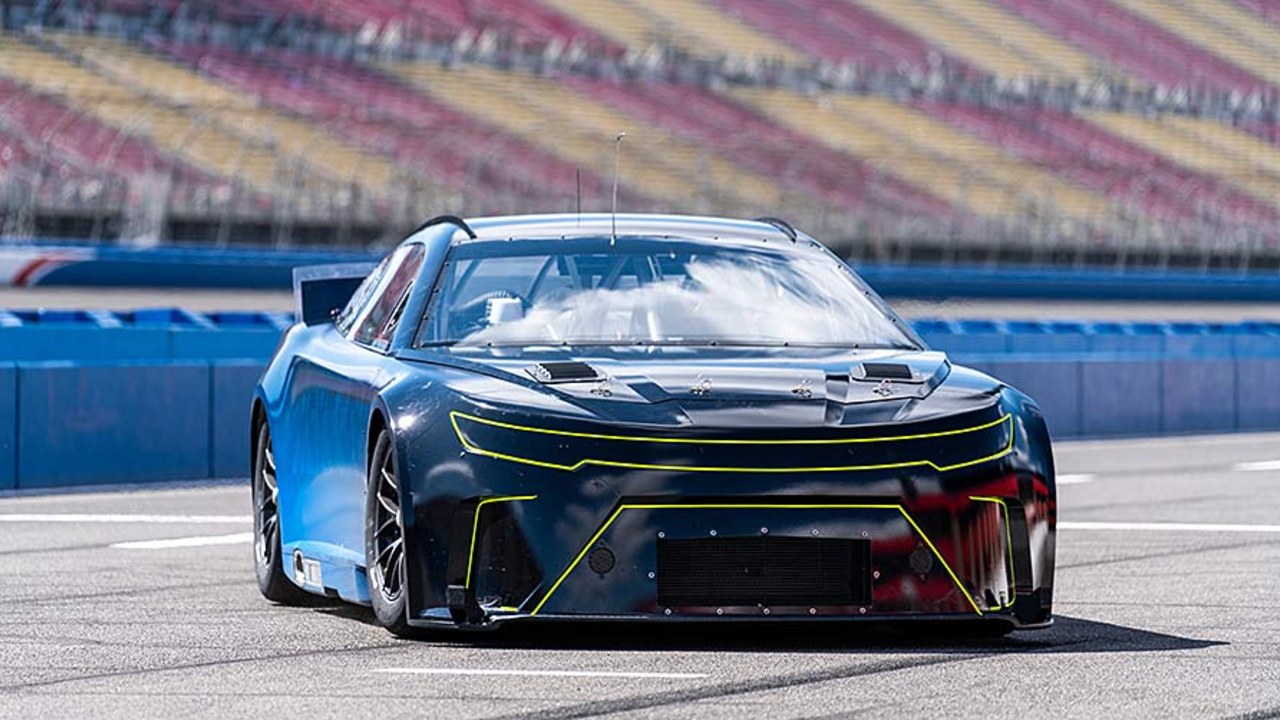
The fight over NASCAR’s Gen 7 platform has been framed as a battle over horsepower and entertainment value, but testimony in the ongoing antitrust trial points to a more basic motive. The limits baked into the Next Gen ruleset are, at their core, about keeping the cost of competing in the NASCAR Cup Series from spiraling out of reach. Power is the headline, yet the real story is how tightly controlled hardware is being used to protect a fragile economic model.
By standardizing the car and capping how far teams can push it, NASCAR has tried to trade some engineering freedom for long term financial stability. The result is a machine that looks more like a modern showroom car, relies on common parts, and is governed by rules that are explicitly designed to contain spending rather than simply to slow the field down.
How the Next Gen car reshaped the Cup Series
The Next Gen car, originally known as the Gen-7 car, was conceived as a clean break from the previous generation of Cup machinery, with NASCAR moving to a single platform for Chevrolet, Ford, and Toyota that would underpin the entire top series. The Next Gen body style and chassis package were built to be common across manufacturers, with brand identity expressed mainly through styling cues rather than bespoke hardware, a shift that immediately reduced the scope for open ended development and the budgets that came with it, as detailed in the overview of The Next Gen car.
From the start, the platform was engineered around spec components and a tighter rulebook rather than raw output. The car’s architecture, including its independent rear suspension and revised body proportions, was designed to modernize the Cup Series and align it more closely with contemporary road cars, while still allowing NASCAR to police performance through a defined set of parts and configurations, a balance that is laid out in technical explainers on the Next Gen package.
Rules configuration that prioritizes control over horsepower
When NASCAR announced the rules configuration for the Next Gen rollout, the emphasis was on locking in a standardized package that could be applied across the schedule, not on chasing a specific horsepower number. Officials detailed how the rules followed extensive organizational tests at Charlotte Motor Speedway, and the resulting configuration spelled out a tightly defined combination of aero pieces and engine parameters that teams would be required to run, a structure captured in the sanctioning body’s Announces Next Gen Rules Configuration bulletin.
That framework has become the focal point of current debates, as teams push for more freedom while NASCAR reviews the Next Gen car rules. Reporting on those discussions notes that several updates are already confirmed for 2026, while broader “de spec” ideas remain under review, underscoring that the sanctioning body is willing to tweak the platform but is not prepared to abandon its core philosophy of a controlled, cost conscious ruleset, a stance reflected in coverage of how NASCAR Reviews Next Gen car rules as teams lobby for more latitude.
What trial testimony reveals about the real cost drivers
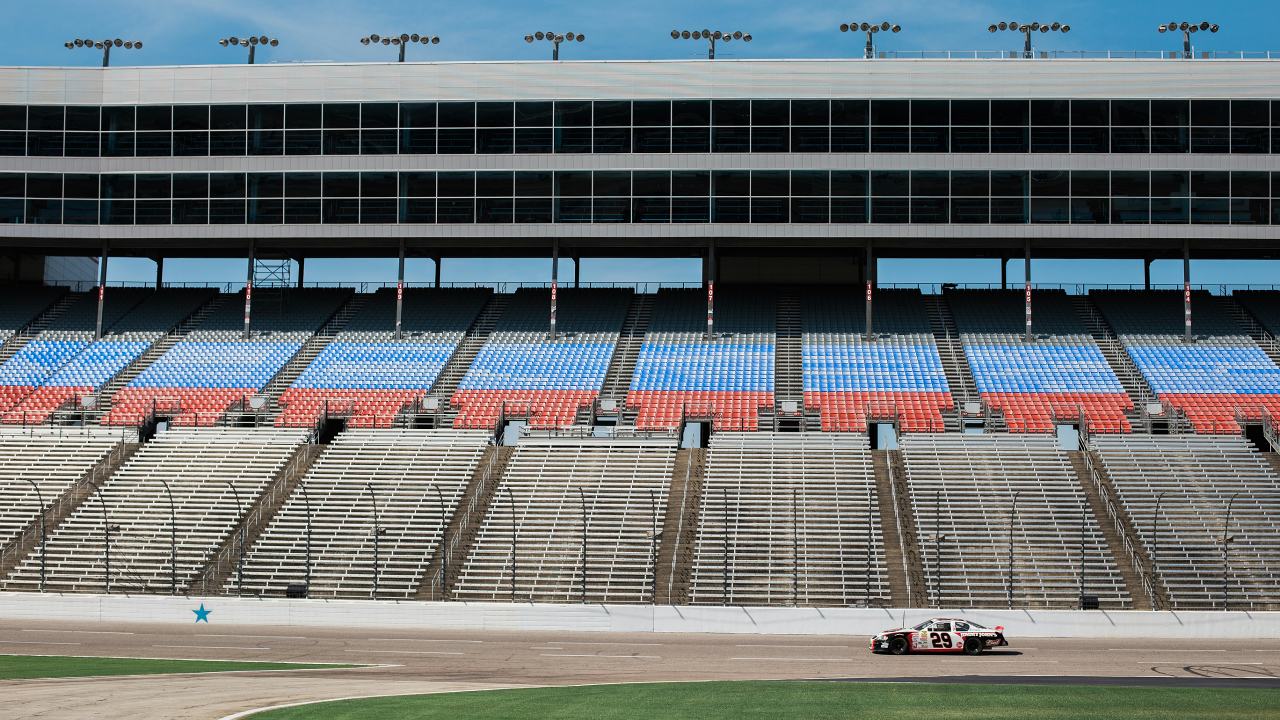
The antitrust trial has pulled back the curtain on how expensive the Next Gen era has become and why NASCAR is so intent on holding the line. As Chief Racing Development Officer John Probst testified, the development of the Next Gen car required a significant investment from NASCA itself, with Probst describing in court how much the organization spent to design, test, and validate the platform day after day, a level of detail that emerged in reporting on how As Chief Racing Development Officer he laid out the financial stakes.
Separate coverage of the trial has amplified those numbers, highlighting how the real cost of the Next Gen car was revealed under oath and how that figure compares to what teams are paying to field a single Cup entry. One widely shared breakdown framed it as “million dollars for one car” and argued that the standardized platform is intended to keep that figure from climbing even higher and to keep the sport sustainable, a point that has circulated in social media analysis of NASCAR Next Gen costs.
Witness framing: limits as a cost containment tool
Within that courtroom context, the most telling testimony has not been about how fast the cars could go, but about why NASCAR chose to limit them. A key witness aligned with the sanctioning body has argued that the Gen 7 restrictions are primarily a cost containment tool, describing the rules as a way to prevent an arms race in engine and chassis development that would favor the biggest organizations and squeeze out smaller teams, a characterization echoed in trial coverage that highlights how NASCAR executives framed the rationale.
That argument fits with the broader narrative that emerged as John Probes, identified in one account as the executive who finally revealed how much the Next Gen program cost, defended the decision to centralize development and lock in spec parts. By presenting the limits as a financial safeguard rather than a performance cap for its own sake, the witness testimony reframes the horsepower debate as a byproduct of a larger economic strategy, one that is consistent with the standardized architecture described in technical rundowns of the Next Gen car and the common platform outlined in the background on Gen 7.
Where teams want more freedom and what comes next
Team owners and drivers have not been shy about pointing out where they believe the current package falls short, and their push for more freedom is now intersecting directly with NASCAR’s cost control narrative. Reporting on the ongoing rules review notes that organizations are lobbying for additional areas of adjustment and innovation, while NASCAR has already locked in some updates for 2026 and is still weighing more sweeping “de spec” concepts, a process captured in coverage of the Updates Already Confirmed for the Next Gen rules.
The tension is clear: teams see performance and competitive differentiation in the areas where NASCAR currently enforces standardization, while the sanctioning body views those same areas as the levers that keep budgets from exploding. As the trial testimony about development spending from Probst and the public breakdowns of per car costs circulate, NASCAR’s leadership is effectively arguing that any relaxation of the Gen 7 limits must be weighed against the risk of undoing the financial stability the platform was designed to create, a stance that aligns with the cost focused rationale behind the original Gen Rules Configuration and the standardized Next Gen concept laid out in the foundational descriptions of the NASCAR Cup platform.




Leave a Reply