
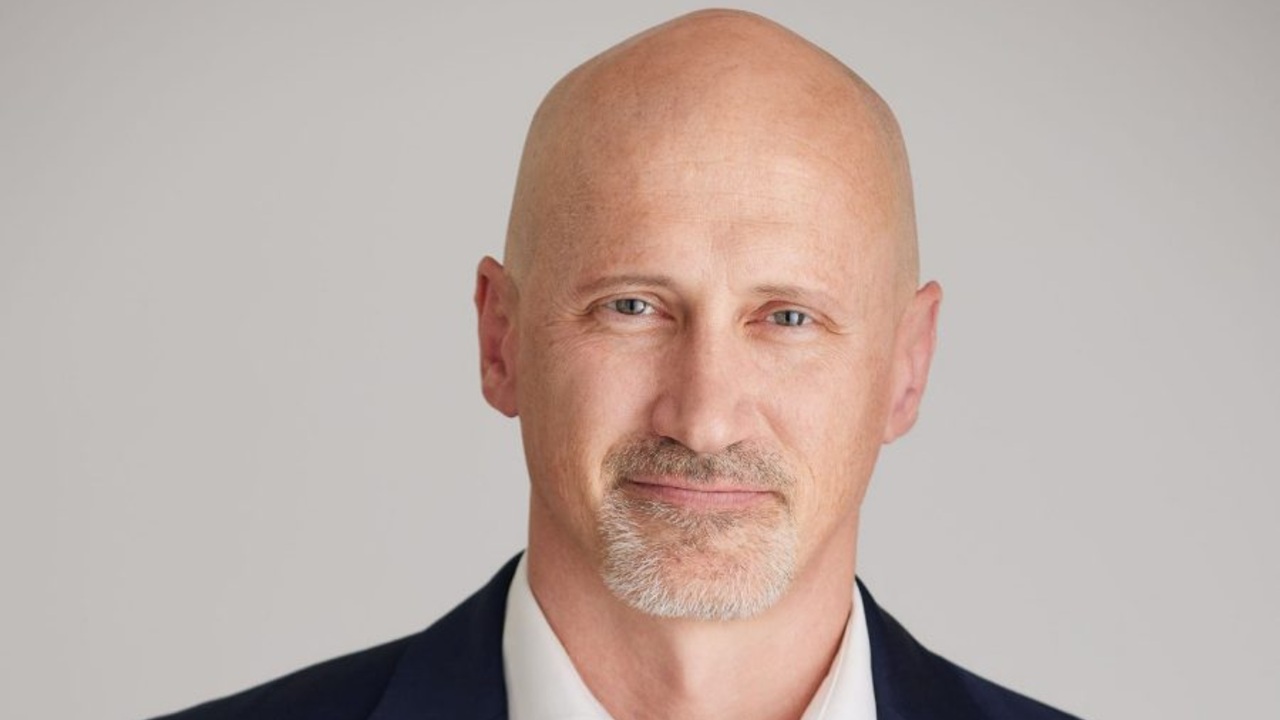
General Motors is quietly running one of the most consequential leadership tests in the auto industry, sizing up former Tesla Autopilot chief Sterling Anderson as a potential successor to long-serving chief executive Mary Barra. The outcome will help determine how aggressively the Detroit giant leans into software, automation, and artificial intelligence as it navigates the next decade of electric and connected vehicles.
At stake is not just who sits in the corner office, but whether GM’s next era is led by a manufacturing traditionalist or by a technologist steeped in autonomous driving and AI. By elevating Anderson into a high-pressure product role and tying his future to the success of GM’s most ambitious vehicles, Barra is effectively using the company’s own transformation as a proving ground for its possible next CEO.
Mary Barra’s legacy and the stakes of succession
Mary Barra has spent years reshaping General Motors around electric vehicles, software platforms, and a more disciplined balance sheet, and any handoff of power will be judged against that record. Officially, she remains both Chair and CEO, a dual role that underscores how closely her personal leadership is tied to GM’s strategy and culture, from capital allocation to product bets across Chevrolet, GMC, Cadillac, and Buick, as reflected on GM’s own leadership roster for Mary Barra.
Barra’s tenure has also been defined by her status as a trailblazing American executive, with her biography identifying her as Mary Teresa Barra (née Makela), an American businesswoman who rose from engineering roles into the top job. That background matters in the succession conversation, because it highlights how GM has already broken with tradition once by elevating a leader who understands both the factory floor and the boardroom, as detailed in profiles of Mary Teresa Barra. Any successor will be measured against that blend of technical fluency and corporate stewardship, which raises the bar for someone like Sterling Anderson who is being groomed in a very different technological era.
Sterling Anderson’s path from Tesla Autopilot to GM power player
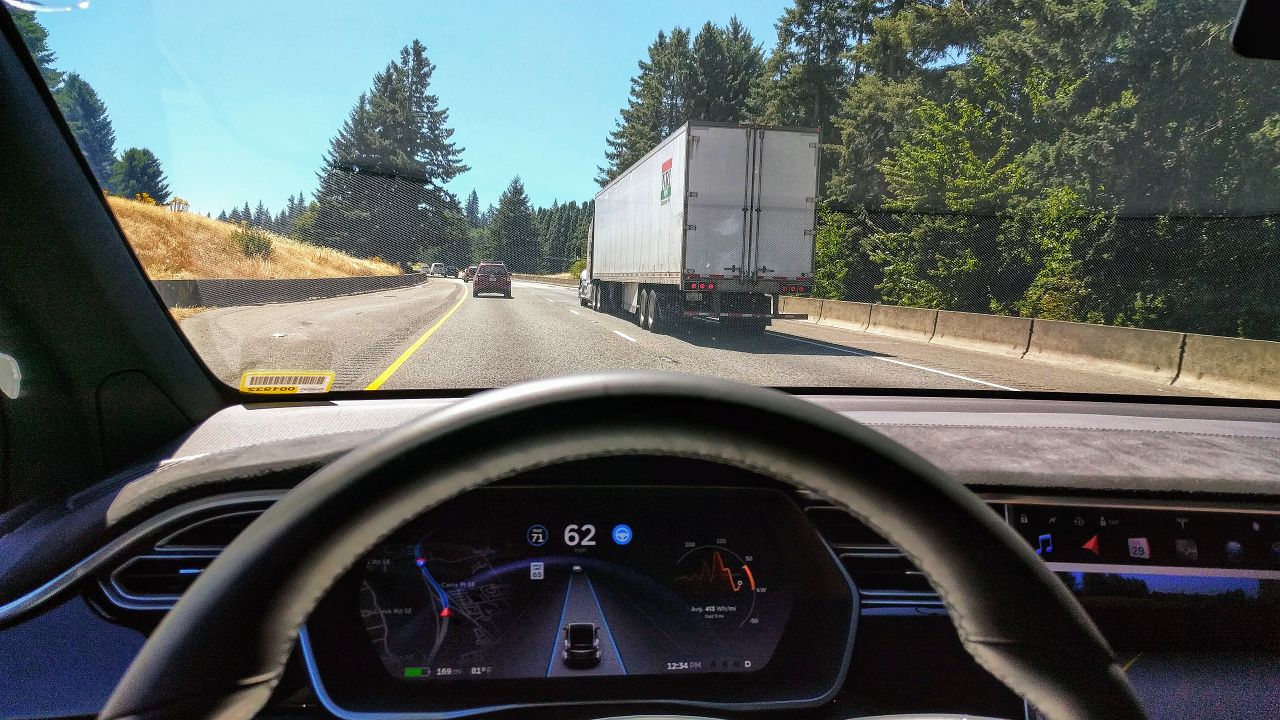
Sterling Anderson arrives in GM’s succession picture with a resume that is rare inside legacy automakers, shaped by his time leading Tesla’s Autopilot program and co-founding an autonomous vehicle startup before joining Detroit. Earlier this year, GM hired him as chief product officer, with reporting at the time emphasizing that General Motors brought in the former Tesla executive and Aurora co-founder to oversee product and join the senior leadership team in Detroit, a move that signaled how seriously GM takes his background in autonomy and software, as described in coverage of GM hiring Sterling Anderson.
GM has since formalized his influence by naming him Executive Vice President, Global Product and Chief Product Officer, a title that places him at the center of decisions about future vehicles, software stacks, and AI-enabled features. That appointment, described in detail in a profile of Executive Vice President, Global Product and Chief Product Officer, effectively gives Anderson control over the portfolio that will define GM’s competitiveness in electric SUVs, trucks, and premium models like the Cadillac Escalade IQL. It is precisely the kind of role that can either burnish or break a would-be CEO, depending on how well he can translate his Silicon Valley credentials into profitable, mass-market vehicles.
The “devil’s test”: Barra’s trial for a potential successor
Inside GM, Mary Barra is not simply handing Anderson a promotion and waiting to see what happens, she is subjecting him to what has been described as a “devil’s test” of succession. Reporting on her internal assessment describes General Motors CEO Barra evaluating Anderson’s potential through a demanding trial that ties his future to the success of GM’s most complex launches and its broader technology transition, a process captured in coverage of General Motors CEO Barra and her approach to Anderson’s candidacy.
That same dynamic is evident in more detailed accounts of how Barra is putting him to the test as a potential CEO, with reports describing Sterling Anderson, GM’s chief product officer, as the front-runner to succeed CEO Mary Barra if he can deliver on the company’s most ambitious programs. Those stories frame his current role as a high-stakes audition, noting that he is emerging as the leading internal contender as Barra looks ahead to her eventual retirement from the storied automaker, as outlined in analysis of Sterling Anderson and his succession prospects. In that context, the “devil’s test” is less about theatrics and more about whether he can prove he understands GM’s scale, regulatory exposure, and dealer network as deeply as he understands AI and autonomy.
Why GM wants a technologist at the top
GM’s interest in a former Tesla Autopilot leader as a possible chief executive reflects how quickly the center of gravity in the car business is shifting from engines and sheet metal to code and sensors. Anderson’s background in advanced driver assistance and autonomous systems gives him a perspective that is increasingly central to GM’s strategy, especially as the company pushes premium electric models like the Cadillac Escalade IQL that rely on sophisticated software and connectivity to justify their price and brand positioning, a direction highlighted in reporting on GM considering the ex-Tesla Autopilot head as its next CEO and the role of flagship vehicles like the Escalade IQL.
At the same time, GM is not simply chasing buzzwords, it is trying to embed AI and automation into everyday driving in ways that feel natural to customers who may be upgrading from a gasoline Chevrolet Silverado or a GMC Acadia. Anderson’s current mandate as Executive Vice President, Global Product and Chief Product Officer is to bring that AI-infused vision into the driveway, a responsibility underscored in analysis of how Sterling Anderson is shaping the future of AI in cars. If GM ultimately hands him the CEO role, it would be betting that the person who designs the product roadmap is also best positioned to steer the entire company through a world where vehicles behave more like smartphones on wheels than traditional machines.
A 42-year-old technologist facing a legacy automaker’s realities
For all the excitement around his background, Anderson’s candidacy is also a test of whether a relatively young technologist can adapt to the slower, more regulated, and capital-intensive world of a century-old manufacturer. One account of his current challenge describes it as a significant undertaking that draws on the experience of the “42-year-old” Anderson, noting that Barra wants him to bring a fresh, tech-driven perspective to GM’s lineup while still respecting the company’s deep manufacturing roots and dealer relationships, as detailed in coverage that profiles Anderson and his age and expectations from Barra.
That same reporting underscores how unusual it would be for someone of his age to take the helm of a company as large and historically conservative as GM, suggesting that a CEO in his early forties at such a legacy automaker would feel “very strange” by traditional standards. Yet Barra’s willingness to subject him to a rigorous succession test, including the “devil’s test” described in the Wallstreetcn report dated “12.18” that examines how General Motors CEO Barra is evaluating Anderson, suggests that GM’s board is at least open to the idea that the next phase of its life may require a different kind of leader. If Anderson can prove he can manage recalls, labor negotiations, and global supply chains with the same confidence he brings to AI and autonomy, he will have made a compelling case that a 42-year-old technologist can carry a legacy automaker into its next chapter.

Leave a Reply