
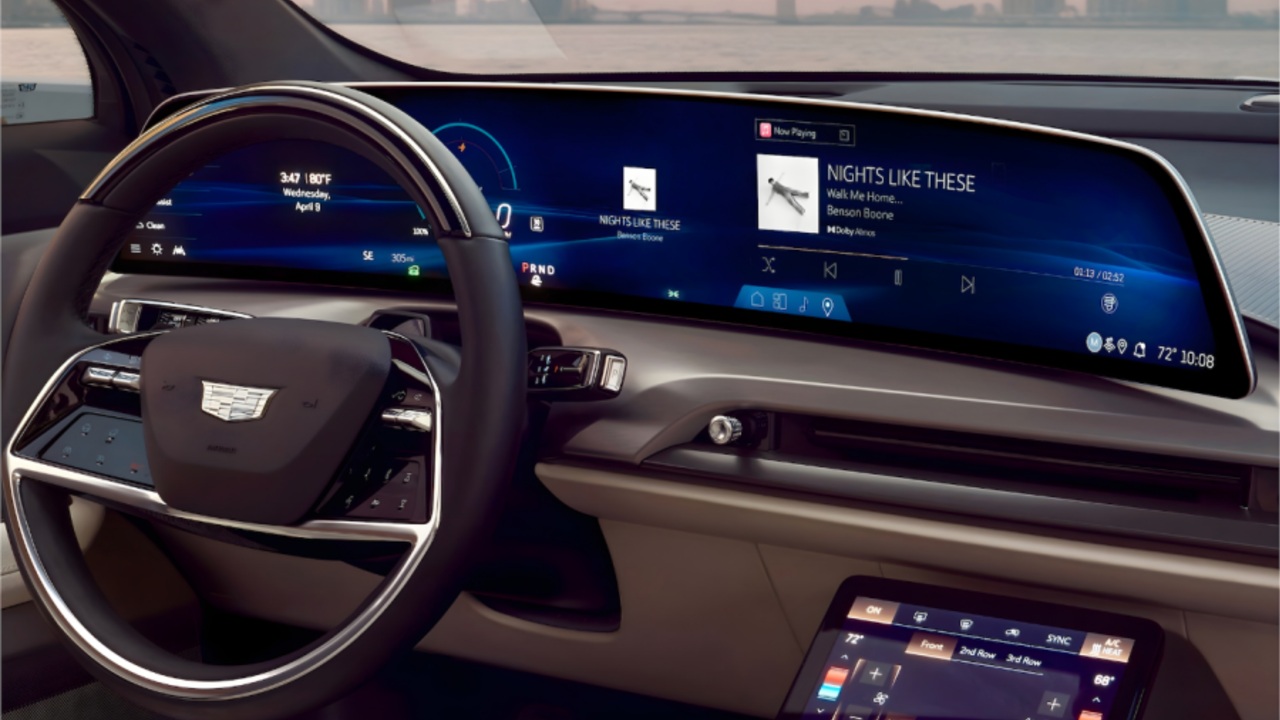
General Motors is deepening its bet on in-house software by baking Apple Music directly into a growing list of new vehicles, including halo models like the Corvette and Escalade IQ. Instead of relying on phone mirroring, GM is turning its infotainment system into a native streaming hub, tying premium audio to its OnStar connectivity and its broader push to control the digital dashboard.
The move gives GM drivers a familiar music service without reversing the company’s decision to drop Apple CarPlay and Android Auto, a shift that has drawn sharp criticism from some buyers. By making Apple Music part of the core experience in select Chevrolet and Cadillac models, GM is trying to keep customers inside its own interface while still delivering the playlists and curated content they expect.
GM’s native Apple Music pivot, explained
GM is not simply adding another app tile to its screens, it is restructuring how in-car audio works by treating Apple Music as a built-in feature rather than a phone-dependent add-on. The company has secured a deal with Apple that brings the service natively to Chevrolet and Cadillac models, positioning Apple Music as a standard part of the infotainment stack instead of something that appears only when a phone is plugged in. Reporting on the agreement describes General Motors Co working directly with Apple to integrate the service into its own software platform, a notable shift for an automaker that has been phasing out third-party projection systems in favor of its proprietary interface.
That strategy is clearest in GM’s electric and next-generation vehicles, where the company has already committed to dropping Apple CarPlay and Android Auto. Months after moving to end support for those mirroring systems, General Motors announced direct integration of Apple Music in select new vehicles, framing it as a way to keep popular services while retaining control of the user experience. Coverage of the rollout notes that GM is threading a narrow path: it wants the appeal of Apple’s ecosystem, but it also wants drivers to engage with GM’s own navigation, energy management, and subscription features rather than living entirely inside a phone-driven interface.
Which GM models get Apple Music first
The rollout is targeted, starting with higher-profile and higher-margin vehicles that showcase GM’s latest infotainment hardware. Documentation of the launch highlights that Apple Music is coming to select 2025 and 2026 Chevrolet and Cadillac models, with a particular emphasis on performance and luxury nameplates. Among the Cadillac lineup, the 2025 ESCALADE IQ and the 2026 VISTIQ are explicitly called out as recipients of built-in Apple Music support, alongside the 2025 and 2026 CT5, which positions the service as a standard expectation in the brand’s premium sedans and SUVs.
On the Chevrolet side, GM is tying the integration to its newest platforms, which include headline models like the Corvette as well as other 2025 and 2026 vehicles that share the same digital architecture. Company materials describe Apple Music as rolling out to select 2025 and newer Cadillac and Chevrolet models, signaling that this is not a one-off experiment but a feature that will spread across the portfolio as new generations arrive. By anchoring the launch in aspirational vehicles such as the Escalade IQ and Corvette, GM is using its most visible products to normalize the idea that streaming services live inside the car itself, not on a phone dangling from a cable.
OnStar, “no additional cost” streaming, and the business model
GM is also using Apple Music to reinforce the value of its connectivity business, particularly OnStar. The company has said that audio streaming will be available at no additional cost with OnStar, effectively bundling Apple Music data usage into the subscription drivers already pay for. In practice, that means a customer with an eligible OnStar plan can tap into Apple Music through the car’s built-in connection without worrying about separate data charges, a perk GM is positioning as part of a broader package of always-on upgrades and new features that arrive over the air.
Framing Apple Music as “standard streaming” is a subtle but important shift in how GM talks about its services. Rather than treating music as an optional add-on, the automaker is presenting audio streaming as a baseline expectation of the modern connected car, with OnStar as the gateway. Company communications emphasize that the integration is designed to make listening effortless, with Apple Music accessible through a tap on the dashboard and tied into the vehicle’s native voice and control systems. That approach not only encourages drivers to keep their phones in their pockets, it also strengthens GM’s case that its subscription ecosystem delivers tangible everyday benefits, not just safety and concierge features.
CarPlay is still out, and GM is trying to calm the backlash
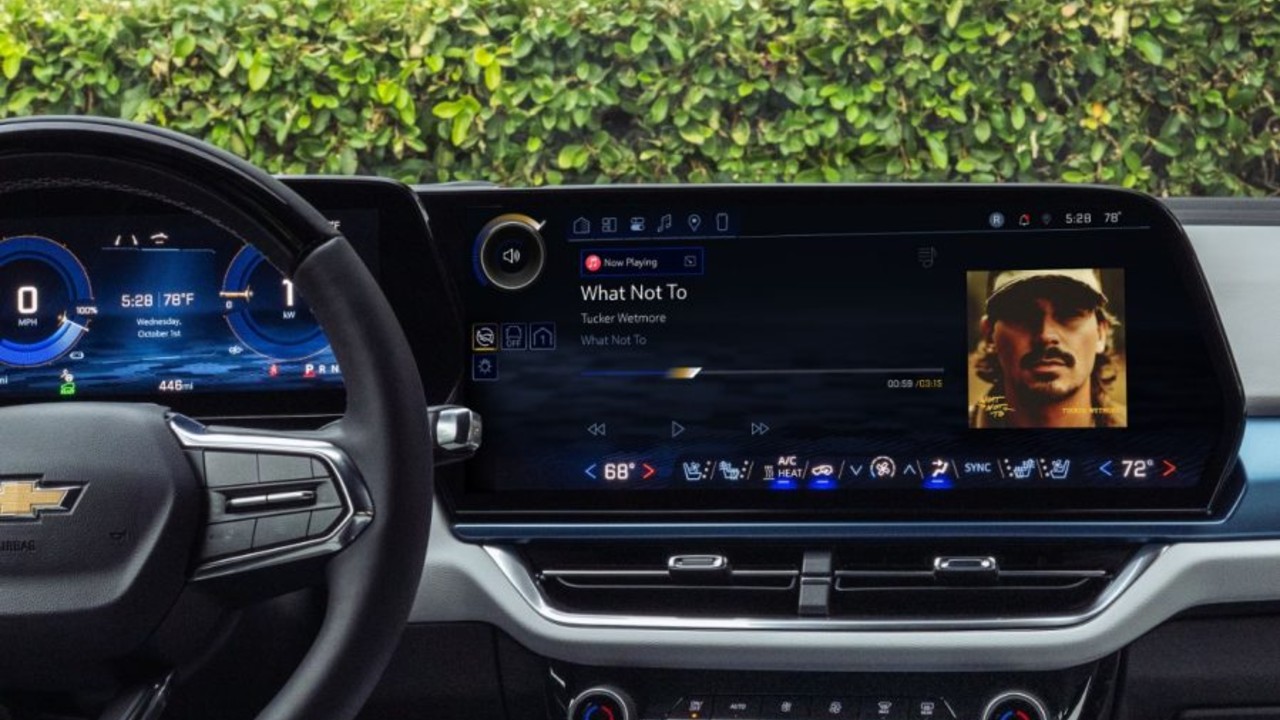
Even as GM embraces Apple Music, it is holding the line on its decision to drop Apple CarPlay and Android Auto from many of its new vehicles, especially EVs. Earlier this year, the company moved to remove those phone projection systems from upcoming models, arguing that its own software could provide a more integrated experience for navigation, charging, and vehicle diagnostics. Reporting on the Apple Music deal makes clear that this new integration does not change that stance, and that GM’s electric vehicles still do not get CarPlay despite the software’s popularity among drivers who have grown used to mirroring their phones on the dashboard.
The timing and tone of the Apple Music rollout suggest GM knows it has a perception problem with tech-savvy buyers and is trying to blunt some of the criticism. One analysis describes GM as betting that drivers will miss CarPlay less with built-in Apple Music support, while another characterizes the move as an attempt to help quell lack-of-CarPlay woes by adding an Apple Music app with Dolby Atmos streaming. A more pointed take notes that GM is bringing Apple Music to its cars so fewer people will complain about not having CarPlay, even as “whiners” are unlikely to be fully satisfied. Across these accounts, the throughline is consistent: GM is offering a popular Apple service as a peace offering, but it is not reversing course on its broader software strategy.
Dolby Atmos, premium audio, and the in-car experience
GM is not just flipping a switch for basic streaming, it is leaning into Apple Music’s more advanced features to sell the upgrade in sound quality. Coverage of the integration highlights that GM is adding an Apple Music app with Dolby Atmos streaming, a format that supports immersive, multi-dimensional audio when paired with compatible hardware. In vehicles like the Escalade IQ, which already tout elaborate speaker arrays and carefully tuned cabins, the combination of native Apple Music and Dolby Atmos gives GM a concrete way to differentiate its infotainment experience from a simple Bluetooth connection.
That focus on premium audio dovetails with GM’s broader push to make its infotainment systems feel like high-end consumer electronics rather than clunky car computers. By tying Apple Music’s Dolby Atmos catalog to factory-installed sound systems, GM can market a curated, out-of-the-box experience that does not depend on a customer’s phone settings or data plan. It also reinforces the idea that the car’s software and hardware are designed as a single package, with Apple Music treated as a first-class citizen in the interface rather than a secondary stream coming from a handset. For buyers who care about sound quality and seamless controls, that is a tangible benefit that goes beyond the abstract debate over CarPlay.
What this means for GM’s software future
Stepping back, the Apple Music deal underscores how aggressively GM is trying to own the digital layer of its vehicles while still accommodating the services drivers care about most. Months after it began phasing out Apple CarPlay and Android Auto, General Motors chose to integrate Apple Music directly into select new vehicles, signaling that it sees value in partnering with content providers even as it resists ceding control of the interface. The company is effectively drawing a line between platform and app: Apple can bring its music service, but GM’s software remains the gatekeeper.
For drivers, the trade-off is straightforward. Owners of newer Cadillac and Chevrolet models, including headline vehicles like the Corvette and Escalade IQ, will gain a deeply integrated Apple Music experience that works over the car’s own connection and ties into OnStar at no additional streaming cost. At the same time, those same buyers will still need to adapt to a world where their phones no longer project Apple CarPlay or Android Auto onto the dashboard. Whether GM’s bet pays off will depend on how compelling its native software becomes, and whether integrations like Apple Music with Dolby Atmos streaming are enough to make drivers forget the old way of plugging in and mirroring everything from their phones.



Leave a Reply