
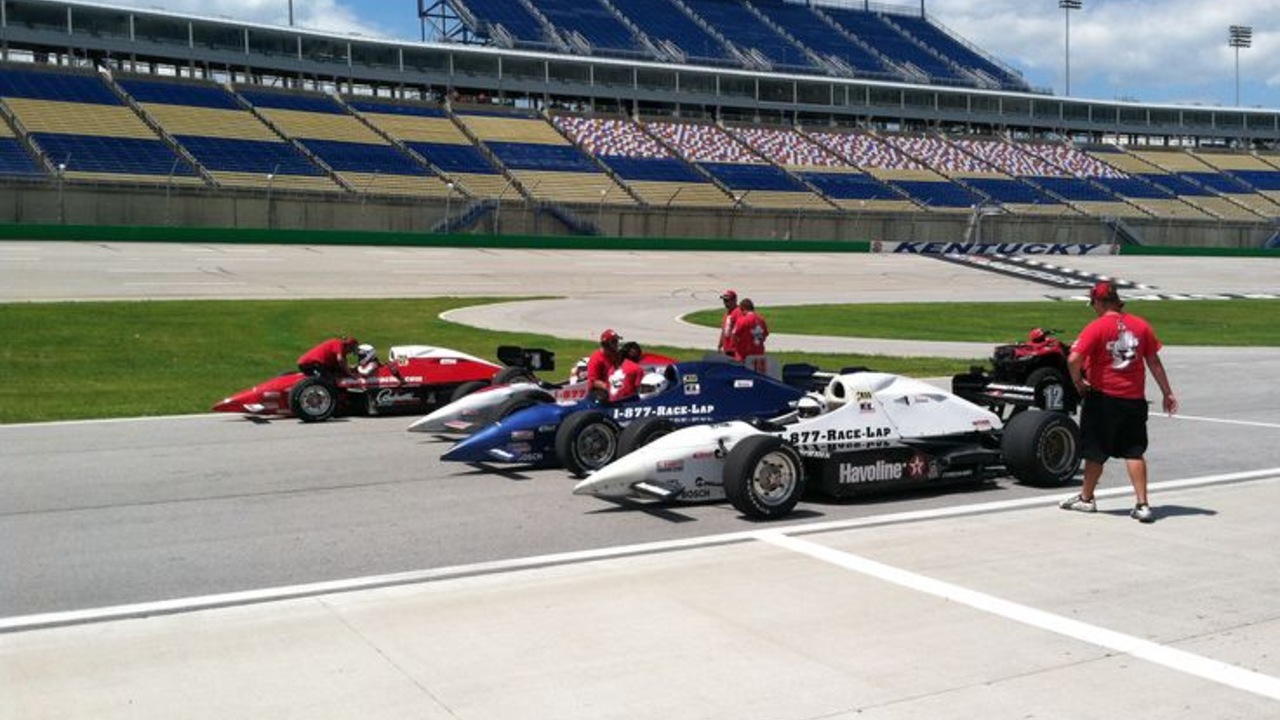
IndyCar is handing control of race officiating to a new, independent three-member panel, a structural shift that aims to separate competitive decisions from the series’ commercial interests. The move will reshape how penalties, protests, and race control calls are made across the NTT IndyCar Series and INDY NXT by Firestone starting in 2026, with a dedicated non-profit organization overseeing the process.
By creating a standalone body with its own board, budget, and leadership, the championship is betting that greater transparency and independence will strengthen trust among teams, drivers, and fans. The change also aligns IndyCar more closely with global motorsport governance practices, while still keeping the series’ own rulebooks at the center of how races are run.
The structure of IndyCar Officiating Inc and its three-member board
The backbone of the new system is a non-profit entity, IndyCar Officiating Inc, that will sit outside the series’ day-to-day commercial operations yet remain responsible for how races are policed. According to series officials, this organization will be governed by a three-person board that has authority over officiating policy, staffing, and oversight of race control decisions for both the NTT IndyCar Series and INDY NXT by Firestone. The group is being set up as an independent and not-for-profit organization, with its own governance framework and the power to establish its annual budget, which marks a clear break from the previous model where officiating sat directly under the series’ competition department.
The three-member board is built around a blend of American oval and road racing expertise, manufacturer and engineering experience, and international race control credentials. Two of the board members were chosen by IndyCar team owners, who are charter members of the new organization, while the third was appointed by The FIA, which is responsible for global motorsport governance. The board is composed of Ray Evernham, Raj Nair, and Ronan Morgan, with Evernham and Nair selected by the team owners and Morgan appointed by The FIA to bring an external perspective rooted in international race management. Together, they will be responsible for supervising the independent officiating system and enforcing rules written by INDYCAR through IndyCar Officiating Inc.
How the independent officiating system will work in practice
At the operational level, the new structure introduces a clear chain of command that separates governance from execution. IndyCar Officiating Inc will employ a Managing Director Officiating, often referred to as the MDO, who will be responsible for running the organization, hiring key staff, and proposing the annual budget that the board will approve. Under the MDO, a Race Director will lead race control, manage stewards, and oversee the application of penalties and in-race decisions, while technical officials will handle inspection and compliance with the rulebooks as written by INDYCAR. This framework is designed so that the board sets policy and holds leadership accountable, while the MDO and Race Director manage the day-to-day officiating work at events.
Series leadership has emphasized that the independent body will still operate within the competitive framework defined by INDYCAR, rather than writing its own sporting or technical regulations. The rulebooks will continue to be authored by INDYCAR, but the interpretation and enforcement of those rules will be handled by the new organization, which is expected to oversee everything from pre-race inspection to in-race penalties and post-race reviews. The FIA’s role is deliberately limited to appointing one board member, Ronan Morgan, rather than dictating how the series is run, which keeps control of the championship’s identity and regulations in American hands while adding an external check on officiating independence. In practice, that means teams and drivers will still race under familiar regulations, but the people making the calls will answer to a separate governance structure.
Why IndyCar is moving to an independent panel now
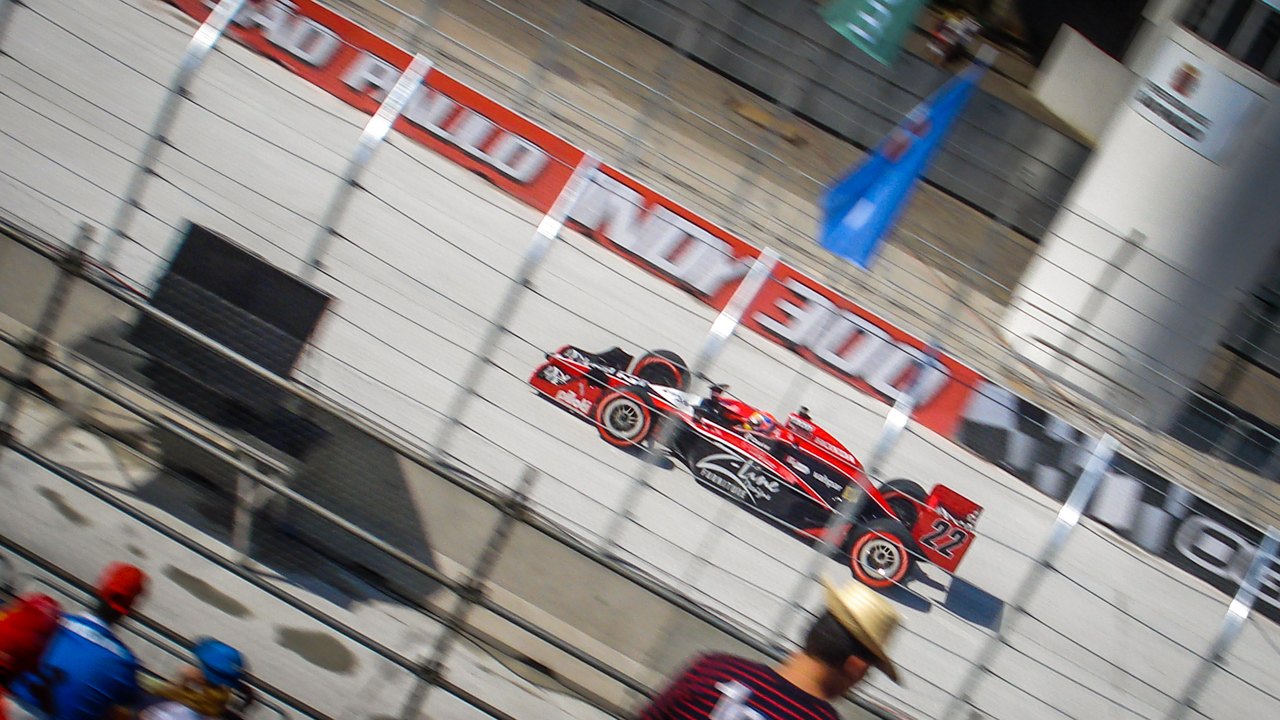
The decision to create an independent officiating panel reflects a broader push inside the paddock to reduce perceived conflicts of interest and increase confidence in race control decisions. By giving team owners a formal role in selecting two of the three board members, IndyCar is acknowledging that competitors want a stronger voice in how officiating is overseen, without allowing any single team or commercial stakeholder to dominate the process. The addition of a board member appointed by The FIA adds another layer of distance from the series’ own leadership, which is intended to reassure fans and participants that controversial calls will be evaluated by a body with its own mandate and accountability.
There is also a strategic timing element. The independent system is scheduled to be in place for the 2026 NTT IndyCar Series season, a year that already carries significance for the championship’s commercial and broadcast landscape. Background and series news for 2026 include a new television arrangement and a continued partnership with Firestone Tire and Rubber Company, which has extended its role as the exclusive tire supplier. Launching a new officiating structure at the same time allows IndyCar to present a refreshed package to fans and partners, combining stable technical and commercial foundations with a more modern governance model for race control. In my view, that alignment suggests the series is treating officiating reform as a core part of its long-term growth strategy rather than a narrow response to isolated controversies.
Implications for teams, drivers, and fans
For teams and drivers, the most immediate impact will be a clearer separation between the people who promote the series and the people who decide penalties and race outcomes. With IndyCar Officiating Inc operating as a non-profit overseen by a three-person board, competitors will be able to challenge or question decisions knowing that the officials involved answer to a governance structure that is not directly tied to the series’ commercial leadership. The presence of figures like Ray Evernham, who brings deep experience from top-level American motorsport, and Raj Nair, whose background includes high-level engineering and manufacturer roles, suggests that the board will be attuned to both competitive integrity and the technical realities of modern IndyCar machinery.
Fans, meanwhile, are likely to judge the new system on how it handles the first wave of high-profile incidents once the 2026 season begins. The independent framework is designed to make officiating more consistent and transparent, with the MDO and Race Director accountable to a board that can review processes and recommend tweaks or changes. If the system delivers clearer explanations of penalties, more predictable enforcement of rules, and fewer perceptions of bias, it could strengthen the credibility of the NTT IndyCar Series and INDY NXT by Firestone at a time when global motorsport audiences are increasingly sensitive to how championships are governed. I see this as a calculated attempt to future-proof the series’ reputation, recognizing that in a crowded sports marketplace, trust in officiating is as important as the quality of the racing itself.
How IndyCar’s model fits into the wider motorsport landscape
IndyCar’s move to a three-member independent panel places it somewhere between fully centralized governance and the more fragmented models seen in some other series. By keeping INDYCAR in charge of writing the rulebooks while delegating enforcement to IndyCar Officiating Inc, the championship is trying to preserve its identity and flexibility while still gaining the legitimacy that comes from independent oversight. The limited but symbolic role of The FIA, which appoints one board member rather than setting regulations, underscores that balance: the series is borrowing elements of global best practice without surrendering control of its own sporting DNA.
In the broader context of motorsport, this hybrid approach could become a template for other championships that want to address concerns about officiating without fully outsourcing governance. The combination of a non-profit structure, a small but diverse board, and a professionalized leadership layer featuring a Managing Director Officiating and a Race Director gives IndyCar a framework that can evolve over time as technology, safety standards, and fan expectations change. If the system works as intended once it is implemented for the 2026 season, I expect it to be cited as a case study in how a major series can modernize officiating while keeping its competitive and commercial priorities aligned.



Leave a Reply