
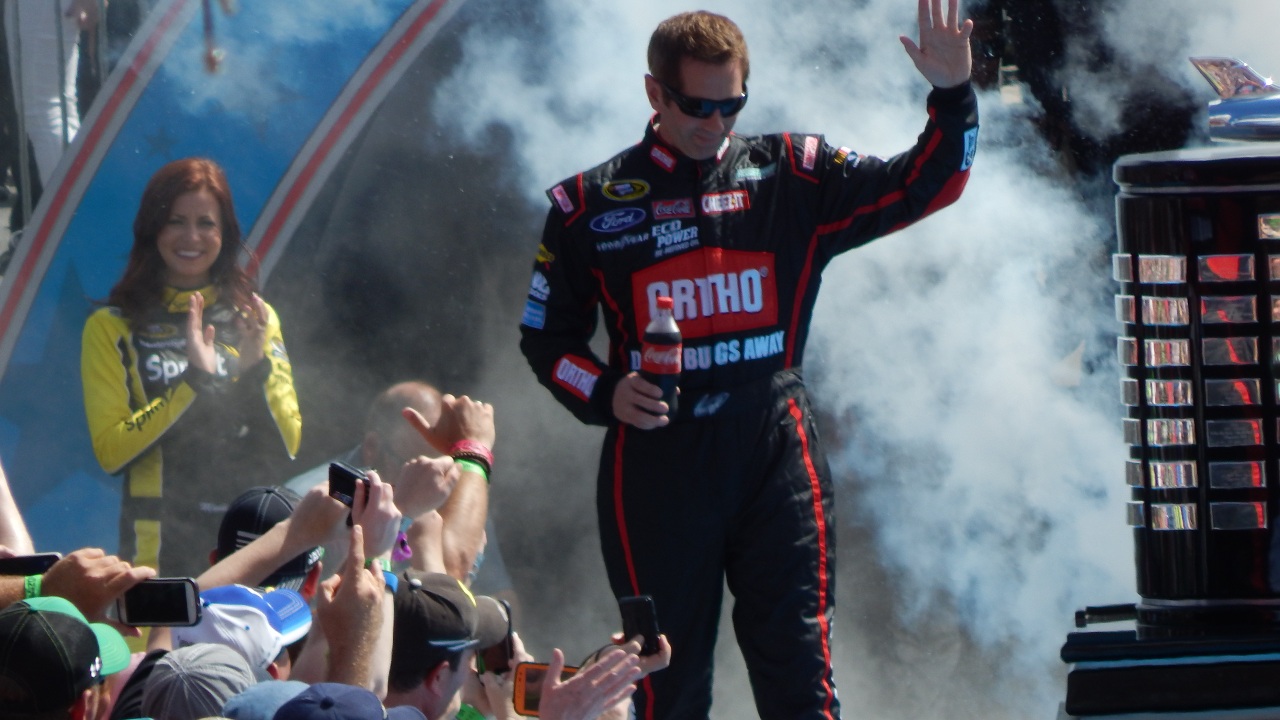
Greg Biffle’s name has long been shorthand in the garage for relentless speed and quiet generosity, a combination that made him one of NASCAR’s most respected modern drivers. As the sport grieves his loss, the industry is also taking stock of a career that stretched from short tracks in the Pacific Northwest to championships in multiple national series and recognition among stock car racing’s all-time elite.
I see the tributes pouring in from competitors, officials, and fans as more than nostalgia. They are a reminder that Biffle’s legacy is not just about trophies, but about how a driver can shape a community, lift people in crisis, and set a standard for what it means to compete hard without losing sight of the bigger picture.
From Vancouver short tracks to national stardom
To understand why NASCAR is celebrating Greg Biffle so intensely, I start with where he came from. Biffle grew up far from the sport’s traditional Southern heartland, a native of Vancouver, Wash, cutting his teeth on short tracks around the Pacific Northwest. That path, far from the familiar feeder circuits of the Southeast, meant he had to force his way into the national conversation with results rather than connections. His early success on those bullrings built a reputation for car control and toughness that would follow him for the rest of his life.
The turning point came when his talent finally intersected with national exposure. Branded as THE BIFF, Greg Biffle first drew widespread attention during the 1995 NASCAR Winter Heat Series, a televised showcase that turned regional standouts into national prospects. On the advice of veteran voice On the airwaves, team owner Jack Roush took a chance on the hard-charging driver from Washington. That pairing set Biffle on a trajectory from Saturday-night ovals to NASCAR’s biggest stages, and it explains why so many in the industry now talk about his journey as proof that raw talent can still cut through geography and expectation.
A rare champion across NASCAR’s ladder
What separates Biffle from even very good drivers is how completely he mastered each rung of NASCAR’s ladder. He is one of only three drivers to win both Xfinity Series and Craftsman Truck Series Championships and then turn that success into a long Cup Series career. That dual-title distinction is not a trivia note, it is a measure of how adaptable he was, conquering wildly different vehicles and competition levels while maintaining the same aggressive, calculated style that made him a threat every time he strapped in.
Even in the Cup Series, where the margins are brutally thin, Biffle carved out a résumé that demanded respect. He piled up more than 50 race wins across NASCAR’s three national divisions, a total that underlines why he was later selected by NASCAR as one of its top 75 drivers in history. That honor, paired with his status as a Hall of Fame level figure, reflects how consistently he ran at the front and how deeply his peers valued his body of work.
“The Biff” in the garage: competitor and colleague
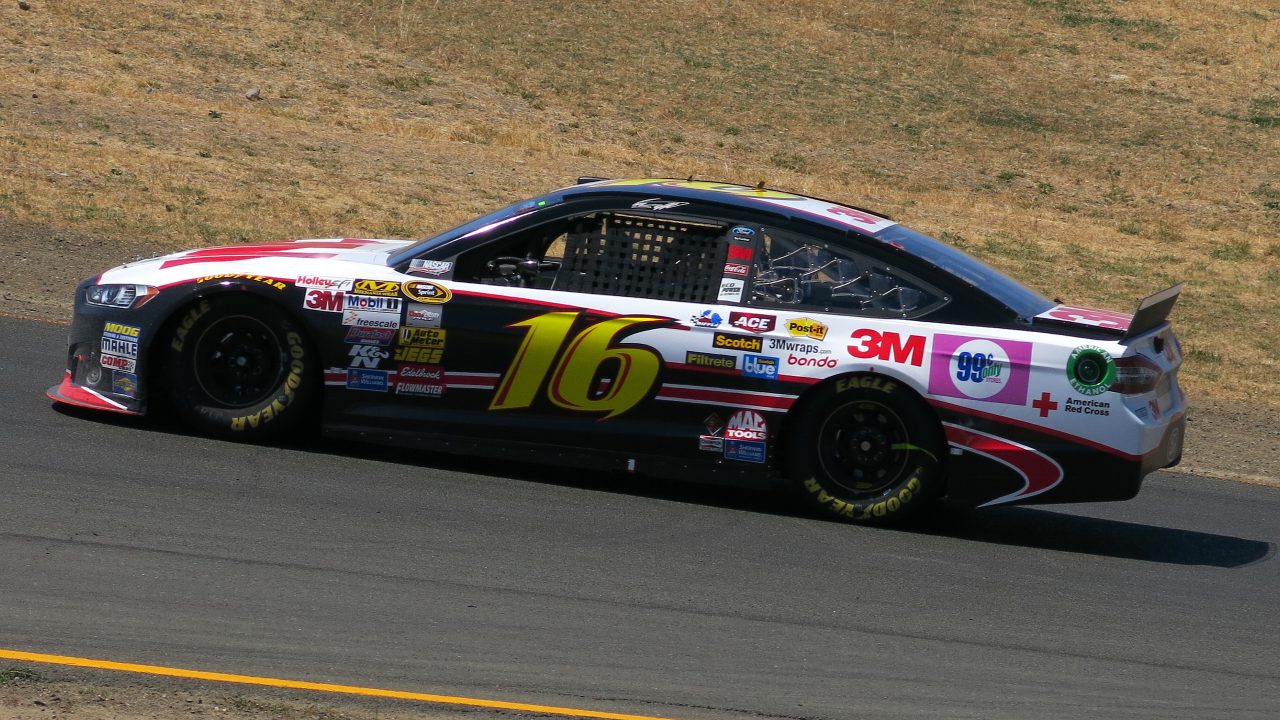
Inside the garage, Biffle was known as much for his personality as his pace. I hear drivers talk about “The Biff” with a mix of reverence and familiarity, a sign of how his nickname became shorthand for a certain kind of racer: blunt, fearless, and fair. When Chase Briscoe called it a “Tough day for our community” and said “The Biff obviously made a big impact on the track winning over 50 race,” he was speaking for a generation that grew up watching Biffle set the tone for how to race hard without crossing the line. That kind of peer testimony carries weight in a sport where reputations are built in the mirror and on the radio.
What stands out to me is how often people pair Biffle’s competitive edge with his generosity. One remembrance described him as having a “big heart and fierce” approach behind the wheel, a combination that is rarer than it sounds in a world defined by split-second decisions and career-defining contact. The same driver who would lean on your door in the final laps was also the one who would quietly help a younger competitor with feedback or lend his name to a cause that needed visibility, a dual identity that explains why the garage feels so hollow without him.
Humanitarian instincts beyond the checkered flag
Biffle’s impact stretched well beyond the scoring pylon, and that is where I think his legacy deepens. He did not treat his platform as a one-way street for personal accolades. Instead, he used his visibility and resources to step into crises that had nothing to do with racing. Reporting has detailed how he helped communities left behind by Hurricane Helene, a role that went far beyond a token appearance or a single donation and reflected a sustained commitment to people who had lost almost everything.
Those efforts were not isolated gestures. They fit a broader pattern of Biffle engaging with fans and neighbors as a neighbor himself, not just as a celebrity dropping in from above. When I look at the way NASCAR officials and fellow drivers talk about his off-track work, it is clear they see it as integral to his story, not an add-on. The same instincts that made him a reliable teammate and respected rival translated into a willingness to show up when cameras were not guaranteed, a trait that deepened the respect he earned inside and outside the sport.
Tragedy in North Carolina and a community in mourning
The shock of Biffle’s death has been amplified by the circumstances and by how central he remained to the NASCAR world. Earlier this week, he, his wife, two children, and three others were aboard a Cessna C550 owned by Biffle when it crashed near Statesville, North Carolina, a tragedy that instantly rippled through the industry. In Charlotte and beyond, teams lowered flags, drivers changed helmet decals, and fans gathered at tracks and shops to leave flowers and handwritten notes. The loss of an entire family, not just a driver, has left a deeper ache than any retirement announcement or on-track injury ever could.
Biffle was 55, an age when many former drivers are just beginning to enjoy a second act as mentors, broadcasters, or team executives. Instead, the sport is left to honor his memory rather than anticipate his next chapter. I see the outpouring of grief as a reflection of how fully he had woven himself into NASCAR’s fabric, from his early days in Vancouver, Wash to his status as a Greg Biffle icon in the NASCAR community. The tributes, from formal statements to simple social media posts, all circle the same idea: the sport has lost not only one of its greatest drivers, but one of its most grounded human beings.



Leave a Reply