
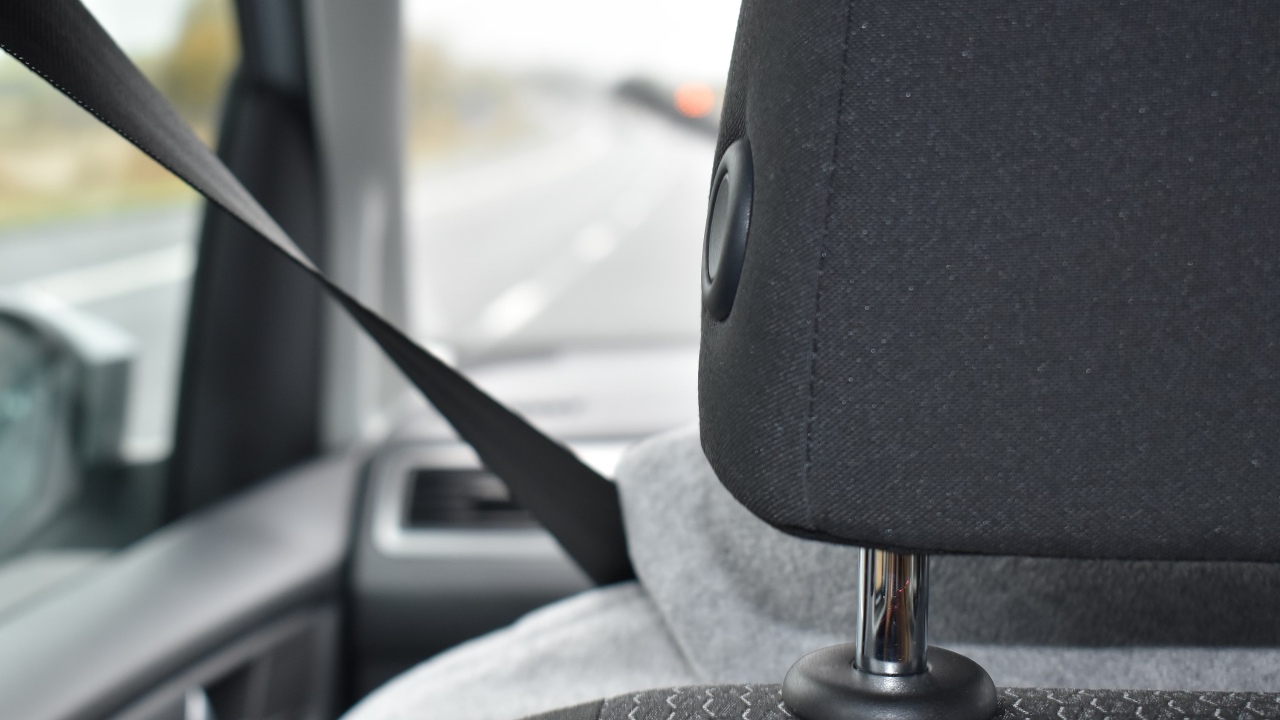
Federal safety regulators have closed a high profile investigation into seat belt problems in nearly 568,000 Hyundai sport utility vehicles after the automaker launched a sweeping recall and repair program. The move caps months of scrutiny over how a critical safety component performed in crashes and shifts the focus to whether owners of affected Hyundai Palisade models actually get the fix.
The decision does not erase the underlying defect, which involves front seat belts that may not adequately protect occupants, but it signals that regulators are satisfied with Hyundai’s remedy and monitoring plan. For drivers, the real story now is less about the investigation’s end and more about understanding whether their vehicle is covered and how quickly they can secure repairs.
How a seat belt defect pulled Hyundai Palisade into the spotlight
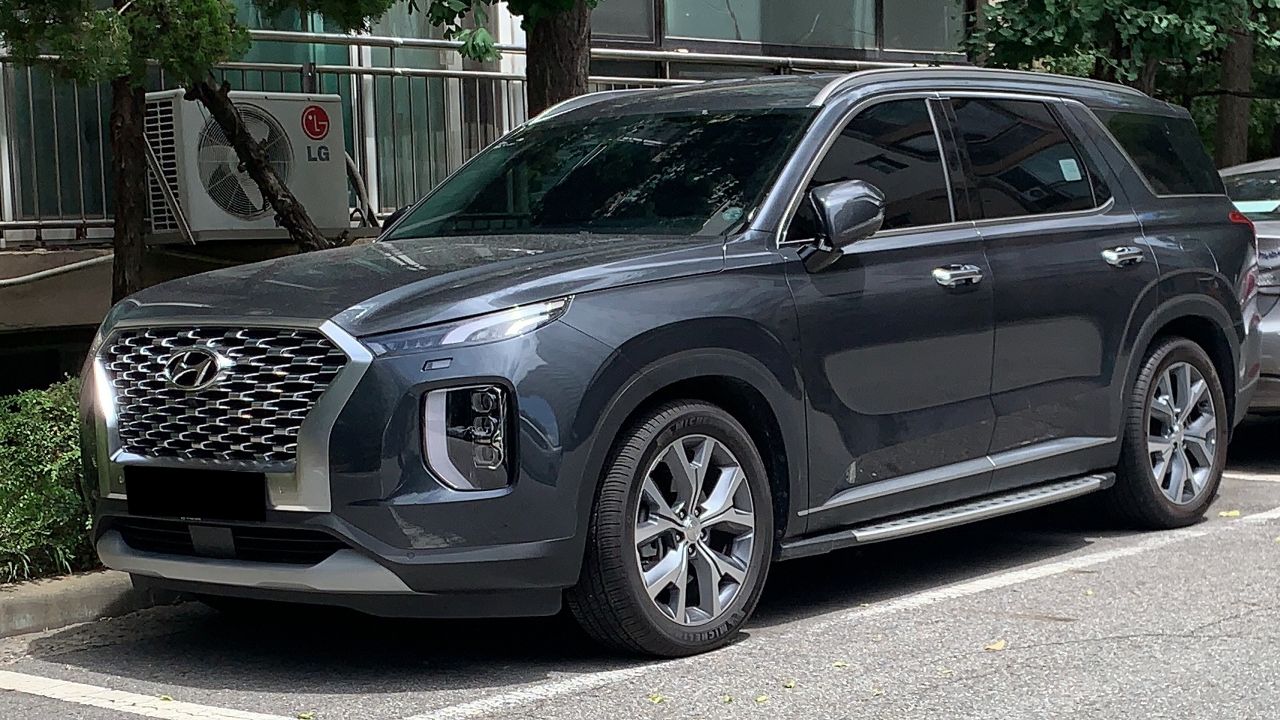
The safety concerns that triggered the federal probe centered on the Hyundai Palisade, a three row SUV that has become a core family vehicle in the United States. Complaints pointed to front seat belts that could fail to restrain occupants properly in a crash, a problem serious enough to prompt regulators to open a defect investigation and to push Hyundai toward a large scale recall of Palisade models built across several years of production. Reporting on the recall describes it as one of the company’s largest safety actions, covering 568,580 Hyundai Palisade SUVs in the United States from the 2020 through 2025 model years.
As engineers and investigators dug into the issue, the focus narrowed to how the front seat belt system was designed and assembled in these vehicles. Federal documents cited in coverage of the recall describe a risk that the belt system might not perform as intended in certain crash conditions, raising the possibility of increased injury. That technical concern, combined with the sheer scale of the affected fleet, explains why the Hyundai Palisade became the centerpiece of the seat belt investigation and why the eventual recall was framed as a major safety event for the brand.
The recall that paved the way for closing the federal probe
The turning point in the case came when Hyundai Motor agreed to a broad recall that aligned with what regulators were seeking. According to detailed recall coverage, Hyundai Motor committed to repair more than 568,500 vehicles in the United States, a figure that closely tracks the 568,580 Palisade SUVs identified in other reporting. The recall campaign targeted the same front seat belt defect that had drawn federal scrutiny, and it applied to Hyundai Palisade models sold across multiple recent model years.
Regulators at The National Highway Traffic Safety Administration reviewed the company’s remedy and concluded that the recall, combined with ongoing monitoring, was sufficient to address the defect. That determination cleared the way for the agency to close its formal investigation into roughly 568,000 Hyundai vehicles equipped with the problematic seat belts. In practical terms, the closure means the government is no longer weighing additional enforcement steps tied to this specific defect, although it retains the authority to revisit the issue if new evidence emerges.
What Hyundai owners need to know about the seat belt fix
For owners, the most important question is whether their SUV is part of the recall and how to get it repaired. Coverage of the campaign makes clear that the recall applies to Hyundai Palisade vehicles built across the 2020 through 2025 model years, a span that captures a large share of Palisades currently on the road. Separate broadcast reports reinforce that Hyundai is recalling more than half a million SUVs over a serious seat belt issue, repeatedly identifying the Hyundai Palisade as the affected model and underscoring that the defect involves the front seat belts in these family oriented vehicles.
Hyundai has told regulators it will inspect and repair the seat belt system in recalled vehicles at no cost to owners, a standard requirement for safety recalls in the United States. While the technical details of the fix vary by vehicle, the core goal is to ensure that the front seat belts meet federal performance standards in a crash. Multiple televised segments on the recall describe Hyundai’s response as a significant safety action, with anchors emphasizing that the company is recalling more than half a million SUVs and that the Hyundai Palisade is at the center of the campaign. Those reports, which reference the recall in Sep and highlight the scale of the affected fleet, align with the figures cited in written coverage of the 568,580 vehicle recall.
How regulators decided the investigation could end
From a regulatory standpoint, closing an investigation into a defect as serious as a seat belt problem is not a casual step. The National Highway Traffic Safety Administration typically looks at whether the automaker has identified the root cause, whether the remedy is technically sound, and whether the recall scope captures all affected vehicles. In this case, reporting on the Hyundai Palisade Seat Belt Recall Closes Investigation notes that after investigating complaints from Palisade owners, The National Highway Traffic Safety Administration accepted Hyundai’s recall of 2020–2025 Hyundai Palisade vehicles as an adequate response and moved to close the probe.
Additional coverage of the federal decision to end the inquiry into about 568,000 Hyundai vehicles over seat belt concerns underscores that the agency’s conclusion was tied directly to the recall’s breadth and the company’s cooperation. One report describes how the 2026 Hyundai Palisade SUV was showcased at the New York International Auto Show Press Preview even as the brand was working through the fallout from the earlier seat belt issues, a reminder that regulators often balance safety enforcement with the reality that automakers continue to launch new products. The closure of the investigation signals that, for now, the government is satisfied that Hyundai’s recall and repair program addresses the defect in the existing fleet.
Checking your own vehicle and the broader recall landscape
Even with the investigation closed, the onus is on drivers to confirm whether their specific vehicle is covered and to schedule repairs. Federal safety officials encourage owners to use online tools to verify recall status, and one dealership guide spells out how straightforward that process can be. It notes that You can readily check to see if your car has a recall by inputting your VIN with the NHTSA lookup tool, then arrange repairs at a local dealer. That same approach applies to Hyundai Palisade owners who want to confirm whether their SUV is part of the seat belt recall tied to the now closed investigation.
The National Highway Traffic Safety Administration has also expanded its digital tools so drivers can search for recalls by more than just the VIN. A federal campaign on Search for Recalls explains that vehicle owners can check for recalls by License Plate on the agency’s recall lookup tool and that Below the search box are resources that walk through how to interpret the results. For Hyundai drivers, that means there are multiple ways to verify whether their vehicle is covered by the Palisade seat belt recall or any other open safety campaign, even if they do not have the VIN handy.
Why the Palisade case matters beyond one recall
The closure of the investigation into nearly 568,000 Hyundai vehicles is more than a procedural milestone, it is a case study in how modern auto safety oversight works. A defect in a core safety system, in this instance the front seat belts of the Hyundai Palisade, triggered complaints, a federal probe, and eventually a recall that swept in 568,580 SUVs across multiple model years. Only after Hyundai Motor agreed to recall over 568,500 vehicles and The National Highway Traffic Safety Administration signed off on the remedy did regulators feel comfortable closing the file.
For consumers, the episode is a reminder that even high profile investigations ultimately hinge on whether owners take the final step of getting their vehicles fixed. Broadcast segments that highlighted Hyundai’s recall in Sep and described the company recalling more than half a million SUVs over a serious seat belt issue helped raise awareness, but awareness does not automatically translate into completed repairs. As new models like the 2026 Hyundai Palisade SUV appear at events such as the New York International Auto Show Press Preview, the safety legacy of earlier model years will depend on how many of those 568,580 recalled vehicles actually receive the seat belt fix that convinced regulators to close the investigation in the first place.

Leave a Reply