
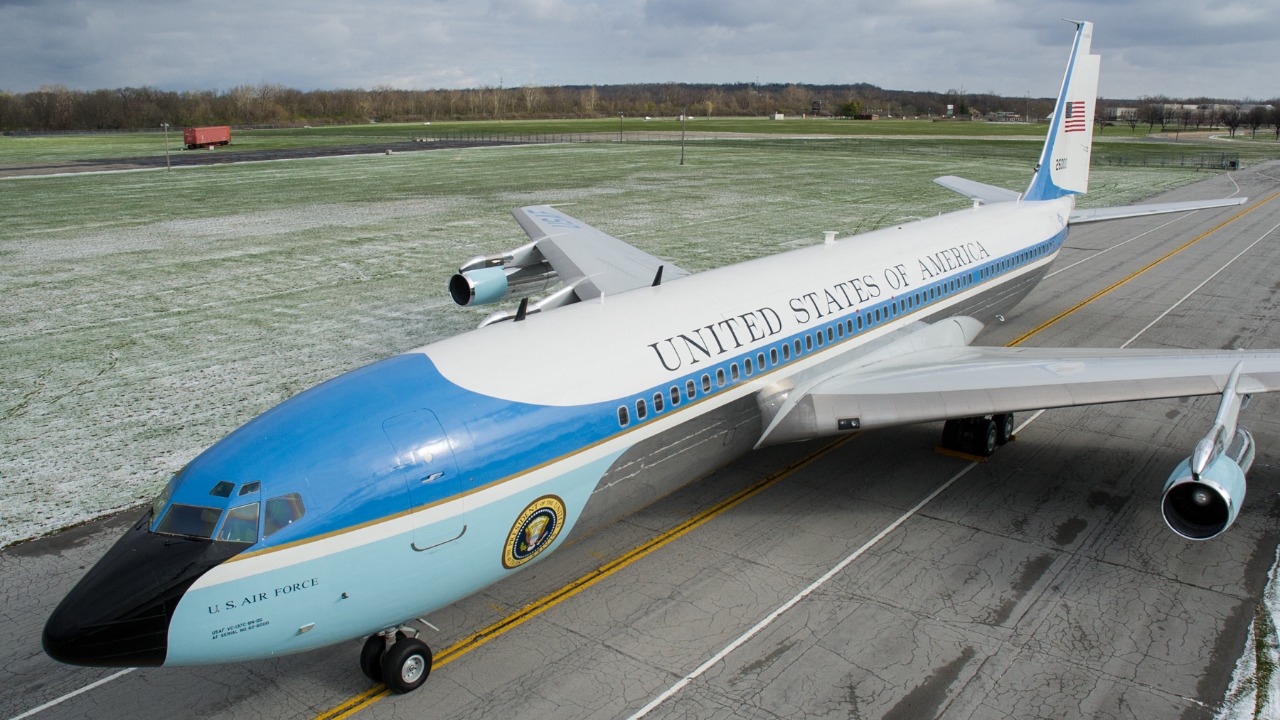
The next generation of Air Force One, already years behind schedule, is now not expected to carry a president until the middle of 2028, extending a saga of delays for one of the United States’ most symbolic aircraft programs. The slip pushes the debut of the new Boeing Air Force One well beyond earlier targets and forces the Air Force to improvise to keep presidential airlift reliable and politically acceptable.
The latest schedule shift deepens questions about Boeing’s ability to execute complex government programs on time and on budget, even as the White House and the Air Force try to reassure the public that the commander in chief will still have secure, modern transportation. It also raises the stakes around interim solutions, from buying additional 747s to exploring more unconventional stopgaps, while the highly customized VC-25B aircraft inch toward completion.
Mid‑2028: How much later is “later” for the new Air Force One?
The core fact is stark: the Air Force now expects the first of the new Boeing Air Force One jets, the VC-25B, to enter service in mid‑2028, not in the earlier window that had been discussed when the program was reset. Reporting on the program notes that Boeing and the Air Force have aligned around a mid‑2028 delivery for the first aircraft, a shift from plans that had once contemplated handover as early as 2027, and from even more optimistic targets before that. The Air Force has confirmed that the first Boeing Air Force One is now forecast for “mid‑2028,” with the second aircraft to follow after additional modification and testing, extending the full fleet transition well into the next presidential term.
Behind that headline date is a pattern of incremental slippage. Earlier planning had aimed to bring the first VC‑25B into service sooner, but a combination of design work, extensive modifications and program disruptions has repeatedly pushed the schedule to the right. Updated projections describe the first VC‑25B Air Force One jet as “slated to enter service in mid‑2028,” while other briefings describe the Air Force expecting first delivery of the delayed Boeing Air Force One jets in that same mid‑2028 window. Separate analysis of the program’s trajectory similarly states that delivery of the next Air Force One has shifted to 2028, reinforcing that the new target is not a minor adjustment but a multi‑year delay from the original ambitions for the fleet refresh.
Why the VC‑25B keeps slipping: complexity, cost and program turbulence
The VC‑25B program was always going to be complicated, but the scale of the modifications now underway helps explain why the schedule has repeatedly slipped. The Air Force selected the 747‑8i as the basis for the new presidential jets, then tasked Boeing with turning what is fundamentally a commercial airliner into a flying command center with hardened communications, advanced defensive systems and extensive anti‑eavesdropping features. Reporting on the “Delayed Debut” of the VC‑25B notes that the ongoing modifications are extensive, including specialized security systems and other mission equipment that go far beyond a typical VIP interior refit. Work on the VC‑25Bs has been repeatedly delayed, and that history of disruption is cited as a key factor in the emergence of alternative ideas for presidential airlift.
Cost pressures have compounded the technical challenges. The Air Force has described the value of the Boeing Air Force One contract as just over $4.3 billion, a figure that reflects both the aircraft and the complex integration work required to meet presidential requirements. As the schedule has moved, the program has had to absorb the financial impact of longer timelines, supply chain issues and the need to maintain the existing VC‑25A fleet longer than planned. Analysts tracking the program note that Boeing and the Air Force had once hoped to take delivery earlier, but the combination of engineering hurdles and program management setbacks has steadily pushed the first flight-ready VC‑25B into the latter half of the decade, even as the Air Force publicly reiterates the mid‑2028 target.
Keeping the president flying: Lufthansa 747s and other stopgaps
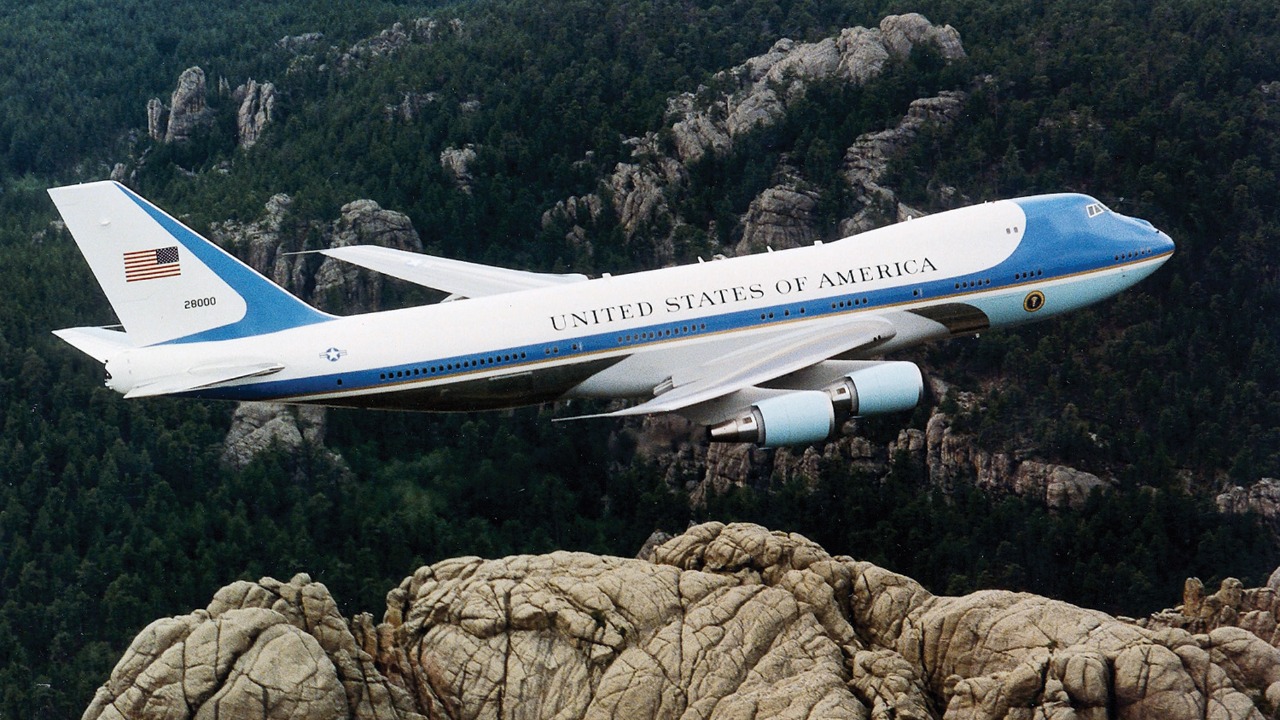
With the new Air Force One delayed, the Air Force is moving to shore up the broader presidential fleet so that the White House is not left relying on aging aircraft alone. One major step is the decision to buy two 747‑8 aircraft from Lufthansa for Presidential Fleet Support, a move that gives the service additional widebody capacity while the VC‑25B program catches up. The Air Force has said that delivery of the first Lufthansa aircraft is expected “early next year,” with the second to arrive later, and has framed the purchase as a way to support the presidential airlift mission and related requirements without waiting for the bespoke VC‑25Bs to be ready.
Financially, the Air Force Confirms a $400 M acquisition of these Lufthansa Boeing 747‑8s, describing it as a $400 Million investment in Presidential Fleet Support that can help bridge the gap created by the VC‑25B delays. The move comes after the Air Force announced the long‑delayed delivery of the first of two new Boeing 747‑8 aircraft, and officials have emphasized that the Lufthansa jets will complement, not replace, the dedicated Air Force One aircraft. Reporting on the Air Force buying two Lufthansa 747s for the delayed Air Force One program underscores that the first Lufthansa aircraft is expected relatively soon, giving planners more flexibility as they manage maintenance, training and contingency planning for the presidential travel schedule.
Trump’s interim ideas and the Qatari 747 debate
The prolonged delay has not only driven procurement decisions, it has also fueled political and operational debate about interim solutions, including some unconventional proposals. Trump, who as Donald Trump has been directly engaged with the Air Force One program since taking office, defended the idea of using a Qatari 747 as an interim solution, citing delays in Boeing’s delivery of the aircraft currently being retrofitted for presidential use. In that scenario, a foreign‑origin 747 would be modified and used temporarily as Air Force One, with appropriate escorts and security measures, until the VC‑25Bs were ready to assume the mission.
Plans to modify a Qatari 747 into Air Force One have been described as being drawn up by the Air Force, with reporting noting that work on the VC‑25Bs has been repeatedly delayed and that this has been a key contributing factor in the emergence of the Qatari 747 concept. The idea highlights how far the conversation has moved from the original plan of a straightforward transition from the current VC‑25A fleet to the new VC‑25B aircraft. While the Qatari 747 option remains controversial, it illustrates the pressure created when a high‑profile program like Air Force One slips by years, forcing policymakers to weigh the optics and risks of stopgap aircraft against the realities of the existing fleet’s age and the demands of presidential travel.
Symbolism, security and what another delay means for Boeing
Air Force One is more than a transport asset, it is a rolling symbol of American power and continuity, and that symbolism magnifies the impact of each new delay. The delivery of a new Boeing jet to be used by the US president, famously known as Air Force One, has been delayed once again until 2028, after earlier expectations that the aircraft could be ready by the end of 2024. Analysts who track the program note that the tentative design of the next Air Force One, depicted in artist renderings, has been stable for some time, but the gap between design and operational reality has widened as the schedule has slipped. For the White House and the Air Force, that means more years of relying on the current VC‑25A jets, which require increasing maintenance and upgrades to keep pace with modern security and communications threats.
For Boeing, the latest delay is another data point in a pattern of high‑visibility government programs that have struggled with timing and execution. The Air Force has been planning for the VC‑25B since 2009, and in 2015 it selected the 748‑8i as the basis for the new presidential aircraft, yet a decade later the first VC‑25B is still several years from entering service. Industry observers note that the Air Force and Boeing and the Air Force have had to repeatedly reset expectations, with updated projections that the new Air Force One delivery shifts to 2028 and that the first VC‑25B Air Force One jet is now slated for mid‑2028. Those facts, combined with the need to buy additional 747s from Lufthansa and to consider options like a Qatari 747, underscore how a single delayed program can ripple across budgets, fleets and political debates, even when the aircraft in question will ultimately number only two.

Leave a Reply