A 1968 Shelby GT350 does not try to hide what it is. It looks, sounds, and behaves like a machine that expects the driver to work for every mile, and that effort is exactly what modern performance cars tend to filter away. Compared with the isolation and electronics of current models, this classic Shelby feels raw, mechanical, and unapologetically physical.
That difference is not nostalgia. It is baked into the way the car is built, from its V8 and manual controls to its unassisted feedback through the steering wheel, pedals, and chassis. The result is a driving experience that is slower on paper than the latest super coupes yet far more vivid in the driver’s hands.
The visual punch of a purpose-built muscle car
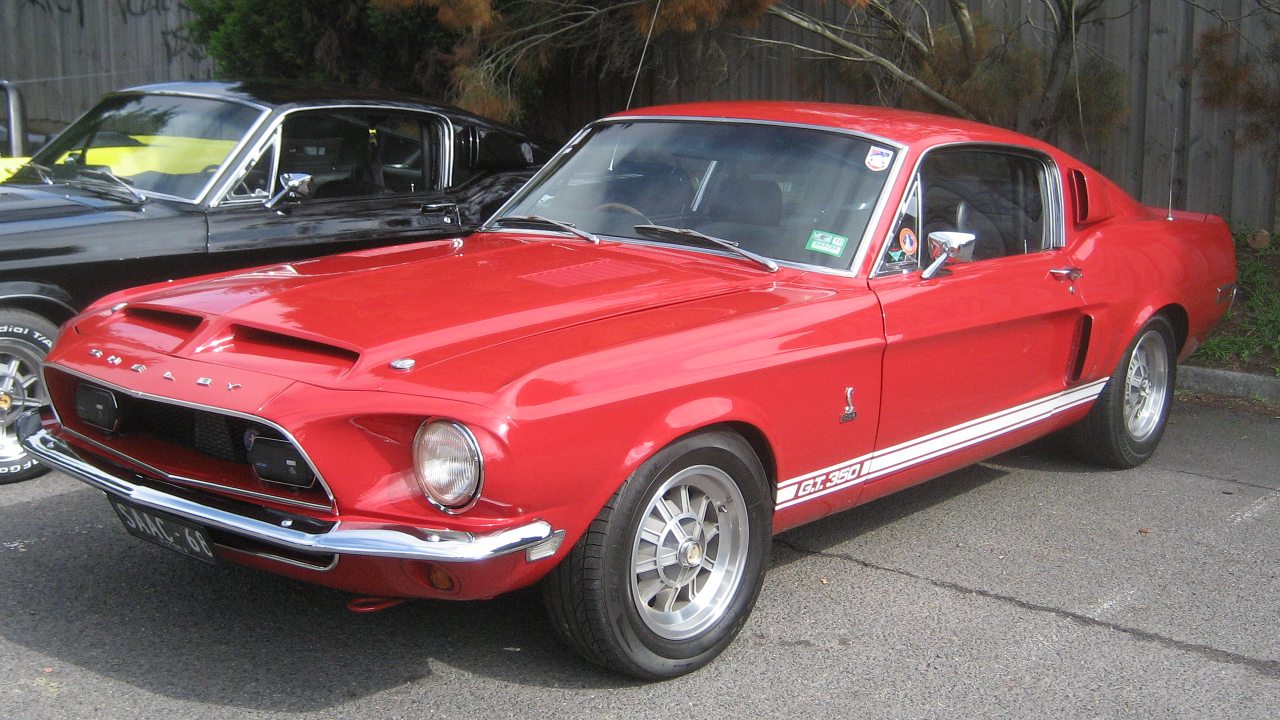
Before the key even turns, the 1968 Shelby GT350 sets expectations with its shape. Its long hood and short rear deck sit over a low, wide stance, and the bodywork carries the kind of crisp creases that modern wind tunnels often smooth away. Owners describe sleek lines and as imposing even when the car is parked, a presence that hints at speed, pure automotive engineering, and unique history.
The Shelby treatment amplifies the basic Mustang shape with scoops, stripes, and functional openings that speak to airflow and cooling rather than decoration. Where many modern cars rely on complex LED signatures and oversized grilles to stand out, the GT350 uses proportion and restraint. The visual message is simple: this is a car built around a front-mounted V8 and rear-wheel drive, and everything else exists to support that layout.
That honesty of design matters because it frames the driving experience. A driver steps into a cabin that feels narrow by current standards, with thin pillars and a low cowl that put the road directly in view. There is no giant screen or layered ambient lighting to distract from the simple gauges and switchgear. The car looks like a tool, and on the move it behaves like one.
Mechanical heart: the 289 V8 and analog controls
At the center of the 1968 Shelby Mustang GT350 is the 289 V8, a small-block engine that defines the car’s character as much as its styling. Enthusiasts describing the model emphasize that the Conclusion that the with tuned suspension and distinctive features is not an exaggeration. The engine is the centerpiece, both in performance and personality.
Unlike modern turbocharged units that deliver torque from low revs with minimal drama, the 289 V8 builds power with a rising, mechanical urgency. Throttle response is shaped by carburetion rather than software, so small pedal movements translate directly into changes in sound and acceleration. The driver hears valvetrain clatter, induction roar, and exhaust pulses without the heavy insulation that now separates engines from occupants.
Every control in the GT350 follows that analog philosophy. The clutch engages with a firm, defined bite. The shifter moves through a visible gate, with each gear change requiring a deliberate motion of the wrist and arm. Steering is weighty and slower than current electric systems, but it communicates surface changes and front tire load in a way that many modern drivers never experience. The brakes demand planning and pressure rather than a light touch on a boosted pedal.
None of this makes the car easier to drive. It makes the driver more involved. The GT350 rewards smooth coordination of hands and feet, and it punishes sloppy inputs with shudder, noise, or understeer. That feedback loop is what gives the car its mechanical feel. The machine does not adapt to the driver. The driver adapts to the machine.
Noise, vibration, and the appeal of imperfection
Modern performance cars work hard to keep drivers comfortable. Active engine mounts, adaptive exhaust valves, and thick sound deadening all aim to reduce vibration and harshness. The 1968 Shelby GT350 does the opposite. It transmits the engine’s rhythm into the steering wheel and seat, and it lets the exhaust dominate the cabin at highway speeds.
This soundtrack is part of the appeal. Owners of classic American muscle often talk about the way a V8 idle feels like a heartbeat, and the Shelby version amplifies that sensation with freer-flowing exhaust and more aggressive tuning. The sound is not just loud. It is textured, with distinct layers of induction, mechanical whir, and tailpipe thunder that change with throttle position and gear.
Vibration and noise that would count as defects in a new luxury coupe are, in this context, information. A slight tremor at idle signals cam profile and compression. A rising hum through the floor under load tells the driver how hard the drivetrain is working. These imperfections build a sense of connection that digital sound generators and synthetic engine notes struggle to replicate.
Old-school effort versus modern convenience
To understand how mechanical the GT350 feels, it helps to look at what modern buyers expect even from classic-inspired models. A contemporary 68 M style build marketed as a cruiser might be advertised with a checklist of comfort features. One example is a Mustang Convertible Coming that highlights Power Steering, Power Brakes, and A/C, priced at $39, 99 according to the promotional reel.
Those features transform the driving workload. Power Steering reduces the physical effort required at low speeds and filters out kickback from the front wheels. Power Brakes shorten stopping distances with less pedal force and a more progressive response. Air conditioning makes summer drives comfortable instead of punishing. For many owners, especially those who want to cruise rather than carve back roads, these upgrades are sensible and welcome.
The 1968 Shelby GT350 sits closer to the opposite end of that spectrum. Even when equipped with some assistance, it was engineered as a performance machine first and a comfort device second. Steering effort is higher, pedal weights are heavier, and the cabin is hotter and noisier than most modern drivers expect. The lack of electronic driver aids means every correction, from catching a slide to managing wheelspin, comes from the driver’s hands and feet rather than traction control or stability programs.
That contrast explains why the Shelby feels more mechanical than nearly anything new. Modern cars, including retro-styled models, often prioritize ease of use and broad appeal. The GT350 prioritizes engagement, even if that makes it tiring in traffic or on long highway slogs. The car demands attention, and in return it offers a sense of mastery that touchscreens and drive modes rarely provide.
Comparing generations: from classic Shelby to modern GT350
The Shelby badge did not stop with the sixties. A modern Ford Mustang Shelby GT350 reinterprets the formula with contemporary engineering, and drivers who have sampled it describe a manual feel that stands out even in the current market. One enthusiast who drove a 2018 model wrote that the manual feel in by anything else driven, with only a Porsche Boxs coming close, and that the sound is intoxicating.
That praise highlights how rare truly engaging manual transmissions have become. The modern Ford Mustang Shelby GT350 uses a high-revving V8, precise shifter, and performance-tuned chassis to create an experience that enthusiasts rank alongside dedicated sports cars. Yet for all its engagement, it still benefits from decades of refinement. The cabin is quieter, the structure is stiffer, and the safety systems are far more advanced than anything available in 1968.
The older Shelby feels cruder next to that car, but also more transparent. There are fewer layers between the driver and the mechanical components. The steering column is simpler, the suspension bushings are softer, and the tires are narrower and less grippy. The car moves around more, leans more, and communicates its limits earlier. Where the modern GT350 flatters the driver with grip and stability, the classic one keeps the driver honest by making overdriving obvious and sometimes uncomfortable.
Visual documentation of both generations often circulates through enthusiast communities. Galleries such as Discovered Ford Mustang albums show how owners present their cars, from detailed engine bay shots to track-day photos. These images reinforce the continuity of the Shelby identity, even as the hardware has evolved from carbureted small-blocks to high-tech flat-plane crank V8s.
Community, rules, and the culture around mechanical cars
The way fans talk about the 1968 Shelby GT350 also shapes its mechanical mystique. Online groups dedicated to the model or to classic American muscle often describe the car in almost mythic terms, focusing on its raw power, unique history, and the way it blends speed with analog feel. Phrases like quintessential American muscle and performance icon appear frequently in discussions of the Shelby Mustang, reflecting how deeply the car is woven into enthusiast culture.
At the same time, the platforms that host these conversations operate under structured policies. Communities that share stories about driving a Ford Mustang Shelby or debate the merits of different generations must follow guidelines such as a user agreement, privacy rules, and content standards. Documents like a Discovered Ford Mustang user agreement, a separate privacy policy, and a content policy define what can be posted and how user data is handled, while support articles such as those at Discovered Ford Mustang explain how moderation tools work.
These frameworks matter because they shape which stories about the GT350 reach a wide audience. Accounts of long road trips, restoration challenges, and first drives in a freshly rebuilt 289 V8 all exist within ecosystems that balance free expression with safety and legal requirements. The car’s reputation as a mechanical, demanding machine is built not just in garages and on back roads, but also in the digital spaces where owners compare notes and newcomers learn what to expect.
Why a 1968 Shelby GT350 still feels unmatched
When enthusiasts say a 1968 Shelby GT350 feels more mechanical than anything new, they are responding to a combination of design, engineering, and context. The car’s appearance signals purpose without relying on digital theatrics. Its 289 V8 and analog controls demand physical effort and coordination. Noise and vibration that modern engineers would tune out instead become part of the feedback loop that connects driver and machine.
Modern performance cars, including the latest Ford Mustang Shelby GT350, deliver extraordinary speed, grip, and refinement. They also protect occupants with advanced safety systems and surround them with technology. For many drivers, that balance of performance and comfort is ideal. Yet for those who crave a direct, sometimes challenging relationship with a car, the 1968 Shelby sits in a different category.
It is not faster, safer, or more efficient than current models. It is more involving. Every start-up, every shift, every corner requires attention and intention. The car does not attempt to predict the driver’s next move or correct small mistakes. It simply responds, sometimes brutally, to the inputs it receives.
More from Fast Lane Only