Upgrading your vehicle’s braking system doesn’t have to break the bank. With the right affordable brake upgrades, you can significantly enhance your car’s stopping power for better safety and performance. Cost-effective solutions provide maximum stopping efficiency without a hefty price tag.
Understanding Brake Components

Brake Pads and Rotors
Brake pads and rotors are the primary components that determine your vehicle’s stopping power. The materials used in these parts can greatly impact performance. For instance, ceramic brake pads offer quieter operation and reduced brake dust compared to semi-metallic ones, but they may not be as effective under high-stress conditions. It’s crucial to recognize the signs that indicate it’s time to upgrade, such as squealing noises, increased stopping distances, or visible wear on the pads or rotors.
Consider a 2018 Honda Civic, where upgrading to high-performance rotors and pads can make a noticeable difference. The stock setup might suffice for daily commuting, but if you frequently drive in mountainous areas, investing in better components can enhance safety and vehicle control.
Calipers and Brake Lines
Calipers are responsible for applying pressure to the brake pads, and their condition directly influences stopping power. Upgrading to multi-piston calipers can provide more even pressure distribution, improving overall braking efficiency. Meanwhile, brake lines play a crucial role in maintaining pressure and response within the braking system. Rubber lines can expand under pressure, leading to a spongy pedal feel, whereas braided steel lines provide a firmer, more responsive pedal.
For a 2020 Ford Mustang, replacing the factory calipers with high-performance aftermarket options and upgrading to braided steel brake lines can significantly enhance braking performance. This setup is particularly beneficial for track enthusiasts looking to optimize their vehicle’s capabilities.
Budget-Friendly Brake Pad Options
Ceramic vs. Semi-Metallic Pads
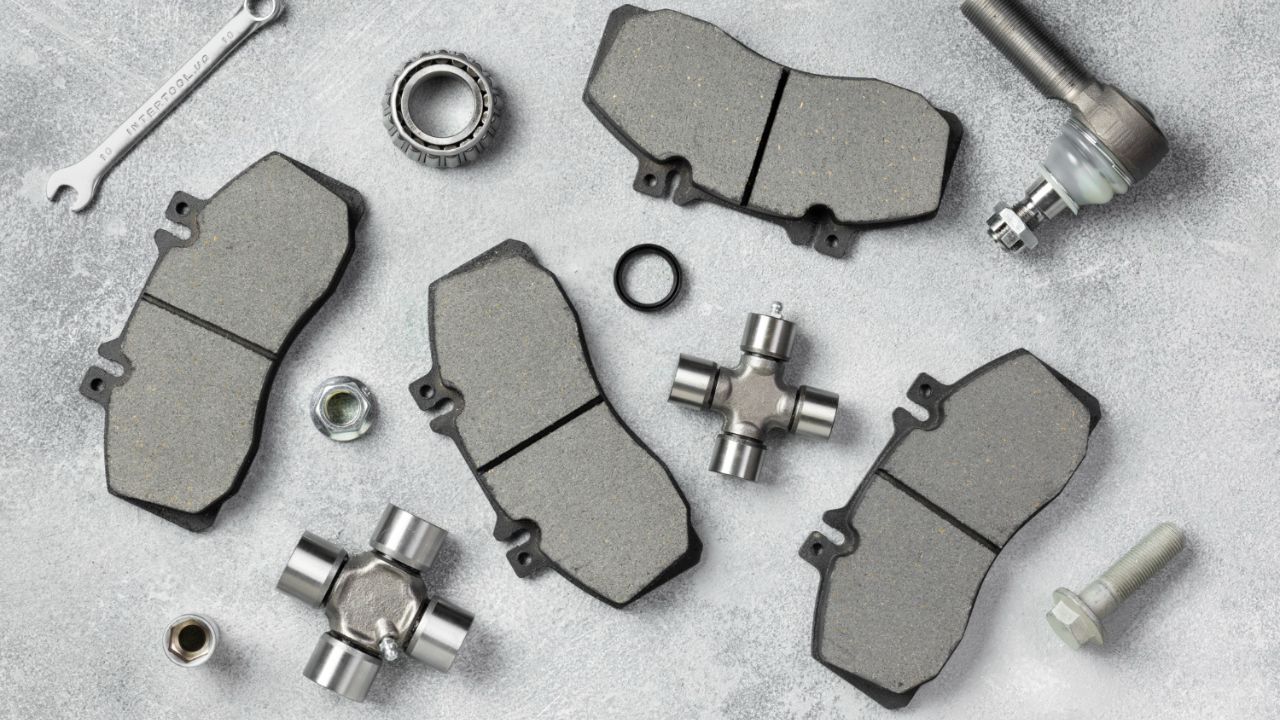
Ceramic and semi-metallic brake pads each have their pros and cons in terms of cost, wear, and performance. Ceramic pads are generally more expensive but offer reduced noise and longer lifespan, making them an excellent choice for daily drivers who prioritize comfort. On the other hand, semi-metallic pads provide superior heat dissipation and stopping power, ideal for performance-oriented vehicles.
A 2015 Toyota Camry owner might opt for ceramic pads for their daily commute, enjoying the quieter operation and reduced wear on the rotors. Conversely, a 2023 Subaru WRX driver might choose semi-metallic pads to better handle aggressive driving conditions.
Aftermarket Brands to Consider
Several reputable brands offer affordable brake pad options without compromising quality. Brands like EBC Brakes, PowerStop, and Hawk Performance provide a range of products to suit different needs and budgets. When selecting the best pad for your vehicle, consider factors such as driving style, vehicle weight, and typical road conditions.
For instance, EBC’s Greenstuff pads are a popular choice for a 2019 Jeep Wrangler, offering a balance of performance and affordability for off-road adventures. PowerStop’s Z23 Evolution Sport pads are another excellent option for those seeking improved performance on a 2017 Chevrolet Malibu.
Rotor Upgrades that Make a Difference

Slotted and Drilled Rotors
Slotted and drilled rotors each offer unique benefits for heat dissipation and performance. Slotted rotors help to remove gas and debris, maintaining consistent contact between the pad and rotor. Drilled rotors, on the other hand, provide superior cooling by allowing hot gases to escape. However, they may be prone to cracking under extreme conditions.
For a 2021 BMW 3 Series, upgrading to slotted rotors can improve braking performance during spirited driving. Drilled rotors might be more suitable for a 2016 Audi A4, where aesthetics and occasional track use are priorities.
Choosing the Right Size and Material
Rotor size significantly affects braking power; larger rotors provide more surface area for the brake pads to grip, enhancing stopping performance. It’s essential to ensure compatibility with your vehicle’s calipers and wheels. Material choices also play a role in rotor performance and cost. Cast iron rotors are affordable and durable, while carbon composites offer superior performance at a higher price point.
A 2018 Dodge Charger owner might choose larger cast iron rotors for a cost-effective performance boost. Meanwhile, a 2025 Tesla Model S driver could consider carbon composite rotors for cutting-edge performance and weight reduction.
Enhancing Performance with Brake Fluid and Lines

High-Performance Brake Fluids
The importance of brake fluid in maintaining system integrity cannot be overstated. High-performance brake fluids can withstand higher temperatures, reducing the risk of brake fade during prolonged or intense braking. Affordable high-temperature options, such as DOT 4 or DOT 5.1, are available for those seeking improved performance without breaking the bank.
A 2022 Ford F-150, often used for towing, can benefit from a high-performance brake fluid to ensure consistent braking under heavy loads. Similarly, a 2019 Mazda MX-5 Miata can use upgraded fluid to maintain performance during track days.
Braided Steel Brake Lines
Braided steel brake lines offer significant advantages over traditional rubber lines, including improved durability and a firmer brake pedal feel. These lines resist expansion under pressure, providing a more immediate response. Cost-effective kits are available for various vehicle models, making this an accessible upgrade for many drivers.
For a 2020 Toyota 4Runner, switching to braided steel lines can enhance braking response during off-road excursions. Similarly, a 2017 Honda Accord can benefit from this upgrade, offering improved pedal feel and confidence during daily driving.
DIY vs. Professional Installation

Pros and Cons of DIY Upgrades
Undertaking a DIY brake upgrade can be a rewarding experience, allowing for a deeper understanding of your vehicle’s mechanics. However, it’s crucial to have the necessary skills and tools to ensure a successful installation. Common pitfalls include improper torque settings and air in the brake lines, which can compromise braking performance.
A 2016 Volkswagen Golf owner with mechanical experience might tackle a brake pad and rotor upgrade at home, saving on labor costs. Yet, those without the necessary skills should consider the potential risks and challenges before proceeding.
When to Seek Professional Help
Hiring a professional for brake upgrades can offer peace of mind, ensuring that the job is done correctly and safely. While professional installation may incur additional costs, it can be a worthwhile investment in terms of time saved and assurance of quality work.
For a 2024 Nissan Altima, enlisting a professional to handle a comprehensive brake system upgrade can ensure optimal performance and safety. This approach is particularly advisable for those installing more complex components, such as calipers or brake lines.