
Western Australia has turned to artificial intelligence to police its roads, and the results are already hitting drivers hard. In just one month, new AI-enabled cameras have identified tens of thousands of alleged offences and triggered about $13 million in fines, a scale that is reshaping the debate over how far automated enforcement should go. The rollout is being sold as a road safety breakthrough, but the sheer volume of penalties is forcing a reckoning over driver behaviour, privacy and the line between deterrence and revenue raising.
The cameras are designed to catch what human eyes often miss, from drivers scrolling on smartphones to motorists failing to buckle up. By combining high-resolution imaging with AI analysis, the system is surfacing a confronting picture of how people actually behave behind the wheel, and it is doing so at a speed and consistency that traditional policing has never matched.
How six AI trailers generated $13 million in a month
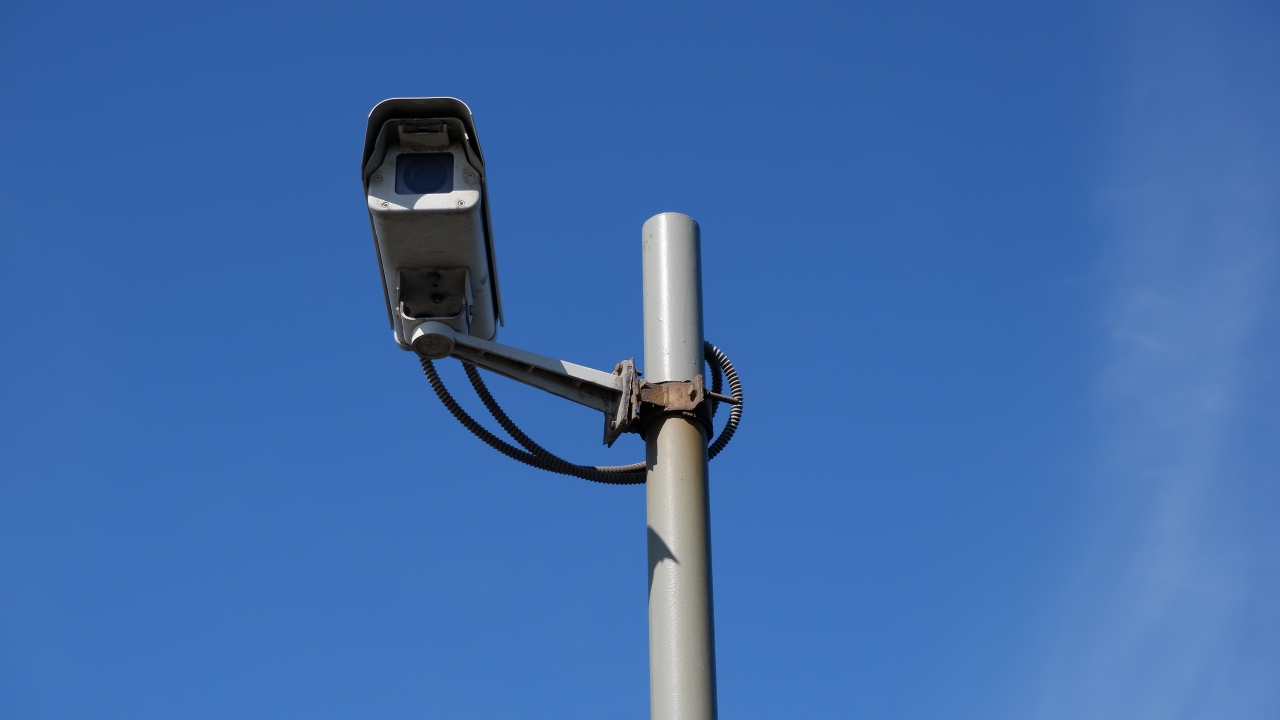
The backbone of Western Australia’s new regime is a small fleet of mobile units, with Six safety camera trailers introduced across the state earlier this year. Each trailer uses AI to scan passing vehicles for multiple offences at once, including mobile phone use, seatbelt breaches and speeding. Instead of relying on sporadic police patrols, the system runs continuously wherever the trailers are deployed, which helps explain how it has been able to rack up about $13 million in fines in its first full month of operation.
Reporting on the program notes that the AI-assisted road-safety cameras have already detected tens of thousands of offences, a scale that would be difficult to match with manual enforcement alone. The technology is not just flagging one type of behaviour, it is simultaneously checking whether a driver is touching a device, whether every occupant is properly restrained and whether the vehicle is travelling above the limit. That multi-layered scrutiny has turned each trailer into a kind of rolling enforcement hub, with the Western Australia Government positioning the rollout as a response to the state’s high road fatality rate and a way to tackle distracted driving and other risky habits at once.
What the cameras are actually catching on WA roads
The raw numbers are striking, but the footage behind them is even more confronting. In their first month, the AI-enabled roadside cameras in Western Australia nabbed about 31,000 reckless drivers, capturing a catalogue of what authorities describe as Shocking road safety breaches. Vision compiled from the cameras shows motorists using iPads, texting on their phones and interacting with devices in ways that suggest their attention is far from the road. In one case, a front passenger was filmed holding a baby, while in another, a driver appeared to have no hands on the wheel at all.
The same cameras are also picking up drivers who are not wearing seatbelts properly, or at all, alongside vehicles speeding through monitored zones. Officials have highlighted examples such as a car travelling 20 km/h over the limit in a school zone to underline the risk that this behaviour poses to pedestrians and children. The technology’s ability to capture clear images from multiple angles means it can distinguish between a driver legitimately using a dashboard mount and one who is actively handling a phone, and it can see whether a belt is correctly fastened rather than simply looped across a body. That level of detail is central to the system’s promise, but it also raises the stakes for every lapse, because what might once have gone unnoticed is now recorded and processed automatically.
The price of distraction: penalties that add up fast
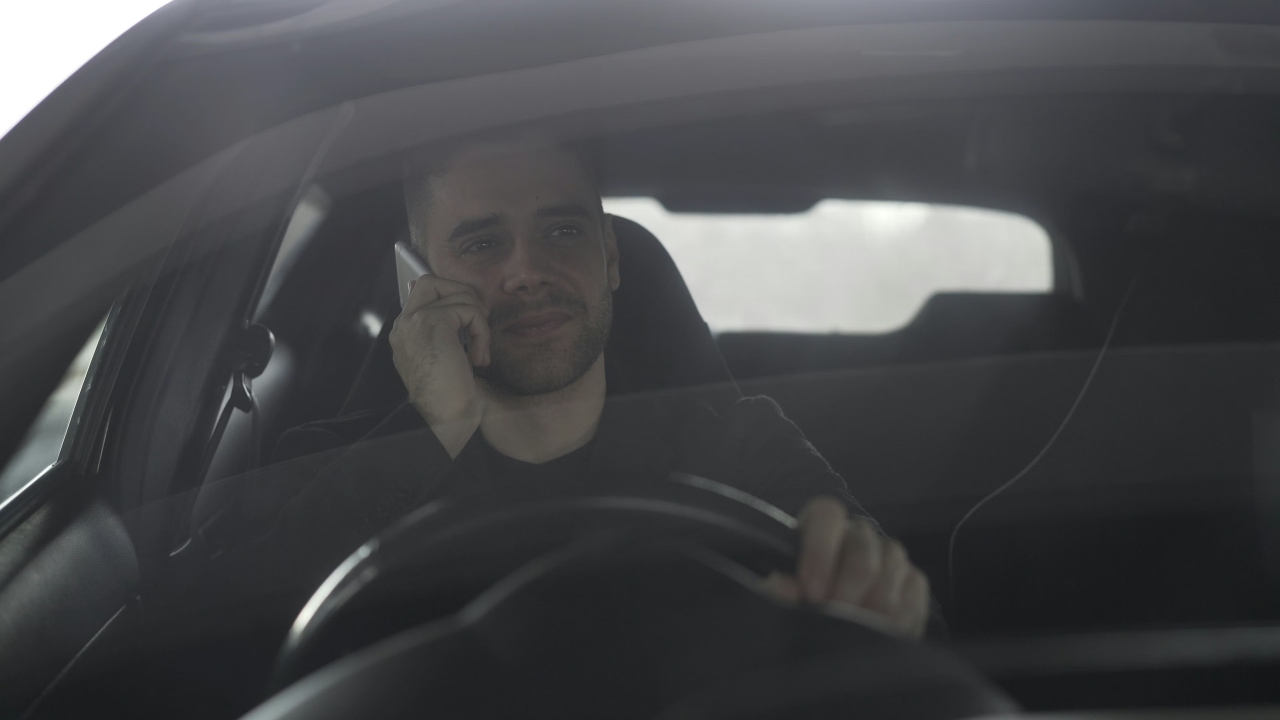
If the cameras are unforgiving, so are the penalties that follow. In Western Australia, Touching or holding a mobile phone while driving carries a minimum $500 fine and three demerit points, a figure that reflects how seriously authorities view distraction behind the wheel. For more serious or repeated offences, penalties can climb higher, with some reports noting fines of $550 and four demerit points in specific circumstances. When tens of thousands of alleged breaches are detected in a single month, those individual amounts quickly compound into the roughly $13 million now facing drivers.
The financial hit is only part of the story. Demerit points accumulate on licences, and for some motorists, a single month of AI enforcement could be enough to push them toward suspension. For professional drivers, such as truck operators and rideshare contractors, that risk is existential, since losing a licence can mean losing a livelihood. The AI Cameras Issue $13M in Fines for Distracted Driving reports frame the new system as a direct response to the toll of crashes linked to phones and inattention, but the scale of the penalties is also prompting questions about whether the balance between deterrence and punishment is being struck in the right place.
Safety gains versus privacy and fairness concerns
Supporters of the program argue that the early results prove why AI enforcement is needed. Western Australias new AI safety cameras are being rolled out in a state that has struggled with a stubbornly high road toll, and officials say the combination of high-resolution imaging and automated analysis is finally giving them a way to tackle Fines for Distracted Driving at scale. By catching thousands of drivers who might otherwise have slipped through the cracks, the system is intended to change behaviour through the certainty of detection rather than the occasional presence of a patrol car.
Yet the same features that make the cameras effective also fuel unease. The technology relies on capturing detailed images of every vehicle that passes, including drivers and passengers who are doing nothing wrong. Even if most of that data is discarded, the idea of constant roadside surveillance sits uneasily with some civil liberties advocates. There are also questions about fairness, particularly for lower income drivers who may struggle to absorb a $500 penalty without serious financial strain. When AI Cameras Issue $13M in Fines for Distracted Driving in a single month, it is inevitable that some people will see the system as a revenue machine rather than a safety tool, especially if they feel they have little ability to contest what the algorithm has flagged.
What this AI experiment means for drivers and the future of enforcement
Western Australia’s experience is likely to be watched closely by other jurisdictions that are weighing similar technology. The early figures show that when AI is paired with mobile camera trailers, it can uncover a vast amount of risky behaviour that traditional policing has not been able to deter. For policymakers, the question is whether the long term impact will be a sustained drop in offences and crashes, or whether drivers will simply adapt their habits around known camera locations while continuing to take risks elsewhere. The fact that Six trailers have generated such a large volume of fines suggests that even a relatively small deployment can have a big footprint.
For drivers, the message is blunt. Behaviours that might once have felt low risk, like glancing at a messaging app at a red light or letting a seatbelt sit loosely across the body, are now being scrutinised by systems that do not get tired, distracted or look the other way. The combination of high penalties, such as the $500 minimum for phone use, and the relentless gaze of AI cameras is reshaping the practical meaning of road rules in Western Australia. Whether that shift is ultimately remembered as a turning point in road safety or as the moment automated enforcement went too far will depend on what happens next: if crash numbers fall and public trust holds, other regions may follow. If not, the $13 million first month could become a cautionary tale about the limits of policing by algorithm.





Leave a Reply