American Motors Corporation did not simply trim the AMC Javelin and call it a day. By shortening the wheelbase, deleting the rear seat, and rethinking the proportions, the company turned the AMC AMX into a very different kind of American muscle machine. The result was a two-seat GT that stood apart from the pony car crowd and today looks more like a bold experiment than a derivative spin-off.
The Javelin roots and a radical cut-down
The story starts with the AMC Javelin, the four-seat pony car that carried American Motors Corporation into the muscle era. Rather than designing a clean-sheet sports car, American Motors Corporation took that existing platform and reengineered it into something far more focused. According to period descriptions, the AMX rides on a wheelbase that is 12 inches shorter than the Javelin, with American Motors literally chopping a foot of structure out of the middle of its larger sibling and removing the back seat in the process. That drastic surgery turned the AMX into a true two-seater and gave it a very different stance from the Javelin or similar pony cars sold in the United States.
On paper, the AMX still shared family DNA with the Javelin, but visually, the shortened body and fast roofline made it look more like a compact GT than a cut-down coupe. Contemporary observers described it as a cut-down pony car, yet the missing rear doors, tight cabin, and abbreviated rear deck signaled a mission closer to a sports car than a family-friendly fastback.
From Project IV to production AMX
The idea of a compact, aggressive two-seater had been circulating inside AMC for several years. The company had explored advanced designs under internal efforts such as Project IV, which included concepts that previewed the eventual AMX. Out of that experimentation came a conviction that AMC could build a serious performance car without relying on excessive chrome or exaggerated design cues. The production AMX was the clearest expression of that philosophy, with clean lines and muscular proportions instead of flamboyant ornamentation.
By the time the AMX reached showrooms, AMC had already used the Javelin to enter the muscle car conversation. The Javelin gave the company a credible entry in the same orbit as the Camaro and Mustang. The AMX took that starting point and pushed it further, trading practicality for drama. Shortening the wheelbase, tightening the body, and eliminating the rear seat were not minor tweaks. They turned the car into something that felt more specialized and more willing to challenge established sports cars.
A two-seat GT-style muscle car
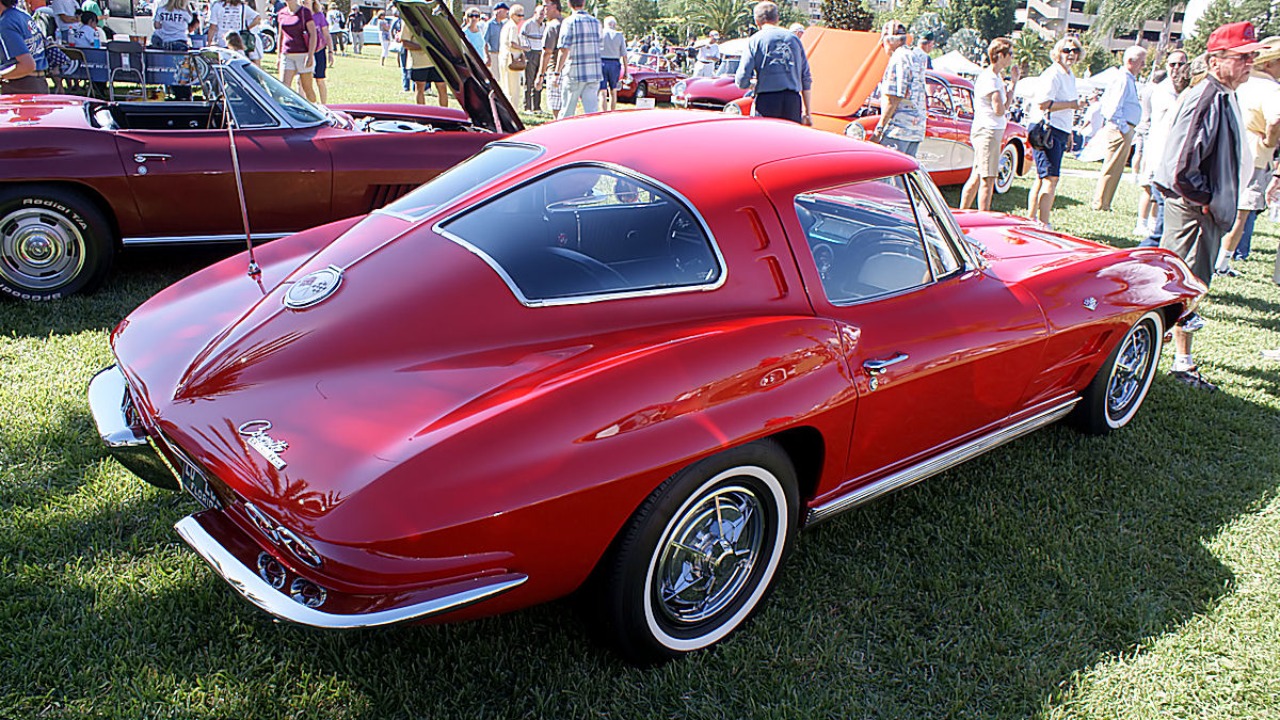
The AMC AMX is described in factory and enthusiast material as a two-seat GT-style muscle car produced by American Motors Corporation from 1968 through 1970. Unlike most American performance cars of the period, it did not pretend to carry a family in the back. It was one of just two American-built two-seaters of its era, the other being the Chevrolet Corvette, and that alone set it apart.
Structurally, the AMX was a true two-door hardtop with a short roof and a tight greenhouse. The shortened wheelbase and compact cabin gave it a planted look that contrasted with the longer, more flowing pony cars that shared the road. Its body shell design emphasized a low hood, a crisp beltline, and a truncated rear section that made the car appear almost mid-engined from some angles. Enthusiasts point out that the 1969 AMC AMX was a two-seat GT-style sports car during the muscle car heyday, with performance and presence that could stand beside much more expensive rivals.
Performance, price, and the Corvette comparison
American Motors Corporation was not shy about the company the AMX was meant to keep. The car was positioned as a bold 2-seater muscle GT built to rival the Corvette, and its specifications backed up that ambition. The AMC AMX offered V8 power, rear-wheel drive, and serious straight-line performance in a package that was significantly shorter than the typical pony car.
Crucially, the AMX undercut its most obvious two-seat rival on price. Period figures show that the AMX carried a sticker that was roughly 1,000 dollars less than the Corvette’s price tag. That gap mattered for younger buyers who wanted performance and exclusivity without paying full Corvette money. By combining a 97-inch wheelbase that sat 12 inches shorter than its sibling with a lower price, the AMX carved out a niche that no other domestic manufacturer attempted at the time.
Design character: subtle aggression instead of flash
What made the AMX different from many muscle contemporaries was its restraint. Enthusiast analysis highlights that the car avoided excessive chrome or exaggerated design flourishes. Instead, it relied on proportion, stance, and a few sharp character lines to convey speed. The chopped midsection and short overhangs gave it a purposeful, almost European GT flavor, even as the big American V8 under the hood kept it firmly in the muscle category.
The AMX cabin reflected this same balance. With only two seats, the interior felt focused rather than cramped. The lack of a rear bench allowed designers to push the seats further back and lower in the chassis, which improved driving position and weight distribution. By rejecting the standard 2+2 layout of the pony car class, AMC signaled that the AMX was aimed at drivers who cared more about feel than family duty.
How shortening the wheelbase changed the drive
Shortening a wheelbase by a full foot is not just a styling trick. It transforms how a car behaves on the road. The AMX, with its 97-inch wheelbase, felt more agile and more willing to rotate than its longer siblings. The reduced span between the axles helped it turn in quickly, which suited both spirited street driving and track use. At the same time, the compact footprint made the car easier to place in traffic and in tight corners.
There were trade-offs. A shorter wheelbase can make a car feel busier over rough pavement, and the AMX was no exception. Yet for buyers who wanted a car that felt alive at the wheel, the combination of a shortened chassis, two-seat layout, and strong V8 power created an experience that was closer to a European sports coupe than to a typical Detroit muscle car. American Motors had effectively taken the Javelin platform and distilled it into a more concentrated performance tool.
The AMX name and its later echoes
The AMX badge did not disappear when the original two-seater left production. The name AMX was used on AMC’s sports and grand tourer models that followed, including versions based on the Concord and the Spirit. Later Spirit AMX models carried the performance label into the late 1970s and early 1980s, although they no longer shared the radical two-seat configuration of the original car.
Those later uses of the AMX name underline how strongly the original had defined AMC’s performance identity. Even when the company shifted to more practical platforms and hatchback bodies, it kept reaching back to the AMX heritage to signal sportiness. The first AMX remained the purest interpretation, a short-wheelbase two-seater that owed its existence to the Javelin but refused to behave like a mere trim level.
Concept cars, Gremlin links, and the truncated rear idea
The AMX story also connects to some of AMC’s most interesting concept work. The design of the Gremlin was inspired by the AMC AMX-GT concept car, a rear-wheel drive pillarless coupe of monocoque construction with two doors and a truncated rear end treatment. That concept explored how a shortened body and abrupt tail could create a distinctive profile and laid the groundwork for the production of the Gremlin.
Later commentary on the Gremlin notes that the 1970 Gremlin from American Motors would forever be known as the car that was designed on the back of an airline sickness bag, yet its basic idea of a truncated rear had clear roots in earlier AMX thinking. The name AMX was used on AMC’s sports and grand tourer models, based on the Javelin, while the truncated rear end theme waited for the Gremlin to bring it to market in a subcompact form. In that sense, the AMX and its concept relatives helped set the stage for American Motors’ move into smaller, more efficient cars.
Collector perception and the “forgotten” muscle car
For years, the AMX sat in the shadow of better-known performance cars. Yet enthusiasts who look closely see a car that outshines many of its pony car competitors. The combination of aggressive posture, two-seat exclusivity, and strong performance gives the AMX a presence that rivals those of larger manufacturers, but sometimes lacks. It is often described as a nearly forgotten AMC AMX that still turns heads when it appears at shows or auctions.
Part of that under-the-radar status stems from production numbers and brand recognition. American Motors Corporation never had the marketing reach of its Detroit rivals, and the AMX’s short run from 1968 through 1970 limited its visibility. Those same factors now add to its appeal. Collectors who want something different from the usual Camaro, Mustang, or Corvette increasingly see the AMX as a way to stand out without sacrificing performance credibility.
Why the AMX still matters
The AMC AMX matters today because it shows what a relatively small American manufacturer could achieve with smart engineering and a willingness to take risks. By starting with the Javelin and then shortening the wheelbase, cutting 12 inches from the midsection, and deleting the back seat, American Motors created a car that did not fit neatly into existing categories. It was a two-seat GT-style muscle car, a cut-down pony car, and a Corvette rival, all at once.
That blend of identities helps explain why the AMX feels so contemporary. Modern performance cars often chase the same balance of agility, compact dimensions, and usable power that the AMX offered decades ago. The car’s clean styling, absence of excessive chrome, and focus on proportion over decoration also align with current tastes. For enthusiasts and historians, the AMX stands as proof that American Motors Corporation could build a real muscle car that was both distinctive and well-engineered.
The legacy of a shortened wheelbase
Looking back, the decision to shorten the Javelin platform by a full foot was the turning point that made the AMX possible. Without that structural change, the car would likely have remained a conventional 2+2, another entry in a crowded pony car field. By committing to a 97-inch wheelbase and a strict two-seat layout, American Motors Corporation signaled a willingness to prioritize driving character over mass appeal.
That choice reverberated through the company’s later products, from the AMX-GT concept to the Gremlin and the Spirit AMX. It also left a lasting impression on enthusiasts who value cars that take a clear stand. The AMX may have started as a shortened Javelin, but the result was something completely different: a compact, focused, and surprisingly sophisticated American muscle GT that still feels like an outlier in the best possible way.
More from Fast Lane Only