
Hybrid vehicles have gained popularity as environmentally friendly alternatives to traditional gas-powered cars. However, there is an ongoing debate about whether hybrids are inherently slower than their gas counterparts. This article delves into the performance aspects of hybrid and gas cars to determine if there is truth to this perception.
Understanding Hybrid Technology
How Hybrids Work
Hybrids are equipped with both an internal combustion engine and an electric motor, allowing them to draw power from either source or both simultaneously. This dual power setup aims to maximize fuel efficiency and reduce emissions, particularly in stop-and-go traffic. The electric motor is primarily used at lower speeds, while the gas engine takes over or assists during high-speed driving.
Different manufacturers have developed various hybrid systems to optimize performance. For instance, Toyota’s Prius uses a full hybrid system, allowing the vehicle to run on electricity alone at low speeds. Plug-in hybrids, like the Chevrolet Volt, offer a larger battery capacity, enabling longer distances on electric power before switching to gasoline.
Types of Hybrid Systems
There are several types of hybrid systems, each impacting vehicle performance differently. Mild hybrids, such as the Honda Insight, use the electric motor mainly to support the gasoline engine, providing a slight boost in acceleration and efficiency. Full hybrids, like the Ford Escape Hybrid, can run entirely on electric power under certain conditions, offering more significant fuel savings.
Plug-in hybrids offer the best of both worlds, with models like the BMW 330e allowing for extended electric-only driving. These systems enhance performance by reducing reliance on gasoline, but their efficiency depends heavily on driving patterns and charging habits.
Performance Metrics: Speed and Acceleration

Acceleration Comparisons
When it comes to acceleration, hybrids have made significant strides. The 2025 Toyota RAV4 Hybrid, for example, accelerates from 0 to 60 mph in approximately 7.4 seconds, comparable to many gas-powered SUVs. However, traditional performance vehicles such as the gas-only Ford Mustang GT can achieve the same sprint in under 5 seconds, highlighting a gap in high-speed performance.
Despite this, some hybrid models focus on speed and agility. The Porsche Panamera 4 E-Hybrid combines a powerful V6 engine with an electric motor to deliver impressive acceleration, showcasing that hybrids can indeed compete with their gas counterparts.
Top Speed Limitations
One area where hybrids might face limitations is top speed. The presence of a dual power system can result in a heavier vehicle due to the additional battery weight. Although this weight can impact acceleration, manufacturers have been working on lightweight battery technologies to mitigate these effects.
For example, the 2025 Lexus LC 500h achieves a top speed of around 155 mph, comparable to many luxury gas models. This illustrates that while some hybrids may have been slower in the past, advancements are continually closing the performance gap.
Real-World Driving and Usage
Urban vs. Highway Performance
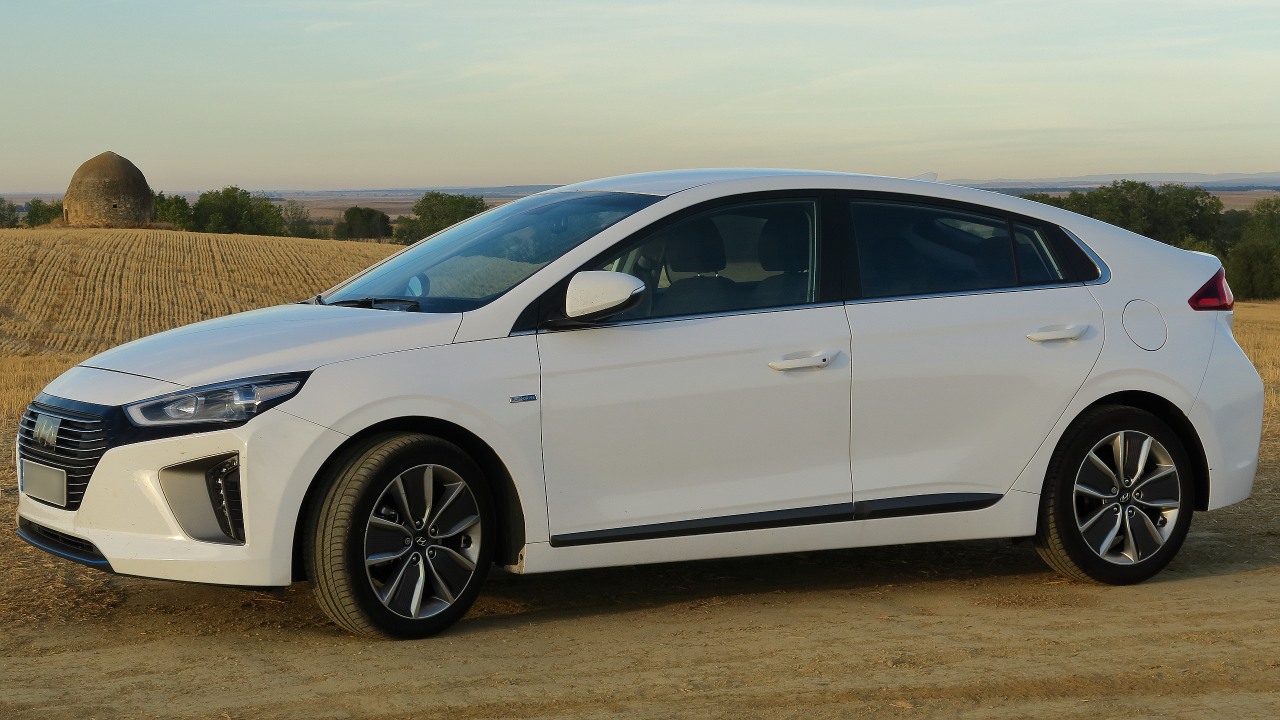
Hybrids are particularly well-suited for urban environments, where frequent stops and starts allow the electric motor to shine. In contrast, highway driving can reveal some limitations, as hybrids may rely more on their gasoline engines at higher speeds. Models like the Hyundai Ioniq Hybrid offer a balanced approach, providing efficiency in both city and highway settings.
Driver experience plays a crucial role in performance perception. Many drivers appreciate the quiet, smooth operation of hybrids in urban traffic, while others might miss the raw power of a traditional gas engine during highway cruises.
Impact on Long-Distance Travel
For long-distance travel, hybrids like the 2025 Honda Accord Hybrid offer a compelling mix of efficiency and comfort. While traditional gas cars might have a slight edge in terms of refueling convenience, hybrids provide the advantage of fewer emissions and potential fuel savings over extended trips.
Ultimately, the choice between hybrid and gas vehicles depends on individual driving habits and priorities. With technological advancements, the performance gap continues to narrow, promising a future where hybrids can meet or even exceed the capabilities of their gas counterparts.




Leave a Reply