

Europe’s flagship plan to end sales of new petrol and diesel cars by 2035 is being unpicked, and the result is a sharp split inside the auto industry. Instead of a clean break with combustion, Brussels is pivoting to a looser regime that keeps some internal combustion engines alive and leans on plug‑in hybrids, synthetic fuels and biofuels to cut emissions.
That shift has delighted manufacturers that bet heavily on flexible drivetrains and alarmed those that built their strategy around a rapid, all‑electric transition. The fight over what replaces the 2035 ban is now a proxy battle over Europe’s industrial model, climate credibility and competitive edge against the United States and China.
The 2035 ban is gone, replaced by a softer zero‑emission target
The core change is simple: the European Union is no longer insisting that every new car sold after 2035 be zero‑emission. Instead, the bloc is moving to a quota system that still demands a dominant share of battery‑electric and fuel‑cell vehicles but leaves room for a minority of combustion models. Under the emerging deal, the 100% requirement for zero‑emission sales is being cut to 90%, with the remaining 10% reserved for vehicles that run on approved low‑carbon fuels or use plug‑in hybrid systems.
That shift effectively scraps the original combustion engine ban and replaces it with a more flexible decarbonisation pathway that explicitly recognises “other means of decarbonising” the car fleet, including plug‑in hybrids, range extenders and internal combustion engines running on synthetic fuels or biofuels. Reporting on the new package notes that the Commission has confirmed the end of the blanket prohibition on combustion engines and that the 2035 rules will now allow a limited share of non‑zero‑emission cars, provided they meet strict lifecycle emissions criteria and use fuels such as e‑fuels or advanced biofuels.
Plug‑in hybrids and e‑fuels get a lifeline
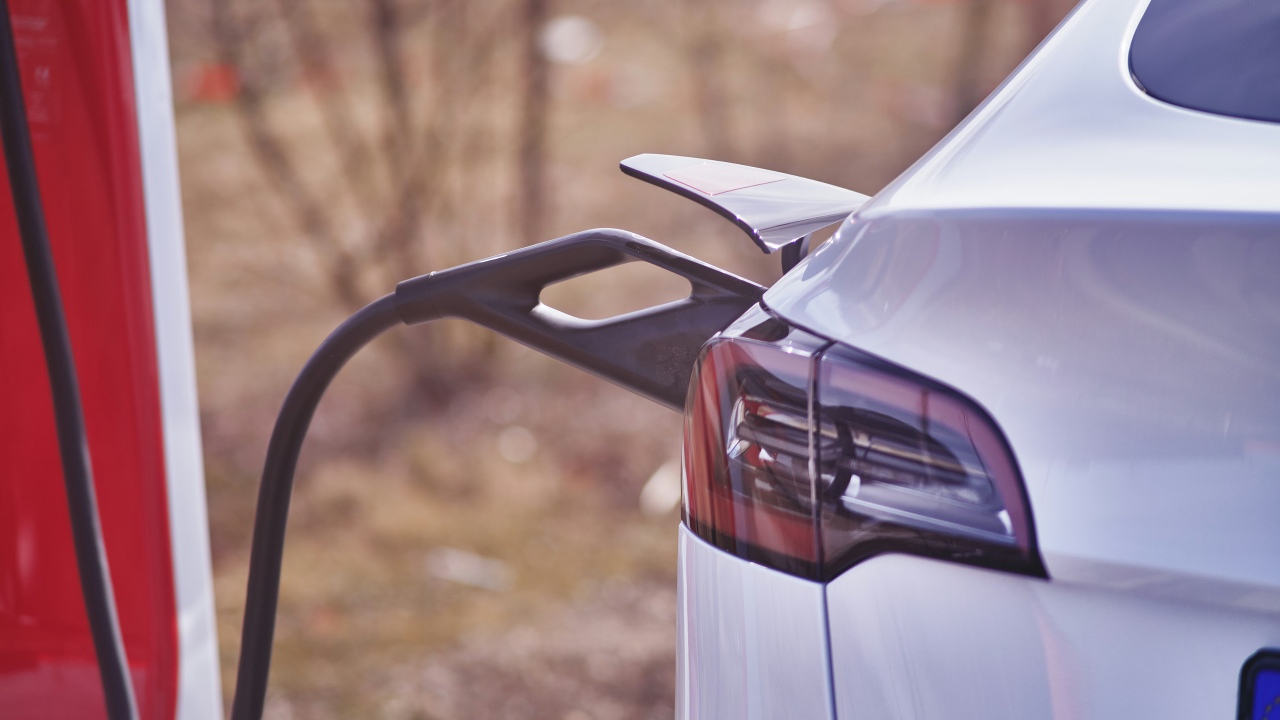
The biggest winners from the policy reversal are plug‑in hybrids and combustion engines designed to run on synthetic fuels. Under the latest deal, automakers will be able to keep selling plug‑in hybrids and range‑extender models after 2035, as long as they fit within the 10% non‑zero‑emission allowance and comply with tougher real‑world emissions rules. That gives a new lease of life to vehicles like the BMW X5 plug‑in hybrid or Mercedes‑Benz GLC plug‑in hybrid, which combine a battery pack with a petrol or diesel engine and can operate in electric mode for part of the time.
At the same time, the door is being opened for internal combustion cars that run exclusively on certified low‑carbon fuels, including synthetic e‑fuels produced from renewable electricity and captured carbon dioxide, as well as certain biofuels. The Commission’s proposal to cut the obligation for 100% zero‑emission vehicles to 90% explicitly reflects pressure from industry to recognise these technologies, and it is framed as a way to preserve consumer choice while still driving down fleet emissions. For premium brands that have invested in e‑fuel partnerships and high‑performance combustion engines, this carve‑out is a strategic victory that keeps their core products viable into the late 2030s and beyond.
Automakers split between relief and alarm
The industry reaction to the EU’s pivot has been anything but unified. Companies that maintained a diversified powertrain strategy see the new rules as overdue realism. BMW, for example, has argued that it is “an important first step” that the Commission no longer plans a total ban on combustion engines, and executives there have long pushed for a technology‑neutral approach that keeps options like plug‑in hybrids and e‑fuels on the table. German premium brands, including Porsche and other German manufacturers, were central to the lobbying push that led Brussels to allow some form of combustion engines after 2035, and they now view the compromise as essential to protect jobs and maintain their performance‑car heritage.
On the other side of the divide, automakers that went all‑in on battery‑electric vehicles see the rollback as a strategic own goal for Europe. Volvo has warned that “Weakening long‑term commitments for short‑term gain risks undermining Europe’s competitiveness,” arguing that a clear, unwavering phase‑out date for combustion engines was a powerful signal for investment in batteries, software and charging infrastructure. Several mass‑market groups that had aligned their product plans with the original 2035 target, including Renault, Volkswagen and Stellantis, are also reported to be wary of a policy shift that could slow the scale‑up of electric platforms and dilute the economies of scale they need to compete on price.
Suppliers, battery makers and green groups see a dangerous detour
The split is just as stark among suppliers and environmental organisations, many of which view the EU’s change of course as a direct threat to Europe’s emerging battery ecosystem. Companies in the battery manufacturing sector argue that watering down the 2035 target sends the wrong signal to investors who are deciding where to build gigafactories and source critical materials. One industry voice has warned that “What the battery manufacturing sector needs is clarity and predictability,” and that reopening the combustion door amounts to “gambling with Europe’s economic future,” because it risks pushing capital and innovation toward regions with firmer electric‑vehicle mandates.
Environmental groups are equally blunt. Transport and Environment has been “unsurprisingly less enthusiastic” about the EU’s new direction, criticising the draft rules as a reversal that will slow emissions cuts from road transport and lock in higher oil demand. Campaigners argue that allowing a 10% share of combustion cars, even on low‑carbon fuels, will make it harder to hit climate targets and will encourage automakers to keep selling profitable SUVs and performance models instead of accelerating the rollout of smaller, more affordable electric cars. They also question whether synthetic fuels and biofuels can be scaled sustainably for the passenger car fleet, warning that these fuels are better reserved for hard‑to‑electrify sectors such as aviation and shipping.
What the rollback means for Europe’s climate goals and global race
From a climate perspective, the EU’s move raises uncomfortable questions about credibility. The original 2035 ban was a clear, easily understood milestone that aligned with the bloc’s broader decarbonisation plans and sent a strong message to markets. Replacing it with a 90% target and a patchwork of exceptions risks creating a more complex system that is harder to enforce and easier to game. Critics argue that every percentage point of combustion allowed after 2035 translates into millions of tonnes of additional carbon dioxide over the lifetime of those vehicles, especially if real‑world fuel use diverges from test‑cycle assumptions.
Strategically, the shift also affects Europe’s position in the global race for electric vehicles. While the EU is loosening its rules, competitors are moving in different directions. The United States is using subsidies and tax credits to pull EV and battery investment across the Atlantic, while China is doubling down on its dominance in batteries and low‑cost electric models. By softening its own targets, Europe risks sending a mixed message to investors about whether it truly intends to lead in the next generation of automotive technology or remain tied to legacy combustion platforms. Supporters of the rollback counter that a more flexible framework will protect jobs and give consumers more choice, but the underlying tension is clear: the continent is trying to hedge its bets at the very moment when others are choosing a side.



Leave a Reply