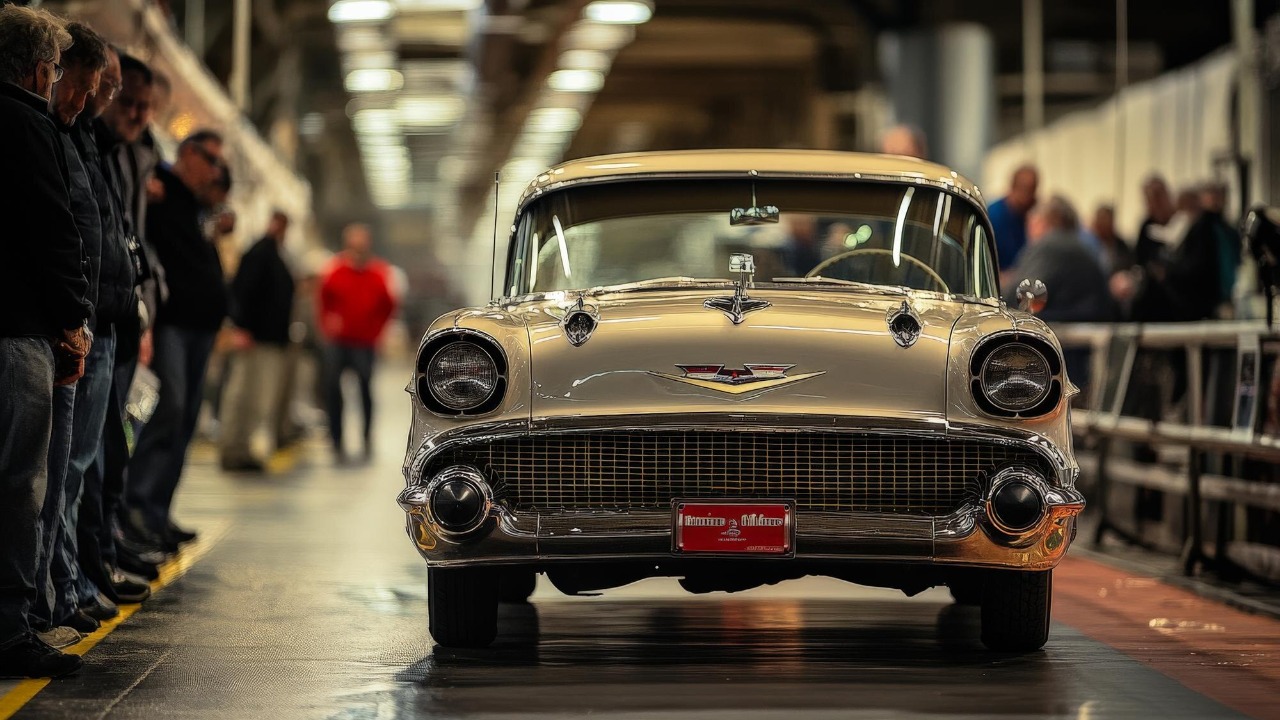
At the Mecum Kissimmee auction in January 2026, a 1970 Plymouth Hemi ‘Cuda convertible sold for north of $3 million to a bidder well past retirement age. He was not alone. Across the major auction weeks that opened the year, gray-haired collectors kept outbidding younger rivals on the cars that matter most, a pattern that Hagerty’s data team says is no fluke.
Baby boomers were supposed to be winding down. Instead, they are spending aggressively on top-tier collector cars and helping to prop up a market that, by most measures, has already corrected from its pandemic highs.
The narrative that didn’t hold
For several years, the accepted wisdom was straightforward: as roughly 73 million U.S. baby boomers aged into their 70s and beyond, they would liquidate collections, flood the supply side, and hand the hobby to younger enthusiasts.
There was real evidence for the theory. Hagerty, the collector-vehicle insurer whose data underpins much of the market’s analytics, reported that in the first half of 2022, Gen X overtook boomers as the largest cohort generating insurance quotes for collectible vehicles, accounting for 35% of new-policy activity. Millennials were climbing, too. The generational handoff looked real.
Then boomers stopped cooperating with the storyline.
What the insurance data actually shows
Hagerty’s most recent breakdown of policy-quote share confirms that Gen X and younger buyers now represent about 62% of new quotes. On volume alone, the younger cohorts are winning.
But volume and influence are different things. Hagerty’s analysts, including vice president of automotive intelligence Brian Rabold, have described a market where younger buyers generate more transactions at lower price points, while boomers still control the high-dollar inventory and the liquidity that moves benchmark prices. Hagerty’s own 2025 year-in-review framed the trend under the heading “Boomers Strike Back,” noting that many older owners held cars through the correction and re-entered once they felt prices reflected real value rather than speculation.
That distinction matters. A 38-year-old insuring a 1995 Mazda RX-7 counts the same as a 72-year-old insuring a 1967 Ferrari 275 GTB in the quote tally, but the two transactions carry wildly different weight at auction.
A $4.8 billion market, cooling but far from cold
Total collector-car auction and private-sale volume climbed roughly 10% in 2025 to $4.8 billion, according to Hagerty’s year-end tally reported by CNBC. That figure sits well below the frenzied peaks of 2022 and 2023, when stimulus-era cash and low interest rates sent values soaring, but it signals a market that has found a sustainable floor.
Hagerty’s Market Rating, which tracks overall market health on a 0-to-100 scale, tells the correction story plainly: between June 2022 and June 2025, the index rose only six times and fell 28 times. Repeat-sale analysis in the same dataset showed that many cars bought at the boom’s peak sold for less when they returned to market.
Within that reset, boomers appear to have acted as a stabilizing force. Rather than panic-selling into a downturn, many simply waited. Now, with the correction largely behind them, they are re-entering as both buyers and selective sellers.
Two generations, two wish lists, one auction tent
The collector market in early 2026 is effectively running two parallel economies. Younger buyers, particularly Gen Xers and older millennials, are chasing the cars of their adolescence: 1990s and 2000s models like the MkIV Toyota Supra, the E46 BMW M3, and early Audi RS variants. These are the cars they saw on posters, drove in Gran Turismo, or lusted after in high school parking lots.
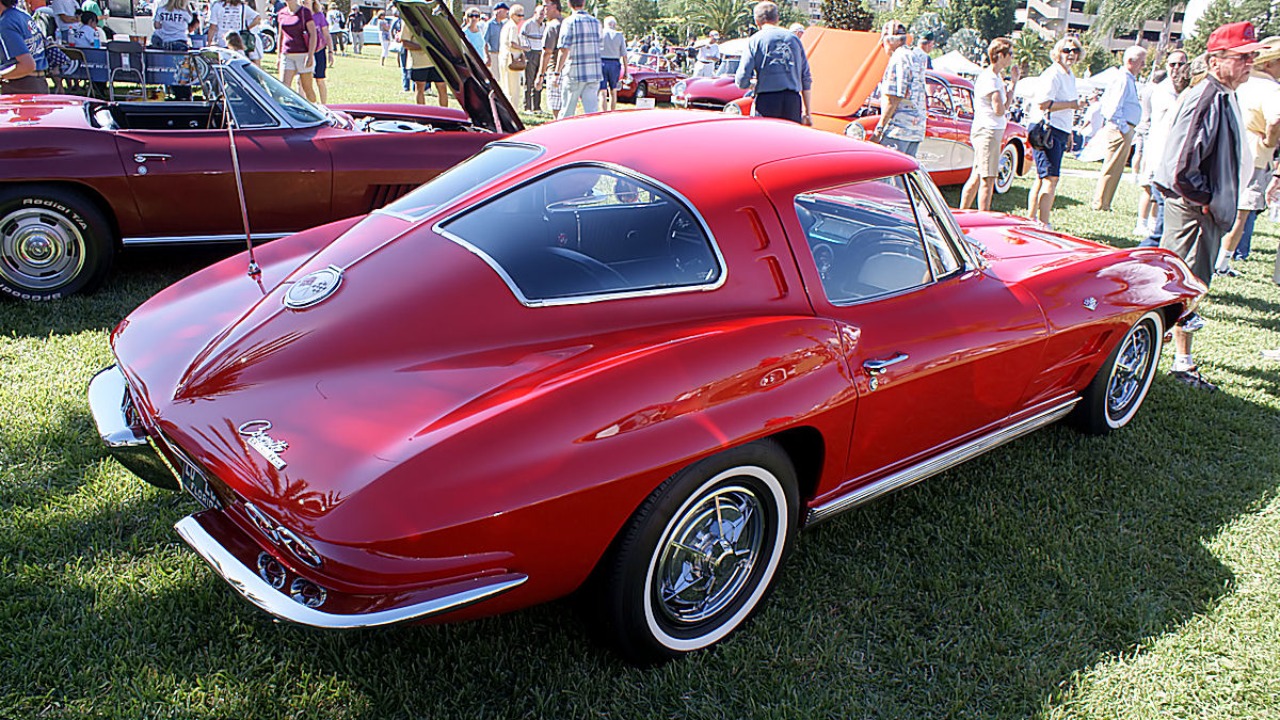
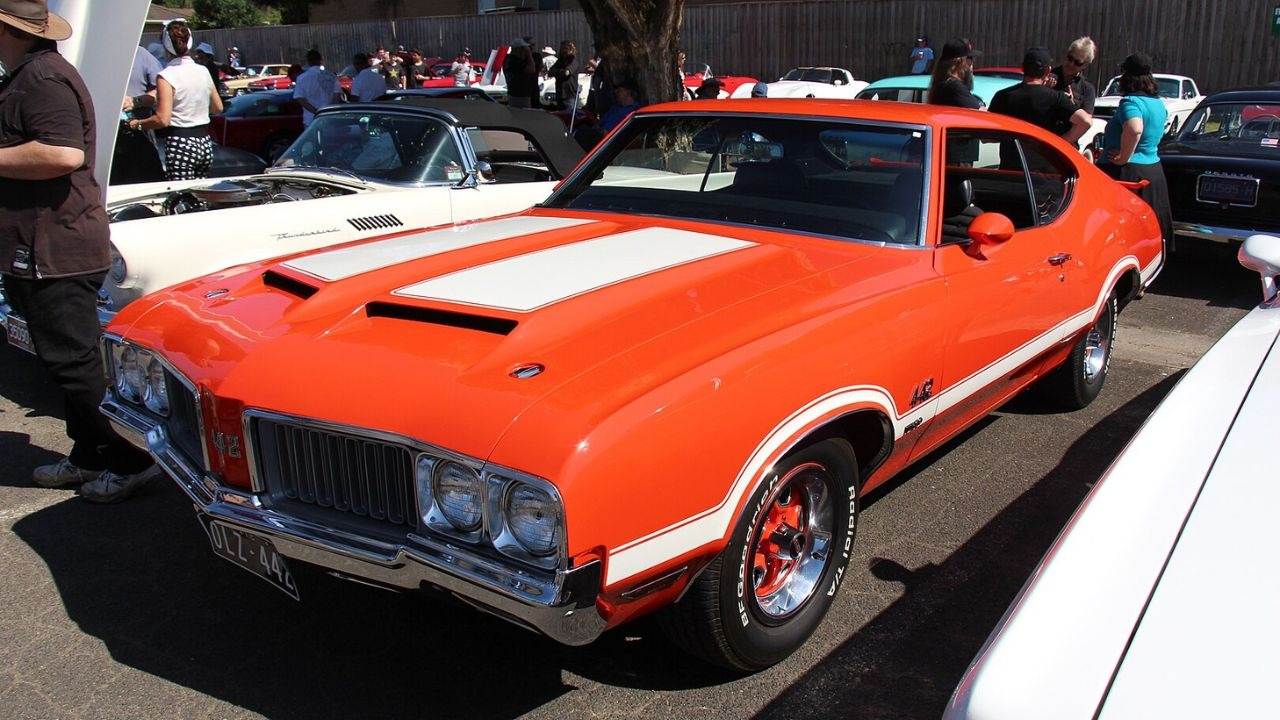
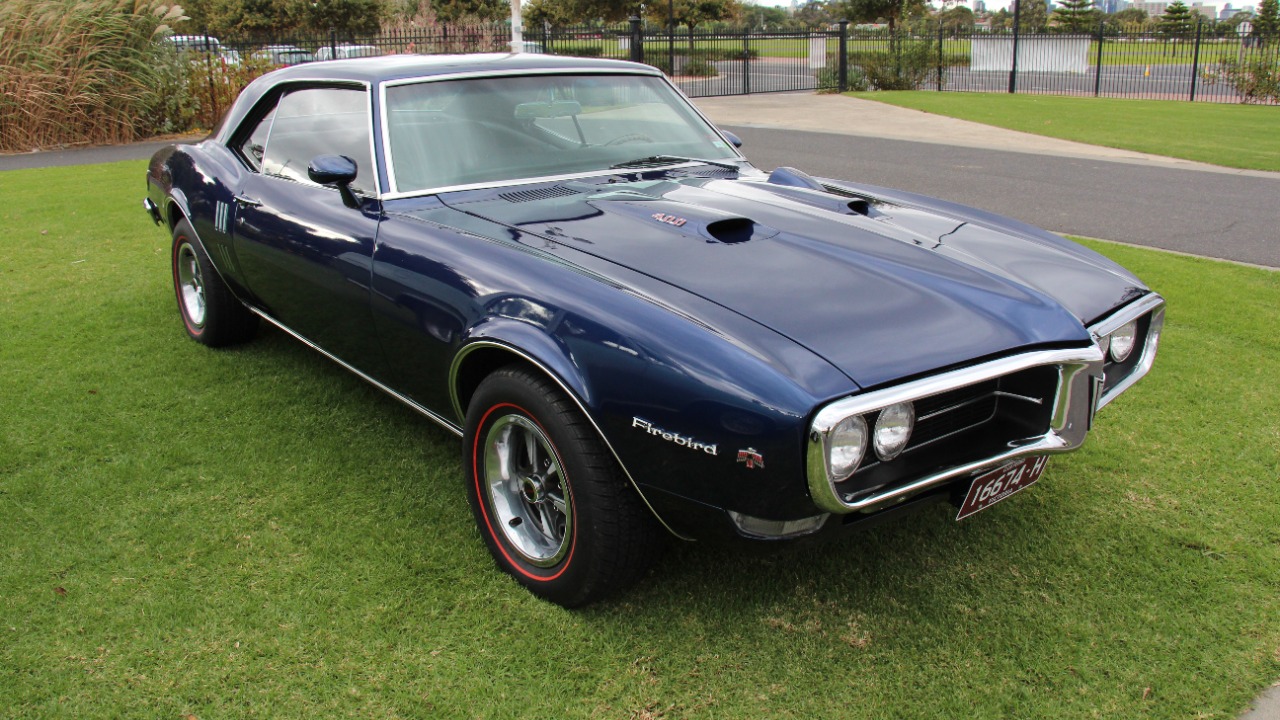
Boomers, meanwhile, keep gravitating toward the machines that defined their own formative years: big-block Corvettes, first-generation Camaros, air-cooled Porsche 911s, and concours-grade European GTs. A Monterey County Now report on younger collectors noted that Gen Xers routinely bypass the sedans and wagons their grandparents cherished, which means some traditional models are softening even as headline results climb elsewhere.
The two wish lists collide most visibly at major auction events, where a matching-numbers 1969 Chevelle SS might cross the block minutes before a 28,000-mile 2002 Honda S2000, each drawing aggressive bidding from entirely different demographics.
What to watch through the rest of 2026
Hagerty’s expert panel, publishing its annual forecast in late 2025, expects the selectivity theme to intensify. The best examples of desirable models should continue to appreciate, while average-condition cars, even from celebrated nameplates, are likely to stagnate or soften further. Analyst Richard Salmons predicted that a French marque will again crack the top auction results, reflecting sustained global appetite for rare European performance cars.
Online platforms are another variable. The same forecast calls for continued growth in digital sales, with some analysts speculating that 2026 could produce the first eight-figure car sold entirely online, a milestone that would signal just how comfortable wealthy collectors have become buying sight-unseen.
Economic headwinds could complicate the picture. With tariff policy in flux and interest rates still elevated compared to the pre-pandemic era, discretionary spending on six- and seven-figure cars is not immune to broader consumer caution. But collector cars, particularly at the top, have historically behaved more like alternative assets than consumer goods, and boomer buyers sitting on decades of equity in their collections are less rate-sensitive than a first-time buyer financing a weekend toy.
Why boomer money still sets the ceiling
Strip away the generational framing, and the dynamic is simple: boomers own the most valuable cars, and they have the deepest pockets. Many bought in decades ago at a fraction of current values and now sit on enormous unrealized gains. When one of those owners decides to sell a documented, low-mile muscle car or a matching-numbers Italian GT, the result often resets the price benchmark for the entire model.
Not all of that money leaves the hobby, either. Reports from Classic Auto Insurance describe boomers who sell a long-held car or two, then reinvest in newer “instant classics,” sometimes from the very 1990s and 2000s era that younger collectors favor. That crossover spending creates a feedback loop: younger enthusiasts elevate newer models into collectible status, and boomer capital validates those choices with serious money.
The collector car market in spring 2026 is not a story of one generation replacing another. It is a story of coexistence, with boomers and their successors bidding in the same rooms, on the same platforms, but often on very different cars. And in the lanes where the biggest numbers get posted, the older generation is still setting the pace.
More from Fast Lane Only
- Unboxing the WWII Jeep in a Crate
- 15 rare Chevys collectors are quietly buying
- 10 underrated V8s still worth hunting down
- Police notice this before you even roll window down
*Research for this article included AI assistance, with all final content reviewed by human editors.