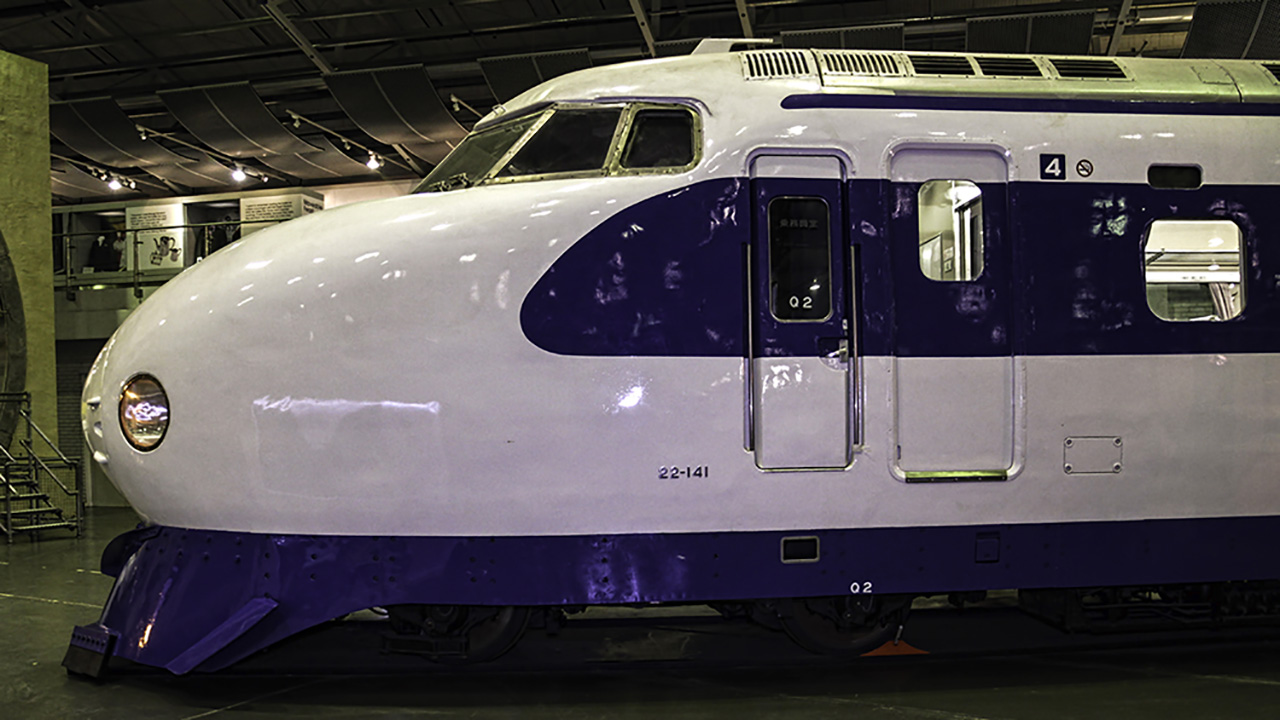
Bullet trains have become synonymous with speed, efficiency, and technological prowess. As countries like Japan and China push the boundaries of rail travel, the race for the fastest bullet train is as much about national pride as it is about advancing transportation technology.
The Evolution of Bullet Trains
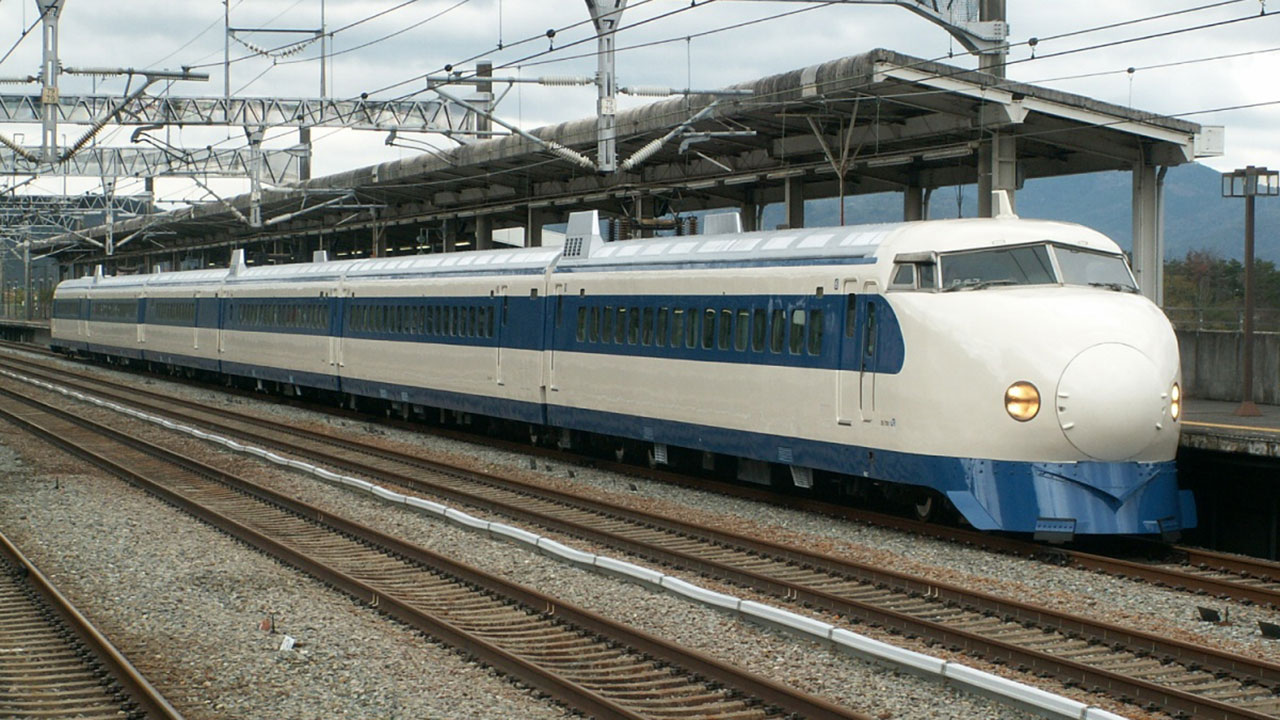
The history of bullet trains is a fascinating journey that began with Japan’s pioneering Shinkansen line, introduced in 1964 to coincide with the Tokyo Olympics. This innovation not only marked a significant milestone in railway history but also set a precedent for developing high-speed rail systems worldwide. The original Shinkansen, with its sleek design and unprecedented speed, was a marvel of engineering and quickly became a symbol of Japan’s modernization and economic resurgence.
Over the years, technological advancements have played a crucial role in enhancing the speed and efficiency of bullet trains. Innovations in materials, aerodynamics, and propulsion systems have allowed these trains to reach speeds previously deemed impossible. The development of lighter and stronger materials has reduced drag, while advances in engine technology have increased power output and efficiency. These engineering feats have not only improved speed but also enhanced the overall passenger experience, making high-speed rail travel more appealing to the masses.
Culturally and economically, bullet trains have significantly impacted the regions they serve. They have redefined connectivity and accessibility, shrinking travel times between major cities and fostering regional economic growth. For example, the Shinkansen has played a vital role in Japan’s economic development by linking key cities and facilitating business travel. Similarly, China’s extensive high-speed rail network has transformed domestic travel, enabling millions to commute efficiently across vast distances.
The Global Speed Race
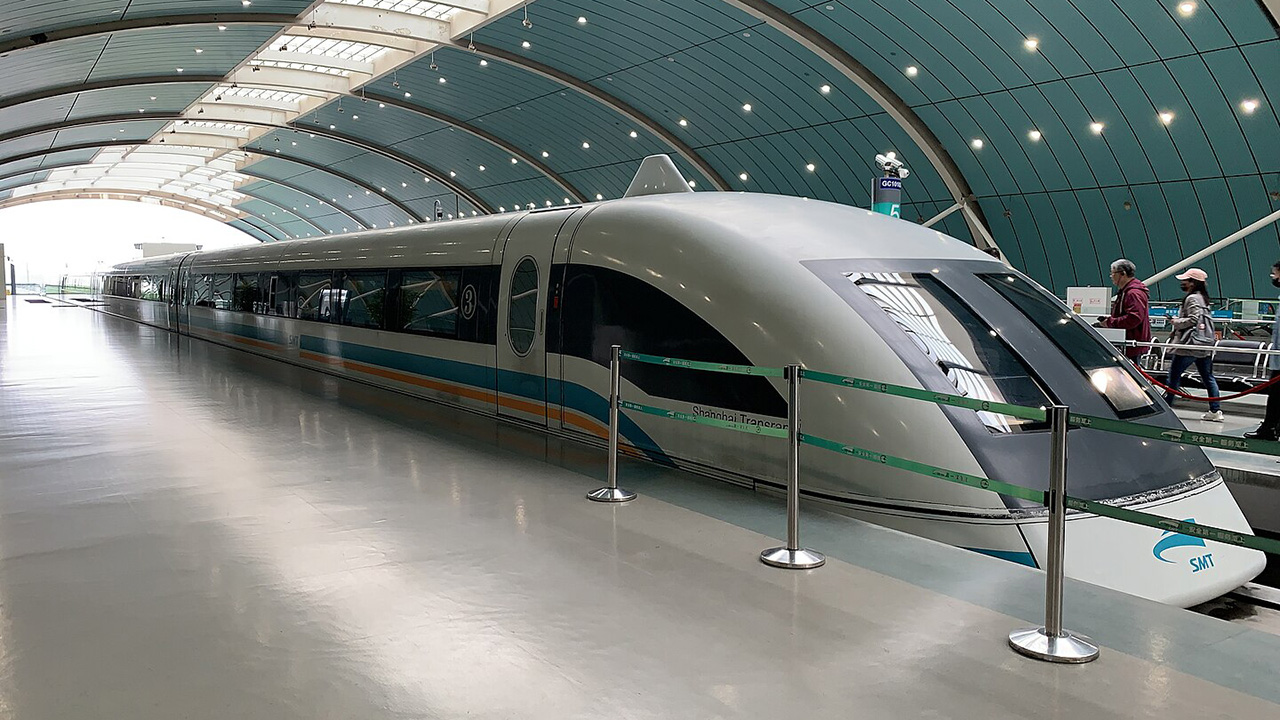
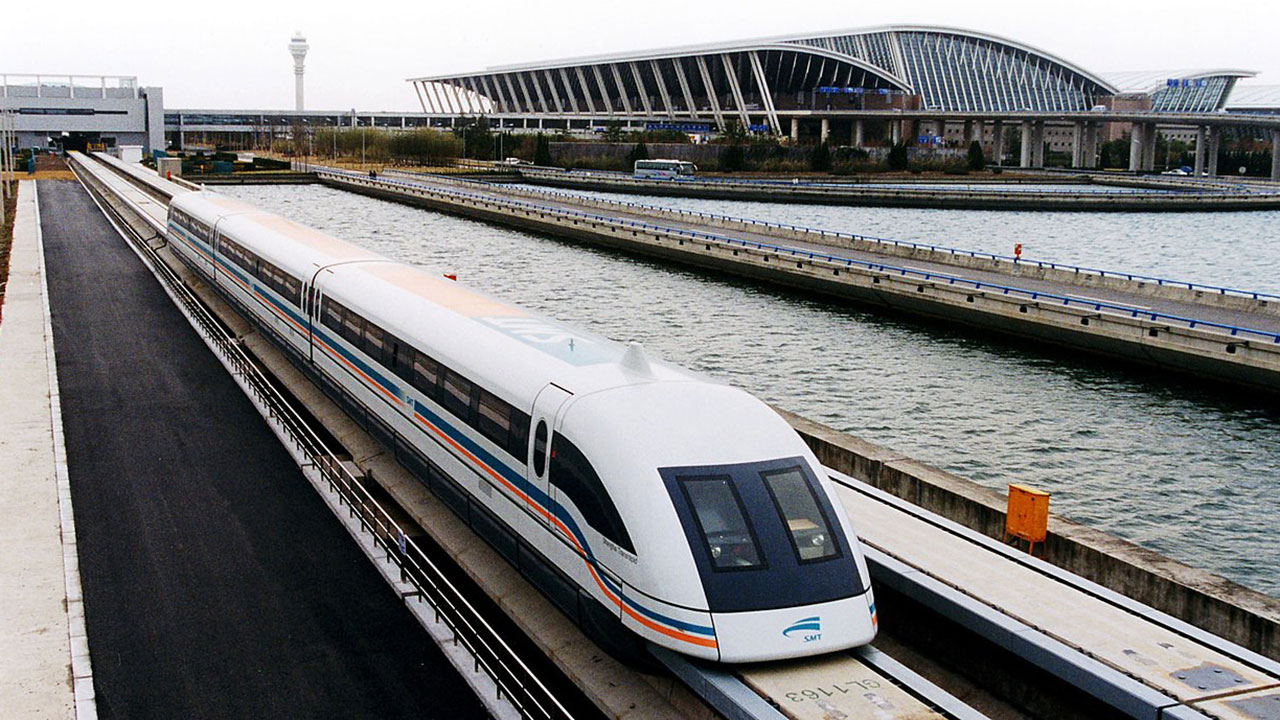
The competition between Japan and China in the realm of high-speed rail is nothing short of a technological showdown. Japan, with its renowned Shinkansen, has long held the crown for speed and efficiency. However, China’s advances in Maglev technology have brought it closer to challenging Japan’s dominance. China’s Maglev trains, which utilize magnetic levitation to eliminate friction, have achieved remarkable speeds and are a testament to the country’s rapid technological progress.
While Japan and China are prominent players in the high-speed rail arena, other countries are also making significant strides. France, with its TGV trains, pioneered high-speed rail in Europe, while Germany’s ICE trains offer fast and efficient services across the continent. Meanwhile, countries like Spain and South Korea have invested heavily in their high-speed networks, highlighting the global appeal of this transformative mode of transportation.
Speed records and milestones continue to captivate the imagination of engineers and enthusiasts alike. The Shinkansen’s E5 series, known for its impressive speeds, and China’s Maglev trains, with their groundbreaking technology, represent significant achievements in high-speed rail. These records not only demonstrate engineering prowess but also fuel the ongoing quest for even faster and more efficient trains.
Technological Innovations Driving Speed
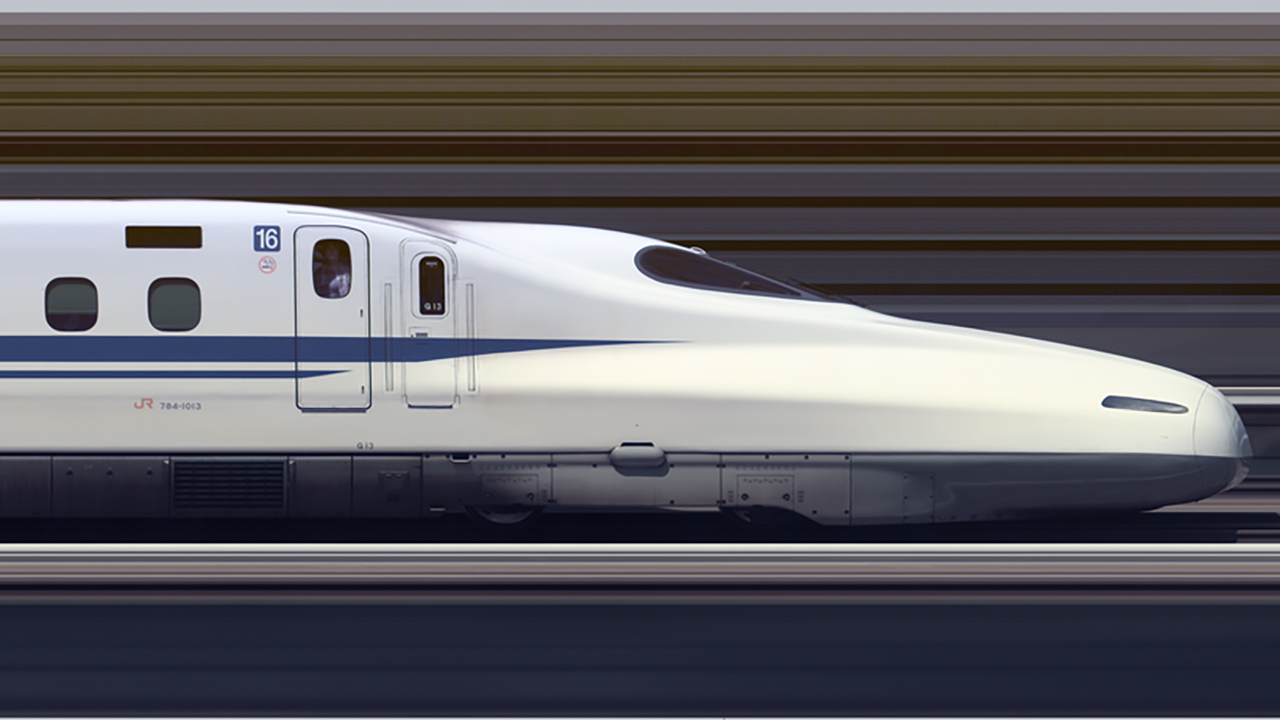
Maglev technology represents one of the most significant advancements in high-speed rail. By using powerful magnets to lift trains above the tracks, Maglev trains virtually eliminate friction, allowing them to achieve remarkable speeds with minimal energy consumption. This technology has been a game-changer in the race for speed, enabling trains to reach velocities that were once thought unattainable.
Aerodynamics plays a crucial role in the design of bullet trains, with engineers continually seeking ways to reduce drag and improve performance. The sleek, streamlined shapes of modern bullet trains are the result of extensive research and testing in wind tunnels, ensuring that every curve and contour is optimized for speed. These design principles not only enhance performance but also contribute to energy efficiency by reducing resistance and fuel consumption.
The pursuit of speed must be balanced with sustainability, and high-speed rail operators are increasingly focused on energy efficiency and eco-friendly practices. Innovations such as regenerative braking systems, energy-efficient propulsion, and the use of renewable energy sources are helping to minimize the environmental impact of high-speed rail. By prioritizing sustainability, the industry aims to offer a greener alternative to air travel, reducing carbon footprints and promoting environmentally responsible transportation.
The Challenges of High-Speed Rail
Building and maintaining high-speed rail networks is a complex and costly endeavor. The infrastructure demands are immense, requiring significant investment in track construction, station development, and maintenance facilities. These projects often face financial, logistical, and political challenges, with governments and private investors weighing the long-term benefits against the initial costs.
Safety is paramount in the operation of high-speed trains, as they travel at unprecedented speeds that leave little room for error. Ensuring passenger safety involves rigorous testing, advanced signaling systems, and continuous monitoring of track conditions. The development of sophisticated safety protocols and technologies is crucial to maintaining the high standards expected of these rail systems.
High-speed rail development also raises environmental and social concerns. The construction of new rail lines can disrupt ecosystems and communities, leading to debates over land use and conservation. Balancing the benefits of improved connectivity with the need to preserve natural and cultural heritage is a critical challenge that requires careful planning and stakeholder engagement.
The Future of High-Speed Rail
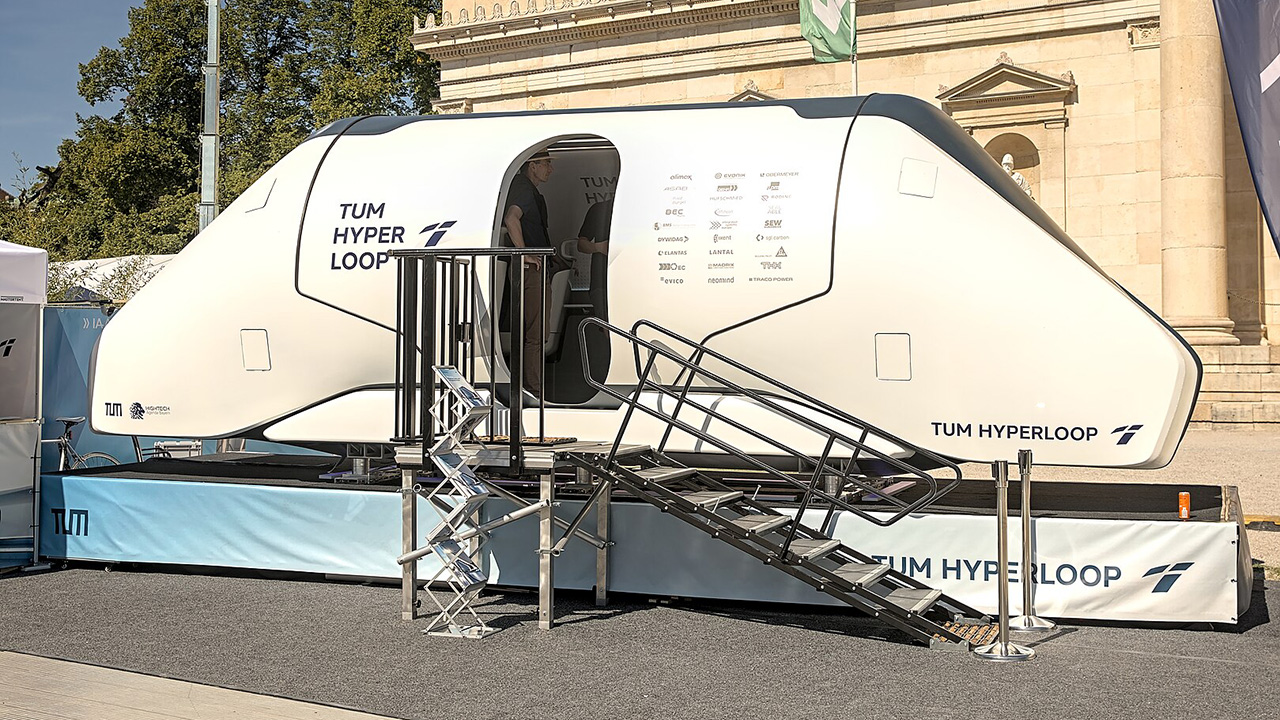
As we look to the future, emerging technologies hold the promise of even greater advancements in high-speed rail. Concepts such as hyperloop systems, which use low-pressure tubes to propel pods at high speeds, and advancements in AI-driven train operations are poised to revolutionize the way we think about rail travel. These innovations could further enhance speed, efficiency, and passenger experience, opening new possibilities for global transportation.
Policy and investment will play a crucial role in the future of high-speed rail. Governments and the private sector must collaborate to fund and support the development of new technologies and infrastructure. By fostering an environment conducive to innovation and growth, policymakers can ensure that high-speed rail continues to evolve and thrive.
The global impact of faster trains could be profound, reshaping travel, commerce, and connectivity worldwide. As high-speed rail networks expand, they have the potential to redefine how we move and interact, fostering economic growth and cultural exchange. By embracing the possibilities offered by high-speed rail, we can create a more connected and sustainable future for generations to come.
Like Fast Lane Only’s content? Be sure to follow us.
Here’s more from us:
*Created with AI assistance and editor review.