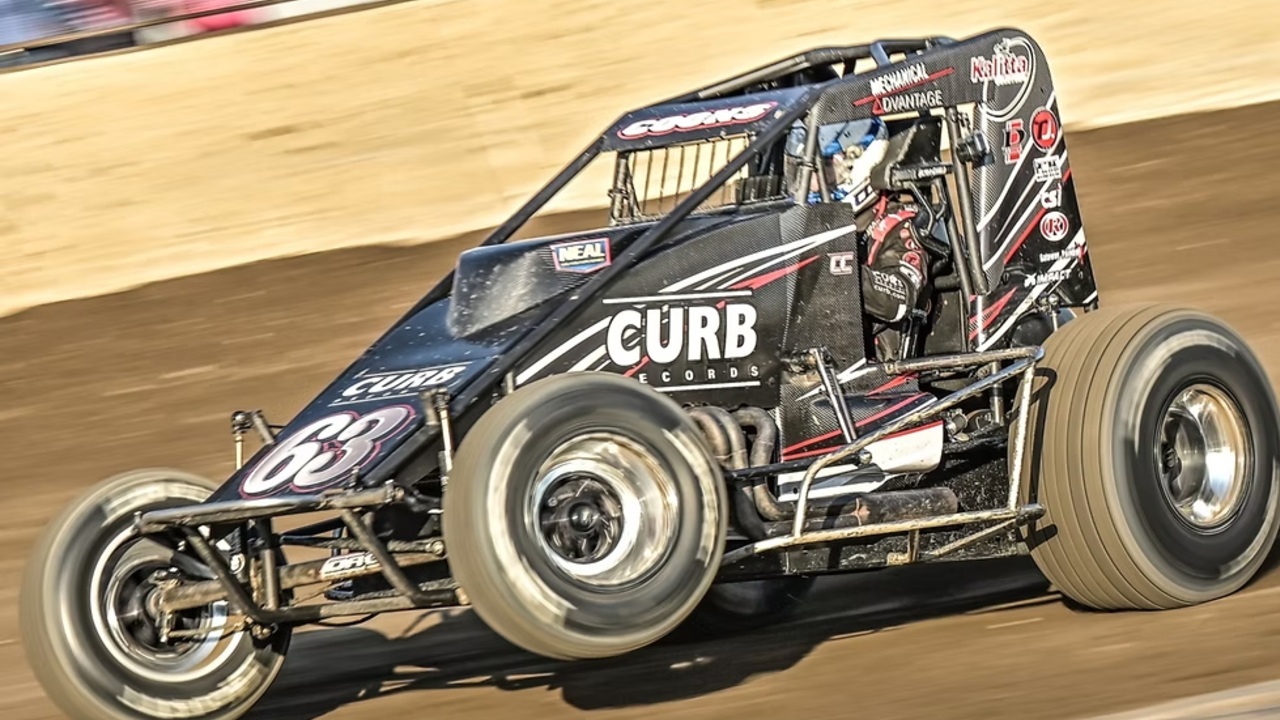
Cale Coons has secured one of the most coveted seats in non-wing sprint car racing, taking over the storied Dooling No. 63 for the 2026 season. The move elevates a rapidly rising driver into a flagship ride, signaling that his progression from promising prospect to full-time contender is arriving right on schedule. It also extends a family legacy that has been building toward this kind of opportunity for more than three decades.
The pairing of Coons and the Dooling operation brings together a young driver with recent momentum and a team with deep roots in United States Auto Club competition. For a discipline that prizes both heritage and hard edges, the combination suggests a campaign built on continuity, measured expectations, and a clear target: turning potential into sustained results at the national level.
The significance of the Dooling No. 63 seat
The Dooling No. 63 is not just another entry on a USAC sprint car roster, it is a number and program that carries weight in the pit area. By stepping into the 63, Coons joins a line of drivers trusted with equipment that has long been prepared to contend for wins and championships rather than simply fill out a field. The team’s decision to place a young but already decorated driver in that car underscores its intent to remain a factor in national non-wing competition rather than retreat to a more regional focus, and it frames 2026 as a year of calculated ambition rather than rebuilding.
Team representatives have already framed the 63 program around a full national schedule and a realistic push for rookie honors at the USAC level, positioning Coons as a driver expected to adapt quickly to the grind of a touring campaign. In describing the plan for the No. 63 sprint car, they have pointed to his prior work with the group and his familiarity with its expectations as reasons to believe he can contend for “rookie of the year” recognition while learning the nuances of a longer calendar. That kind of language, attached directly to the 63 entry, makes clear that this is not a short-term experiment but a commitment to building a multi-year foundation around a single driver and car.
A family name built at the Chili Bowl
The Coons surname has been part of the fabric of indoor midget racing for a generation, and that history is central to understanding why this latest opportunity resonates beyond one team’s roster move. The Coons last name has been a staple at the Chili Bowl for the last 3 decades, with Jerry Coons Jr. establishing the family’s reputation on the tight Tulsa clay and setting a standard that his son has been steadily chasing. When Cale made his own Chili Bowl appearance 30 years after Jerry’s first run in the event, it marked a symbolic handoff, a moment when a familiar name on the entry list represented a new driver with his own ambitions rather than a continuation of the same career.
That generational thread tightened further when Cale Coons returned to the Chili Bowl Nationals at the Tulsa Expo Raceway in partnership with Joe Dooling. By aligning with Dooling in that high-profile environment, he demonstrated both the trust of an established car owner and his ability to handle the pressure that comes with a recognizable name and a competitive ride. The collaboration at Tulsa provided an early test of chemistry between driver and team, and the performance there helped convince both sides that a deeper commitment in sprint cars could be productive. The Chili Bowl, long a proving ground for open-wheel talent, effectively became the laboratory where the Coons and Dooling partnership was first stress-tested.
From first sprint car win to national expectations
The path to the Dooling No. 63 seat has been paved by tangible results in full-sized sprint cars, not just promise in midgets or indoor events. At Lincoln Park Speedwa, Coons delivered a defining moment when he executed a last lap pass to claim his first career sprint car feature victory at the Putnamville oval. That win at Lincoln Park Speedwa, achieved under pressure and in traffic, showed that he could convert track position into trophies rather than simply log laps, and it gave both his supporters and potential car owners a concrete example of his racecraft in a traditional sprint car environment.
That breakthrough was followed by broader recognition from the sport’s institutional gatekeepers. The Sprint Car Hall of Fame named Cale Co as part of the group recognized in the North American Non Wing Sprint Car Poll Co Rookie of the Year honors, a distinction that reflected not only isolated flashes of speed but a body of work across the season. Being identified in that Poll as a co-recipient of Rookie of the Year status signaled that his peers and observers saw a driver capable of sustaining performance over time. For a team like Dooling, which must weigh long-term potential against short-term risk, those credentials helped justify handing him the keys to a flagship entry.
Why Dooling and Coons fit each other
The alignment between Coons and the Dooling operation is rooted in more than a contract for the 63 car, it is built on shared experience and complementary needs. From Dooling’s perspective, partnering with a driver who has already shown poise at the Chili Bowl Nationals and in regional sprint car action offers a blend of familiarity and upside. The earlier collaboration at the Tulsa Expo Raceway, where Cale Coons and Joe Dooling worked together in a high-visibility setting, provided a preview of how communication, feedback, and setup philosophy might translate to a full sprint car program. That history reduces the uncertainty that often accompanies a new driver signing and gives both sides a reference point for how they respond when conditions change quickly.
For Coons, the Dooling No. 63 represents a platform that matches his ambitions. The team’s willingness to commit the 63 to a national schedule, and to publicly frame the season around a push for rookie recognition, offers him a clear developmental path rather than a patchwork of one-off starts. It also connects his personal trajectory, from the Coons family’s long-standing presence at the Chili Bowl for the and beyond, to a modern sprint car operation that understands both the weight of that legacy and the need to let a young driver define himself on his own terms. In that sense, the fit is as much about identity as it is about equipment, with both sides seeking to blend tradition and progression in a way that keeps them relevant in a crowded field.
What the 2026 season could mean for non-wing sprint racing
The decision to place a rising driver like Coons in the Dooling No. 63 has implications that extend beyond one team’s results sheet. In a discipline where veteran presence often dominates the front of the field, the elevation of a relatively young driver with recent Rookie of the Year recognition signals a willingness among established owners to invest in the next wave of talent. If Coons can translate his Lincoln Park Speedwa success and Chili Bowl composure into consistent national performances, it may encourage other operations to look more aggressively at drivers emerging from midget programs and regional sprint tours rather than defaulting to familiar names.
More from Fast Lane Only