
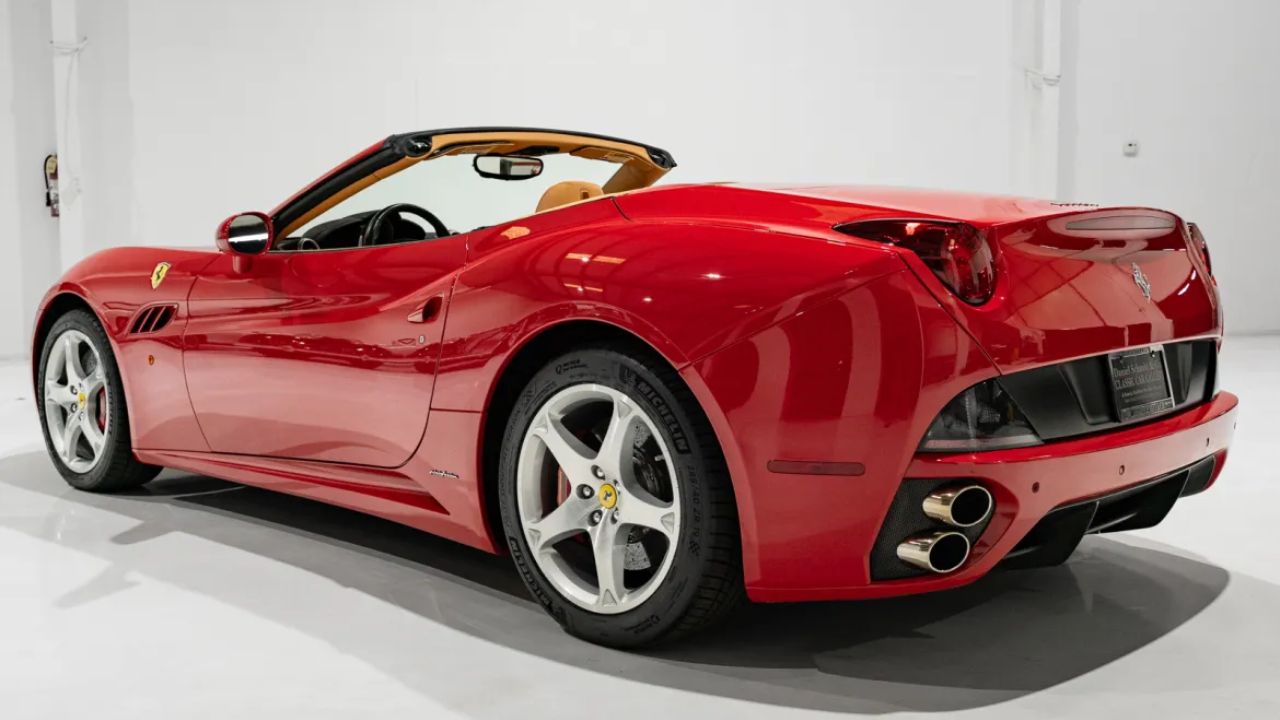
When Ferrari dropped the California back in 2010, it raised a few eyebrows. Front-engine? Hardtop convertible? Automatic mode? It wasn’t what the brand was known for—but that was kind of the point. This was Ferrari branching out, but not backing off. The California didn’t just break some house rules—it rewrote a few.
Built for real-world drivability with enough bite to still feel serious, the 2010 California Roadster landed somewhere between grand tourer and sports car. It may not have shouted for attention like its mid-engine cousins, but it had plenty to say if you knew what to look for.
A Front-Engine First for Ferrari
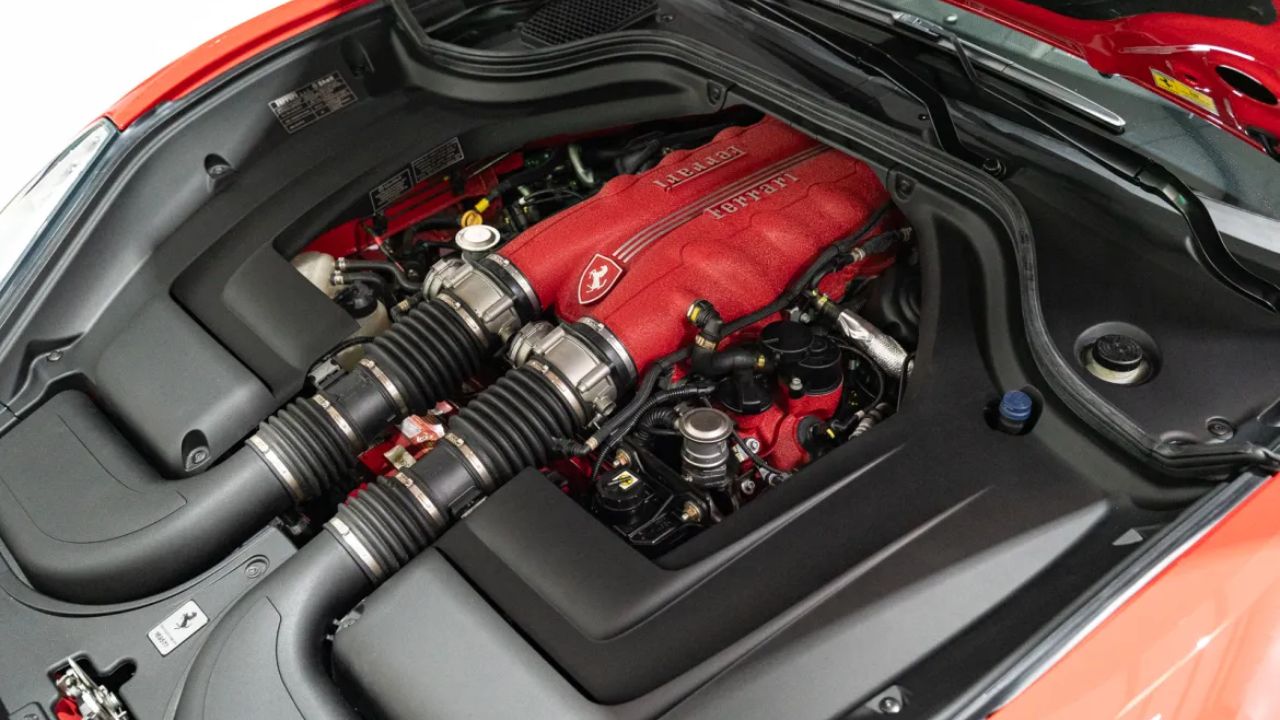
The 2010 California marked Ferrari’s first production car with a front-mounted V8. That 4.3-liter naturally aspirated engine pushed out 453 horsepower at 7,750 rpm, sending power to the rear wheels through a 7-speed dual-clutch transmission. It wasn’t just quick—it was smooth, especially for a grand touring convertible.
Ferrari placed the V8 low and behind the front axle for better weight distribution. With a 47:53 front-rear balance, the car felt surprisingly neutral in corners. It gave drivers a different kind of Ferrari experience—more relaxed when you wanted it, but still serious when you pushed.
Dual Personality: Coupe and Convertible
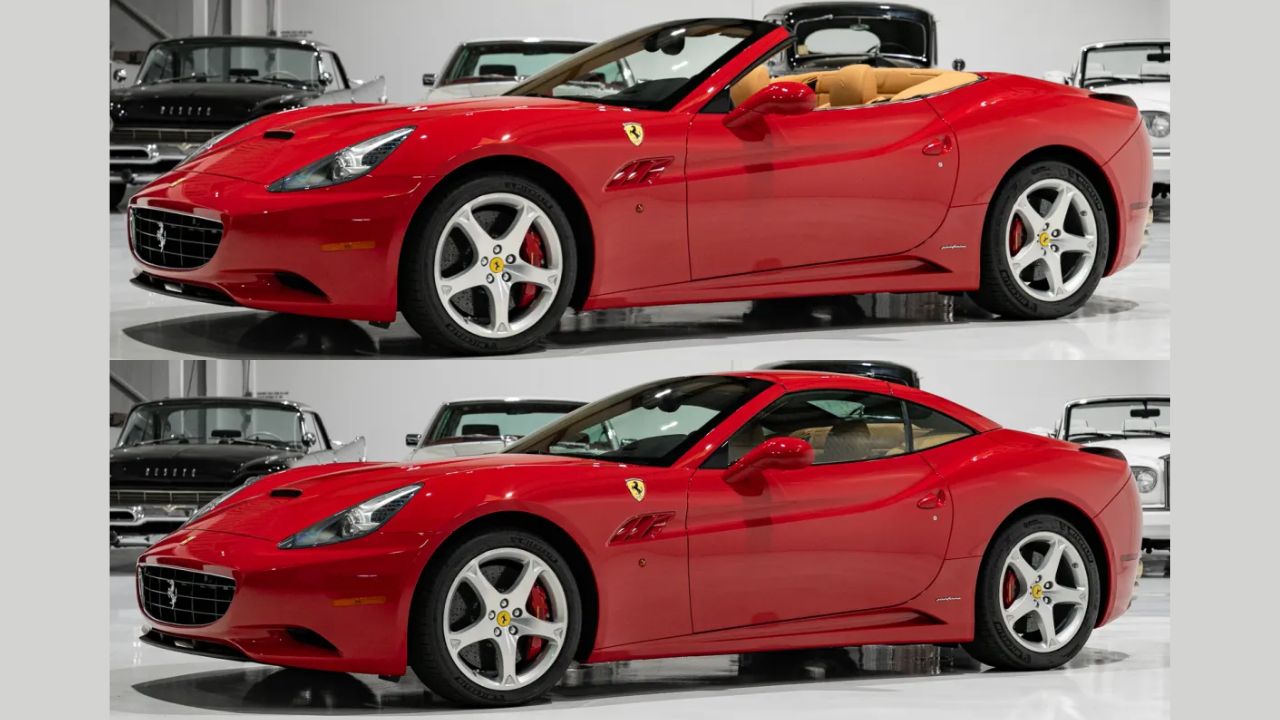
Ferrari gave the California a retractable hardtop, making it the brand’s first metal-roof convertible. The top folded in about 14 seconds, tucking neatly under a sculpted rear deck without needing a tonneau cover. Top up, it looked and felt like a coupe. Top down, it was all open air.
The roof design didn’t come at the expense of balance or performance. It still managed a respectable 3,825-pound curb weight. That meant the California delivered all-season usability without feeling soft. A rare balance in a segment where compromise usually shows.
A 7-Speed Dual-Clutch That Worked
One of the biggest mechanical changes was the switch to a 7-speed dual-clutch gearbox. It was the first time Ferrari used this setup, and it replaced the older single-clutch automated manuals. The result? Shifts came faster, smoother, and without the lurch between gears.
The transmission was mounted at the rear in a transaxle layout, which helped with weight balance. Whether you were cruising in automatic mode or manually rowing through the paddles, it felt tight and responsive. Around town or on the throttle, it just worked—no drama, no lag.
Suspension With Everyday Comfort in Mind
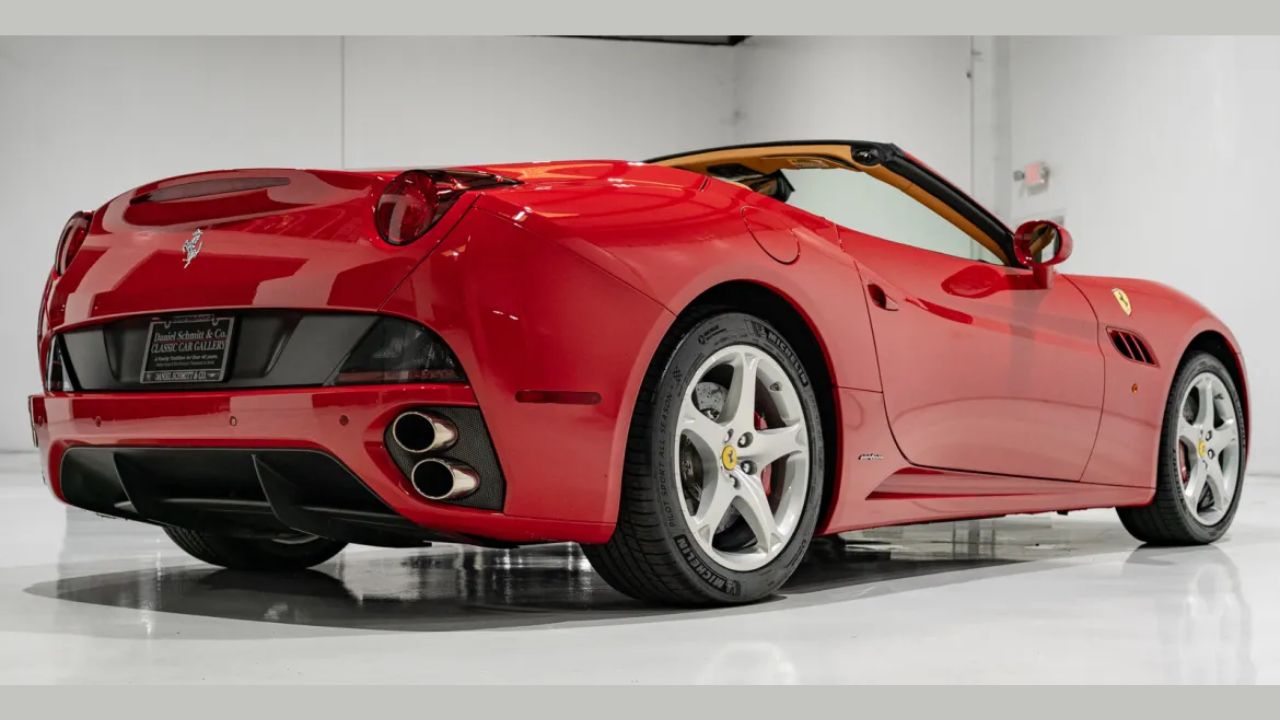
Magnetorheological shocks made their way into the California’s suspension system. Ferrari used this tech to deliver real-time damping changes, helping the car stay flat in corners without wrecking the ride quality over rough pavement. It wasn’t track-harsh—it was measured.
The car used double wishbones up front and a multilink setup out back. Combined with the adaptive damping, it handled well but didn’t punish you like some mid-engine Ferraris did. It was still precise, but dialed down enough that you didn’t feel sore after a few hours behind the wheel.
The Brakes Didn’t Mess Around
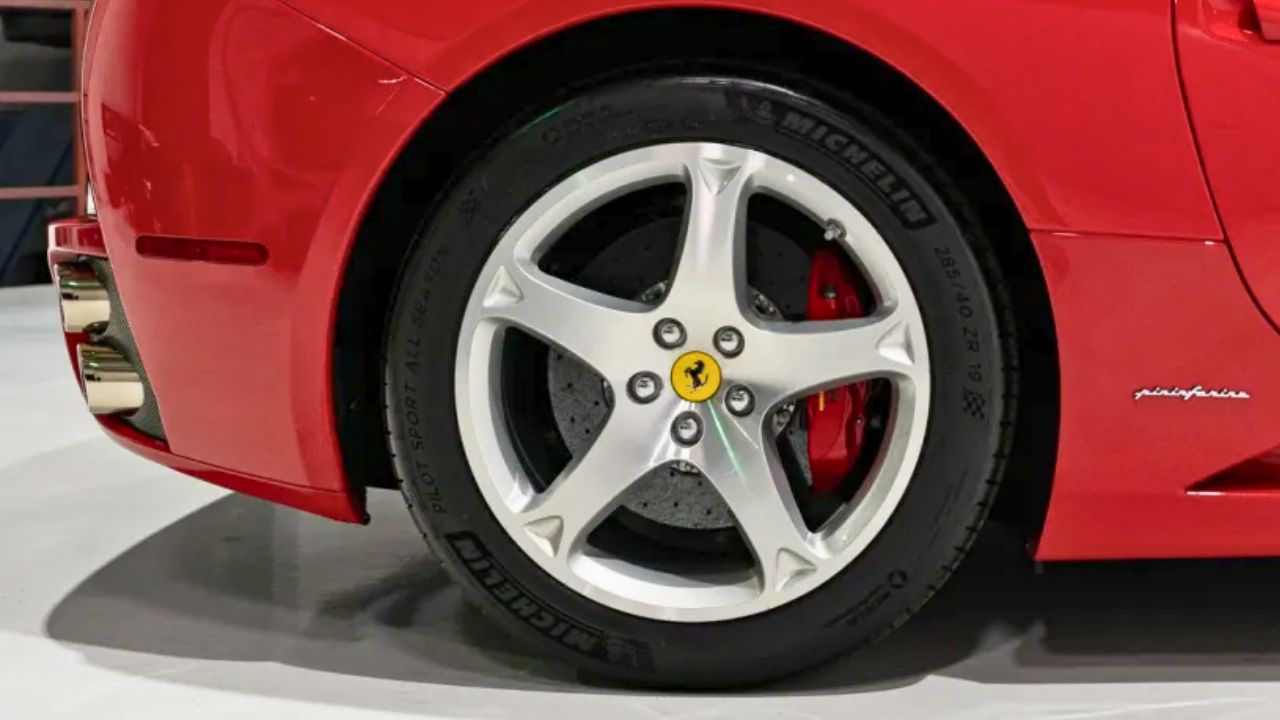
Standard carbon-ceramic brakes on the California weren’t just about stopping power—they were about consistency. The rotors stayed cooler and held up better under repeated heavy braking, whether you were hustling through mountain switchbacks or braking late into a corner.
Up front, it used 390mm discs with six-piston calipers, while the rear got 360mm discs with four-piston units. Pedal feel was firm, and bite was immediate. For a car positioned as a grand tourer, the brakes leaned closer to what you’d expect on a track-focused coupe.
A Cabin That Didn’t Skip the Details
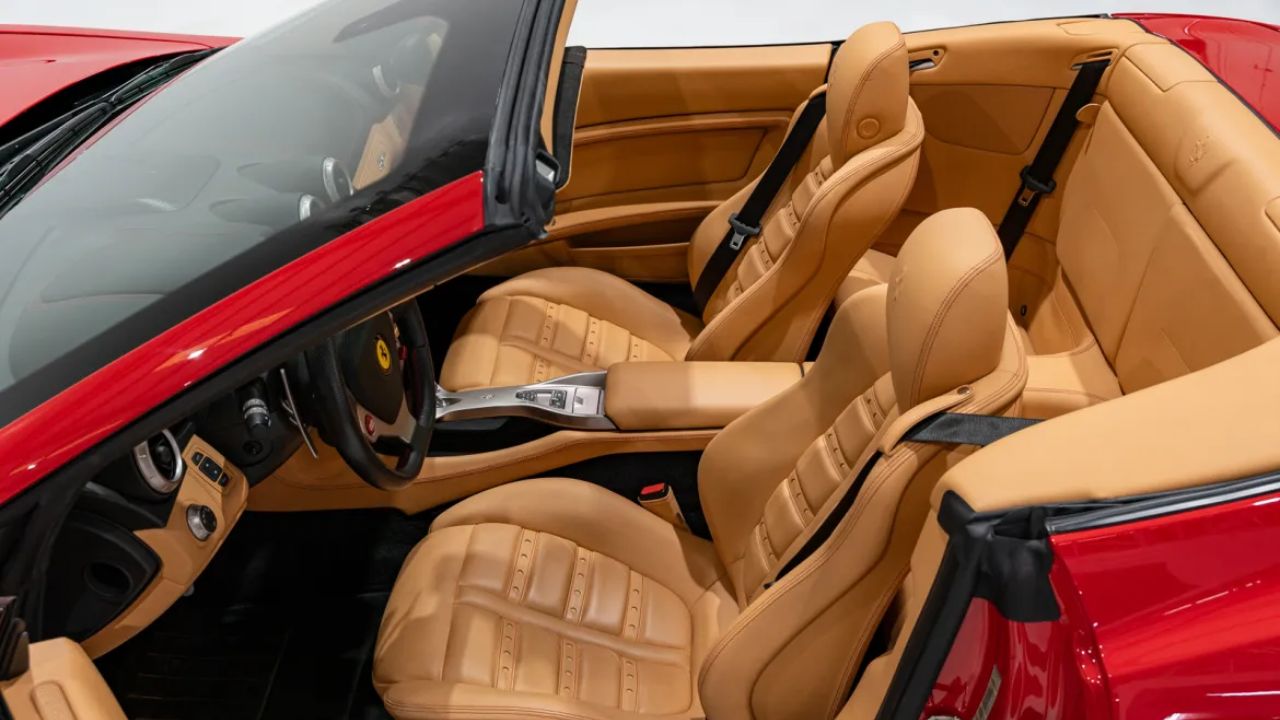
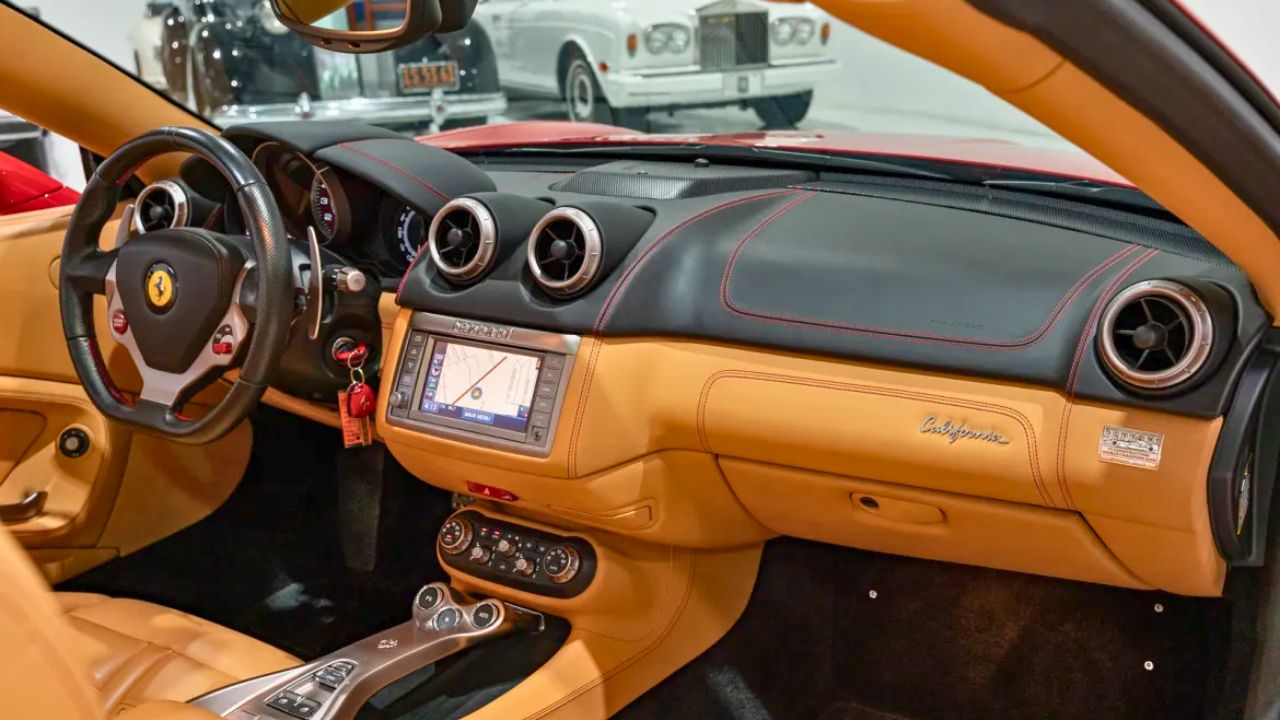
Inside, Ferrari didn’t just toss in some leather and call it a day. The layout was clean and focused, with a central tach, straightforward controls, and stitching that didn’t scream for attention. It felt tailored, not flashy.
You got optional Daytona-style seats, dual-zone climate control, and a well-integrated navigation and infotainment system for the time. There was even usable trunk space—especially with the top up—which made the California feel more practical than it looked. Not something you often say about a Ferrari.
Real Trunk Space, Really
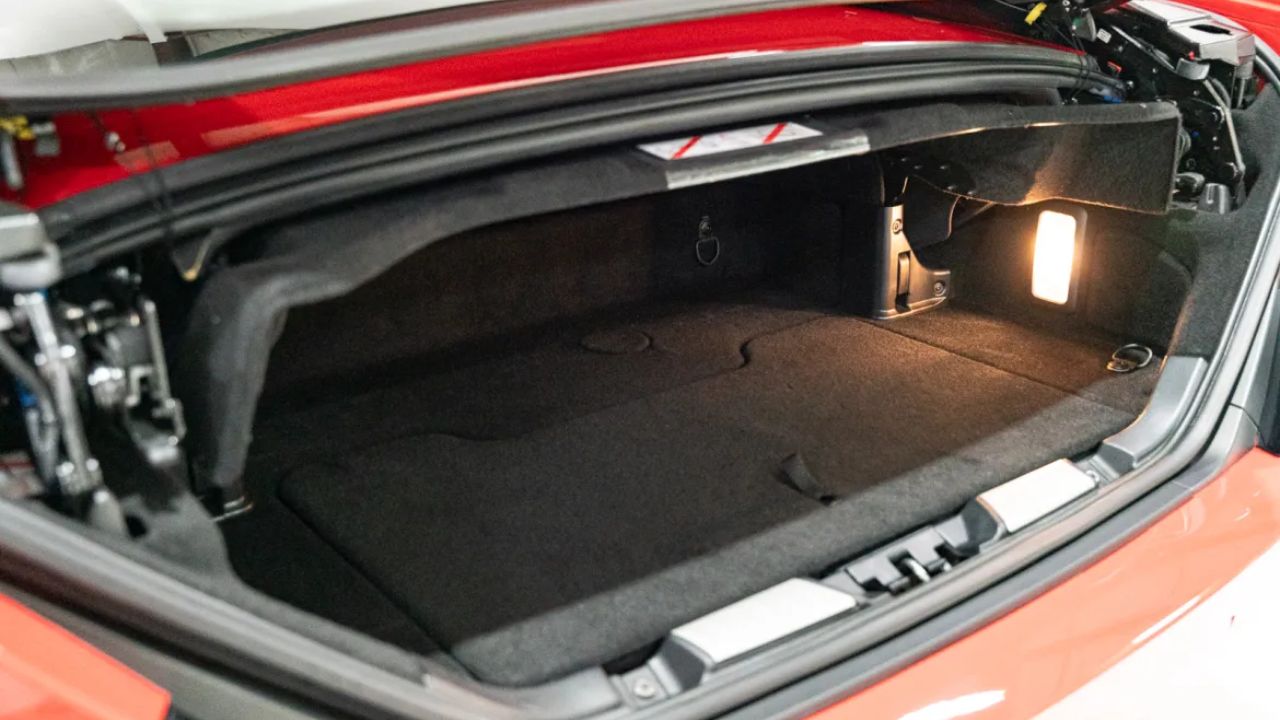
Ferrari actually gave the California a trunk you could use—more than 12 cubic feet with the roof up. Even with the top down, you still had just enough room for weekend bags or golf gear. The clever packaging meant you didn’t have to leave practicality behind.
It may not sound exciting, but it mattered. This wasn’t a garage queen—it was built to be driven. With usable storage and a quiet cabin, you could take the California on long trips and not feel like you were sacrificing just to say you owned a Ferrari.
Performance That Still Felt Ferrari
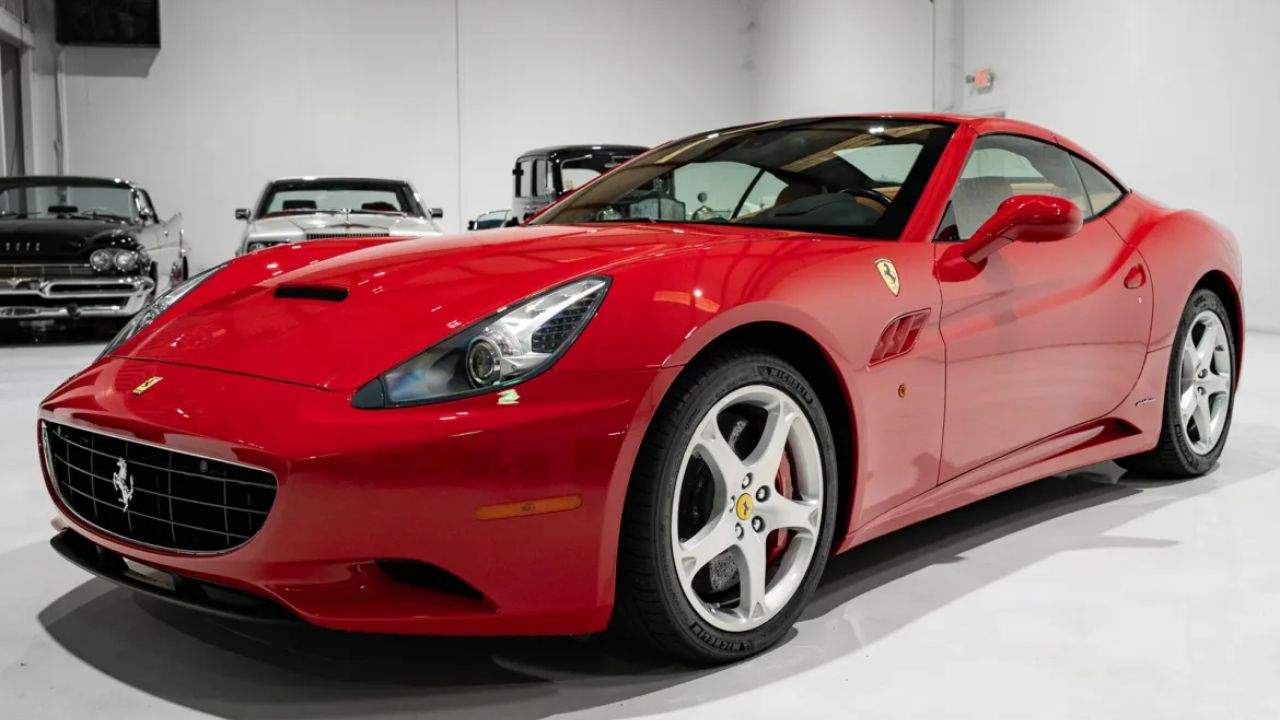
The 0–60 mph time was just under four seconds, and the California topped out around 193 mph. While not as raw as a 430 or 458, it still pulled hard when you stepped into it. The power delivery was linear, and the V8 soundtrack stayed clean all the way to redline.
It wasn’t just about speed though. Steering was fast and precise, and the chassis gave good feedback. You could hustle it through corners without guessing what the rear end was doing. It wasn’t the sharpest tool in the shed, but it never felt vague.
A Body That Took Some Heat
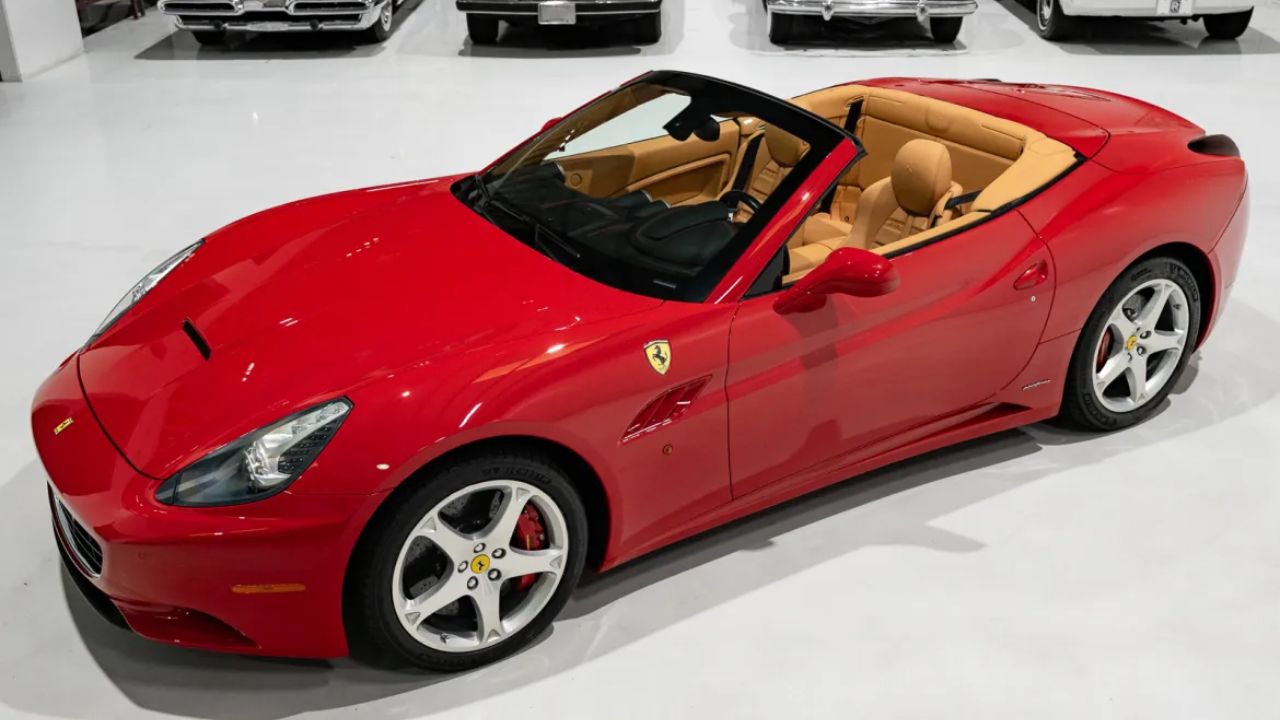
When it launched, not everyone loved the California’s styling. The front looked a bit heavy, and the stacked tailpipes raised a few eyebrows. But over time, it’s settled into its own space—less aggressive, more understated, and still clearly Ferrari.
The design did its job well, though. The long hood, short rear, and tight overhangs gave it balance, and the aero worked without the need for wild spoilers. It wasn’t chasing lap times with every vent—it just looked like something you’d want to cruise in.
A Gateway Ferrari That Changed the Rules
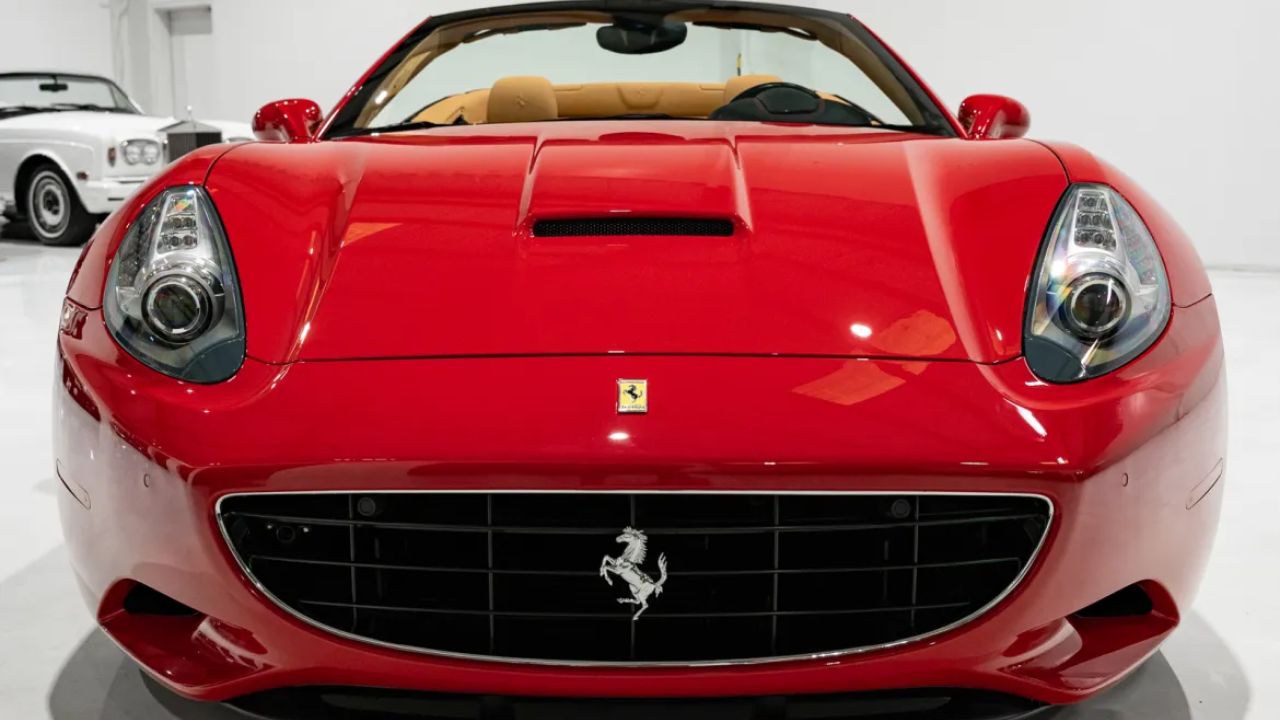
The California was often called the “entry-level” Ferrari, but that label never really fit. It was more accurate to say it was the most usable. It introduced new buyers to the brand without watering down the driving experience, and it proved Ferrari could do comfort without going soft.
It helped bring a different kind of driver into the fold—someone who wanted performance without sacrificing usability. In that sense, the 2010 California quietly reshaped what a Ferrari could be. And for a lot of folks, that made it more than worth a second look.
Like what you read? Here’s more by us:
*Created with AI assistance and editor review.


Leave a Reply