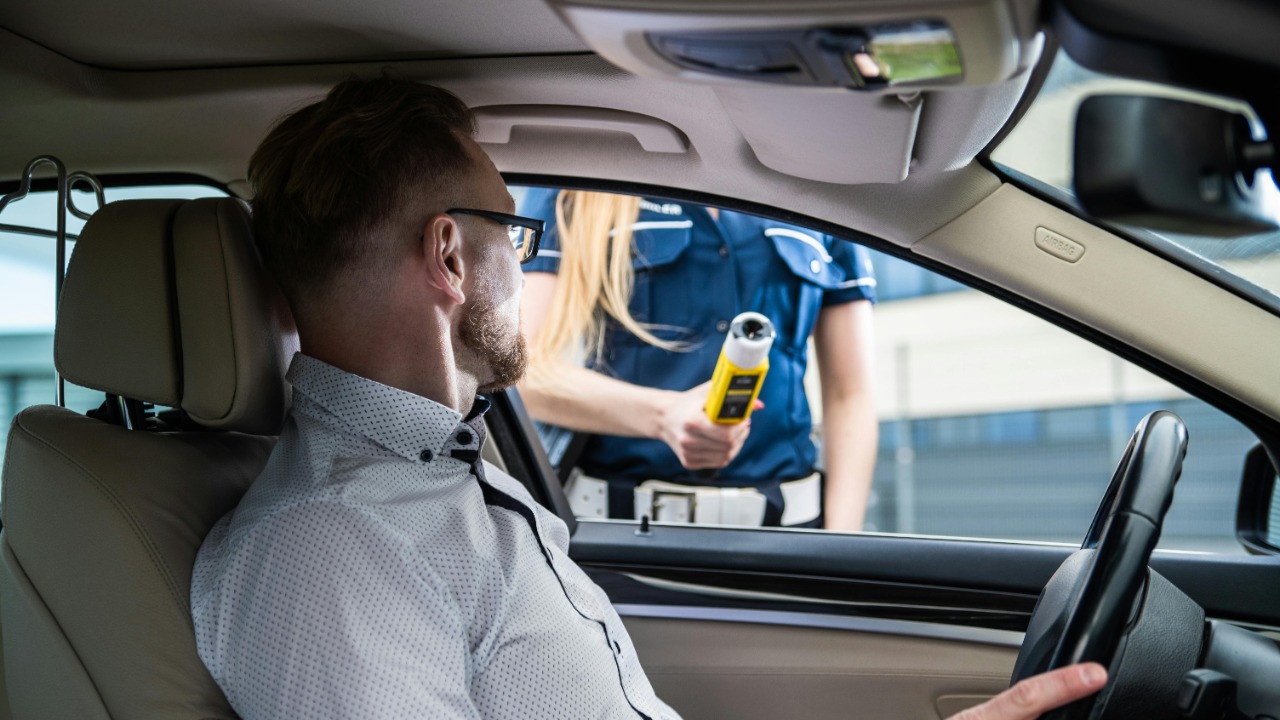
Every traffic stop carries a quiet power imbalance, and few moments feel more loaded than when an officer asks to look inside your car. Whether you are driving a 2015 Honda Civic on your daily commute or a pickup packed for a weekend trip, the rules that govern when police can search your vehicle are specific, and they matter. I want to walk through those rules in plain language so you know what officers can do, what they cannot, and how to respond calmly when the blue lights flash behind you.
At the center of this issue is the same question that has shaped search law for decades: how far the government can go in the name of public safety before it crosses the line into an unreasonable invasion of privacy. The answer on the roadside is not always intuitive, but it follows a set of constitutional guardrails that courts have refined for cars in particular.
The Fourth Amendment and why cars are treated differently
When I think about vehicle searches, I start with the basic rule: the Fourth Amendment of the U.S. Constitution protects you from unreasonable searches and seizures, including when you are behind the wheel. That protection is not absolute, but it means police usually need either your consent, a warrant, or a legally recognized exception before they start opening doors and digging through bags. Legal guides on What Is Probable Cause explain that this amendment is the starting point for any discussion of when officers can cross that privacy line.
Cars, however, do not get the same treatment as homes. Courts in the United States have long recognized what is often called the automobile exception, a doctrine built on the idea that vehicles are mobile and heavily regulated. Judges have reasoned that if officers had to pause every roadside investigation to get a warrant, evidence could literally drive away, and that logic has shaped modern rules about when police can search a car without going to a judge first.
Consent, refusals, and the power of “no”
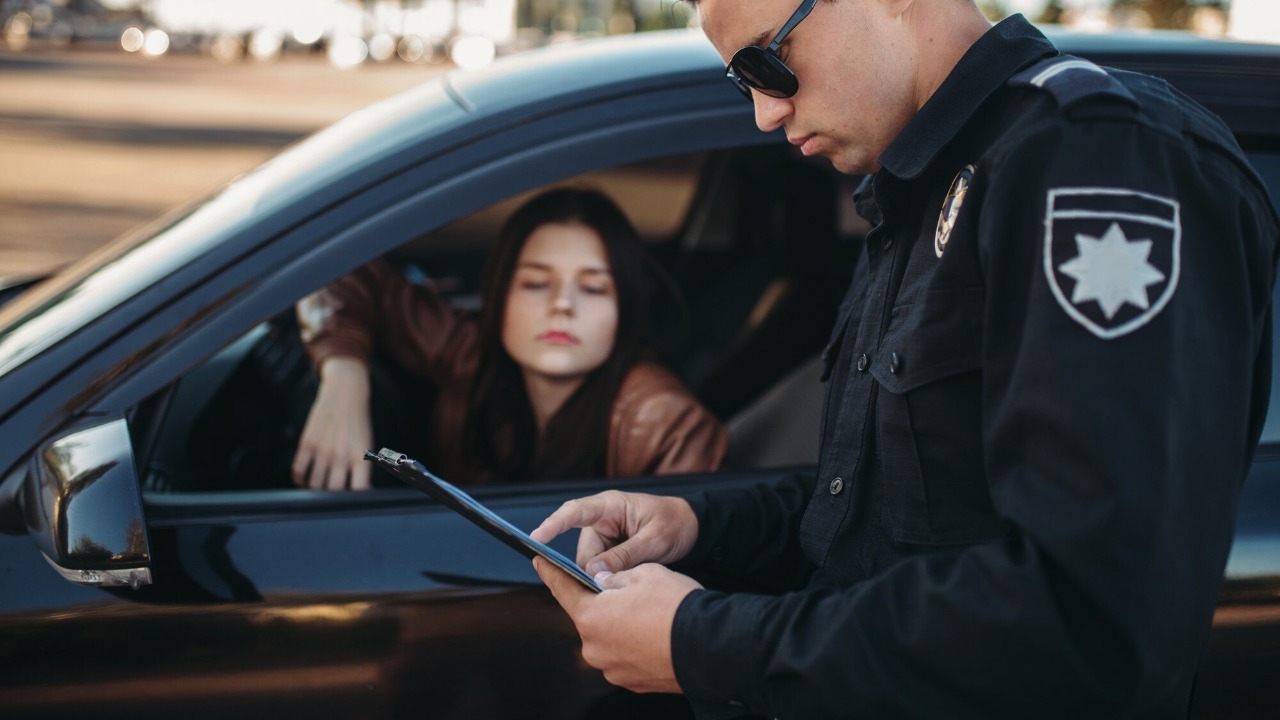
In practice, the easiest way for an officer to search your car is for you to say yes. If you agree, you give up your Fourth Amendment protection for that search, and the officer does not need probable cause or a warrant. That is why so many traffic stops include a casual-sounding request to “take a quick look” inside the vehicle. Legal explanations of Traffic stops emphasize that consent is a powerful tool for law enforcement, because once you grant it, courts rarely second-guess the scope unless you clearly limit or withdraw that permission.
You are not required to agree. You can calmly say you do not consent to a search, and that refusal cannot, by itself, create probable cause. Guides on whether Ask the Attorney you should let officers look through your car stress that a polite but firm “no” is often the only way to preserve your rights. I find it helpful to remember that you can still comply with lawful orders, like stepping out of the car, while clearly stating that you do not agree to a search of the vehicle.
Probable cause, the automobile exception, and warrantless searches
Even if you refuse, police can sometimes search your car without a warrant. The key concept here is probable cause, a standard that requires specific, articulable facts suggesting your vehicle contains evidence of a crime. Legal discussions of Search Your Car explain that this might come from the smell of drugs, visible contraband on the seat, or an admission from a passenger, and once that threshold is met, officers can often search areas of the car where that evidence could reasonably be hidden.
This is where the automobile exception does most of its work. If officers have probable cause, they generally do not need a judge’s signature before they start looking through the passenger compartment, trunk, or containers that might hold the suspected evidence. One overview of when American police can search without a warrant notes that this exception is rooted in the vehicle’s mobility and the practical difficulty of preserving a scene on the roadside. At the same time, courts have warned that officers cannot manufacture a traffic stop solely as a pretext to search a car when the only real purpose of pulling the vehicle over was to search it.
Searches tied to traffic stops, frisks, and arrests
Not every encounter on the road justifies a full search of the car. During a routine stop, officers are allowed to check your license, registration, and insurance, and they can order you and your passengers out of the vehicle for safety reasons. If they reasonably believe you might be armed and dangerous, they can also conduct a limited pat-down of your clothing and, in some cases, a quick check of areas in the car where a weapon could be grabbed. Training materials on General vehicle searches describe this as a frisk, focused on officer safety rather than evidence gathering, and it is narrower than a full-blown search for contraband.
The rules expand if a traffic stop leads to an arrest. If police arrest you for a crime, they can often search the area within your immediate reach to look for weapons or evidence related to that offense. Legal commentary on when When officers may search explains that this can include parts of the passenger compartment if you could realistically access them during the arrest. At the same time, courts have limited searches that are purely automatic; officers cannot always rummage through a vehicle after every arrest if there is no reasonable link between the crime and evidence in the car.
State-specific twists: Pennsylvania and beyond
On top of federal rules, state constitutions can add extra layers of protection. Pennsylvania is a vivid example of how that plays out. Legal analysis of whether Can Police Search Your Car Without a warrant or consent in Pennsylvania explains that, outside of emergencies, officers there generally need either a warrant or clear probable cause combined with exigent circumstances before they can search a vehicle without permission. That is a stricter standard than in some other states, and it shows how local law can narrow the automobile exception.
The shift in Pennsylvania followed a major ruling by The Pennsylvania Supreme Court, which held on a Tuesday that Article 1, Section 8 of the Pennsylvania Constitution offers greater protection than the federal Fourth Amendment. By interpreting that Article and Section to require more judicial oversight, the court limited officers’ ability to rely solely on the federal automobile exception. For drivers, it means that the same traffic stop on Interstate 80 might be governed by different search rules once you cross the state line.
Practical tips when the blue lights flash
Knowing the law is only half the battle; the other half is how you respond in the moment. When you are pulled over, I find it useful to think in terms of three priorities: safety, clarity, and documentation. Safety means pulling over promptly, turning off the engine, and keeping your hands visible on the steering wheel of your Subaru Outback or Ford F-150 so the officer can see you are not reaching for anything. Clarity means answering basic identifying questions, but also clearly stating if you do not consent to a search, even if the officer sounds confident about their authority. Documentation can be as simple as noting the time, location, and badge number, or using a dashcam app like Openroad or a built-in Tesla camera, as long as you do not interfere with the stop.
It also helps to understand how officers are trained to think about these encounters. Guidance on Police Search of Vehicles and your rights in Pennsylvania, for example, stresses that officers may ask for consent even when they lack probable cause, and that you retain the right to decline. Other legal resources on whether you should Can Police Search Your Car Without a warrant under the automobile exception underline that officers must still be able to point to specific facts suggesting your car contains evidence of a crime. Finally, commentary on when Police can search after an arrest notes that they cannot stop a vehicle solely to search it, which is a reminder that you are not powerless in these moments. When you combine a calm demeanor with a clear grasp of your rights, you give yourself the best chance of keeping a stressful stop from turning into an unlawful search.